
Are you constantly battling with acid reflux and relying on medication to find relief? While acid reflux medication can provide much-needed comfort, it’s important to be aware of the potential side effects that may come along with it. From digestive issues to nutrient deficiencies, understanding the possible implications of these medications is crucial in ensuring your overall well-being. In this article, we will explore the various side effects of acid reflux medication and provide insights on how to manage them effectively. So, let’s dive in and unravel the complexities of this topic together!
Understanding the Side Effects of Acid Reflux Medication
Acid reflux medications can be a lifesaver for individuals who suffer from the discomfort and pain of acid reflux, also known as gastroesophageal reflux disease (GERD). They work by reducing the production of stomach acid or by neutralizing the acid that is already present.
While these medications can provide relief, it’s important to be aware of the potential side effects that they can bring. By understanding these side effects, you can make informed decisions about your treatment plan and take steps to minimize any negative impact on your health.
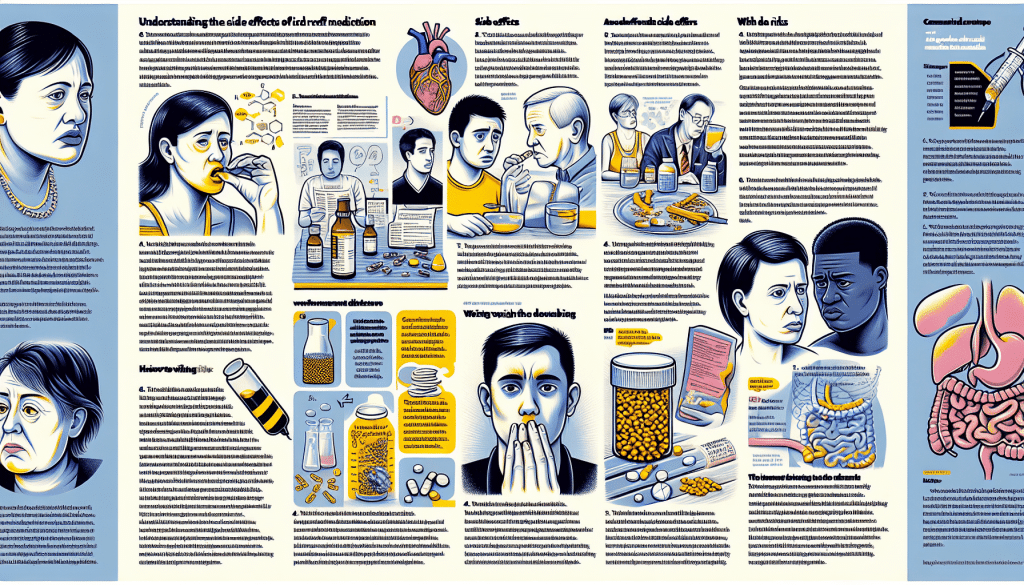
Common Side Effects
Headaches
One of the most common side effects of acid reflux medication is headaches. These headaches can range from mild to severe and may be accompanied by other symptoms such as dizziness or fatigue. If you experience persistent or severe headaches while taking these medications, it’s important to consult your healthcare provider.
Nausea and Vomiting
Another common side effect is nausea and vomiting. This can be particularly problematic for individuals who already experience stomach discomfort due to acid reflux. If you find that these symptoms are interfering with your daily life or becoming unbearable, it’s important to seek medical advice.
Digestive Issues
Acid reflux medications can also disrupt the normal functioning of your digestive system. Some individuals may experience issues such as bloating, gas, or an upset stomach. These digestive issues can be managed by making certain dietary and lifestyle changes, which will be discussed later in the article.
Dizziness
Dizziness is another potential side effect of acid reflux medications. It’s important to be cautious when standing up or engaging in activities that require alertness, as dizziness can increase the risk of accidents or falls. If you experience severe or persistent dizziness, it’s crucial to consult your healthcare provider.
Fatigue
Feeling tired or experiencing fatigue is a common side effect reported by individuals taking acid reflux medications. This can be due to the medication’s impact on your body and overall health. If you find that your fatigue is significantly affecting your daily life or worsening over time, it’s important to discuss this with your healthcare provider.
Long-Term Side Effects
While many individuals take acid reflux medications on a short-term basis, there are some who require long-term use. In such cases, it’s important to be aware of potential long-term side effects that may arise.
Bone Loss
Long-term use of certain acid reflux medications, such as proton pump inhibitors (PPIs), has been associated with an increased risk of bone loss and fractures. This is thought to occur because these medications can interfere with the absorption of calcium, an essential nutrient for maintaining strong bones. If you are on long-term acid reflux medication, it’s important to discuss bone health with your healthcare provider and consider strategies to minimize the risk of bone loss.
Vitamin and Mineral Deficiencies
Certain acid reflux medications can also lead to deficiencies in important vitamins and minerals. For example, PPIs can interfere with the absorption of vitamin B12, which is necessary for neurological health. These deficiencies can manifest as symptoms such as fatigue, weakness, and cognitive issues. Regular monitoring and appropriate supplementation may be necessary to address these deficiencies.
Increased Risk of Infections
Long-term use of acid reflux medications, particularly PPIs, has been linked to an increased risk of infections such as pneumonia and Clostridium difficile (C. diff) infection. These medications can alter the normal balance of bacteria in the gut, making individuals more susceptible to these infections. If you experience recurring infections while taking acid reflux medications, it’s important to consult your healthcare provider.
Kidney Problems
There is emerging evidence suggesting a potential association between long-term use of certain acid reflux medications and kidney problems. Some studies have found an increased risk of kidney damage, kidney disease, and kidney failure in individuals taking PPIs for extended periods. It’s crucial to discuss any concerns with your healthcare provider and explore alternative treatment options if necessary.
Interaction with Other Medications
If you are taking acid reflux medications, it’s important to be aware of potential interactions with other medications you may be using. These interactions can affect the efficacy and safety of both medications. Here are some common medications that may interact with acid reflux medications:
Antacids
Antacids, which are often used for short-term relief of acid reflux symptoms, can interact with acid reflux medications. They can reduce the absorption of certain medications or interfere with their mechanism of action. It’s important to inform your healthcare provider if you are using antacids while on acid reflux medication.
Antidepressants
Some antidepressant medications can also interact with acid reflux medications. This interaction can result in increased levels of the antidepressant in your body, potentially leading to adverse effects. It’s crucial to inform your healthcare provider about all medications you are taking to ensure their safety and efficacy.
Blood Thinners
Individuals taking blood thinners, such as warfarin or aspirin, should be cautious when using acid reflux medications. These medications can interact with anticoagulants, affecting their effectiveness and potentially leading to an increased risk of bleeding. Close monitoring and adjustment of medication doses may be necessary under the guidance of your healthcare provider.
Antibiotics
Some antibiotics can interact with acid reflux medications, particularly PPIs. These interactions can reduce the effectiveness of antibiotics or increase the risk of certain side effects. If you require treatment with antibiotics, it’s important to inform your healthcare provider about your acid reflux medication.

Potential Allergic Reactions
While allergic reactions to acid reflux medications are rare, they can occur in some individuals. It’s important to be aware of the signs and symptoms of an allergic reaction, which may include:
Skin Rash
Some individuals may develop a skin rash or hives after taking acid reflux medications. This can range from mild to severe and may be accompanied by itching or redness. If you experience these symptoms, it’s important to seek medical attention.
Swelling
Swelling of the face, lips, tongue, or throat is a serious allergic reaction that requires immediate medical attention. This condition, known as angioedema, can cause difficulty breathing or swallowing and can be life-threatening.
Difficulty Breathing
In rare cases, acid reflux medications can trigger difficulty breathing or shortness of breath. This can be a sign of a severe allergic reaction and requires immediate medical attention.
Anaphylaxis
Anaphylaxis is a severe allergic reaction that can occur after taking certain medications, including acid reflux medications. It involves a sudden and potentially life-threatening response that can affect multiple body systems. Symptoms include difficulty breathing, a drop in blood pressure, rapid pulse, and loss of consciousness. Anaphylaxis requires immediate emergency medical treatment.
Impact on Gut Health
The gastrointestinal tract is a complex system that relies on a delicate balance of different bacteria and microorganisms. Acid reflux medications can impact this balance, leading to various gut health issues.
Altered Microbiome
Acid reflux medications, especially PPIs, can alter the natural balance of bacteria in the gut. This disruption can have wide-ranging effects on gut health and may contribute to issues such as dysbiosis, which is an imbalance of the gut microbiome.
Increased Risk of Diarrhea and Constipation
Disruption of the gut microbiome can increase the risk of developing symptoms such as diarrhea or constipation. Changes in the gut bacteria can affect the overall function of the intestines, leading to irregular bowel movements.
Risk of Small Intestinal Bacterial Overgrowth (SIBO)
Acid reflux medications can also increase the risk of developing small intestinal bacterial overgrowth (SIBO). This condition occurs when there is an overgrowth of bacteria in the small intestine, leading to symptoms such as bloating, abdominal pain, and diarrhea. If you experience these symptoms while on acid reflux medication, it’s important to discuss them with your healthcare provider.
Rebound Acid Reflux
Rebound acid reflux is a phenomenon that can occur when you stop taking acid reflux medications abruptly. It involves a sudden increase in stomach acid production, which can worsen acid reflux symptoms or lead to the development of new symptoms.
Increased Acid Production
Acid reflux medications work by reducing the production of stomach acid. When these medications are stopped abruptly, the body may overcompensate by producing higher levels of acid, resulting in rebound acid reflux.
Worsening of Symptoms
Rebound acid reflux can lead to a worsening of symptoms, such as heartburn, regurgitation, or chest pain. It’s important to work with your healthcare provider to gradually reduce the dosage of the medication and manage any rebound symptoms that may arise.
Malabsorption of Nutrients
Acid reflux medications can interfere with the absorption of important nutrients in the body. This can lead to deficiencies that can have a negative impact on overall health.
Protein Deficiency
Reduced stomach acid production caused by acid reflux medications can impair the digestion and absorption of proteins. This can lead to protein deficiency, which is essential for various bodily functions, including muscle health and tissue repair.
Vitamin B12 Deficiency
Vitamin B12 requires stomach acid for its absorption. Acid reflux medications can reduce stomach acid levels, leading to decreased vitamin B12 absorption. Deficiency of this vitamin can result in anemia, fatigue, and neurological issues.
Iron and Calcium Malabsorption
Similar to vitamin B12, iron and calcium absorption can be impaired by reduced stomach acid. These minerals are crucial for various bodily functions, and deficiencies can lead to anemia, weakened bones, and other health issues. Regular monitoring of iron and calcium levels and appropriate supplementation may be necessary.
Risk of Heart Disease
While the link between acid reflux medications and heart disease is still being studied, there are potential connections that need to be considered.
Magnesium Deficiency
Long-term use of PPIs, in particular, can increase the risk of magnesium deficiency. This can have implications for heart health, as magnesium is essential for proper heart function. Regular monitoring of magnesium levels and appropriate supplementation may be necessary.
Potential Increase in Cardiovascular Events
Some studies have suggested that long-term use of acid reflux medications, particularly PPIs, may be associated with an increased risk of cardiovascular events such as heart attacks or strokes. However, more research is needed to fully understand the relationship between these medications and cardiovascular health.
Impact on Mental Health
Acid reflux can take a toll on your mental health, and the medications used to manage it may also have an impact.
Depression
Some individuals may experience a decline in mood or feelings of depression while taking acid reflux medications. It’s important to monitor your mental health and discuss any concerns with your healthcare provider.
Anxiety
Acid reflux can be a source of anxiety for many individuals, and the medications used to manage it may not only alleviate physical symptoms but also relieve anxiety. However, some individuals may experience increased anxiety or nervousness as a side effect of these medications. If you notice a worsening of anxiety symptoms while on acid reflux medication, it’s important to seek support from a healthcare professional.
Alternatives to Acid Reflux Medications
If you are concerned about the potential side effects of acid reflux medications or you want to explore alternative treatment options, there are several alternatives to consider.
Lifestyle Changes
Making certain lifestyle changes can help manage acid reflux symptoms without the need for medication. These changes include avoiding trigger foods, maintaining a healthy weight, eating smaller meals, not lying down immediately after eating, and raising the head of your bed. These lifestyle modifications can be highly effective in reducing acid reflux symptoms.
Herbal Remedies
Some individuals find relief from acid reflux symptoms by using herbal remedies. Examples include ginger, chamomile, licorice root, and slippery elm. However, it’s important to consult with a healthcare provider or herbalist before using these remedies, as they may interact with other medications or have their own side effects.
Dietary Modifications
Certain dietary changes can help manage acid reflux symptoms. This includes avoiding spicy or fatty foods, caffeine, alcohol, and citrus fruits. Additionally, eating smaller, more frequent meals and chewing food thoroughly can also be beneficial. A healthcare provider or registered dietitian can provide personalized guidance on dietary modifications.
In conclusion, while acid reflux medications can provide relief for individuals suffering from GERD, it’s important to be aware of their potential side effects. Understanding these side effects and exploring alternative treatment options can help you make informed decisions about your health. Remember to always consult with a healthcare provider before making any changes to your medication regimen or treatment plan. By prioritizing your health and working closely with your healthcare team, you can manage acid reflux effectively and minimize the impact on your overall well-being.