
So you’ve been feeling under the weather lately and suspect that you might have a chest infection? It’s always helpful to be knowledgeable about the symptoms so you can take the necessary steps towards recovery. In this article, we’ll walk you through the common signs of a chest infection, such as persistent cough, shortness of breath, and chest pain, so that you can better understand what your body might be going through. Let’s get started on this informative journey to better health!
Types of Chest Infections
Pneumonia
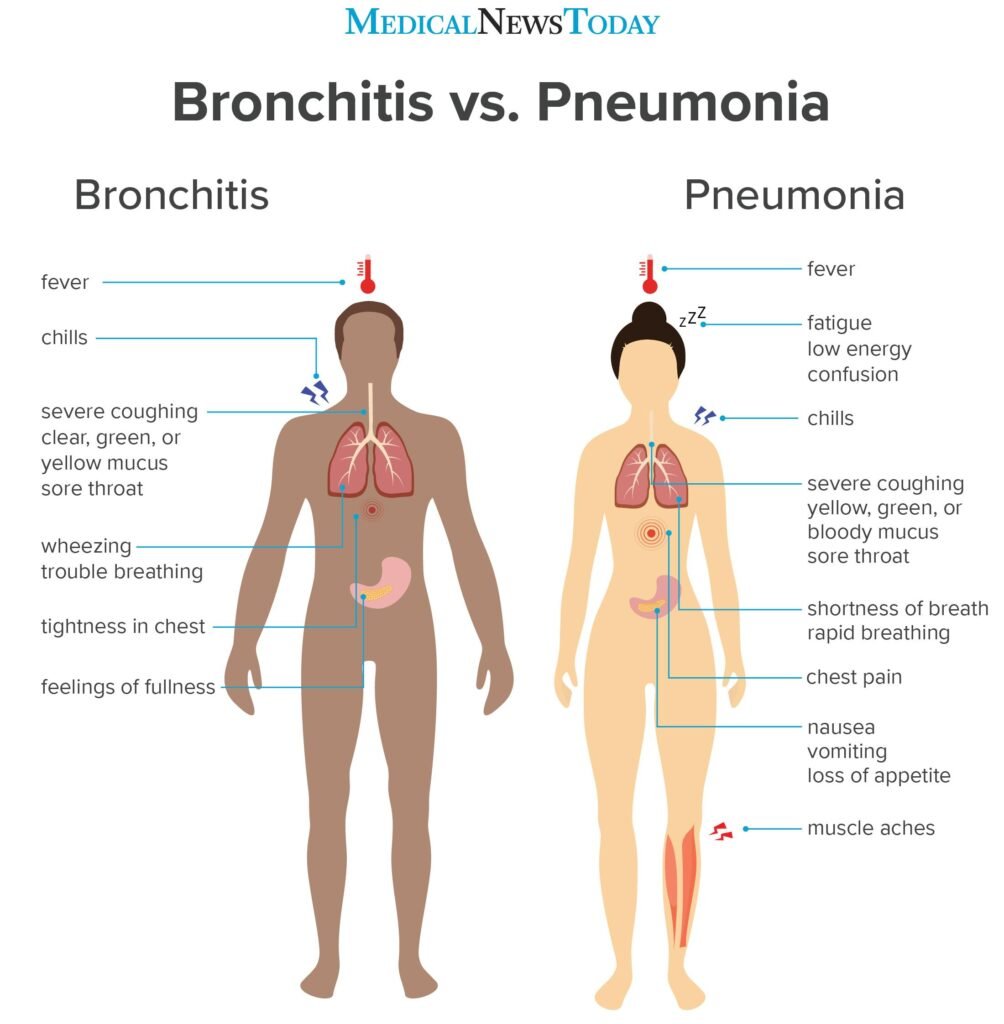
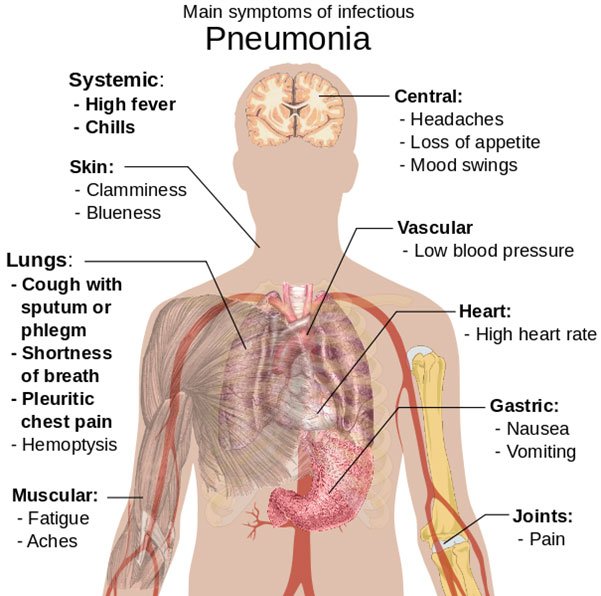
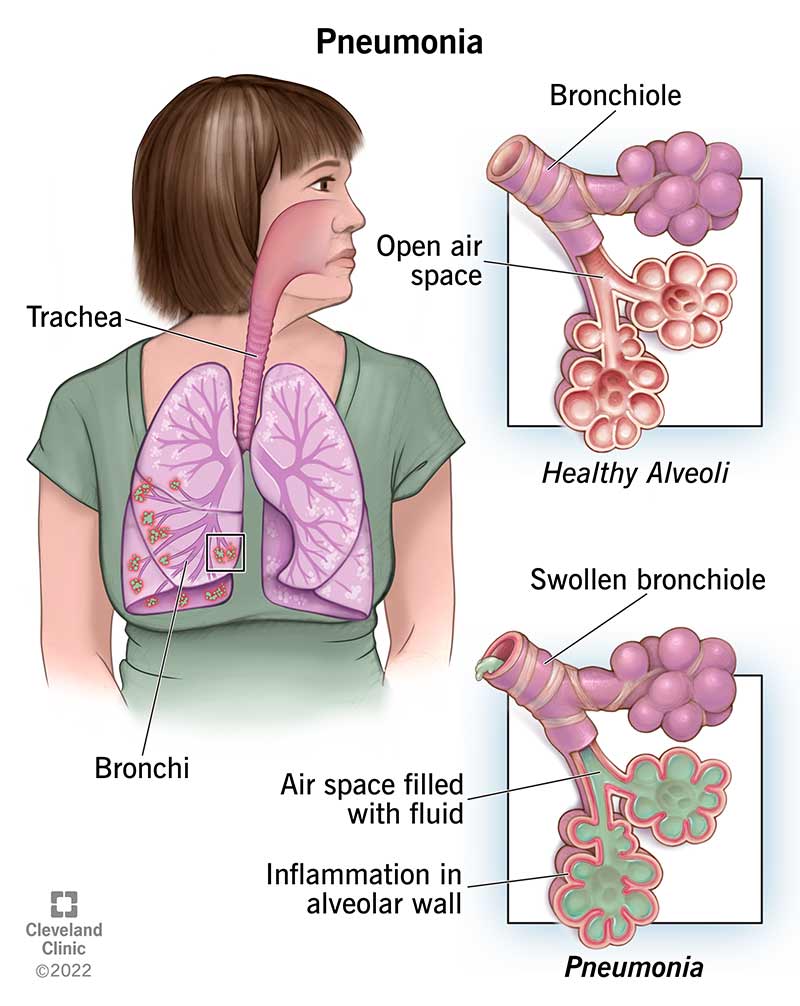
Pneumonia is a common type of chest infection that can be caused by both viral and bacterial infections. It affects the air sacs in the lungs, leading to inflammation and fluid build-up. This can result in symptoms such as high fever, rapid breathing, chest congestion, headache, muscle pain, and confusion. Pneumonia can be especially dangerous for young children, older adults, and individuals with weakened immune systems.
Bronchitis
Bronchitis is another type of chest infection that primarily affects the bronchial tubes, which are responsible for carrying air in and out of the lungs. It is often caused by a viral infection, though bacterial infections can also be a contributing factor. People with bronchitis may experience symptoms such as a persistent cough, wheezing, sore throat, and nasal congestion. In some cases, bronchitis can progress to a more severe condition, such as pneumonia.
Bronchiolitis
Bronchiolitis is a chest infection typically seen in infants and young children. It affects the smaller airways in the lungs called bronchioles, causing inflammation and congestion. The most common cause of bronchiolitis is the respiratory syncytial virus (RSV). Symptoms of bronchiolitis include rapid breathing, wheezing, runny nose, and fever. It is important to seek medical attention if your child experiences these symptoms, as bronchiolitis can lead to breathing difficulties.
Tuberculosis
Tuberculosis (TB) is an infectious disease that primarily affects the lungs, although it can also affect other parts of the body. It is caused by the bacteria Mycobacterium tuberculosis and spreads through the air when an infected person coughs or sneezes. Symptoms of tuberculosis include a prolonged cough lasting for weeks, coughing up blood, chest pain, unintentional weight loss, and night sweats. TB is a serious condition that requires medical treatment to prevent further complications.
Lung Abscess
A lung abscess is a collection of pus in the lung tissue caused by an infection. It often occurs as a complication of a pre-existing chest infection, such as pneumonia. Symptoms of a lung abscess may include foul-smelling breath, coughing up blood or pus, chest pain, loss of appetite, and weight loss. Prompt medical attention is necessary for diagnosis and treatment of a lung abscess to prevent it from spreading to other parts of the body.
Causes of Chest Infections
Viral and Bacterial Infections
Viral and bacterial infections are the most common causes of chest infections. Viruses such as influenza and respiratory syncytial virus (RSV) can infect the respiratory system and lead to symptoms of chest infection. Bacterial infections, such as Streptococcus pneumoniae and Haemophilus influenzae, can also cause chest infections such as pneumonia and bronchitis. It is important to practice good hygiene, such as regularly washing hands and covering your mouth when coughing or sneezing, to reduce the risk of viral and bacterial infections.
Environmental Factors
Environmental factors can also contribute to the development of chest infections. Exposure to pollutants, such as air pollution and irritants like smoke or chemical fumes, can irritate the respiratory system and increase the risk of developing a chest infection. It is advisable to avoid exposure to these environmental factors whenever possible, especially for individuals with pre-existing respiratory conditions or weakened immune systems.
Weakened Immune System
Having a weakened immune system can make individuals more susceptible to chest infections. Certain medical conditions, such as HIV/AIDS, diabetes, and autoimmune diseases, can compromise the immune system’s ability to fight off infections. Additionally, undergoing treatments such as chemotherapy or taking immunosuppressive medications can also weaken the immune system. It is important for individuals with weakened immune systems to take extra precautions, such as getting vaccinated and practicing good hygiene, to reduce the risk of developing chest infections.
Smoking
Smoking is a major risk factor for the development of chest infections. It damages the respiratory system, weakens the immune system, and impairs the ability of the respiratory system to clear mucus and bacteria effectively. This makes smokers more susceptible to infections such as bronchitis and pneumonia. Quitting smoking is essential for reducing the risk of chest infections and improving overall respiratory health.
Common Symptoms of Chest Infections
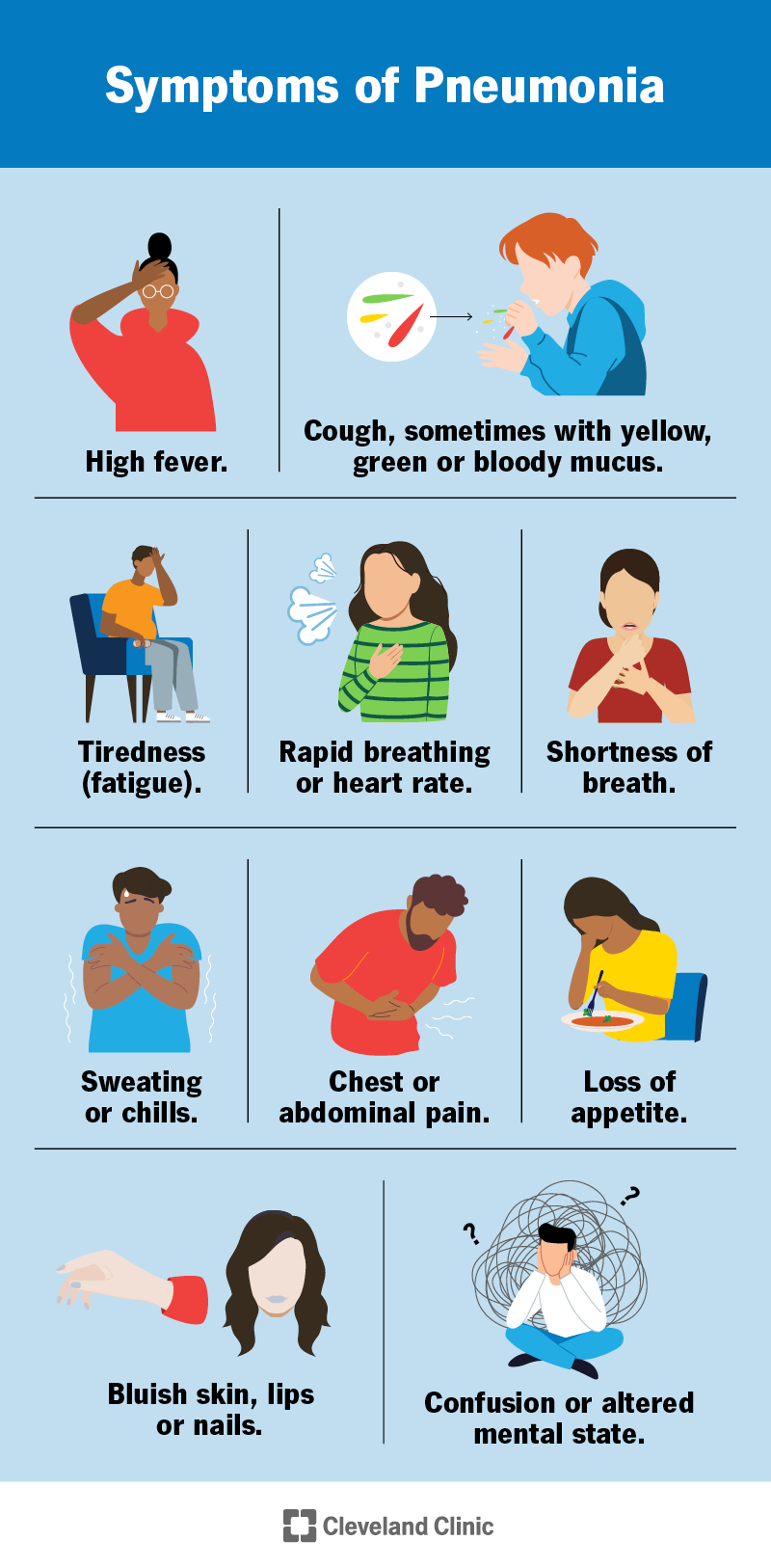
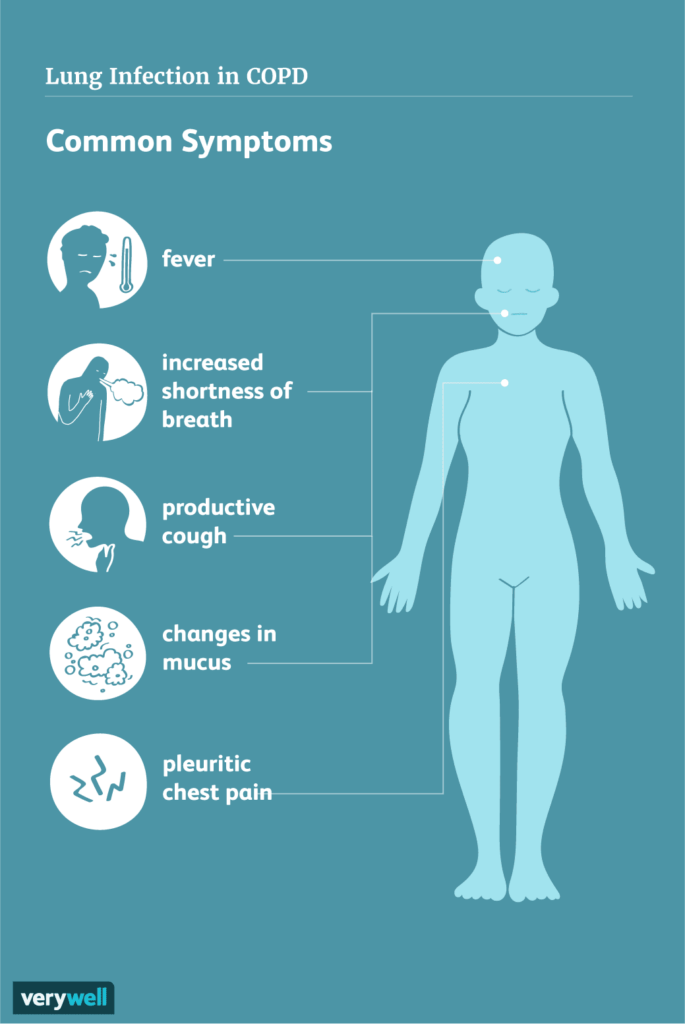
Chest infections can cause a range of symptoms that may vary depending on the specific type of infection. However, there are several common symptoms that are often associated with chest infections.
Cough
A cough is a common symptom of chest infections. It is the body’s natural mechanism to clear mucus, irritants, and pathogens from the respiratory tract. A persistent and productive cough, where mucus or sputum is produced, is often seen in chest infections such as pneumonia, bronchitis, and bronchiolitis.
Chest Pain
Chest pain or discomfort can occur in chest infections due to inflammation or irritation of the respiratory tract. It may be a sharp or dull pain and can worsen with deep breathing, coughing, or movement. Chest pain should always be evaluated by a medical professional to rule out any serious underlying conditions.
Shortness of Breath
Shortness of breath, also known as dyspnea, is a symptom that can be seen in various chest infections. It occurs when the respiratory system is unable to inhale and exhale enough air. This can cause a feeling of breathlessness or difficulty breathing, especially during physical exertion or lying flat.
Fever and Chills
Fever is a common symptom of chest infections and is often associated with an immune response to the infection. It is characterized by an elevated body temperature. Chills, which are often accompanied by fever, can cause shaking or shivering.
Fatigue and Weakness
Chest infections can lead to feelings of fatigue and weakness. This can be due to the body’s immune response and energy expenditure in fighting the infection. Rest and adequate hydration are important for supporting the body’s recovery.
Sputum Production
Sputum production refers to the coughing up of mucus or phlegm from the respiratory tract. It can be thick, colored, and may contain blood in certain cases. Sputum production is commonly seen in chest infections and can help healthcare professionals in diagnosing the specific type of infection.
Specific Symptoms of Pneumonia
High Fever
One of the specific symptoms of pneumonia is a high fever. The body’s immune response to the infection can cause a significant increase in body temperature. A fever above 100.4°F (38°C) is typically considered as a high fever.
Rapid Breathing
Pneumonia can affect the lungs’ ability to oxygenate the blood, leading to rapid and shallow breathing. Increased respiratory rate, also known as tachypnea, is a characteristic symptom of pneumonia.
Chest Congestion
Chest congestion occurs when the air sacs in the lungs fill with fluid or mucus. This can lead to a feeling of tightness or heaviness in the chest. Chest congestion is often accompanied by a productive cough.
Headache and Muscle Pain
In addition to respiratory symptoms, pneumonia can cause systemic symptoms such as headache and muscle pain. These symptoms may be more pronounced in bacterial pneumonia.
Confusion
In severe cases of pneumonia, especially in older adults or individuals with pre-existing health conditions, confusion or changes in mental status may occur. This can be a sign of decreased oxygen levels in the body and requires immediate medical attention.
Specific Symptoms of Bronchitis
Persistent Cough
A persistent cough is the hallmark symptom of bronchitis. It may be dry and hacking or produce mucus or phlegm. The cough can last for several weeks and may be worse in the morning or with physical activity.
Wheezing
Wheezing is a high-pitched whistling sound that occurs when air flows through narrowed airways. It is commonly associated with bronchitis and can be heard during breathing.
Sore Throat
It is not uncommon for individuals with bronchitis to experience a sore throat. This can be due to the inflammation and irritation of the airways.
Nasal Congestion
Nasal congestion, or a stuffy or blocked nose, can be present in cases of bronchitis. This can make breathing through the nose difficult and can contribute to mouth breathing and dry mouth.
Specific Symptoms of Bronchiolitis
Rapid Breathing
Similar to pneumonia, rapid breathing is a specific symptom of bronchiolitis. Infants and young children may exhibit increased respiratory rates or noticeable difficulty in breathing.
Wheezing
Wheezing is commonly heard in children with bronchiolitis. It can be a result of the inflammation and narrowing of the bronchioles.
Runny Nose
A runny nose is a characteristic symptom of bronchiolitis in infants and young children. It may be accompanied by congestion and nasal discharge.
Fever
Fever is often present in cases of bronchiolitis. It is important to monitor and manage fever in infants and young children according to healthcare provider recommendations.
Specific Symptoms of Tuberculosis
Cough Lasting for Weeks
A persistent cough that lasts for weeks or even months is a specific symptom of tuberculosis. The cough may be productive and may worsen over time.
Coughing up Blood
Coughing up blood, also known as hemoptysis, is a serious symptom of tuberculosis. It occurs due to damage to the lungs and airways caused by the infection.
Chest Pain
Chest pain, particularly when breathing or coughing, can be present in tuberculosis. It is important to differentiate this chest pain from other causes and seek medical attention.
Unintentional Weight Loss
Unexplained and unintentional weight loss can be a sign of tuberculosis. The infection can affect the body’s metabolism and lead to weight loss, even without a significant change in diet or physical activity.
Night Sweats
Night sweats, which refer to excessive sweating during sleep, are a common symptom of tuberculosis. They can be severe and disrupt sleep patterns.
Specific Symptoms of Lung Abscess
Foul-Smelling Breath
An unpleasant or foul smell in the breath, often described as “bad breath,” can be a specific symptom of a lung abscess. This is due to the presence of bacteria and pus in the respiratory system.
Coughing up Blood or Pus
Coughing up blood or pus is a significant symptom of a lung abscess. This can occur due to the presence of an abscess in the lung tissue and requires urgent medical attention.
Chest Pain
Chest pain is a common symptom of a lung abscess and can vary in intensity. It may worsen with deep breathing, coughing, or movement.
Loss of Appetite
A decreased appetite or loss of appetite can be experienced with a lung abscess. This can be due to the body’s response to the infection and inflammation.
Weight Loss
Unintentional weight loss is a potential symptom of a lung abscess. It may be associated with the overall impact of the infection on the body’s metabolism and energy expenditure.
Diagnosing Chest Infections
Physical Examination
A physical examination is often the first step in diagnosing a chest infection. Healthcare providers may listen to the lungs for abnormal sounds, check for signs of congestion or inflammation, and assess overall respiratory function.
Chest X-ray
A chest x-ray is commonly used to assess the condition of the lungs and identify any abnormalities, such as fluid or infiltrates, that may indicate a chest infection.
Sputum Analysis
Sputum analysis involves collecting a sample of mucus or phlegm coughed up from the respiratory tract and examining it for infectious agents, such as bacteria or fungi. This can help determine the specific cause of the chest infection and guide treatment.
Blood Tests
Blood tests can provide valuable information, such as elevated white blood cell count, which can indicate an infection. In some cases, blood cultures may be done to identify the specific organism causing the infection.
Prevention and Self-Care
Practice Good Hygiene
Practicing good hygiene is essential for preventing chest infections. This includes regularly washing hands with soap and water, especially before eating or touching the face, and covering the mouth and nose with a tissue or the elbow when coughing or sneezing.
Quit Smoking
Smoking is a significant risk factor for chest infections and can exacerbate symptoms if an infection occurs. Quitting smoking is crucial for reducing the risk of chest infections and improving overall respiratory health.
Get Vaccinated
Vaccination can help protect against specific infections that can cause chest infections, such as influenza and pneumonia. It is important to stay up to date with recommended vaccinations, especially for individuals at higher risk, such as young children, older adults, and those with chronic health conditions.
Avoid Exposure to Pollutants
Reducing exposure to environmental pollutants, such as air pollution and irritants, can help prevent chest infections. This can include avoiding areas with heavy air pollution, properly ventilating indoor spaces, and using air purifiers if needed.
Maintain a Healthy Lifestyle
Maintaining a healthy lifestyle can support overall respiratory health and reduce the risk of chest infections. This includes eating a balanced diet, getting regular exercise, managing stress, and getting enough sleep. Taking care of your overall health can strengthen the immune system and improve the body’s ability to fight off infections.