
Having a chest infection can be a distressing experience, as it brings along symptoms like coughing, chest pain, and difficulty breathing. While some cases can be managed at home with rest and over-the-counter medications, there are certain situations where seeking medical attention becomes crucial. This article will guide you through the signs and symptoms that indicate when it’s time to reach out to a healthcare professional for a chest infection, ensuring you receive the right treatment and care for a swift recovery.

What is a Chest Infection
A chest infection is a common respiratory condition that affects the lungs or airways. It can be caused by various types of bacteria or viruses, and it can range from mild to severe. When you have a chest infection, the airways in your lungs become inflamed, leading to symptoms such as coughing, shortness of breath, chest pain, and fever. It is important to understand the causes, symptoms, and treatment options for chest infections in order to effectively manage this condition.
Definition
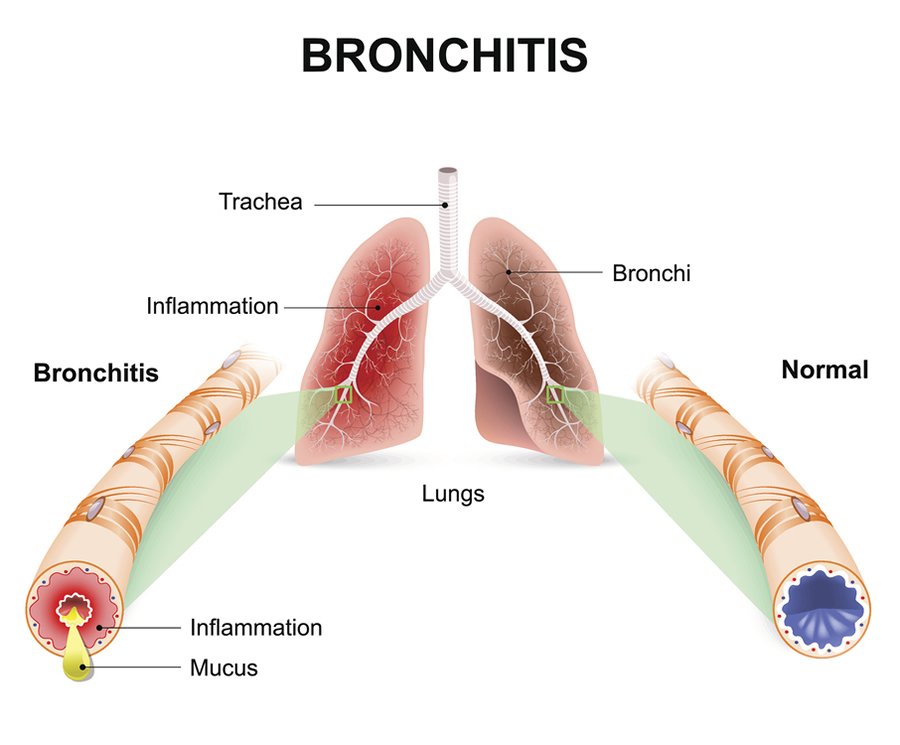
A chest infection, also known as a lower respiratory tract infection, refers to an infection that primarily affects the lungs and airways. It can involve the bronchi, bronchioles, or the alveoli, which are the tiny air sacs in the lungs where oxygen is exchanged. Chest infections can be categorized into different types, including bronchitis, pneumonia, and bronchiolitis, depending on the specific areas of the respiratory system that are affected.
Causes
Chest infections can be caused by either bacteria or viruses. Bacterial infections are commonly caused by Streptococcus pneumoniae, Haemophilus influenzae, or Mycoplasma pneumoniae. Viral infections, on the other hand, are often caused by the influenza virus, respiratory syncytial virus (RSV), or rhinoviruses. These infections can be spread through respiratory droplets when an infected person coughs or sneezes, or through direct contact with contaminated surfaces.
Common Symptoms of a Chest Infection
Understanding the common symptoms of a chest infection can help you identify and manage this condition effectively. While symptoms may vary depending on the severity of the infection, there are several key signs to look out for.
Persistent Cough
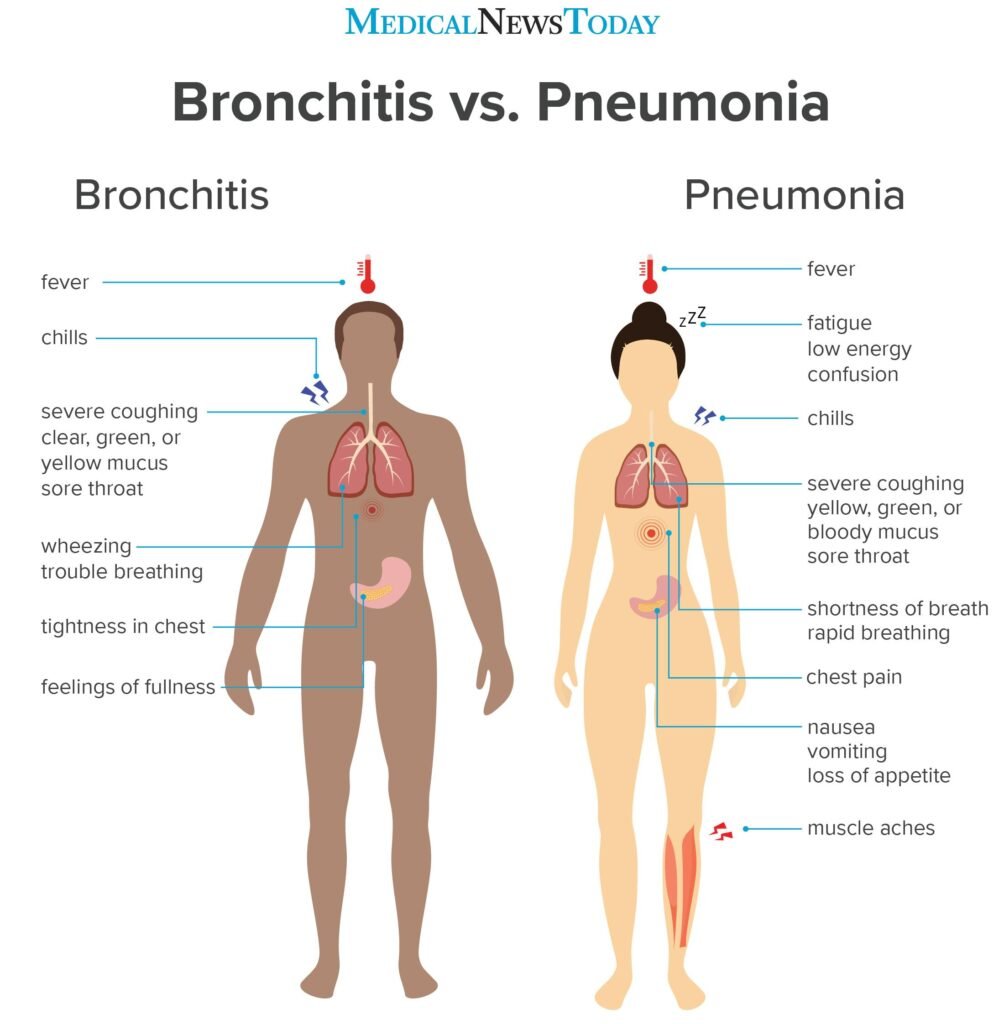
One of the most common symptoms of a chest infection is a persistent cough. This cough may produce phlegm or mucus and can last for several weeks. It is often accompanied by a feeling of tightness or congestion in the chest.
Shortness of Breath
Shortness of breath, also known as dyspnea, is another common symptom of a chest infection. You may experience difficulty breathing or a sensation of not getting enough air. This can be particularly concerning if it worsens or becomes more severe over time.
Chest Pain
Chest pain is a symptom that should not be ignored, as it can indicate a more serious chest infection or potentially other conditions such as pneumonia or a lung abscess. Chest pain can range from mild to severe and may be accompanied by a persistent cough or difficulty breathing.
Fever and Chills
Fever and chills are often present in cases of chest infections. An increased body temperature is the body’s natural response to an infection, as it helps to fight off bacteria and viruses. If your fever persists or becomes increasingly high, it is important to seek medical attention.
Production of Phlegm
An increase in the production of phlegm or mucus is another common symptom of a chest infection. The phlegm may be yellow or green in color and may have a thick consistency. This is the body’s way of clearing the airways of irritants or infectious agents.
When to Monitor Symptoms at Home
In many cases, mild symptoms of a chest infection can be managed at home with rest and self-care measures. However, it is important to monitor your symptoms closely and seek medical advice if they worsen or persist.
Mild Symptoms
If you have mild symptoms such as a mild cough, low-grade fever, or mild shortness of breath, you can try managing them at home. Resting, staying hydrated, and avoiding irritants such as smoke or allergens can help alleviate symptoms. However, if these symptoms worsen or persist for more than a week, it is best to consult a healthcare professional.
Improvement over Time
If you notice gradual improvement in your symptoms over time, such as a decrease in coughing, improved breathing, and a reduction in fever, it is a positive sign. However, if your symptoms plateau or worsen after a few days of improvement, it is advisable to seek medical advice.
When to Seek Medical Advice
While some chest infections can be managed at home, there are instances when medical advice should be sought. It is important to be aware of the signs and symptoms that indicate a more serious condition.
Symptoms Worsen
If your symptoms worsen despite home remedies or self-care measures, it is a clear indicator that you should seek medical advice. This includes an increase in coughing, shortness of breath, or chest pain.
Difficulty Breathing
If you are experiencing severe difficulty breathing, such as gasping for breath or feeling like you cannot get enough air, it is crucial to seek medical attention immediately. This can be a sign of a severe chest infection or a complication such as pneumonia.
Chest Pain Increases
Chest pain that becomes more intense or severe should never be ignored. It could be a sign of a more serious condition, such as an underlying lung issue or cardiac problem. Seeking medical advice is essential to determine the cause of the chest pain and provide appropriate treatment.
Persistent High Fever
If you have a persistent high fever that does not respond to over-the-counter fever-reducing medications, it is important to consult a healthcare professional. A persistent fever can indicate a more serious infection that may require medical intervention.
Seek Immediate Medical Attention for
Certain symptoms associated with a chest infection require immediate medical attention. It is important to recognize these signs and seek medical help promptly.
Severe Difficulty Breathing
If you are experiencing severe difficulty breathing, characterized by severe shortness of breath, extreme wheezing, or struggling to speak, it is essential to seek immediate medical attention. This can be a sign of a life-threatening condition that requires urgent intervention.
Coughing up Blood
Coughing up blood, known as hemoptysis, is a serious symptom that should never be ignored. It can indicate a severe underlying condition or pulmonary embolism. Seek immediate medical attention if you experience this symptom.
Chest Injury
If you sustain a chest injury, such as a fall or trauma, and experience symptoms of a chest infection, it is important to seek immediate medical attention. A chest injury can lead to complications such as a collapsed lung or internal bleeding, which require immediate medical intervention.
Presence of Underlying Conditions
If you have an underlying respiratory condition such as asthma or chronic obstructive pulmonary disease (COPD), you should seek immediate medical attention if you develop chest infection symptoms. These conditions can increase the risk of complications and may require specific treatment.
How to Decide Whether to Seek Medical Attention
Deciding whether to seek medical attention for a chest infection can be challenging. However, considering certain factors can help you make an informed decision.
Consideration of Symptoms
Evaluate the severity and duration of your symptoms. If your symptoms are mild and gradually improving with home remedies, it may be safe to continue monitoring them at home. On the other hand, if your symptoms worsen or persist despite self-care measures, it is advisable to seek medical advice.
Evaluation of Risk Factors
Take into account any underlying health conditions or risk factors that may increase your likelihood of developing complications from a chest infection. If you have a weakened immune system, are pregnant, or have pre-existing lung conditions, it is recommended to seek medical attention at the first sign of symptoms.

Diagnostic Tests for Chest Infections
To accurately diagnose a chest infection, healthcare professionals may perform various diagnostic tests. These tests can help identify the specific cause of the infection and guide appropriate treatment.
Physical Examination
During a physical examination, a healthcare provider will listen to your lungs using a stethoscope to assess your breathing and check for abnormal lung sounds. They may also examine your throat, chest, and oxygen levels to gather more information about the infection.
Chest X-ray
A chest X-ray can provide detailed images of your lungs, helping detect any abnormalities such as inflammation or fluid buildup. This imaging test can aid in diagnosing conditions such as pneumonia or a collapsed lung.
CT Scan
In certain cases, a healthcare provider may order a CT scan to obtain more detailed images of the lungs. This test can help identify the extent of the infection and detect any other potential complications.
Sputum Culture
A sputum culture involves collecting a sample of the phlegm or mucus produced during coughing. This sample is then analyzed in a laboratory to identify the specific bacteria or viruses causing the infection. This test can help determine the most appropriate antibiotic or antiviral treatment.
Blood Tests
Blood tests can provide valuable information about the body’s response to an infection. They can help identify the presence of antibodies or markers of inflammation, aiding in the diagnosis and management of a chest infection.
Treatment Options for Chest Infections
The treatment options for chest infections depend on the specific cause and severity of the infection. Below are some common treatment options that healthcare professionals may consider.
Antibiotics
If the chest infection is caused by bacteria, antibiotics may be prescribed to help eliminate the infection. It is important to take the prescribed antibiotics as directed and complete the full course, even if symptoms improve.
Antivirals
For chest infections caused by viral infections such as the flu, antiviral medications may be prescribed. These medications can help reduce the duration and severity of the infection.
Bronchodilators
Bronchodilators are medications that help relax the muscles in the airways, making it easier to breathe. They are commonly prescribed for individuals with chest infections who experience wheezing or bronchospasm.
Cough Medications
Cough medications, such as expectorants or cough suppressants, may be recommended to manage cough symptoms associated with a chest infection. These medications can help loosen mucus or suppress coughing to provide relief.
Pain Relievers
Over-the-counter pain relievers such as acetaminophen or non-steroidal anti-inflammatory drugs (NSAIDs) may be used to relieve chest pain or discomfort associated with a chest infection. It is important to follow the recommended dosage and consult a healthcare professional if you have specific concerns.
Home Remedies
In addition to medical treatments, certain home remedies can help manage the symptoms of a chest infection. These include staying hydrated, using a humidifier or steam inhalation, getting plenty of rest, and avoiding irritants such as smoke or strong odors.
Complications of Chest Infections
While most chest infections resolve with appropriate treatment, there is a risk of complications if left untreated or if the infection becomes severe. Some potential complications include the following:
Pneumonia
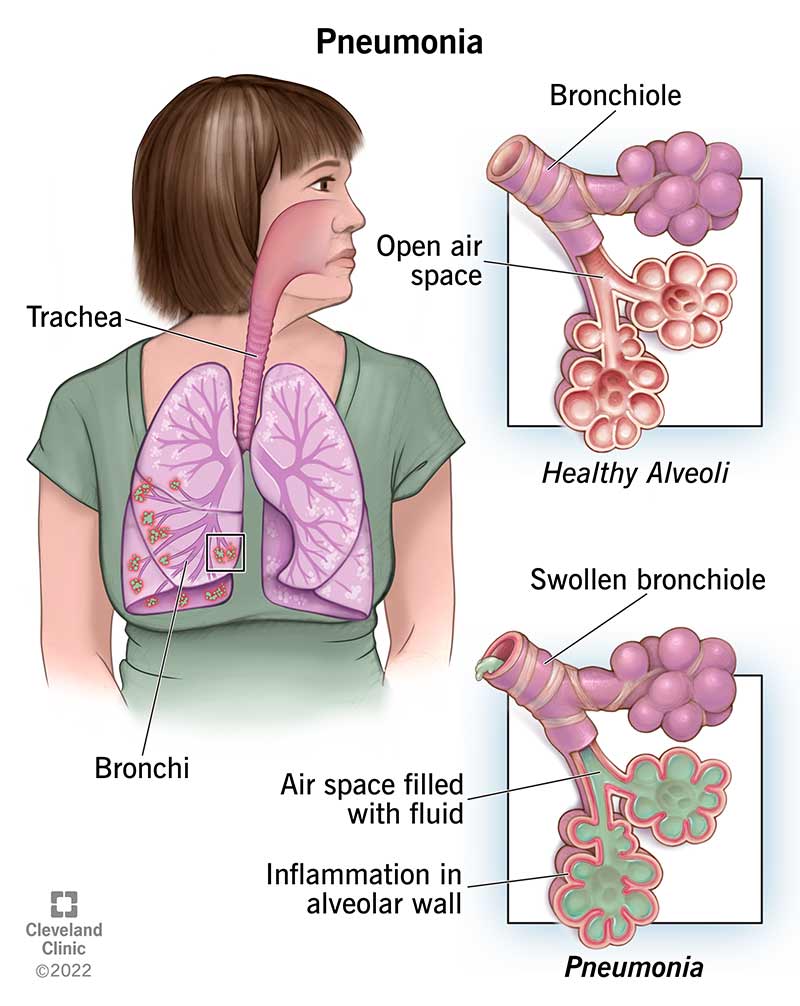
Pneumonia is a serious complication of chest infections that occurs when the infection spreads to the air sacs in the lungs. It can cause difficulty breathing, chest pain, and a high fever. Pneumonia requires immediate medical attention and may require hospitalization for treatment.
Lung Abscess
A lung abscess is a pocket of pus that forms in the lung tissue, usually as a result of a bacterial infection. It can cause symptoms such as fever, coughing up blood or foul-smelling sputum, and chest pain. Treatment typically involves a combination of antibiotics and drainage procedures.
Bronchiectasis
Bronchiectasis is a condition characterized by the widening and scarring of the bronchial tubes, which are the airways leading to the lungs. It can occur as a result of recurrent infections, including chest infections. Treatment may involve airway clearance techniques, medications, and sometimes surgery.
Prevention and Precautions
Preventing chest infections involves adopting certain precautions and maintaining good respiratory hygiene. Here are some preventive measures to consider:
Vaccination
Vaccines, such as the pneumococcal and influenza vaccines, can help prevent certain types of chest infections. It is important to stay up to date with recommended vaccinations and consult a healthcare professional for guidance.
Hand Hygiene
Practicing good hand hygiene is essential in preventing the spread of chest infections. Wash your hands regularly with soap and water for at least 20 seconds, especially after coughing or sneezing, or use a hand sanitizer that contains at least 60% alcohol.
Avoiding Close Contact
Avoid close contact with individuals who have respiratory infections, as they may be contagious. Maintain a safe distance, especially if they are coughing or sneezing, and encourage them to practice good respiratory hygiene.
Managing Underlying Conditions
If you have chronic respiratory conditions such as asthma or COPD, it is important to manage these conditions effectively to reduce the risk of chest infections. Follow your healthcare provider’s advice, take prescribed medications regularly, and attend regular check-ups.
In conclusion, a chest infection can cause various symptoms ranging from coughing and shortness of breath to chest pain and fever. While some mild symptoms can be managed at home, it is important to seek medical advice if symptoms worsen or persist. Diagnostic tests such as physical examinations, chest X-rays, and blood tests can help determine the cause and guide appropriate treatment. Treatment options may include antibiotics, antivirals, bronchodilators, and home remedies. Complications such as pneumonia, lung abscess, and bronchiectasis can occur if chest infections are left untreated. Prevention measures such as vaccination, hand hygiene, and managing underlying conditions are crucial in reducing the risk of chest infections. By understanding the signs and symptoms, seeking appropriate medical advice, and practicing preventive measures, you can effectively manage chest infections and protect your respiratory health.