
You’re likely here because you’re dealing with a persistent, frustrating skin concern that doesn’t seem to respond to your usual skincare routine. You’ve probably heard the term “hormonal acne” thrown around, but what does it actually mean? As your Listicle Content Architect (LCA), I’m here to break it down for you with clarity and actionable insights. This isn’t just another surface-level article; we’re going deep into the ‘why’ and ‘how’ of hormonal acne, empowering you with the knowledge you need to tackle it effectively. Get ready to understand your skin on a whole new level.
1. Defining Hormonal Acne: Beyond the Basics
Hormonal acne is a type of acne that is directly linked to fluctuations in your body’s hormone levels. It’s not just about oily skin or clogged pores; it’s about an intricate interplay of hormones that can trigger a specific type of breakout. While anyone can experience acne, hormonal acne often exhibits distinct patterns and tends to appear at specific times in life.
1.1 The Role of Hormones in Your Skin
To truly grasp hormonal acne, you need to understand the fundamental role hormones play in your body, and specifically, in your skin. Hormones are chemical messengers that regulate a vast array of bodily functions, from mood and metabolism to reproduction and, yes, skin health. In the context of acne, several key hormones are involved:
1.1.1 Androgens: The Usual Suspects
When we talk about hormonal acne, androgens are the primary culprits. These are often referred to as “male hormones,” but they are present in both men and women, albeit in different amounts.
- Testosterone: While men produce significantly more testosterone, women also have it, and it plays a role in a variety of functions, including bone health, mood, and libido. In the skin, testosterone can stimulate the sebaceous glands.
- DHEA (Dehydroepiandrosterone) and its sulfate form (DHEA-S): These are precursors to other hormones, including androgens. Adrenal glands produce DHEA-S, and its levels can fluctuate, contributing to acne.
- DHT (Dihydrotestosterone): This is a more potent androgen that is converted from testosterone. DHT has a strong affinity for hair follicles and sebaceous glands.
Your body’s androgen levels naturally fluctuate throughout your life, and these fluctuations can directly impact your skin.
1.1.2 Estrogen: The Balancing Act
Estrogen, often considered the primary “female hormone,” plays a crucial role in balancing the effects of androgens.
- Estrogen’s Protective Properties: Estrogen has a generally beneficial effect on the skin. It can help to reduce inflammation and can even decrease sebum production by inhibiting the production of androgens and by acting as an antagonist to androgen receptors. When estrogen levels are high and balanced with androgens, your skin typically appears clearer.
- Estrogen Fluctuations: The significant shifts in estrogen levels throughout a woman’s life – during puberty, menstruation, pregnancy, and menopause – are precisely why hormonal acne is more prevalent and recognized in women.
1.1.3 Progesterone: The Secondary Player
Progesterone is another key hormone in the female reproductive cycle.
- Progesterone’s Shifting Influence: While progesterone on its own doesn’t directly cause acne, its interaction with other hormones can be significant. During the luteal phase of the menstrual cycle (after ovulation and before menstruation), progesterone levels rise. In some individuals, higher levels of progesterone can increase sebum production and clog pores, leading to breakouts. It’s also thought that progesterone might increase the skin’s sensitivity to androgens.
1.2 How Hormonal Fluctuations Lead to Acne
The link between hormonal fluctuations and acne lies in how these hormones interact with your skin’s natural processes.
- Increased Sebum Production: Androgens, particularly testosterone and DHT, are the primary drivers of increased sebum production. Sebum is the oily substance produced by your sebaceous glands. While essential for keeping your skin moisturized and protected, excessive sebum can clog pores.
- Follicular Hyperkeratinization: Hormonal shifts can also affect the rate at which skin cells shed. Instead of shedding normally, skin cells can clump together and mix with excess sebum, forming a plug within the hair follicle. This is known as follicular hyperkeratinization.
- Bacterial Proliferation: The P. acnes bacteria (now more commonly referred to as Cutibacterium acnes) thrives in clogged pores with excess sebum. As these bacteria multiply, they trigger inflammation.
- Inflammation: The body’s immune response to the bacteria and the presence of clogged pores leads to inflammation, resulting in the redness, swelling, and pain associated with acne lesions.
1.3 Differentiating Hormonal Acne from Other Types
It’s crucial to distinguish hormonal acne from other acne presentations. While the underlying acne mechanism (clogged pores, bacteria, inflammation) is similar, the trigger and pattern are key differentiators.
- Timing is Everything: Hormonal acne often follows predictable patterns related to the menstrual cycle in women.
- Location Matters: Hormonal acne tends to manifest in specific areas, often along the jawline, chin, and neck.
- Lesion Type: Hormonal acne often presents as deep, painful cysts and nodules, in addition to blackheads and whiteheads.
2. Identifying the Signs: Is it Hormonal Acne?

Recognizing hormonal acne can be a significant step towards finding the right treatment. Look for these tell-tale signs which are often consistent with hormonal influences.
2.1 The Characteristic Breakout Patterns
One of the most significant indicators of hormonal acne is its predictable pattern.
- Jawline and Chin Dominance: You’ll likely notice breakouts that are concentrated along your lower face, particularly your jawline, chin, and neck. This area is highly sensitive to androgen activity.
- Monthly Cycles: For women, breakouts often appear or worsen in the week leading up to their menstrual period and may improve shortly after menstruation begins. This is directly linked to the ebb and flow of estrogen and progesterone.
- Recurring Nature: Hormonal acne tends to be persistent. You might experience clear periods, followed by recurring breakouts that seem to defy your best skincare efforts.
2.2 The Types of Lesions
The appearance of your acne can also provide clues about its hormonal origin.
- Deep, Painful Cysts and Nodules: These are a hallmark of hormonal acne. Unlike superficial pimples, these are deeper, often inflamed, and can be quite painful to the touch. They may not always come to a head and can linger for weeks.
- Inflamed Red Bumps: Alongside cysts, you might also experience a significant number of inflamed, red bumps that are tender but perhaps not as deep as true cysts.
- Blackheads and Whiteheads: While less common as the primary presentation, hormonal acne can also involve traditional blackheads and whiteheads, especially in conjunction with the more serious lesions.
2.3 Other Contributing Factors to Consider
While hormones are the primary driver, other factors can exacerbate hormonal acne.
- Stress: Stress triggers the release of cortisol, a hormone that can indirectly stimulate androgen production, thus worsening hormonal acne. You might notice your skin flares up during particularly stressful periods.
- Diet: While the direct link between diet and hormonal acne is still being researched, some individuals report that certain foods, like dairy or high-glycemic index foods, can trigger or worsen their breakouts. This is thought to be related to insulin-like growth factor 1 (IGF-1), which can stimulate sebum production.
- Genetics: If your parents or close relatives experienced hormonal acne, you may be more predisposed to it due to genetic factors that influence hormone sensitivity and production.
3. Who is Affected by Hormonal Acne?
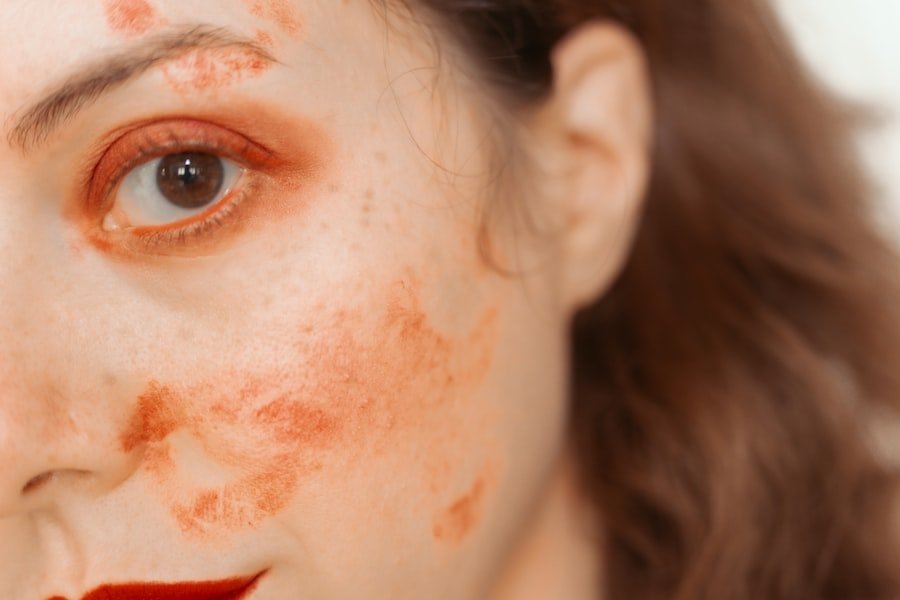
While hormonal acne can technically affect anyone, certain groups are more prone to experiencing it due to their unique hormonal landscapes.
3.1 Women: The Primary Demographic
Women are far more likely to experience hormonal acne due to the significant hormonal shifts they undergo throughout their lives.
- Puberty: As estrogen and progesterone levels start to fluctuate and androgens become more active, many teenage girls and young women experience their first bouts of hormonal acne.
- Menstrual Cycle: The monthly hormonal changes associated with menstruation are a primary trigger for many women.
- Pregnancy: During pregnancy, hormone levels shift dramatically. While some women see their acne improve, others experience significant flare-ups.
- Postpartum: After childbirth, hormone levels plummet, which can lead to a rebound effect and the onset or worsening of acne.
- Menopause: As estrogen levels decline during perimenopause and menopause, the balance shifts, and some women find that hormonal acne emerges or re-emerges during this stage.
3.2 Men: Less Common, But Possible
While less common, men can also experience hormonal acne, though the underlying causes and timing might differ.
- Androgen Sensitivity: In men, hormonal acne is often linked to increased sensitivity to androgens, even if their absolute levels aren’t excessively high.
- Lifestyle Factors: Stress, diet, and certain medications can influence androgen levels and sensitivity in men, contributing to acne.
- Underlying Medical Conditions: In rare cases, hormonal acne in men can be a sign of an underlying medical condition affecting hormone production or regulation.
3.3 Teenagers: A Common Culprit
The hormonal roller coaster of adolescence makes teenagers particularly susceptible to hormonal acne.
- Increased Androgen Production: During puberty, both boys and girls experience a surge in androgen production, which can lead to increased sebum and subsequent breakouts.
- Developing Hormonal Balance: For many teenagers, it takes time for their hormones to find a stable equilibrium, leading to persistent acne during these formative years.
4. The Hormonal Acne Treatment Landscape
| Category | Information |
|---|---|
| Definition | Hormonal acne is a type of acne that is linked to hormonal fluctuations in the body, particularly an increase in androgens. |
| Cause | Increased androgen levels can lead to excess oil production, clogged pores, and inflammation, resulting in hormonal acne. |
| Location | Hormonal acne commonly appears on the lower part of the face, including the chin, jawline, and neck. |
| Treatment | Treatment options for hormonal acne may include topical or oral medications, hormone therapy, and lifestyle changes. |
| Prevention | Preventing hormonal acne may involve managing stress, maintaining a healthy diet, and using non-comedogenic skincare products. |
Understanding that your acne is hormonal is a game-changer because it means you often need treatments that target the hormonal imbalance, not just topical solutions.
4.1 Topical Treatments: Supporting Roles
While not always the primary solution for hormonal acne, topical treatments can complement more targeted therapies.
- Retinoids (Tretinoin, Adapalene, Tazarotene): These vitamin A derivatives are excellent for hormonal acne because they help to normalize skin cell turnover, preventing pores from becoming clogged. They also have anti-inflammatory properties. Prescription-strength retinoids are often more effective.
- Benzoyl Peroxide: This is a powerful antibacterial agent that can help kill C. acnes bacteria and reduce inflammation. It’s often used in lower concentrations to avoid irritation when combined with other treatments.
- Salicylic Acid: A beta-hydroxy acid (BHA), salicylic acid is oil-soluble, allowing it to penetrate pores and exfoliate from within, helping to clear blockages.
- Antibiotics (Topical): Clindamycin and erythromycin are sometimes prescribed topically. They work by reducing bacteria and inflammation but are often used in conjunction with other treatments to prevent antibiotic resistance.
4.2 Oral Medications: Targeting the Root Cause
For moderate to severe hormonal acne, oral medications are often the most effective treatment.
- Oral Contraceptives (Birth Control Pills): For women, certain birth control pills are a cornerstone of hormonal acne treatment. They work by suppressing androgen production and increasing sex hormone-binding globulin (SHBG), which binds to and inactivates androgens. Not all birth control pills are created equal for acne; look for those with anti-androgenic progestins.
- Spironolactone: This is a prescription medication that has anti-androgenic effects. It blocks androgen receptors in the skin, reducing sebum production and inflammation. It’s a highly effective option for women with hormonal acne.
- Oral Antibiotics: In cases of severe inflammation, oral antibiotics like doxycycline or minocycline may be prescribed for a limited time to reduce bacteria and inflammation. However, they don’t address the hormonal root cause and are usually used as a bridge to other treatments.
- Isotretinoin (Accutane): This powerful oral retinoid is reserved for severe, recalcitrant acne, including cystic hormonal acne. It significantly reduces sebum production, prevents clogged pores, and reduces inflammation. Due to its potential side effects, it requires strict medical supervision.
4.3 Lifestyle and Dietary Adjustments: Supportive Strategies
While medical treatments are often necessary, lifestyle and dietary changes can significantly support your journey to clearer skin.
- Stress Management: Implementing stress-reducing techniques like meditation, yoga, deep breathing exercises, or regular physical activity can help regulate cortisol levels and indirectly improve acne.
- Dietary Considerations: Pay attention to your body. If you notice certain foods trigger your breakouts (e.g., dairy, high-sugar foods), consider reducing your intake or eliminating them to see if it makes a difference. Consult with a registered dietitian for personalized advice.
- Gentle Skincare Routine: Avoid harsh scrubbing or over-cleansing, which can irritate the skin and worsen inflammation. Opt for gentle, non-comedogenic cleansers and moisturizers.
5. When to Seek Professional Help
Hormonal acne can be persistent and emotionally taxing. Knowing when to consult a professional is key to getting effective treatment and support.
5.1 The Limitations of Over-the-Counter Solutions
While OTC products can be helpful for mild acne, they often fall short for hormonal acne.
- Addressing the Symptom, Not the Cause: Over-the-counter treatments typically focus on exfoliating dead skin cells, killing bacteria, or reducing inflammation on the surface. They do not address the underlying hormonal imbalance that is driving the breakouts.
- Frustration and Delayed Progress: Relying solely on OTCs for hormonal acne can lead to frustration, wasted money, and a prolonged period of suffering with compromised skin.
5.2 Consulting a Dermatologist: Your Best Ally
A dermatologist is your primary resource for managing hormonal acne.
- Accurate Diagnosis: They can accurately diagnose hormonal acne based on your history, breakout patterns, and potentially blood tests if an underlying endocrine issue is suspected.
- Personalized Treatment Plans: Dermatologists can prescribe the most effective treatments, including prescription topicals, oral medications like birth control pills or spironolactone, and in severe cases, isotretinoin.
- Monitoring and Adjustments: They can monitor your progress, adjust your treatment plan as needed, and manage any potential side effects.
5.3 When to Consider an Endocrinologist or Gynecologist
In some cases, your hormonal acne might be linked to a broader endocrine or reproductive health issue.
- Suspected PCOS (Polycystic Ovary Syndrome): If you experience irregular periods, excessive facial hair growth, or have other symptoms of PCOS, a gynecologist or endocrinologist can evaluate your hormonal health.
- Other Endocrine Imbalances: If your dermatologist suspects other hormonal imbalances beyond the scope of typical acne treatment, they may refer you to an endocrinologist for further investigation.
- Hormone Replacement Therapy (HRT): For women experiencing hormonal acne related to menopause, HRT might be considered by a gynecologist or endocrinologist, which can sometimes improve acne.
By understanding the nuances of hormonal acne, you’re already on the path to clearer, healthier skin. Remember, this is a journey, and with the right knowledge and professional guidance, you can effectively manage and overcome these persistent breakouts.
FAQs
What is hormonal acne?
Hormonal acne is a type of acne that is primarily caused by fluctuations in hormone levels, particularly an increase in androgens such as testosterone. This can lead to an overproduction of sebum, which can clog pores and result in acne breakouts.
What are the common symptoms of hormonal acne?
Common symptoms of hormonal acne include deep, cystic pimples, particularly along the jawline, chin, and lower cheeks. These breakouts may also coincide with the menstrual cycle in women, and can be more persistent and difficult to treat than other types of acne.
Who is most at risk for hormonal acne?
Hormonal acne is most commonly experienced by teenagers going through puberty, women experiencing hormonal fluctuations during their menstrual cycle, pregnancy, or menopause, and individuals with certain medical conditions that affect hormone levels.
How is hormonal acne treated?
Treatment for hormonal acne may include topical treatments such as retinoids or benzoyl peroxide, oral medications such as birth control pills or spironolactone, and lifestyle changes such as managing stress and maintaining a healthy diet.
When should I see a doctor about hormonal acne?
If over-the-counter treatments are not effective in managing hormonal acne, or if the acne is causing emotional distress or scarring, it is recommended to see a dermatologist for further evaluation and treatment options.