
Allergies are a common health concern that affects millions of people worldwide. They occur when your immune system reacts to a substance, known as an allergen, that is typically harmless. Common allergens include pollen, dust mites, pet dander, and certain foods.
When you come into contact with these allergens, your body may produce an exaggerated immune response, leading to symptoms such as sneezing, itching, and inflammation. Understanding the nature of your allergies is crucial in managing them effectively, and this is where the role of natural remedies, such as tea, comes into play. Tea has been consumed for centuries not only for its delightful flavors but also for its potential health benefits.
Many varieties of tea contain compounds that may help alleviate allergy symptoms. The soothing warmth of a cup of tea can provide comfort during allergy season, while its natural ingredients may offer relief from the discomfort associated with allergic reactions. By exploring the relationship between tea and allergies, you can discover how certain types of tea can support your immune system and help you navigate allergy season with greater ease.
Key Takeaways
- Understanding Allergies and Tea:
- Tea can help alleviate allergy symptoms due to its anti-inflammatory and antioxidant properties.
- Benefits of Drinking Tea for Allergies:
- Drinking tea can help reduce inflammation and boost the immune system, which can alleviate allergy symptoms.
- Types of Tea for Allergies:
- Green tea, nettle tea, peppermint tea, and chamomile tea are all beneficial for managing allergies.
- Green Tea for Allergies:
- Green tea contains catechins, which have anti-allergic properties and can help reduce allergy symptoms.
- Nettle Tea for Allergies:
- Nettle tea can act as a natural antihistamine and help relieve allergy symptoms such as sneezing and itching.
Benefits of Drinking Tea for Allergies
Reducing Inflammation
Tea’s anti-inflammatory properties can help alleviate allergic reactions. Many teas contain antioxidants and other compounds that can reduce inflammation in the body, a significant factor in allergic reactions.
Natural Antihistamine PropertiesStaying Hydrated and Healthy
Staying hydrated is crucial during allergy season, and tea can contribute to your daily fluid intake while offering additional health benefits. By incorporating tea into your daily routine, you may find that your symptoms become more manageable, allowing you to enjoy life without the constant burden of allergies.
Types of Tea for Allergies
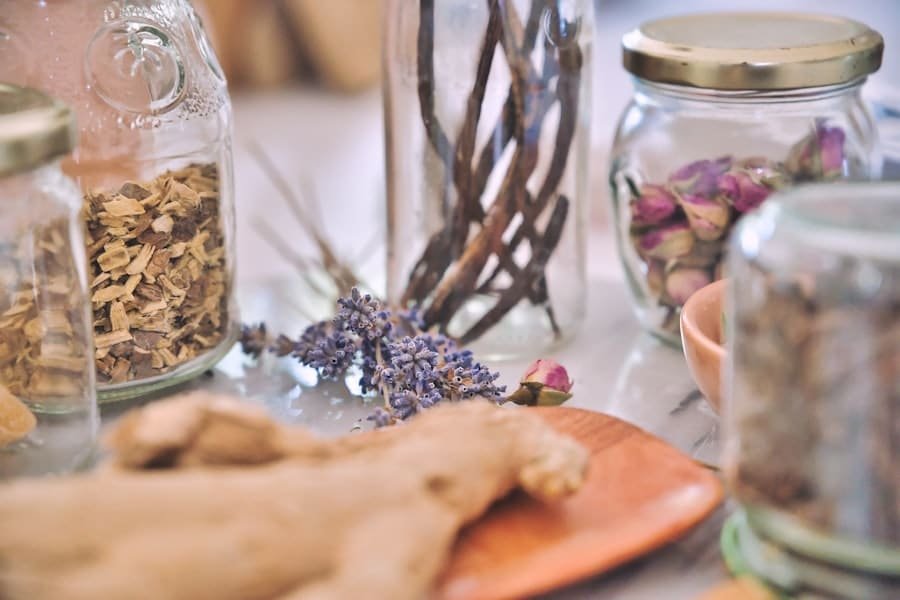
When it comes to choosing the right tea for allergies, you have a plethora of options at your disposal. Each type of tea offers unique properties that can help alleviate different symptoms associated with allergies. Herbal teas, in particular, are often favored for their natural ingredients and lack of caffeine, making them suitable for those who are sensitive to stimulants.
Green tea, nettle tea, peppermint tea, and chamomile tea are among the most popular choices for allergy relief. As you explore these various types of tea, consider your specific allergy symptoms and preferences. Some teas may be more effective for nasal congestion, while others might help soothe itchy eyes or skin irritations.
By understanding the unique benefits of each type of tea, you can tailor your choices to best suit your needs and enhance your overall well-being during allergy season.
Green Tea for Allergies
Green tea is renowned for its numerous health benefits, making it a popular choice among those seeking relief from allergies. Rich in antioxidants known as catechins, green tea has been shown to possess anti-inflammatory properties that can help reduce swelling and irritation caused by allergic reactions. By drinking green tea regularly, you may find that your body is better equipped to combat the effects of allergens.
Moreover, green tea contains a compound called epigallocatechin gallate (EGCG), which has been studied for its potential to inhibit the production of histamines. This means that sipping on green tea could help alleviate symptoms such as sneezing and nasal congestion. Additionally, the calming ritual of preparing and enjoying a cup of green tea can provide a moment of relaxation amidst the chaos of allergy season, further supporting your overall well-being.
Nettle Tea for Allergies
Nettle tea is another excellent option for those looking to manage their allergy symptoms naturally. Nettle is known for its antihistamine properties, making it particularly effective in alleviating symptoms associated with hay fever and other seasonal allergies. When you brew a cup of nettle tea, you are harnessing the power of this remarkable plant to help combat the effects of allergens in your environment.
In addition to its antihistamine effects, nettle tea is rich in vitamins and minerals that can support your immune system. By incorporating nettle tea into your daily routine, you may find that your body becomes more resilient against allergens over time. The earthy flavor of nettle tea can be quite pleasant when enjoyed hot or iced, making it a versatile choice for any time of year.
Peppermint Tea for Allergies
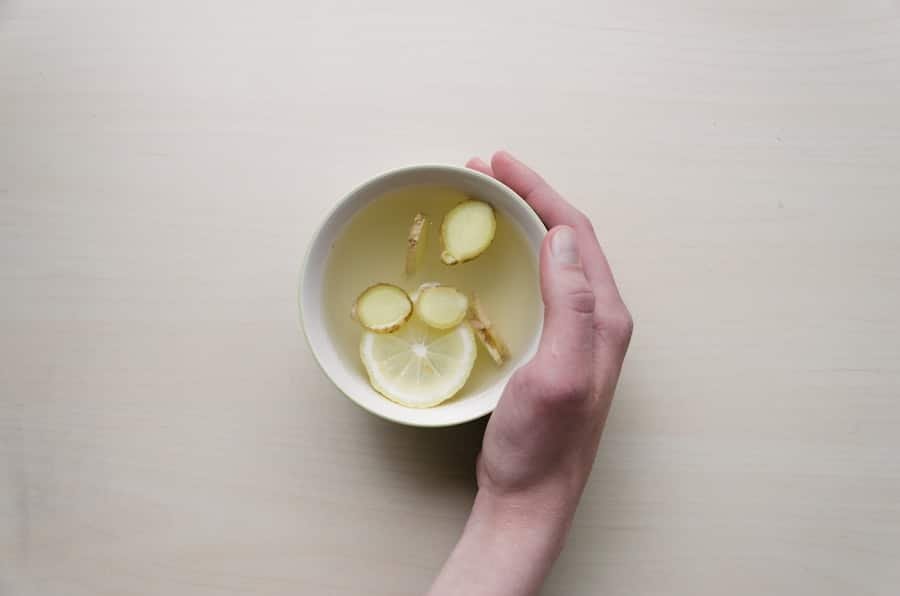
Peppermint tea is not only refreshing but also offers several benefits for those dealing with allergies. The menthol in peppermint has natural decongestant properties that can help open up your airways and relieve nasal congestion. If you find yourself struggling to breathe easily during allergy season, a warm cup of peppermint tea may provide the relief you need.
Furthermore, peppermint tea can soothe an upset stomach or digestive discomfort that sometimes accompanies allergic reactions. The calming effects of peppermint can help ease tension and promote relaxation, making it an ideal choice when you’re feeling overwhelmed by allergy symptoms. Whether enjoyed hot or cold, peppermint tea can be a delightful addition to your arsenal against allergies.
Chamomile Tea for Allergies
Chamomile tea is well-known for its calming effects and is often used as a natural remedy for various ailments. When it comes to allergies, chamomile’s anti-inflammatory properties can help reduce swelling and irritation in the body. Drinking chamomile tea may provide relief from symptoms such as itchy eyes and skin rashes associated with allergic reactions.
In addition to its physical benefits, chamomile tea can also promote relaxation and improve sleep quality. This is particularly important during allergy season when discomfort may disrupt your rest. By incorporating chamomile tea into your evening routine, you can create a soothing ritual that not only helps alleviate allergy symptoms but also supports your overall well-being.
Choosing the Best Tea for Allergies
As you navigate the world of allergies, incorporating tea into your daily routine can be a simple yet effective way to find relief from symptoms. With various options available—such as green tea, nettle tea, peppermint tea, and chamomile tea—you have the flexibility to choose what works best for you based on your specific needs and preferences. Each type of tea offers unique benefits that can help alleviate different aspects of allergic reactions.
Ultimately, the best approach is to experiment with different teas and observe how they affect your symptoms. You may find that a combination of teas works best for you or that certain varieties are more effective during specific times of the year. By taking charge of your health and exploring natural remedies like tea, you can empower yourself to manage your allergies more effectively and enjoy life to the fullest.
So go ahead—brew yourself a cup and savor the soothing benefits that nature has to offer!
FAQs
What are the best teas for allergies?
Some of the best teas for allergies include green tea, rooibos tea, and peppermint tea. These teas contain compounds that may help alleviate allergy symptoms.
How does green tea help with allergies?
Green tea contains antioxidants called catechins, which have anti-inflammatory and antihistamine properties that may help reduce allergy symptoms.
What is rooibos tea and how does it help with allergies?
Rooibos tea is a herbal tea made from the leaves of the rooibos plant. It contains quercetin, a natural antihistamine that may help alleviate allergy symptoms.
How does peppermint tea help with allergies?
Peppermint tea contains menthol, which has decongestant properties that may help relieve nasal congestion and other allergy symptoms.
Are there any teas to avoid for allergies?
Some people may be sensitive to certain herbal teas, such as chamomile or echinacea, which could potentially exacerbate allergy symptoms. It’s important to be aware of any personal sensitivities or allergies to specific ingredients in teas.