Imagine a world where the health and well-being of humans and animals are interconnected. A world where diseases can jump from animals to humans with alarming ease, posing significant challenges for both the medical and veterinary communities. This is the reality of zoonotic disease outbreaks. In this article, we will explore the unique challenges faced during these outbreaks and discuss potential solutions to protect both human and animal populations. From improving surveillance systems to promoting interdisciplinary collaboration, join us as we navigate the complex world of zoonosis diseases and uncover strategies to combat these threats.

Challenges in Zoonosis Disease Outbreaks
Emergence of new zoonotic diseases
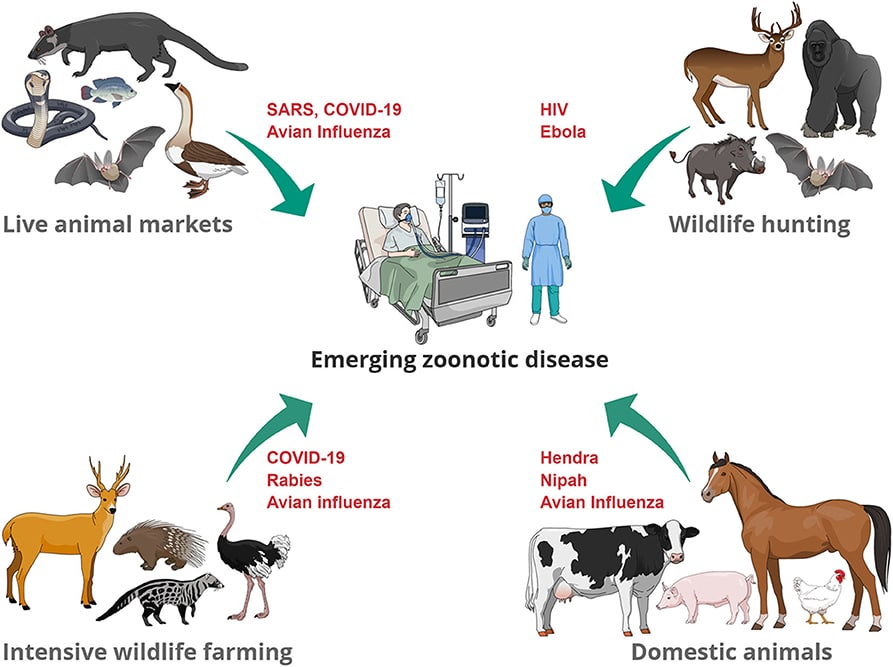
The emergence of new zoonotic diseases poses a significant challenge in preventing and controlling outbreaks. As ecosystems change and human populations expand into previously untouched habitats, there is an increased risk of spillover events, where pathogens cross the species barrier from animals to humans. Factors such as deforestation, urbanization, and wildlife trade all contribute to the potential for the emergence of new zoonotic diseases. Identifying and understanding these diseases early on is crucial for effective response and prevention.
Spread and transmission of zoonotic diseases
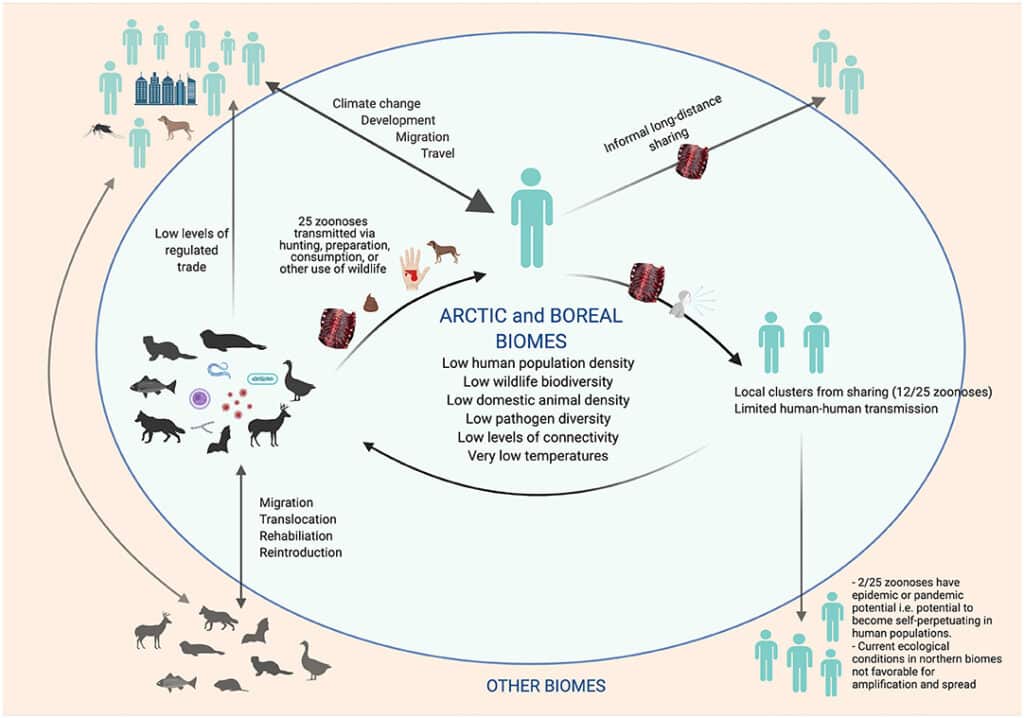
Once a zoonotic disease emerges, the spread and transmission from animals to humans, and between humans, can be rapid and complex. Animal-human interactions, such as direct contact, consumption of contaminated food, and exposure to infected bodily fluids, play a vital role in disease transmission. Additionally, factors like international travel, globalization, and climate change can facilitate the worldwide spread of zoonotic diseases. Understanding and mitigating the mechanisms of transmission is essential in controlling outbreaks and preventing further transmission.
Lack of surveillance and early detection
One of the major challenges in zoonosis disease outbreaks is the lack of comprehensive surveillance and early detection systems. Many countries, especially in resource-limited settings, struggle to establish effective surveillance mechanisms that can detect and monitor zoonotic diseases in both animals and humans. Early detection is crucial for initiating prompt response measures, such as quarantine, isolation, and treatment. Improving surveillance and early detection capabilities is pivotal in preventing and controlling the spread of zoonotic diseases.
Limited resources for prevention and control
Insufficient resources dedicated to the prevention and control of zoonotic diseases present a significant challenge. In many regions, limited funding, inadequate healthcare infrastructure, and scarcity of trained professionals hinder the implementation of effective prevention strategies and timely response measures. Without adequate resources, it becomes challenging to undertake necessary research, surveillance, public health interventions, and capacity-building initiatives. Addressing this resource gap is crucial for mitigating the impact of zoonotic disease outbreaks.
Complexity of zoonotic disease dynamics
The dynamics of zoonotic diseases are often complex and multifactorial, making their control and prevention challenging. Understanding the interplay between various factors, such as the pathogen, reservoir hosts, vectors, and human behavior, is crucial in effectively managing outbreaks. Zoonotic diseases can have multiple routes of transmission, diverse hosts, and varying levels of pathogenicity. This complexity demands interdisciplinary approaches and collaboration between medical, veterinary, and environmental professionals to develop comprehensive strategies to combat these diseases.
Impacts on human health and economies
Zoonotic diseases not only pose a threat to human health but also have significant impacts on economies. Outbreaks can strain healthcare systems, disrupt societies, and devastate local economies, particularly in regions heavily dependent on agriculture, tourism, or wildlife trade. The financial burden of treating infected individuals, implementing control measures, and the potential loss of productivity can have a long-lasting negative impact on communities. Recognizing the health and economic consequences of zoonotic diseases is essential in advocating for proactive measures and adequate investments in prevention and control.
Barriers to effective collaboration and coordination
Effective collaboration and coordination among various stakeholders, such as governments, international organizations, researchers, healthcare providers, and community leaders, are crucial in responding to zoonotic disease outbreaks. However, barriers such as lack of communication, fragmented disease surveillance systems, and differing priorities and responsibilities can hinder collaborative efforts. Breaking down these barriers and establishing efficient communication channels is vital to ensure a coordinated and timely response to outbreaks.
Societal and cultural challenges
Societal and cultural challenges can complicate the prevention and control of zoonotic diseases. Practices that involve close contact with animals, such as wildlife farming, bushmeat consumption, and traditional healing rituals, can contribute to the transmission of diseases. Cultural beliefs, attitudes, and practices may hinder the adoption of preventive measures or compliance with public health recommendations. Addressing these societal and cultural challenges through community engagement, education, and awareness campaigns is crucial in preventing and controlling zoonotic disease outbreaks.
Climate change and zoonotic disease
Climate change plays a significant role in the spread and impact of zoonotic diseases. Shifts in temperature, rainfall patterns, and ecological disruptions can affect the distribution of disease vectors and the behavior of reservoir hosts. As a result, zoonotic diseases may emerge in new areas or increase in prevalence, posing risks to previously unaffected populations. Adapting to the changing climatic conditions, implementing climate-resilient practices, and integrating climate change considerations into disease prevention strategies are essential in mitigating the impact of zoonotic diseases in a rapidly changing world.
Animal agriculture and zoonosis
Animal agriculture, particularly intensive farming practices, can contribute to the emergence and transmission of zoonotic diseases. Dense populations of livestock and close proximity to humans create opportunities for the spillover of pathogens. Inadequate biosecurity measures, overuse of antibiotics, and the high market demand for animal products further compound the risks. Implementing sustainable and responsible livestock production practices, promoting animal welfare, and ensuring food safety standards are critical in reducing the risk of zoonotic disease transmission.
Solutions for Zoonosis Disease Outbreaks
Improved animal and human surveillance systems
Enhancing animal and human surveillance systems is crucial in early detection, rapid response, and prevention of zoonotic disease outbreaks. Strengthening surveillance capacities, particularly in high-risk areas and at points of entry, enables the timely identification of potential threats and enables quick interventions. Coordinated efforts between veterinary and public health agencies, along with the use of innovative technologies, can greatly improve disease surveillance, monitoring, and reporting systems.
Enhanced collaboration between sectors
Promoting collaboration and coordination between sectors is essential in addressing the multifaceted challenges of zoonotic disease outbreaks. By fostering partnerships between government agencies, researchers, healthcare providers, and other stakeholders, a comprehensive and multidisciplinary approach can be adopted. Sharing knowledge, expertise, and resources ensures a more effective response to outbreaks, facilitates data sharing, and promotes the development of integrated prevention and control strategies.
Early detection and rapid response
Early detection of zoonotic diseases is crucial for prompt response and control measures. Investing in laboratory capacity, diagnostic tools, and training healthcare providers in recognizing and reporting potential cases can significantly improve early detection. Rapid response teams, with the necessary expertise and resources, should be readily available to implement appropriate containment measures, conduct contact tracing, and provide necessary care and treatment to affected individuals.
Empowering local communities
Empowering local communities is vital in preventing and controlling zoonotic diseases. By engaging communities in disease surveillance, risk assessment, and behavior change campaigns, they become active stakeholders in disease prevention. Building trust, providing education, and involving community leaders in decision-making processes enhance the effectiveness of prevention and control measures. Empowering communities also facilitates the adoption of sustainable practices and responsible behaviors that reduce the risk of zoonotic disease transmission.
Vaccination and immunization programs
Vaccination and immunization programs play a crucial role in preventing zoonotic diseases. Developing effective vaccines against priority zoonotic pathogens, particularly those with pandemic potential, helps prevent both animal-to-human and human-to-human transmission. Widespread vaccination campaigns, especially in high-risk populations and animal reservoirs, can significantly reduce the burden of zoonotic diseases and prevent future outbreaks. Collaboration between veterinary and public health agencies is essential in ensuring the successful implementation of vaccination programs.
Public health and veterinary capacity building
Investing in public health and veterinary capacity building is essential for effective prevention and control of zoonotic diseases. Strengthening the healthcare workforce, improving laboratory infrastructure, and enhancing diagnostic capacities are crucial in early detection and response. Providing training, education, and resources to healthcare professionals, veterinarians, and laboratory technicians ensures the development of skilled personnel who can effectively manage zoonotic disease outbreaks and implement preventive measures.
One Health approach
Adopting a One Health approach is essential in addressing the interconnectedness of human, animal, and environmental health. By recognizing the interplay between these sectors, the One Health approach promotes collaboration, data sharing, and joint decision-making processes. This holistic approach not only improves disease surveillance and response capabilities but also addresses underlying factors such as habitat destruction, biodiversity loss, and climate change. Integrating the principles of One Health into policies and programs is crucial in preventing and controlling zoonotic disease outbreaks.
Improving hygiene practices
Promoting and improving hygiene practices is a fundamental aspect of preventing zoonotic diseases. Educating individuals about proper hand hygiene, food safety, and sanitation helps reduce the risk of pathogen transmission. Safe food handling practices, such as avoiding raw or undercooked animal products, and proper waste management can significantly reduce the chances of exposure to zoonotic pathogens. Implementing hygiene interventions at the community level, including access to clean water and sanitation facilities, is crucial for preventing disease transmission.
Effective risk communication
Effective risk communication is vital in ensuring public understanding of zoonotic diseases, their potential consequences, and preventive measures. Clear and accurate communication strategies should be developed to disseminate information to both affected communities and the general public. Providing easily understandable messages, utilizing multiple communication channels, and involving trusted local leaders enhance the uptake of recommended preventive measures. Transparent and timely communication builds public trust, encourages compliance, and reduces misinformation during zoonotic disease outbreaks.
Environmental management and control
Managing and controlling the environment is key in preventing and mitigating zoonotic disease outbreaks. Addressing factors such as deforestation, habitat destruction, and wildlife trade helps reduce the likelihood of contact between humans and animal reservoirs. Promoting conservation efforts, sustainable land use practices, and responsible wildlife management can minimize the risk of disease spillover events. Additionally, enhancing vector control measures, such as mosquito control programs, reduces the transmission of vector-borne zoonotic diseases.
In conclusion, addressing the challenges associated with zoonotic disease outbreaks requires a comprehensive and multidisciplinary approach. Improved surveillance systems, enhanced collaboration between sectors, early detection and rapid response, community empowerment, vaccination programs, capacity building, and a One Health approach are crucial in preventing and controlling these diseases. Additionally, promoting hygiene practices, effective risk communication, and environmental management are essential components of a comprehensive strategy to mitigate the impact of zoonotic diseases on human health and economies. By implementing these solutions, societies can better prepare for and respond to zoonotic disease outbreaks, ultimately safeguarding both human and animal populations.