
Imagine waking up one day and finding that your body is not responding the way it should. Your movements are slow and clumsy, and you struggle to maintain your balance. You ignore it, thinking it will go away, but the symptoms persist and even worsen over time. Suddenly, the simplest tasks become a challenge, and you begin to fear the unknown. This is the reality for individuals living with Multiple Sclerosis (MS), a chronic autoimmune disease that affects the central nervous system. In this article, we will explore the importance of early diagnosis in MS and how it can have a significant impact on the overall management and quality of life for those affected.

Understanding Multiple Sclerosis (MS)
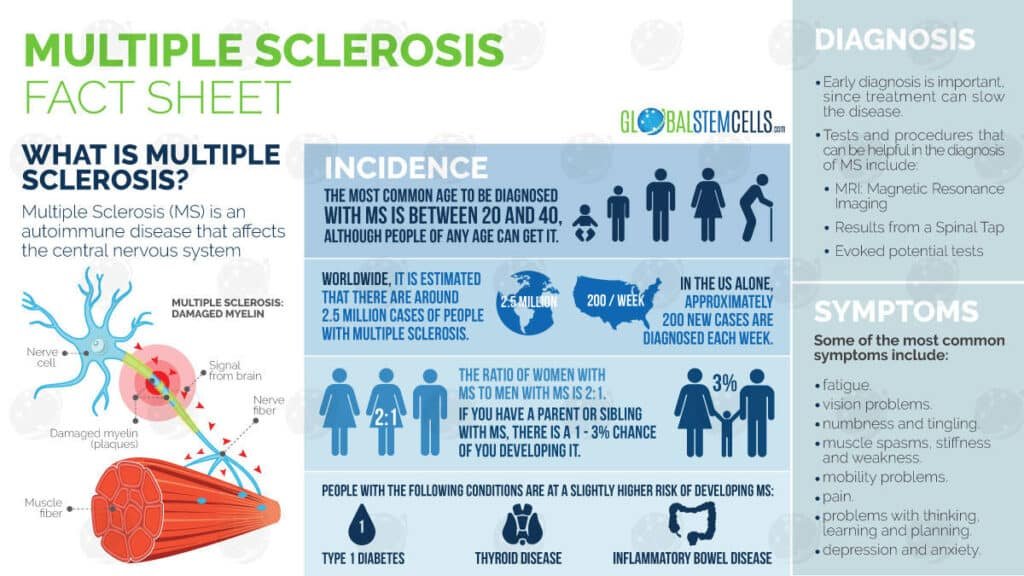
Multiple Sclerosis, commonly referred to as MS, is a chronic, autoimmune disease that affects the central nervous system. It is characterized by the body’s immune system mistakenly attacking the protective covering of nerve fibers, known as myelin, which leads to disruption in the communication between the brain and other parts of the body. As a result, individuals with MS may experience a wide range of symptoms, including difficulty walking, fatigue, numbness or tingling, muscle weakness, and problems with coordination and balance.
Prevalence and Impact of MS Globally
MS is a global health concern, affecting millions of individuals worldwide. According to the latest estimates by the Multiple Sclerosis International Federation (MSIF), there are approximately 2.8 million people living with MS globally. The prevalence of MS varies across different regions and populations, with the highest rates observed in North America and Europe. MS not only has a significant impact on the lives of individuals diagnosed with the disease but also places a substantial burden on healthcare systems and society as a whole.
Signs and Symptoms of Multiple Sclerosis
Common Early MS Symptoms
Early symptoms of MS can vary widely between individuals but often include fatigue, blurred vision, muscle stiffness or spasms, problems with coordination, and difficulties with balance. These symptoms may come and go, making it challenging to associate them with a specific cause. It is essential to note that experiencing these symptoms does not necessarily mean that an individual has MS, as they can also be a result of various other conditions. However, if these symptoms persist or worsen over time, it is advisable to seek medical attention for further evaluation.
Variability and Progressive Nature of Symptoms
One of the unique aspects of MS is the variability of symptoms, both in terms of the type and severity experienced by individuals. Some individuals may have mild and intermittent symptoms, while others may experience more severe manifestations that progress over time. The type and progression of symptoms depend on the area of the central nervous system affected by the disease. It is not uncommon for individuals with MS to have periods of remission, where symptoms improve or disappear, followed by relapses or flare-ups.
Diagnostic Process for Multiple Sclerosis
Initial Medical History and Physical Examination
The diagnostic process for MS typically begins with a thorough medical history and physical examination. Your healthcare provider will inquire about your symptoms, their frequency and duration, as well as any factors that may worsen or alleviate them. They will also perform a neurological examination to assess your reflexes, coordination, muscle strength, and sensory functions. This initial assessment serves as a baseline and aids in identifying potential underlying causes of your symptoms.
Diagnostic Tests and Criteria for MS
To confirm a diagnosis of MS, additional tests may be necessary. These might include magnetic resonance imaging (MRI) scans to evaluate the brain and spinal cord for any signs of damage or lesions, as well as a lumbar puncture to analyze the cerebrospinal fluid for abnormalities. The diagnosis of MS is based on specific criteria established by the International Panel on the Diagnosis of Multiple Sclerosis. These criteria take into account the presence of neurological symptoms, the distribution of lesions in the central nervous system, and the exclusion of alternative diagnoses.
Role of Neurologists and Other Specialists
Neurologists play a crucial role in the diagnosis and management of MS. These specialists have in-depth knowledge and expertise in disorders of the nervous system and are well-equipped to interpret the results of diagnostic tests and evaluate symptoms. Depending on your specific needs, your neurologist may collaborate with other healthcare professionals, such as radiologists, physical therapists, and occupational therapists, to develop a comprehensive treatment and management plan tailored to your condition.

Benefits of Early Diagnosis
Improved Treatment Outcomes
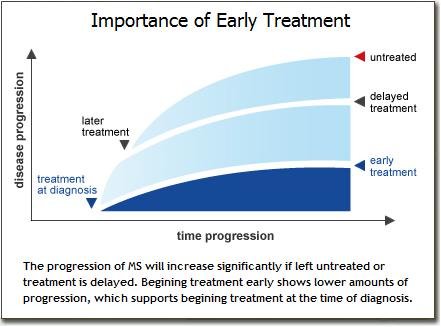
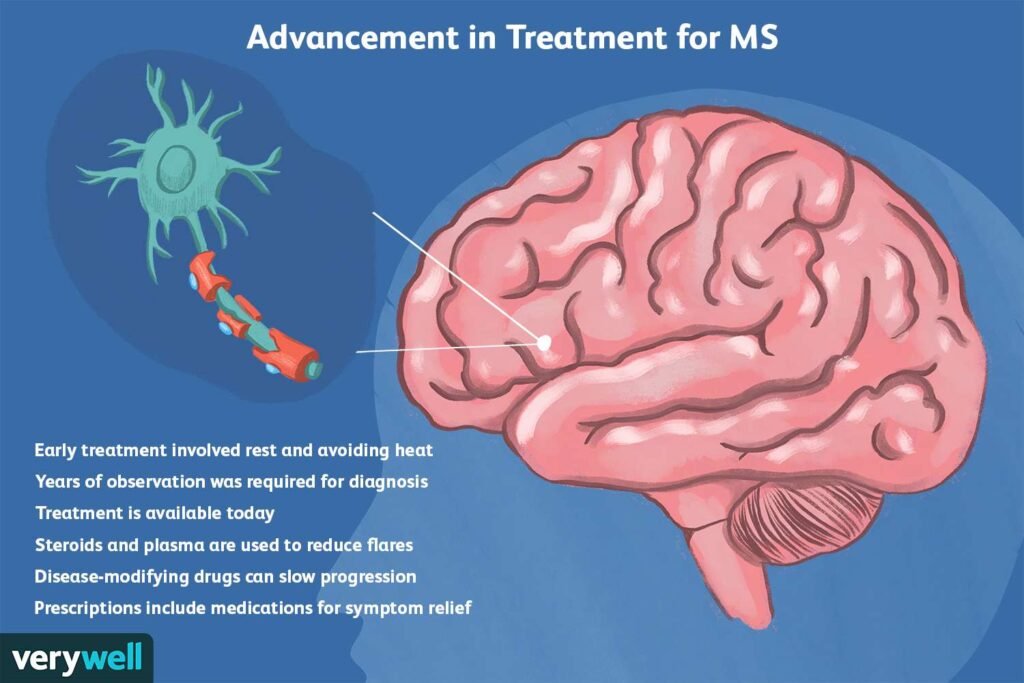
Early diagnosis of MS allows for timely initiation of treatment, which can significantly improve long-term outcomes. Disease-modifying therapies (DMTs) are available for individuals with MS and have been shown to reduce the frequency and severity of relapses, slow down the progression of disability, and improve overall quality of life. By diagnosing MS early and starting appropriate treatment promptly, individuals have a better chance of achieving optimal control over their symptoms and delaying disease progression.
Optimal Management of Symptoms
Another significant benefit of early diagnosis is the ability to implement strategies to manage and alleviate MS symptoms effectively. With early intervention, healthcare providers can work closely with patients to develop individualized treatment plans, including medication, physical therapy, occupational therapy, and lifestyle modifications. By addressing symptoms early and tailoring treatment approaches, individuals with MS can experience improved functioning, increased independence, and overall better quality of life.
Reduced Risk of Disability Progression
Research has shown that early and effective management of MS is associated with a reduced risk of disability progression. By diagnosing MS in its early stages and implementing appropriate treatment strategies, healthcare providers can help prevent or delay the development of irreversible nerve damage. This can have a profound impact on an individual’s ability to carry out daily activities, maintain employment, and participate in social and recreational activities. Early intervention is key to minimizing the long-term impact of MS on an individual’s quality of life.
Early Detection Tools and Techniques
Importance of Awareness and Self-Monitoring
Raising awareness about the early signs and symptoms of MS is crucial in facilitating early detection and diagnosis. By being aware of the potential indicators of MS, individuals can monitor their own health and seek medical attention promptly if they notice any ongoing or worsening symptoms. Regular self-monitoring and communication with healthcare providers can aid in the early detection of MS and allow for timely intervention, improving the overall management of the disease.
Advancements in Diagnostic Technologies
Advancements in medical technology have led to significant improvements in the early detection of MS. Magnetic resonance imaging (MRI) scans, for instance, have become invaluable in identifying characteristic signs of MS, such as the presence of lesions in the brain and spinal cord. These imaging techniques provide detailed images that allow healthcare providers to make accurate diagnoses and develop appropriate treatment plans. Continued advancements in diagnostic technologies hold promise in enhancing the early detection and management of MS.
Potential Biomarkers for Early Detection
Researchers are actively exploring potential biomarkers that could aid in the early detection of MS. Biomarkers are measurable indicators of disease activity or progression that can be objectively assessed. The identification of biomarkers specific to MS could revolutionize early diagnosis by enabling healthcare providers to detect the disease even before symptoms become apparent. By developing reliable biomarkers, clinicians could initiate treatment earlier, potentially minimizing damage and improving patient outcomes.
Barriers to Early Diagnosis
Non-specific Symptoms and Misdiagnosis
One of the primary challenges in diagnosing MS is that many of its early symptoms are non-specific, meaning they can be attributed to various other conditions. Fatigue, numbness, and difficulties with balance, for example, can be indicative of numerous health issues. This can lead to misdiagnoses and delays in obtaining the correct diagnosis and treatment. Increasing awareness among healthcare providers about the early signs of MS can help reduce misdiagnosis and ensure more timely intervention.
Lack of Access to Healthcare
Limited access to healthcare can pose a significant barrier to early diagnosis in MS. In many regions, access to specialized neurologists and diagnostic facilities may be restricted, leading to delays in obtaining the necessary evaluations and tests. Additionally, financial constraints, lack of insurance coverage, and geographical distances can further complicate access to timely healthcare services. It is essential to address these access disparities to ensure that individuals have equitable opportunities for diagnosis and treatment.
Stigma and Psychological Impact
The stigma surrounding chronic diseases, including MS, can have a profound psychological impact on individuals seeking a diagnosis. Fear of the unknown, concerns about the potential impact on one’s personal and professional life, and the stigma associated with visible symptoms can deter individuals from seeking medical attention promptly. Raising awareness about MS and fostering an environment of understanding and support is crucial in breaking down these barriers and encouraging individuals to pursue early diagnosis and intervention.
Implications of Delayed Diagnosis
Impact on Treatment Efficacy
Delayed diagnosis in MS can have significant implications for treatment efficacy. Initiating treatment at an advanced stage of the disease may offer limited benefit compared to early intervention. Disease-modifying therapies, which aim to slow down disease progression, are most effective when started early. Delayed diagnosis can hinder the timely administration of these therapies, potentially compromising their effectiveness and the long-term outcomes for individuals with MS.
Increased Risk of Irreversible Damage
MS is a progressive disease that can lead to irreversible damage to the central nervous system if left untreated or inadequately managed. Delayed diagnosis can result in missed opportunities for timely treatment interventions, increasing the risks of permanent disability and a decline in overall functioning. The importance of early diagnosis cannot be overstated, as it provides an opportunity to mitigate the progression of the disease and reduce the potential for irreversible damage.
Higher Healthcare Costs
Delayed diagnosis and subsequent delayed initiation of treatment can result in higher healthcare costs for individuals with MS and the healthcare system as a whole. As the disease progresses, the need for more intensive treatments, hospitalizations, and rehabilitation services may increase. By diagnosing MS early and initiating appropriate treatment promptly, healthcare providers can help minimize the economic burden associated with advanced disease stages.
Importance of Patient Education and Empowerment
Raising Awareness about MS and Early Detection
Educating the general population about MS and its early signs and symptoms is vital in promoting early detection and diagnosis. By fostering awareness, individuals can recognize potential indicators of MS in themselves or their loved ones and seek medical attention promptly. Public awareness campaigns, educational materials, and community outreach programs can play a significant role in increasing knowledge and understanding of MS, making early diagnosis more likely.
Encouraging Proactive Communication with Healthcare Providers
Empowering individuals with MS to actively communicate with their healthcare providers is crucial in facilitating early diagnosis. Cognizant of the non-specific nature of early MS symptoms, individuals should be encouraged to discuss any concerns or persisting symptoms with their healthcare team. Strengthening the patient-provider relationship through open and ongoing communication empowers individuals to take charge of their health, leading to more timely intervention and better management of the disease.
Collaborative Approach in Early Diagnosis
Importance of Interdisciplinary Care
Early diagnosis of MS necessitates a collaborative approach involving multiple healthcare providers with diverse specialties. Neurologists, primary care physicians, radiologists, physical therapists, and other specialists must work together to ensure an accurate diagnosis and comprehensive management plan. By leveraging the expertise of each discipline, healthcare providers can optimize treatment strategies, address the various dimensions of the disease, and improve patient outcomes.
Role of Primary Care Physicians in Early Detection
Primary care physicians play a crucial role in the early detection of MS. They serve as the primary point of contact for individuals experiencing initial symptoms and can help facilitate prompt referral to specialists for further evaluation. Primary care physicians can also play a key role in educating patients about the importance of early diagnosis, empowering them to advocate for their health and seek appropriate care as needed.
Conclusion
Recognizing the Significance of Early Diagnosis in MS
Early diagnosis is paramount in the management of MS. Recognizing the signs and symptoms of MS, seeking timely medical attention, and undergoing the necessary diagnostic evaluations are essential steps in improving patient outcomes. Early interventions, such as disease-modifying therapies and symptom management strategies, can significantly enhance the quality of life for individuals with MS, delay disease progression, and reduce the risk of irreversible damage.
Call to Action: Prioritizing Timely Diagnosis for Better Patient Outcomes
It is imperative that policymakers, healthcare providers, and society as a whole prioritize the timely diagnosis of MS. This includes raising awareness about the disease, addressing barriers to healthcare access, promoting interdisciplinary collaboration, and fostering a supportive environment for individuals seeking a diagnosis. By working together, we can minimize the impact of MS on individuals’ lives, enhance treatment efficacy, reduce healthcare costs, and ultimately improve patient outcomes.