
Are you tired of dealing with constant back pain that hinders your daily activities? Look no further – we have ten invaluable tips to help you find relief. Whether it’s a result of poor posture, an old injury, or simply the stresses of everyday life, back pain can be incredibly debilitating. However, there are simple changes you can make to your lifestyle that can make a world of difference in alleviating your discomfort. From adopting proper posture to incorporating exercise and relaxation techniques into your routine, these tips will guide you towards a pain-free back in no time.

10 Tips for Relieving Back Pain
Back pain is a common issue that affects people of all ages and lifestyles. Whether it’s a result of poor posture, a sedentary lifestyle, or an injury, back pain can be debilitating and significantly impact your quality of life. Fortunately, there are several steps you can take to relieve and prevent back pain. Here are 10 tips to help you find relief and get back to enjoying a pain-free life.
1. Maintain a Healthy Weight
One of the most important factors in preventing and relieving back pain is maintaining a healthy weight. Excess weight puts additional strain on your spine, leading to increased pressure on your joints and discs. By maintaining a healthy weight, you can reduce the stress placed on your back and decrease the risk of developing back pain. Incorporate a balanced diet and regular exercise into your routine to achieve and maintain a healthy weight.
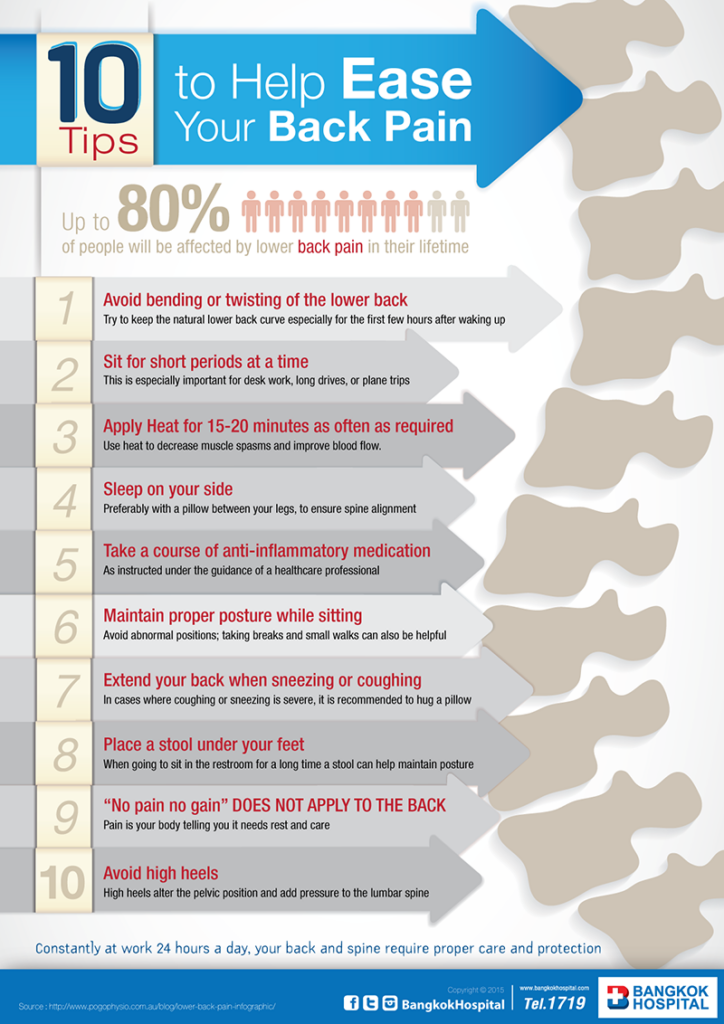
2. Practice Proper Posture
Maintaining proper posture is crucial for preventing and alleviating back pain. When you sit or stand with poor posture, it places extra stress on your spine and muscles, leading to discomfort and potential injuries. To practice good posture, sit or stand with your shoulders back and relaxed, keeping your spine aligned. Avoid slouching or hunching over, and be mindful of your posture throughout the day. By practicing proper posture, you can reduce the risk of back pain and promote a healthy spine.
3. Exercise Regularly
Regular exercise is essential for maintaining a strong and healthy back. Engaging in physical activity strengthens your muscles, improves flexibility, and supports proper posture. Low-impact exercises such as walking, swimming, and cycling are particularly beneficial for alleviating back pain. Prioritize regular exercise in your routine to strengthen the muscles that support your spine and reduce the likelihood of experiencing back pain.

4. Strengthen Your Core
A strong core is key to a healthy back. Your core muscles, including your abdominals, back muscles, and pelvic floor, provide stability and support for your spine. Weak core muscles can lead to poor posture and increased strain on your back, causing pain and discomfort. Incorporate exercises that target your core, such as planks or Pilates, into your workout routine to strengthen these muscles and reduce the risk of back pain.
5. Stretch and Mobilize
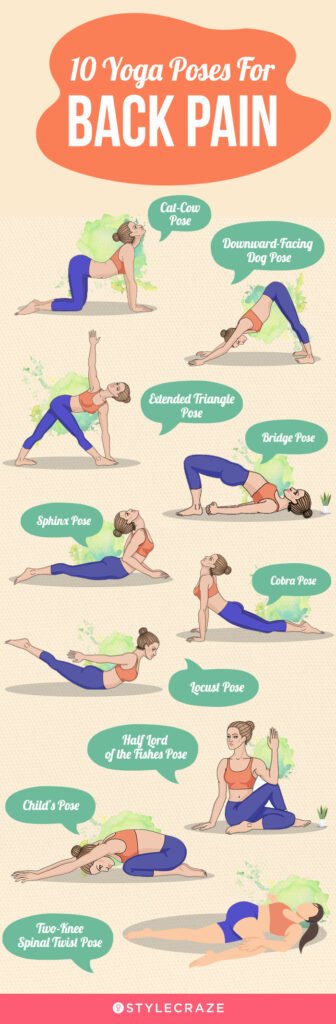
Stretching and mobilizing your body can help alleviate back pain and improve flexibility. Incorporate stretching exercises into your daily routine to keep your muscles and ligaments flexible and reduce tension in your back. Gentle yoga poses, such as child’s pose or cat-cow, can be particularly beneficial for relieving back pain. Additionally, consider incorporating activities like regular breaks to stretch and walk if you have a sedentary job. By keeping your body mobile and flexible, you can prevent and alleviate back pain.
6. Use Heat and Cold Therapy
Heat and cold therapy can be effective in reducing back pain and promoting healing. Applying a heating pad or taking a warm bath can help relax tight muscles and improve blood flow to the area. Cold therapy, such as using an ice pack or a bag of frozen vegetables, can help reduce inflammation and numb the area to alleviate pain. Experiment with both heat and cold treatments to find what works best for your back pain and provide soothing relief.
7. Avoid Prolonged Sitting
Sitting for long periods can put excessive strain on your back and contribute to back pain. If you have a desk job or spend a significant amount of time sitting, take regular breaks and incorporate movement into your day. Stand up and stretch, walk around, or perform simple exercises to activate your muscles and relieve pressure on your spine. Investing in an ergonomic chair or using a standing desk can also help alleviate back pain caused by prolonged sitting.

8. Lift Objects Correctly
Improper lifting techniques can result in back strain and injury. When lifting heavy objects, always remember to bend at your knees and use your leg muscles rather than your back. Keep the object close to your body, maintain a straight and neutral spine, and avoid twisting or jerking movements. By lifting objects correctly, you can minimize the risk of back strain and prevent unnecessary pain.
9. Practice Stress Management
Stress can exacerbate existing back pain and even contribute to its development. When you’re stressed, your muscles tense up, including those in your back, leading to discomfort and pain. Incorporate stress management techniques into your routine, such as meditation, deep breathing exercises, or engaging in activities you enjoy. By managing stress effectively, you can reduce muscle tension and promote relaxation, ultimately relieving back pain.
10. Seek Professional Help
If you’ve tried various home remedies and lifestyle changes, and you’re still experiencing persistent back pain, it’s important to seek professional help. A healthcare professional, such as a chiropractor or a physical therapist, can evaluate your condition and provide personalized treatment options. They may recommend specific exercises, manual therapies, or other interventions to help alleviate your back pain. Don’t hesitate to reach out for professional help when needed, as they can provide specialized care and guide you towards a pain-free life.
In conclusion, back pain is a common condition that can significantly impact your daily life. By following these 10 tips, including maintaining a healthy weight, practicing proper posture, exercising regularly, strengthening your core, stretching and mobilizing, using heat and cold therapy, avoiding prolonged sitting, lifting objects correctly, practicing stress management, and seeking professional help when needed, you can find relief from back pain and promote a healthy spine. Remember to listen to your body and make lifestyle changes that support a pain-free and active life.