
Ah, so you’re here to unravel the mystery of your perpetually shiny complexion and the unwelcome visitors that often accompany it. You’ve got that beautiful, dewy sheen going on, but then… bam. A red, angry bump pops up. It’s a familiar frustration, isn’t it? As your Listicle Content Architect, I’m here to guide you through this complex relationship between oil and breakouts, demystifying the process and equipping you with the knowledge to understand your skin better. Get ready to dive deep into the science and the practicalities, all laid out in a way that makes perfect sense.
Let’s start by clearing the air around “oily skin” and “acne-prone skin.” These terms are often used interchangeably, but they represent subtly different conditions, though they are undeniably linked. You might think of it like this: oily skin is a characteristic, while acne-prone skin is a predisposition to a specific problem. Understanding this distinction is the first crucial step in addressing your concerns effectively.
1.1. What Exactly is “Oily Skin”?
When you have oily skin, your sebaceous glands are working overtime. These tiny glands, located at the base of your hair follicles, produce sebum. Sebum is a natural oil that your body produces to lubricate your skin and hair, keeping it moisturized and protected. For some individuals, these glands are simply more active, leading to a noticeable shine on the forehead, nose, and chin (your T-zone), and sometimes all over your face. You might find that your makeup slides off by midday, your hair gets greasy quickly, and your skin feels perpetually slick to the touch. This increased sebum production isn’t inherently bad; in fact, it can contribute to younger-looking skin for longer by preventing premature wrinkles. However, when it’s excessive, it can present its own set of challenges, the most prominent being its potential connection to acne.
1.2. Defining “Acne-Prone Skin”: A Tendency for Trouble
Acne-prone skin, on the other hand, is skin that is more susceptible to developing acne breakouts. This doesn’t necessarily mean you have consistently oily skin. Some individuals with dry or normal skin can still be acne-prone. The core issue here lies in how your skin’s pores (hair follicles) behave and interact with various internal and external factors. This includes how efficiently dead skin cells are shed, how well sebum flows, and how your skin responds to bacteria and inflammation. A propensity for clogged pores, inflammatory responses, and bacterial activity are the hallmarks of acne-prone skin.
1.3. The Intertwined Relationship: Where Oil Meets Obstacles
So, how do these two connect? The crucial link lies in the sebum itself and the pores where it’s produced. While sebum is essential, too much of it, especially when combined with other factors, can create a perfect storm for acne. We’ll delve into the specific mechanisms in the next section. It’s not as simple as “oil equals pimples,” but rather a more complex interplay. Think of it as a river. If the river flows smoothly (normal sebum production and pore function), it’s fine. But if the river becomes sluggish and debris starts to accumulate (excess sebum and dead skin cells), it can easily become dammed, leading to problems downstream.
2. The Unfolding Mechanism: How Oily Skin Can Pave the Way for Breakouts
Now that you grasp the distinction, let’s peel back the layers and understand the actual biological processes that turn an oily complexion into a battleground for acne. It’s a multi-step scenario, and understanding each step is key to finding effective solutions.
2.1. The Excess Sebum Factor: Fueling the Fire
We’ve established that oily skin means more sebum. This excess sebum doesn’t just sit on your skin; it’s produced within your pores. When there’s an abundance of it, two primary issues arise. Firstly, it can contribute to the feeling of greasiness you experience. Secondly, and more importantly for acne development, it can mix with dead skin cells that are naturally shed by your body.
2.2. The Clog Creation: Dead Skin Cells and Sebum Unite
Your skin is constantly renewing itself, shedding dead skin cells. Normally, these cells slough off unnoticed. However, with oily skin, the excess sebum acts as a binding agent. It mixes with these dead skin cells, and together, they create a thicker, stickier mixture. This concoction then has a tendency to accumulate within the pores. Think of it as a sticky dough that starts to form inside a narrow pipe.
2.3. The Pore’s Predicament: Blocked Follicles
The pore, which is essentially the opening of a hair follicle, is where this build-up occurs. When the mixture of sebum and dead skin cells becomes too much for the pore to handle, or if the pore itself is already compromised (perhaps due to hormonal fluctuations or genetic predisposition), it becomes blocked. This blockage is the genesis of what we call a comedone, the precursor to many acne lesions.
2.4. Enter the Bacteria: Propionibacterium Acnes Takes Hold
Here’s where things get inflammatory. Within the trapped environment of the blocked pore, a type of bacteria called Propionibacterium acnes (P. acnes) thrives. This bacterium is a natural inhabitant of your skin, but in the oxygen-deprived, nutrient-rich environment of a clogged pore, its population can multiply rapidly.
2.5. The Inflammatory Cascade: P. acnes and Your Immune System
As P. acnes bacteria multiply, they consume the sebum and trigger an inflammatory response from your immune system. Your body sees these bacteria and their byproducts as a threat and sends in the cavalry – white blood cells – to fight them off. This immune response leads to redness, swelling, and the familiar pain associated with acne pimples. The more extensive the blockage and bacterial overgrowth, the more severe the inflammation and the resulting acne lesion. You might develop whiteheads (closed comedones), blackheads (open comedones), papules (small red bumps), pustules (papules with pus), nodules, or cysts. The type and severity of acne you experience can vary depending on your skin’s unique response to these factors.
3. Beyond Oil: Other Contributing Factors to Your Breakouts
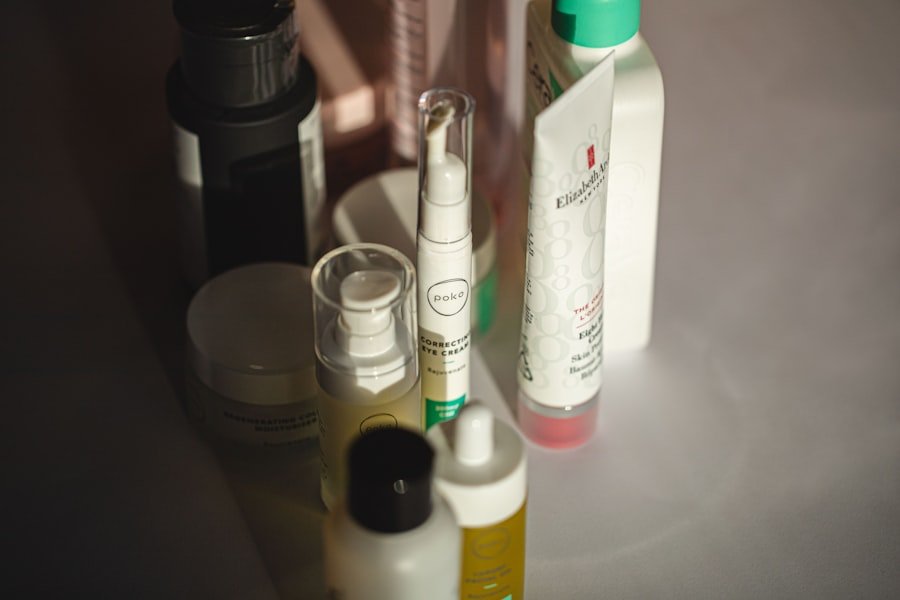
While oily skin provides a fertile ground, it’s rarely the sole culprit in the acne equation. Numerous other factors can influence why you develop breakouts, even with a naturally oily complexion. Understanding these can help you create a more holistic approach to managing your skin.
3.1. Hormonal Shenanigans: The Androgen Advantage
Hormones play a significant role in sebum production and pore activity. Androgens, like testosterone, are particularly influential. During puberty, a woman’s menstrual cycle, pregnancy, and even periods of stress, androgen levels can fluctuate. These fluctuations can signal your sebaceous glands to produce more sebum, exacerbating the oily skin situation and increasing the likelihood of blockages and acne. This is why many experience breakouts at specific times of the month or during stressful periods.
3.2. Genetics: The Hand You’re Dealt
Your genes play a crucial role in determining your skin type and your predisposition to acne. If your parents or siblings have oily skin or have struggled with acne, you’re more likely to experience similar issues. This genetic component influences everything from the size and activity of your sebaceous glands to how your skin heals and how prone you are to inflammation. You can’t change your genetics, but you can certainly work with them.
3.3. Diet: The Plateful of Possibilities
The link between diet and acne is a hotly debated topic, but there’s growing evidence suggesting potential connections. High-glycemic index foods (those that rapidly raise blood sugar levels), such as refined carbohydrates and sugary drinks, may contribute to inflammation and increased sebum production in some individuals. Dairy products have also been implicated. While it’s not a universal rule, paying attention to how your skin reacts after consuming certain foods might reveal some patterns for you.
3.4. Lifestyle and Skincare Habits: The Daily Dance
Your daily habits can significantly impact your skin’s health.
- Stress: As mentioned, stress can trigger hormonal shifts that increase sebum production. Chronic stress can also impair your immune system’s ability to fight inflammation.
- Sleep: Inadequate sleep can disrupt your body’s natural repair processes and contribute to inflammation.
- Skincare Products: Using the wrong skincare products can wreak havoc. Heavy, pore-clogging (comedogenic) ingredients in makeup, moisturizers, or hair products can directly contribute to blockages on your skin.
- Hygiene: While not directly caused by oil, poor hygiene can introduce external irritants and bacteria to the skin, further complicating the acne situation. Overwashing or scrubbing too aggressively, however, can strip the skin’s natural barrier, leading to irritation and potentially encouraging even more oil production as the skin tries to compensate.
4. Distinguishing Between Oily Skin and Other Skin Concerns: A Crucial Clarity Test
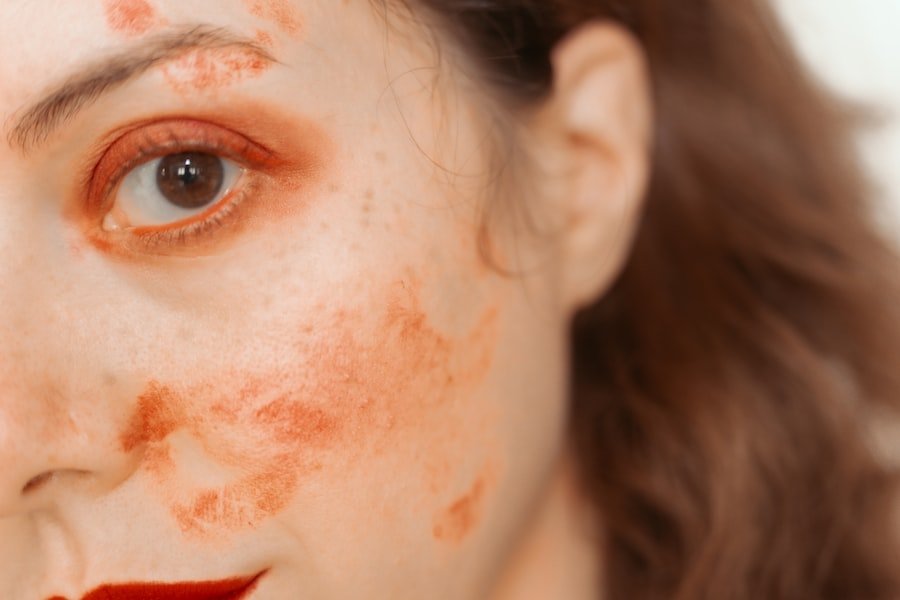
It’s essential to be able to differentiate between consistently oily skin that might lead to acne and other skin conditions that can present similar surface-level appearances. This clarity will help you target your treatments more effectively.
4.1. The Shine Test: Recognizing True Oiliness
The most obvious indicator of oily skin is the persistent shine. If your skin looks noticeably shiny just a short while after cleansing, particularly in your T-zone, it’s a strong sign of excess sebum production. You might also notice larger pores, as sebum and dead skin cells can stretch them out over time. This shine is a consistent feature of your complexion, not just a temporary effect.
4.2. When is it More Than Just Oil? Differentiating from Dehydration
This might sound counterintuitive, but oily skin can also be dehydrated. Dehydrated skin lacks water, while oily skin lacks oil. When your skin is dehydrated, the sebaceous glands can go into overdrive to compensate for the lack of moisture, leading to increased oiliness on the surface. However, dehydrated skin often feels tight and may show fine lines more prominently, even if it looks oily. You might experience both oiliness and a feeling of tightness simultaneously.
4.3. The “What If” Scenarios: Rosacea and Seborrheic Dermatitis
| Study | Findings |
|---|---|
| Journal of Investigative Dermatology | High sebum production is associated with acne development |
| American Academy of Dermatology | Oily skin can contribute to clogged pores and acne breakouts |
| British Journal of Dermatology | Excess oil production can lead to inflammation and acne formation |
Sometimes, the redness and irritation associated with acne can be mistaken for other conditions.
- Rosacea: This chronic inflammatory skin condition often causes redness, visible blood vessels, and sometimes pimple-like bumps, primarily on the face. Unlike acne, rosacea doesn’t typically involve blackheads or whiteheads and is often triggered by heat, sun exposure, and certain foods.
- Seborrheic Dermatitis: This common skin condition causes flaky, scaly skin, often on the scalp (dandruff), face, ears, and chest. While it can involve red, irritated patches, the primary characteristic is scaling and flaking rather than the distinct pimples of acne. It can sometimes coexist with acne.
If you’re unsure about the origin of your skin concerns, consulting a dermatologist is always the best course of action. They can accurately diagnose your skin condition and recommend the most appropriate treatment plan.
5. Managing Your Skin: Strategies for Oily and Acne-Prone Complexions
Now that you’re armed with knowledge, let’s talk solutions. Managing oily and acne-prone skin is about finding a balance – controlling excess oil without stripping your skin, and addressing breakouts effectively.
5.1. The Cleansing Ritual: Gentle Yet Effective
The foundation of good skincare for oily, acne-prone skin is proper cleansing.
- Choose Wisely: Opt for gentle, oil-free, non-comedogenic cleansers. Look for ingredients like salicylic acid, which can penetrate pores and exfoliate them from within, or benzoyl peroxide, which kills acne-causing bacteria.
- Frequency: Cleanse your face twice a day – morning and night. Avoid over-washing, as this can strip your skin’s natural oils and prompt it to produce even more sebum to compensate.
- Technique: Use lukewarm water, not hot, and be gentle. Avoid harsh scrubbing.
5.2. The Power of Treatments: Targeting the Root Causes
Once your skin is clean, you can introduce targeted treatments.
- Salicylic Acid: A beta-hydroxy acid (BHA), it’s oil-soluble and can penetrate deep into pores to dissolve sebum and dead skin cells, preventing blockages. It’s excellent for blackheads and whiteheads.
- Benzoyl Peroxide: This ingredient combats acne-causing bacteria by releasing oxygen into the pores. It’s effective for inflammatory acne but can be drying, so start with a lower concentration and use it sparingly.
- Retinoids (Over-the-Counter and Prescription): Derivatives of Vitamin A, retinoids are powerful for acne. They increase cell turnover, preventing pores from becoming clogged, and can also help reduce inflammation. Topical retinoids like adapalene are available over-the-counter, while stronger forms like tretinoin require a prescription.
- Niacinamide: This form of Vitamin B3 is a multitasking hero. It can help regulate sebum production, reduce inflammation, improve skin barrier function, and fade acne marks.
- Clay Masks: Regular use of clay masks (like bentonite or kaolin) can help absorb excess oil and impurities from the pores, leaving your skin feeling cleaner and less shiny.
5.3. Moisturizing When You’re Oily: Yes, You Still Need It!
This is a common misconception. Even oily skin needs hydration. Skipping moisturizer can actually lead your skin to produce more oil in an attempt to compensate.
- Lightweight and Oil-Free: Choose non-comedogenic, oil-free, water-based moisturizers. Gels and lotions are often good choices.
- Look for Hydrating Ingredients: Hyaluronic acid and glycerin are excellent humectants that draw moisture into the skin without adding oil.
5.4. Protecting Your Skin: The Sunscreen Imperative
Sunscreen is non-negotiable, especially when using acne treatments that can make your skin more sensitive to the sun.
- Oil-Free and Non-Comedogenic: Select sunscreens specifically formulated for oily and acne-prone skin.
- Broad Spectrum: Ensure it protects against both UVA and UVB rays.
- Daily Application: Apply daily, even on cloudy days.
5.5. Lifestyle Adjustments: The Holistic Approach
Remember the contributing factors we discussed? Making mindful changes can have a significant impact.
- Dietary Awareness: Pay attention to your diet and observe if certain foods trigger breakouts.
- Stress Management: Incorporate stress-reducing activities like exercise, meditation, or yoga into your routine.
- Pillowcase Hygiene: Change your pillowcases regularly to minimize the transfer of oils and bacteria to your face.
- Avoid Touching Your Face: Resist the urge to pick or squeeze pimples, as this can lead to scarring and further inflammation.
By understanding the intricate dance between your skin’s oil production and the potential for breakouts, you can move beyond frustration and towards a more informed, effective approach to achieving clearer, healthier skin. You’ve got this!
FAQs
1. What is the relationship between oily skin and acne?
Oily skin can contribute to the development of acne because excess oil can clog pores and lead to the formation of pimples and blackheads.
2. Does everyone with oily skin experience acne?
Not everyone with oily skin will experience acne, but the excess oil production can increase the likelihood of developing acne.
3. How can oily skin be managed to prevent acne?
Managing oily skin to prevent acne can involve using gentle cleansers, avoiding harsh skincare products, and using non-comedogenic moisturizers and makeup.
4. Are there any medical treatments for acne caused by oily skin?
Yes, there are medical treatments such as topical retinoids, benzoyl peroxide, and oral medications that can help manage acne caused by oily skin.
5. Can diet and lifestyle affect oily skin and acne?
Yes, certain dietary and lifestyle factors such as consuming a high-glycemic diet and not properly managing stress can contribute to oily skin and acne.