
You’re experiencing the frustrating reality of acne, and you’re eager to understand exactly what’s happening on your skin. As the Listicle Content Architect, I’m here to guide you through the common symptoms and crucial warning signs of acne. Knowing these can empower you to seek the right help and manage your breakouts effectively. Let’s dive in.
Acne isn’t just one thing; it manifests in various forms. Recognizing these distinct lesions is the first step to understanding your specific condition. Each type has its own appearance and can give you clues about the severity of inflammation and potential for scarring.
1.1. Non-Inflammatory Acne: The Early Stages
These are often the first signs of acne, and while less alarming than their inflammatory counterparts, they still indicate a problem with your pores. They form when hair follicles become clogged with oil and dead skin cells.
1.1.1. Whiteheads (Closed Comedones)
Imagine a pore that’s been plugged, but the plug is still covered by a thin layer of skin. That’s a whitehead. It appears as a small, pale or flesh-colored bump. The key characteristic is that the pore opening is closed. This block prevents the contents from being exposed to air, so they don’t oxidize and turn black like blackheads. They can sometimes be felt as tiny bumps under the skin before they become visible. While they might seem harmless, left untreated, whiteheads can sometimes develop into more inflamed lesions.
1.1.2. Blackheads (Open Comedones)
Blackheads are perhaps the most recognizable non-inflammatory acne lesion. Like whiteheads, they are clogged pores, but the difference is that the pore opening is open to the air. This exposure causes the trapped oil (sebum) and dead skin cells to oxidize, turning the plug a dark or black color. It’s a common misconception that blackheads are caused by dirt. In reality, the dark color is a chemical reaction, not dirt stuck in the pore. They can range in size from small dots to more prominent bumps. While they don’t typically hurt, they can be aesthetically concerning and can sometimes be a precursor to inflammatory acne.
1.2. Inflammatory Acne: The Red Flags
This is where acne starts to become visibly red, swollen, and potentially painful. These lesions occur when bacteria called Cutibacterium acnes (formerly Propionibacterium acnes) get involved, multiplying within the clogged pore and triggering an immune response.
1.2.1. Papules
Papules are small, red, raised bumps that are tender and inflamed. They don’t have a visible pus head. You’ll feel them as sore spots on your skin. They represent an early stage of inflammation within the hair follicle. The redness and tenderness are signs that your body’s immune system is reacting to the buildup of sebum, dead skin cells, and bacteria. Papules can vary in size, and while they aren’t as severe as nodules or cysts, they can still be uncomfortable and unsightly.
1.2.2. Pustules
Pustules are similar to papules in that they are red and inflamed, but they are distinguishable by the presence of pus at their tips. This pus is a collection of white blood cells, dead bacteria, and cellular debris that your body is trying to expel. They are commonly referred to as “pimples” or “zits.” The white or yellowish head of a pustule is characteristic. While the temptation to pick at pustules is strong, doing so can push the inflammation deeper, increase the risk of infection, and lead to scarring.
1.2.3. Nodules
Nodules are a more severe form of inflammatory acne. They are large, solid, painful lumps that form deep beneath the skin’s surface. Unlike papules and pustules, nodules lack a visible head and cannot be easily squeezed or popped. They occur when the follicle wall ruptures deep within the skin, leading to significant inflammation and a substantial collection of pus and sebum. Nodules can persist for weeks or even months and are at a high risk of causing permanent scarring. You’ll feel these as deep, hard, and often very tender lumps.
1.2.4. Cysts
Cystic acne represents the most severe form of acne. These are large, painful, pus-filled lesions that develop deep under the skin. They are similar to nodules in that they are deep and inflammatory, but they are softer and more fluid-filled due to a significant collection of pus. Cysts can be very painful and are highly likely to lead to scarring. They often feel like deep, boggy lumps. Due to their depth and severity, cysts are typically treated with prescription medications and may require drainage by a dermatologist.
2. Common Locations Where Acne Appears
While acne can theoretically appear anywhere you have hair follicles, certain areas are more susceptible due to higher concentrations of sebaceous glands or influences from hormones and environmental factors. Identifying the location of your breakouts can sometimes provide subtle clues about the underlying causes.
2.1. The Face: The Most Visible Battleground
Your face is often the first place you notice acne, and for good reason. The skin on your face has a high density of sebaceous glands, making it prone to oiliness and blockages.
2.1.1. Forehead
Acne on the forehead is incredibly common, particularly among teenagers and young adults. This area is heavily influenced by “forehead oils” from the hairline and can be exacerbated by products like hairspray or certain shampoos. Hormonal fluctuations can also lead to increased sebum production in this region. Breakouts here can range from small whiteheads and blackheads to more significant papules and pustules.
2.1.2. Cheeks
The cheeks are another prime spot for acne. This area can be affected by bacteria transfer from your hands, mobile phones, or even sleeping on a dirty pillowcase. Cheeks can develop all types of acne lesions, from mild comedones to deeper, more painful nodules and cysts. Some individuals may experience acne predominantly on one cheek, which can sometimes be linked to leaning on that side of their face.
2.1.3. Chin and Jawline
Acne on the chin and jawline is often strongly linked to hormonal changes, particularly in women. This area is particularly susceptible to hormonal acne, which tends to appear as deep, cystic, or nodular breakouts that can be tender and persistent. These breakouts often occur cyclically, coinciding with menstrual periods. The jawline area also tends to accumulate oil and can be affected by friction from clothing or razor blades.
2.1.4. Nose
While less common for widespread breakouts, the nose can still experience acne. The pores on and around the nose are often larger and can become clogged with sebum and dead skin cells, leading to blackheads and whiteheads. Inflamed papules and pustules can also appear here, especially if the pores become infected.
2.2. The Torso: Beyond the Face
Acne isn’t confined to your face. Many people experience breakouts on their chest, back, and even shoulders. This can be due to the high concentration of oil glands in these areas as well.
2.2.1. Chest
Acne on the chest can be a source of embarrassment, particularly when wearing clothing that exposes this area. It can manifest as comedones, papules, pustules, and even more severe nodules. Friction from clothing, sweat, and certain skincare products applied to the chest can contribute to chest acne.
2.2.2. Back (“Bacne”)
Back acne, or “bacne,” is very common. Like the chest, the back has numerous oil glands. Sweat trapped under clothing, friction from backpacks or sports equipment, and using certain body washes can all trigger breakouts. Bacne can range from mild blackheads and whiteheads to severe, deep nodules and cysts that are often difficult to treat and can lead to significant scarring. Reaching the back to apply treatments can also be a challenge.
2.2.3. Shoulders
The shoulders can also be a site for acne, often appearing as papules and pustules. Similar to the chest and back, friction from clothing, sweat, and hormonal imbalances can play a role in shoulder breakouts.
3. Beyond Visual Appearance: Other Common Symptoms
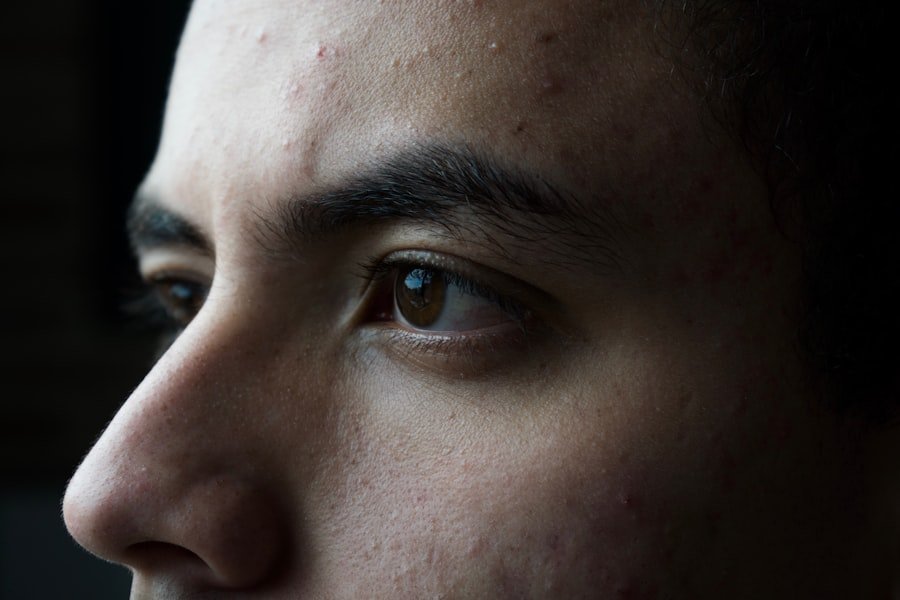
While the visible bumps and blemishes are the most obvious signs of acne, there are other sensory experiences and underlying factors that contribute to the overall symptom profile. Paying attention to these can provide a more comprehensive understanding of your acne.
3.1. Pain and Tenderness
One of the most uncomfortable symptoms of acne is pain. Inflammatory acne lesions, particularly nodules and cysts, develop deep within the skin and trigger a significant immune response. This inflammation leads to swelling and pressure on nerve endings, causing them to feel sore, tender, and sometimes throbbing. Even smaller papules can be sensitive to touch. The intensity of pain can vary, but it’s a clear indicator that inflammation is present and the acne is more than just superficial.
3.2. Redness and Swelling
Redness (erythema) is a hallmark of inflamed acne lesions. It’s the body’s signal that it’s fighting off irritation and infection within the hair follicle. The capillaries in the affected area dilate, bringing more immune cells to combat the bacteria and debris. Swelling (edema) often accompanies redness, as fluid and immune cells accumulate around the inflamed site. The larger the lesion and the more intense the inflammation, the more pronounced the redness and swelling will be.
3.3. Itching (Less Common, But Possible)
While not as common as pain or redness, some people do experience itching associated with their acne. This can be due to several factors. The inflammation itself can sometimes irritate the nerve endings in the skin, leading to a sensation of itchiness. Certain acne treatments, especially those containing ingredients like retinoids or benzoyl peroxide, can cause temporary dryness and irritation, which may manifest as itching. It’s also possible for other skin conditions that can co-occur with acne to cause itching.
3.4. Oily Skin (Seborrhea)
Oily skin, also known as seborrhea, is a primary characteristic that often accompanies acne. The sebaceous glands produce an oily substance called sebum, which is essential for keeping the skin moisturized and protected. However, in individuals prone to acne, these glands can become overactive, producing an excess of sebum. This excess oil can clog pores, trap dead skin cells, and create a prime environment for bacteria to thrive, leading to acne formation. You might notice a shiny appearance to your skin, especially in your T-zone (forehead, nose, and chin).
3.5. Scarring: The Long-Term Mark of Acne
Perhaps the most concerning symptom, beyond the active breakout, is the potential for acne to leave scars. Scarring occurs when the inflammation from acne damages the deeper layers of the skin, affecting collagen production. The body attempts to repair this damage, but the healing process can result in permanent textural changes to the skin.
3.5.1. Atrophic Scars
These are the most common type of acne scars. They appear as depressed marks or indentations in the skin. When the skin doesn’t produce enough collagen to regenerate itself after a breakout, these “divots” form.
- Ice Pick Scars: These are deep, narrow scars that look like small punctures in the skin.
- Boxcar Scars: These are wider, U-shaped scars with sharply defined edges.
- Rolling Scars: These give the skin a wavy or uneven appearance due to their sloping edges.
3.5.2. Hypertrophic Scars and Keloids
Less common with typical acne, but possible with severe inflammatory types like nodules and cysts, are raised scars. These occur when the skin produces too much collagen during the healing process.
- Hypertrophic Scars: These are raised scars that stay within the boundaries of the original wound.
- Keloids: These are more aggressive raised scars that grow beyond the boundaries of the original wound.
4. Warning Signs That Indicate a Need for Professional Help
While many cases of acne can be managed with over-the-counter products, certain signs signal that your acne is more severe or potentially indicative of an underlying issue, and you should consult a dermatologist. Ignoring these warnings can lead to prolonged discomfort, increased risk of scarring, and emotional distress.
4.1. Severe and Painful Breakouts
If your acne is characterized by numerous large, deep, and painful nodules or cysts, it’s a strong indicator that you need professional intervention. These severe forms of inflammatory acne are unlikely to respond well to topical treatments alone and carry a high risk of scarring. A dermatologist can offer prescription-strength medications, including oral antibiotics, topical retinoids, or isotretinoin, which are more effective for treating severe acne.
4.2. Acne That Does Not Respond to Over-the-Counter Treatments
You’ve diligently tried various over-the-counter cleansers, spot treatments, and moisturizers for several months, but your breakouts persist or even worsen. This lack of improvement is a significant warning sign. It suggests that your acne might require a stronger, prescription-grade approach. Dermatologists can accurately diagnose the type and severity of your acne and tailor a treatment plan that is more potent and effective.
4.3. Rapid Onset or Sudden Worsening of Acne
If you’ve experienced a sudden, unexplained surge in acne, especially if it’s accompanied by other symptoms, it’s worth investigating. A rapid onset or significant worsening of acne can sometimes be a sign of an underlying medical condition, such as hormonal imbalances (like Polycystic Ovary Syndrome or PCOS), certain medications, or other dermatological issues. A healthcare professional can help rule out these possibilities and address the root cause.
4.4. Significant Scarring and Dark Spots (Post-Inflammatory Hyperpigmentation)
Even if your active breakouts are manageable, the presence of widespread, significant scarring or dark spots left behind after pimples (post-inflammatory hyperpigmentation or PIH) is a warning sign. Early intervention to treat active acne can help prevent further scarring. Furthermore, dermatologists offer treatments to improve the appearance of existing scars and PIH, such as chemical peels, laser therapy, or microneedling. Leaving these untreated can lead to long-term cosmetic concerns.
4.5. Acne Accompanied by Other Symptoms
If your acne is appearing alongside other unusual symptoms, it’s crucial to seek medical advice. For example, in women, acne that emerges suddenly and is accompanied by symptoms like excess facial hair growth, irregular menstrual cycles, or significant weight gain might suggest a hormonal imbalance such as PCOS. Acne can sometimes be a symptom of broader health issues, and a doctor can perform the necessary tests to diagnose and manage any underlying conditions.
5. When to Seek Dermatological Intervention
| Symptom/Warning Sign | Description |
|---|---|
| Persistent pimples | Pimples that do not go away or keep coming back |
| Redness and inflammation | Red and swollen areas on the skin |
| Painful cysts | Deep, painful lumps under the skin |
| Scarring | Permanent marks or indentations on the skin |
| Excessive oiliness | Overproduction of oil on the skin |
Deciding when to see a dermatologist is a key part of managing your acne journey effectively. While mild acne can often be managed at home, there are clear indicators that professional expertise is needed. As your Listicle Content Architect, I want to ensure you know when to take that extra step for healthier, clearer skin.
5.1. Persistent Acne Affecting Your Mental Health
Acne is more than just a skin condition; it can significantly impact your self-esteem and mental well-being. If your acne is causing you stress, anxiety, depression, or social withdrawal, it’s a valid reason to seek professional help. A dermatologist can not only address the physical aspects of your acne but also offer support and guidance. The link between skin health and mental health is undeniable, and a dermatologist can help you navigate both.
5.2. Difficulty Identifying Your Acne Type
You’re looking in the mirror and seeing a mix of bumps, redness, and perhaps some deeper lumps, but you’re confused about what’s what and how to treat it. This is a perfect scenario for seeing a dermatologist. They are experts at diagnosing the specific types of acne you have – comedonal, inflammatory, cystic, or a combination – and can prescribe treatments tailored to each. Trying to treat the wrong type of acne can be ineffective and even worsen the condition.
5.3. Suspected Hormonal Acne
As we’ve discussed, acne on the chin and jawline, especially in women and adults, is often linked to hormonal fluctuations. If you suspect your acne has a hormonal component, a dermatologist can assess the situation. They might recommend specific prescription topical or oral medications that target hormonal influences, or they may refer you to an endocrinologist for further investigation if a more complex hormonal imbalance is suspected.
5.4. Acne That Leaves Scars or Discoloration
If you are already seeing signs of scarring or persistent dark spots (post-inflammatory hyperpigmentation) from your acne, it’s time to consult a dermatologist. Early treatment of active breakouts can minimize future scarring. Furthermore, dermatologists have a range of advanced treatments, including prescription retinoids, chemical peels, laser therapy, and microneedling, that can effectively manage and improve both existing scars and post-inflammatory hyperpigmentation, helping you achieve a more even skin tone and texture.
5.5. Considering Prescription Medications
When over-the-counter options are no longer sufficient, your next step should involve exploring prescription medications. Things like topical retinoids (e.g., tretinoin, adapalene), topical or oral antibiotics, or even oral isotretinoin (Accutane) are powerful tools that require a dermatologist’s prescription and management. A dermatologist will assess your individual needs, medical history, and the severity of your acne to determine if these stronger treatments are appropriate and safe for you, and they will monitor your progress closely throughout the treatment.
FAQs
What are the common symptoms of acne?
Acne symptoms can include whiteheads, blackheads, pimples, and cysts. These can appear on the face, neck, chest, back, and shoulders.
What are the warning signs of severe acne?
Warning signs of severe acne can include deep, painful cysts, widespread inflammation, and scarring. If acne is causing emotional distress or impacting daily life, it’s important to seek medical attention.
Can acne be a sign of an underlying health issue?
In some cases, acne can be a symptom of an underlying health issue such as hormonal imbalances, polycystic ovary syndrome (PCOS), or other medical conditions. It’s important to consult a healthcare professional for proper diagnosis and treatment.
When should I seek medical help for acne?
If over-the-counter treatments are not effective, or if acne is severe, causing emotional distress, or leaving scars, it’s important to seek medical help. A dermatologist can provide personalized treatment options.
What are some lifestyle changes that can help manage acne symptoms?
Maintaining a regular skincare routine, avoiding picking or squeezing pimples, managing stress, and following a healthy diet can help manage acne symptoms. It’s important to use non-comedogenic skincare products and avoid excessive sun exposure.