
Let’s face it, navigating the world of acne can feel like a confusing minefield. You’ve probably heard terms thrown around – comedonal acne, inflammatory acne, cystic acne – and wondered what the heck they all mean for your skin. As your trusted Listicle Content Architect, I’m here to demystify the process of acne evaluation, breaking it down into digestible pieces so you can understand what’s happening on your face and how to tackle it effectively. Think of this as your personal roadmap to clearer skin, guided by an expert who knows how to organize information like a pro.
Before you jump into random treatments and skincare products, understanding why an acne evaluation is crucial is the first step. It’s not just about slapping a label on your breakouts; it’s about gaining knowledge that empowers you to make informed decisions.
Understanding the “Why” Behind the “What”
- Personalized Treatment Plans: Acne isn’t a one-size-fits-all condition. What works for one person might not work for another. A proper evaluation helps pinpoint the specific type and severity of your acne, allowing for a tailored treatment approach. Imagine trying to fix a leaky faucet with a hammer – it’s the wrong tool for the job! Similarly, applying a broad-spectrum acne treatment without understanding your specific concerns can be ineffective and even lead to further irritation.
- Preventing Scarring and Long-Term Damage: Left untreated or treated incorrectly, acne can leave behind stubborn scars and hyperpigmentation (dark spots) that can be more challenging to address than the initial breakouts. An early and accurate evaluation can identify aggressive forms of acne that are more prone to scarring, allowing for prompt and appropriate intervention to minimize future damage.
- Efficient and Cost-Effective Solutions: When you know what you’re dealing with, you’re less likely to waste time and money on products and treatments that won’t work for you. An evaluation saves you from the endless cycle of trial and error, guiding you toward solutions that have a higher probability of success. This means fewer trips to the drugstore for things that just sit in your cabinet, unused.
- Identifying Underlying Causes: While acne is often associated with puberty, it can manifest at any age. Sometimes, persistent or severe acne can be a symptom of an underlying medical condition, such as hormonal imbalances, polycystic ovary syndrome (PCOS), or even certain medications. A thorough evaluation, especially by a dermatologist, can help uncover these potential root causes, allowing for a more holistic approach to treatment.
- Boosting Confidence and Well-being: Let’s be honest, acne can take a toll on your self-esteem. When you feel like you’re not in control of your skin, it can affect your social interactions and overall mood. Understanding your acne and knowing you’re on a path to improvement can significantly boost your confidence and empower you to feel better in your own skin.
The Role of Different Professionals
- Dermatologists: The Experts You Need: For a comprehensive and accurate evaluation, a dermatologist is your go-to professional. They are medical doctors who specialize in skin conditions. They have the knowledge and tools to diagnose the specific type and severity of your acne, consider your medical history, and prescribe the most effective treatments, including prescription medications.
- Estheticians: Your Support System (with Limitations): While estheticians can provide valuable assistance with facials, extractions, and recommending over-the-counter products, they are not medical professionals. They can help manage milder forms of acne and improve skin texture, but for a definitive diagnosis and treatment plan for moderate to severe acne, a dermatologist is essential. Think of them as your skin’s helpful guides, but the ultimate map-makers are the dermatologists.
- Primary Care Physicians: A Starting Point: Your primary care doctor can be a good starting point for acne concerns, especially for milder cases. They can often prescribe basic topical treatments or oral antibiotics. However, if your acne is persistent, severe, or causing significant distress, they will likely refer you to a dermatologist for further evaluation and management. They are gatekeepers to more specialized care.
2. Decoding Your Breakouts: Understanding Acne Types
The first major step in any acne evaluation is to identify the kind of acne you’re dealing with. This isn’t just about spotting a red bump; it’s about understanding the underlying mechanisms that are causing the eruption.
Non-Inflammatory Acne: The Blocked Pores
These are generally milder forms of acne that result from clogged pores without significant redness or swelling. They are often the precursors to more inflamed lesions.
2.1. Open Comedones (Blackheads)
- What they are: These are hair follicles plugged with sebum (oil) and dead skin cells. The “black” color isn’t dirt; it’s the result of the sebum and debris oxidizing when exposed to air.
- What you see: Small, dark, flat spots on the skin, most commonly found on the nose, chin, and forehead.
- Why they form: Increased sebum production, shedding of dead skin cells, and the presence of bacteria that contribute to the clog.
2.2. Closed Comedones (Whiteheads)
- What they are: Similar to blackheads, these are also plugged hair follicles, but the opening of the follicle is closed by a thin layer of skin. This prevents oxygen from reaching the contents, so they appear white or flesh-colored.
- What you see: Small, raised bumps that feel like tiny pearls under the skin. They can be a bit more sensitive to touch than blackheads.
- Why they form: The same factors as blackheads – excess oil, dead skin cells – but with the follicle opening sealed.
Inflammatory Acne: The Red and Angry Lesions
This category represents acne that has become inflamed, often leading to more noticeable and sometimes painful breakouts.
2.3. Papules
- What they are: Small, red, tender bumps that are inflamed but do not contain pus. They are essentially an early stage of a more significant inflammatory lesion.
- What you see: Small, elevated, rosy or reddish spots dotting the skin. They can feel sensitive to the touch.
- Why they form: The initial clog (comedone) has become inflamed due to the body’s immune response to trapped bacteria and sebum.
2.4. Pustules
- What they are: These are your classic “pimples” or “zits.” They are inflamed papules that have developed pus at their tips. The pus is a collection of dead white blood cells, bacteria, and cellular debris.
- What you see: Red, inflamed lesions with a visible white or yellowish head at the center. They are often tender and can feel warm to the touch.
- Why they form: Further progression of inflammation in a papule, leading to the formation of a pus-filled sac.
2.5. Nodules
- What they are: Larger, solid, and often painful lumps that are deeply embedded in the skin. They are more severe than papules and pustules.
- What you see: Deep, firm bumps that are significantly larger than pimples. They may not always have a visible head and can be intensely red and painful.
- Why they form: The inflammation extends deeper into the skin, affecting multiple follicles and surrounding tissue. These are more difficult to treat and have a higher risk of scarring.
2.6. Cysts
- What they are: The most severe form of inflammatory acne. These are large, painful, fluid-filled sacs that are deep within the skin. They are essentially large pockets of infection and inflammation.
- What you see: Very large, deep, swollen lumps that are often very painful and can feel soft or rubbery. They frequently leave significant scarring.
- Why they form: Similar to nodules, but the inflammation is more widespread and leads to the formation of a large, pus-filled cavity. Accompanying these can be a feeling of heat and significant tenderness in the affected areas.
3. Gauging the Intensity: Acne Severity Scales

Once you’ve identified the types of lesions you have, the next step in an acne evaluation is to determine the severity of your condição. This is crucial for guiding treatment decisions, as milder acne requires a different approach than severe acne.
Understanding the Spectrum of Acne
- Mild Acne: Characterized by a few isolated non-inflammatory lesions (blackheads and whiteheads) and possibly a few papules or pustules. You might have a few breakouts at a time, but they are generally not widespread and don’t cause significant pain or scarring.
- Moderate Acne: Involves a greater number of inflammatory lesions (papules and pustules). You might have more frequent breakouts, and some of these lesions could be more persistent and slightly tender. Scarring is a possibility if not managed appropriately.
- Severe Acne: Marked by a significant number of inflammatory lesions, including numerous papules, pustules, nodules, and cysts. These lesions are often painful, widespread, and have a high risk of leading to significant scarring and hyperpigmentation.
Key Factors in Severity Assessment
- Number of Lesions: A simple count of your blackheads, whiteheads, papules, pustules, nodules, and cysts can give a good indication of severity. Dermatologists often have specific counting methods they use.
- Type of Lesions: The presence of nodules and cysts automatically elevates the severity of acne, as these are the most potent inflammatory types with the highest scarring potential.
- Distribution and Location: While acne can appear anywhere, certain areas might be more prone to severe breakouts. Widespread acne across the face, chest, and back often indicates a more significant issue.
- Inflammation Level: The degree of redness, swelling, and tenderness associated with your breakouts plays a role. Highly inflamed lesions suggest a more aggressive inflammatory response.
- Presence of Scarring and Hyperpigmentation: The existing damage to your skin, like atrophic scars (indents), hypertrophic scars (raised scars), and post-inflammatory hyperpigmentation (dark spots), is a clear indicator of past severe acne and a factor in current severity assessment.
- Patient’s Emotional Impact: A dermatologist will also consider how the acne is affecting your emotional well-being and self-confidence. Sometimes, even moderate acne can have a significant psychological impact, which informs the treatment approach.
4. Beyond the Surface: Factors Influencing Your Acne
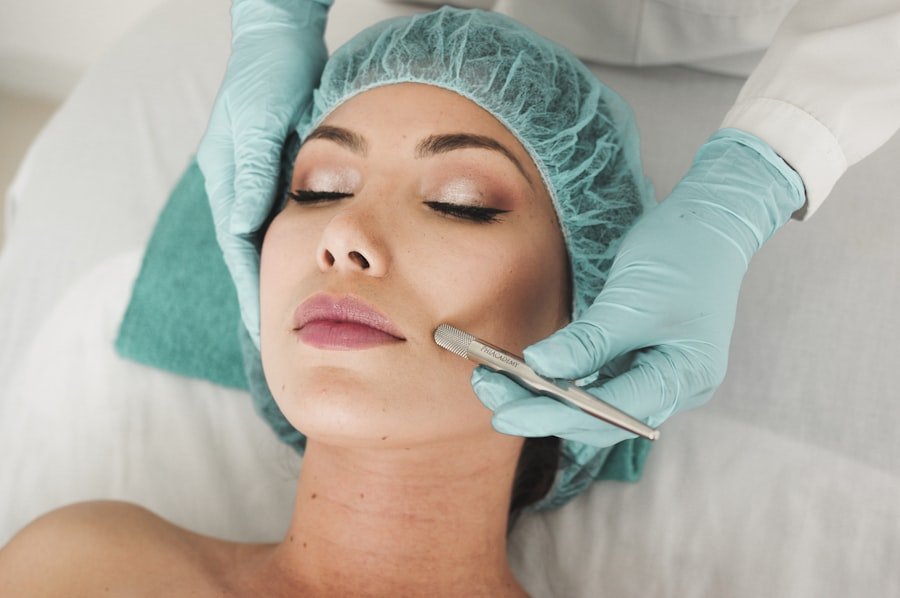
An acne evaluation isn’t just about looking at the pimples on your skin; it’s about understanding the intricate web of factors that contribute to their development. This holistic approach is what makes a truly effective evaluation.
The Hormonal Connection
- Androgens (Male Hormones): These hormones, present in both males and females, play a significant role in acne. They stimulate the sebaceous glands to produce more oil. Fluctuations in androgen levels, particularly during puberty, menstruation, pregnancy, and menopause, can trigger or worsen acne.
- The Menstrual Cycle: Many women experience breakouts around their period due to hormonal shifts. This is often linked to an increase in androgens and a decrease in estrogen, which has a protective effect on the skin. You might notice specific patterns of breakouts related to your cycle – chin and jawline are common culprits.
- Polycystic Ovary Syndrome (PCOS): This endocrine disorder is characterized by hormonal imbalances and can manifest as persistent and often severe acne, along with other symptoms like irregular periods and hirsutism (excessive hair growth). If you suspect PCOS, an evaluation by a doctor is a must.
Lifestyle and Environmental Triggers
- Diet: While the direct link between diet and acne is still debated, certain foods can exacerbate breakouts in some individuals. High-glycemic index foods (sugary snacks, white bread) and dairy products are often cited as potential triggers. Keeping a food diary can help you identify your personal triggers.
- Stress: When you’re stressed, your body releases cortisol, a stress hormone. Cortisol can signal your skin glands to produce more oil, leading to an acne flare-up. Chronic stress can create a vicious cycle of breakouts and more stress.
- Skincare Habits:
- Over-washing and Harsh Products: Stripping your skin of its natural oils can actually cause your glands to produce more oil to compensate, leading to congestion. Harsh scrubs and astringents can also irritate and inflame existing breakouts.
- Using the Wrong Products: Non-comedogenic (won’t clog pores) is your mantra when choosing skincare and makeup. Heavy, oily formulations can worsen acne.
- Picking and Squeezing: This is a cardinal sin of acne. It pushes bacteria deeper into the skin, increases inflammation, and significantly raises the risk of scarring and infection. Resist the urge!
- Dirty Pillowcases and Phone Screens: These can harbor bacteria and oils that transfer to your face, contributing to breakouts. Regular cleaning is key.
- Environmental Factors:
- Humidity and Heat: These can increase sebum production and lead to clogged pores.
- Pollution: Airborne pollutants can contribute to inflammation and clog pores.
- Friction: Tight clothing, helmets, or even resting your chin on your hand can exacerbate acne on the body and face.
Genetic Predisposition
- Family History: If your parents or siblings had acne, you’re more likely to experience it yourself. Genetics can influence factors like sebum production, skin cell turnover, and inflammatory responses.
5. Putting It All Together: The Comprehensive Acne Evaluation Process
| Criteria | Score |
|---|---|
| Severity of acne | 7 |
| Presence of comedones | 5 |
| Number of inflammatory lesions | 8 |
| Presence of scarring | 3 |
Now that you understand the types of acne, severity, and influencing factors, let’s walk through what a comprehensive acne evaluation by a dermatologist typically entails. This is where all the pieces of the puzzle come together.
The Consultation: More Than Just a Look
- Medical History Review: The dermatologist will ask detailed questions about your overall health, any existing medical conditions, medications you’re taking (including birth control), and allergies. This helps them understand any underlying systemic issues that might be contributing to your acne.
- Acne History: They’ll inquire about when your acne started, its patterns (hormonal, seasonal), previous treatments you’ve tried, and how effective they were. Be prepared to discuss your menstrual cycle if you’re female.
- Lifestyle and Skincare Habits: You’ll be asked about your diet, stress levels, exercise routine, and your current skincare regimen – what products you use, how often, and in what order. Be honest about your habits, even if you think they’re minor!
- Family History of Acne: As mentioned, a family history can be a significant indicator.
The Physical Examination: A Close-Up and Detailed Assessment
- Visual Inspection: The dermatologist will meticulously examine your skin, noting the types of lesions present (comedones, papules, pustules, nodules, cysts), their distribution, and their severity. They might use a magnifying lamp for a closer look.
- Assessing Inflammation and Scarring: They will evaluate the level of inflammation associated with your breakouts and carefully assess for existing scars, hyperpigmentation, or other signs of previous acne damage. This helps them determine the urgency and type of treatment needed.
- Skin Type and Sensitivity: Understanding your skin type (oily, dry, combination, sensitive) is crucial for selecting appropriate treatments that won’t cause further irritation.
Diagnostic Tools and Further Investigations (If Necessary)
- Skin Swabs: In some cases, if there’s a suspicion of a bacterial infection, a dermatologist might take a swab of an active lesion to identify the specific bacteria present. This can help guide antibiotic selection.
- Blood Tests: If hormonal imbalances or underlying conditions like PCOS are suspected, blood tests may be ordered to check hormone levels and other relevant markers. This is particularly common for adult-onset acne or acne that has suddenly worsened.
- Biopsy (Rare): In very rare and complex cases, a small skin sample might be taken (biopsy) and sent to a lab for microscopic examination to rule out other skin conditions that may mimic acne.
Developing Your Personalized Action Plan
Based on all the information gathered, your dermatologist will work with you to create a personalized treatment plan. This plan will consider:
- Your Acne Type and Severity: Tailoring treatments to the specific issues identified.
- Your Skin Type and Sensitivity: Ensuring treatments are gentle enough not to cause excessive irritation.
- Your Medical History and Any Underlying Conditions: Ensuring treatments are safe and effective given your overall health.
- Your Lifestyle and Preferences: Discussing treatment options that fit your daily routine and lifestyle, including ease of use and potential side effects.
- Your Goals and Expectations: Setting realistic expectations for treatment outcomes and timelines.
This comprehensive evaluation is the cornerstone of effective acne management. By understanding each element, you’re empowered to have more productive conversations with your dermatologist and take confident steps towards achieving clearer, healthier skin. Remember, knowledge is power, especially when it comes to your complexion.
FAQs
What is acne evaluation?
Acne evaluation is the process of assessing the severity and type of acne a person has. It involves examining the skin, identifying the different types of acne lesions, and determining the underlying causes of the acne.
What are the common methods used for acne evaluation?
Common methods used for acne evaluation include visual examination of the skin, assessment of the types of acne lesions present (such as blackheads, whiteheads, papules, pustules, nodules, and cysts), and taking a detailed medical history to identify potential triggers or contributing factors.
Why is acne evaluation important?
Acne evaluation is important because it helps healthcare professionals determine the most appropriate treatment plan for an individual’s specific type and severity of acne. It also allows for the identification of any underlying medical conditions that may be contributing to the acne.
Who performs acne evaluation?
Acne evaluation is typically performed by dermatologists, who are medical doctors specializing in the diagnosis and treatment of skin conditions. In some cases, primary care physicians or other healthcare providers may also conduct acne evaluations.
What can I expect during an acne evaluation?
During an acne evaluation, you can expect the healthcare provider to examine your skin, ask about your medical history, and possibly recommend additional tests or assessments to determine the best course of treatment for your acne. This may include discussing lifestyle factors, skincare routines, and potential triggers for acne flare-ups.