
You’re on a quest for clear skin, and you’ve come to the right place. As the resident Listiclist Content Architect (LCA), I’ve dissected countless articles, consulted dermatological journals, and analyzed user reviews to construct the definitive guide to tackling acne. You’re not alone in this struggle, and the good news is, there’s a whole arsenal of treatments out there waiting to be deployed. This listicle is your battle plan, meticulously designed to equip you with the knowledge to choose the most effective strategies for your unique skin. Forget the one-size-fits-all approach; we’re diving deep into the diverse world of acne treatments, from the over-the-counter heroes to the prescription powerhouses, and exploring the lifestyle adjustments that can make a significant difference. So, settle in, get ready to absorb some stellar information, and let’s get you on the path to a smoother, clearer complexion.
When that first zit pops up, or when you’re dealing with persistent, mild-to-moderate acne, the drugstore aisle is often your initial port of call. These readily available treatments are formulated with active ingredients designed to combat the common culprits of acne: excess oil, dead skin cells, and bacteria. They’re accessible, generally affordable, and can be incredibly effective for many people. It’s crucial to approach these OTC options with a bit of knowledge, understanding what each ingredient does and how to use it to maximize its benefits while minimizing potential irritation.
Benzoyl Peroxide: The Bacterial Buster
You’ll find benzoyl peroxide in a wide variety of cleansers, creams, lotions, and spot treatments. Its primary superpower lies in its ability to kill the Propionibacterium acnes (P. acnes) bacteria, which are a major contributor to inflammatory acne. It also helps to unclog pores by gently exfoliating the skin.
- How it works: Benzoyl peroxide is an oxidizing agent. It releases oxygen into the pores, creating an environment that’s hostile to anaerobic bacteria like P. acnes. It also helps to shed dead skin cells, preventing them from clogging pores.
- Concentrations: OTC products typically range from 2.5% to 10%. While higher concentrations might seem more potent, they are also more likely to cause dryness and irritation. It’s often recommended to start with a lower concentration (2.5% or 5%) and gradually increase if tolerated.
- Application: Apply a thin layer to the affected areas once or twice a day, after cleansing. For spot treatments, apply directly to the pimple.
- Potential Side Effects: Dryness, redness, peeling, and a bleaching effect on fabric (towels, pillowcases, clothing). Always patch test before applying to your entire face.
- Pro Tip: Since it can bleach fabrics, consider using white towels and pillowcases when you’re using benzoyl peroxide products.
Salicylic Acid: The Pore Purifier
Salicylic acid, a beta-hydroxy acid (BHA), is another superstar in the OTC acne treatment world. Its lipophilic (oil-soluble) nature allows it to penetrate deep into the pores, dissolving the mixture of sebum and dead skin cells that leads to blackheads and whiteheads.
- How it works: Salicylic acid exfoliates the skin both on the surface and within the pores. It helps to break down the bonds that hold dead skin cells together and liquefies hardened sebum, effectively unclogging pores.
- Concentrations: You’ll typically find salicylic acid in concentrations of 0.5% to 2% in OTC products.
- Application: Available in cleansers, toners, pads, and treatments. Use as directed on the product packaging. Gentle daily use is usually recommended.
- Potential Side Effects: Mild dryness, redness, and flaking, especially when first starting. Individuals with very sensitive skin may find it more irritating.
- Pro Tip: Salicylic acid is particularly effective for treating blackheads and whiteheads because of its ability to get inside the pore lining.
Sulfur: The Gentle Exfoliator and Decongestant
Sulfur is an older acne treatment that is making a comeback, especially for those with sensitive skin who can’t tolerate benzoyl peroxide or salicylic acid. It has mild antibacterial and anti-inflammatory properties, and it helps to dry out excess oil and exfoliate dead skin cells.
- How it works: Sulfur helps to slough off dead skin cells and absorb excess oil from the skin’s surface. It also has some mild antibacterial effects.
- Concentrations: Found in various OTC products, often in masks, spot treatments, and cleansers.
- Application: Typically applied as a mask or spot treatment. Leave it on for the recommended time and then rinse off.
- Potential Side Effects: Drying and a distinctive sulfur smell that some find unpleasant. Can cause mild redness.
- Pro Tip: Sulfur can be a great option for targeting specific breakouts and can be less drying than other common acne ingredients.
2. Prescription Powerhouses: When OTC Isn’t Enough
For moderate to severe acne, or when OTC treatments haven’t yielded the desired results, it’s time to consult a dermatologist. They can prescribe stronger medications that work more aggressively to control acne. These prescription-strength treatments often require careful monitoring due to their potency and potential side effects.
Topical Retinoids: The Pore Uncloggers and Cell Turn-Over Boosters
Topical retinoids, derived from vitamin A, are a cornerstone of prescription acne treatment. They are incredibly effective at normalizing skin cell turnover, preventing pores from becoming clogged, and reducing inflammation.
- How they work: Retinoids bind to receptors in skin cells, signaling them to behave more like younger, healthier cells. This speeds up the shedding of dead skin cells, preventing them from accumulating in pores. They also have anti-inflammatory properties.
- Common Examples: Tretinoin (Retin-A), adapalene (Differin – now available OTC in a lower strength but prescription comes in higher strength), and tazarotene (Tazorac).
- Application: Typically applied as a thin layer to the entire affected area once a day, usually at night, after cleansing and before moisturizing.
- Potential Side Effects: Significant dryness, redness, peeling, increased sun sensitivity, and initial purging (acne may temporarily worsen).
- Pro Tip: Start by applying it every other night and gradually increase to nightly use as your skin tolerates it. Always use a broad-spectrum sunscreen during the day. These are often considered the “gold standard” in long-term acne management.
Topical Antibiotics: The Inflammation Fighters
When inflammation is a major component of your acne, topical antibiotics can be prescribed to reduce the bacteria and calm the skin. They are often used in conjunction with other treatments to prevent antibiotic resistance.
- How they work: Topical antibiotics kill or inhibit the growth of P. acnes bacteria on the skin’s surface, thereby reducing inflammation and preventing new breakouts.
- Common Examples: Clindamycin, erythromycin.
- Application: Applied as a lotion, gel, or solution to the affected areas, usually twice a day.
- Potential Side Effects: Dryness, stinging, itching, and potential for developing antibiotic resistance if used alone for extended periods.
- Pro Tip: Dermatologists often prescribe topical antibiotics in combination with benzoyl peroxide to reduce the risk of resistance.
Oral Antibiotics: The Systemic Approach to Inflammation
For more widespread or severe inflammatory acne, oral antibiotics can be a highly effective treatment. They work from the inside out to reduce bacteria and inflammation throughout the body.
- How they work: Oral antibiotics target P. acnes bacteria systemically, reducing their population and thereby decreasing inflammation.
- Common Examples: Tetracycline, doxycycline, minocycline, erythromycin.
- Application: Taken as prescribed by your doctor, usually once or twice a day.
- Potential Side Effects: Upset stomach, nausea, increased sun sensitivity, yeast infections, and potential for antibiotic resistance. Long-term use is generally avoided.
- Pro Tip: Oral antibiotics are often prescribed for a limited duration and are typically used in conjunction with topical treatments or other acne medications to maintain clear skin after the course is completed.
Isotretinoin: The Powerful Retinoic Acid Derivative
Isotretinoin (formerly known as Accutane) is a potent oral medication reserved for severe, recalcitrant cystic acne, or acne that hasn’t responded to other treatments. It’s a game-changer for many, but its use is strictly regulated due to its powerful effects and potential side effects.
- How it works: Isotretinoin is a vitamin A derivative that dramatically reduces the production of oil (sebum) by the sebaceous glands. It also normalizes skin cell turnover, reduces inflammation, and inhibits P. acnes bacteria.
- Application: Taken orally, usually once or twice a day for a course of several months, depending on your response and side effects.
- Potential Side Effects: Dry lips and skin, dry eyes, joint pain, increased sun sensitivity, elevated cholesterol and triglyceride levels, and rare but serious side effects. Women of childbearing potential must enroll in the iPLEDGE program due to the high risk of severe birth defects.
- Pro Tip: This is a highly effective treatment, but it requires consistent medical supervision. Your dermatologist will monitor your blood work and discuss all potential risks and benefits thoroughly.
3. Hormonal Therapies: Addressing the Root Cause for Some
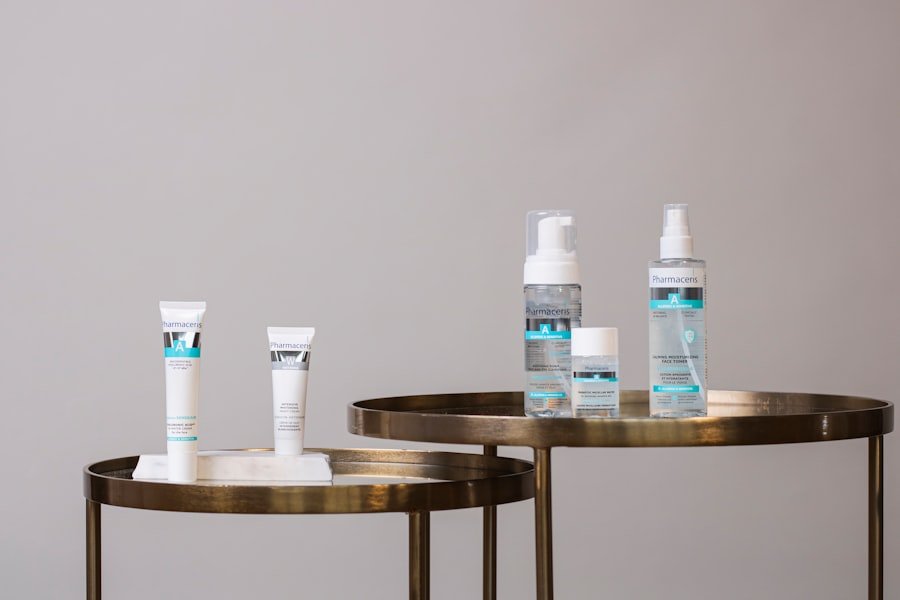
For individuals, particularly women, whose acne is triggered or exacerbated by hormonal fluctuations, hormonal therapies can be a very effective treatment option. This approach targets the underlying hormonal imbalances that contribute to acne formation.
Oral Contraceptives (Birth Control Pills): Regulating Hormones
Certain types of birth control pills have been approved by the FDA specifically for treating acne. They work by reducing the amount of androgen hormones in the body, which are known to stimulate oil production.
- How they work: Combined oral contraceptives containing estrogen and progestin help to decrease androgen levels. Androgens can stimulate the sebaceous glands to produce more sebum, leading to clogged pores and acne. By suppressing these hormones, the pills can reduce oil production and consequently, acne.
- Considerations: Not all birth control pills are effective for acne, and they are typically prescribed for women who are also seeking contraception.
- Potential Side Effects: While generally safe, they can have side effects such as mood changes, weight fluctuations, and an increased risk of blood clots in some individuals.
- Pro Tip: It’s important to discuss your acne concerns with your doctor to see if a specific type of birth control pill might be a suitable treatment option for you.
Spironolactone: The Anti-androgen Powerhouse
Spironolactone is a medication primarily used to treat high blood pressure, but it also has anti-androgen properties that make it a valuable tool in treating hormonal acne in women.
- How it works: Spironolactone blocks the effects of androgens on the sebaceous glands, thereby reducing sebum production. It also helps to reduce inflammation.
- Application: Taken orally, usually once or twice a day.
- Potential Side Effects: Increased urination, dizziness, breast tenderness, and irregular menstrual cycles. It is not typically prescribed for men due to potential feminizing side effects.
- Pro Tip: Spironolactone is often a godsend for women with persistent jawline and chin acne, which is commonly linked to hormonal fluctuations. It’s crucial to have regular blood pressure monitoring.
4. In-Office Procedures: Professional Intervention for Stubborn Acne
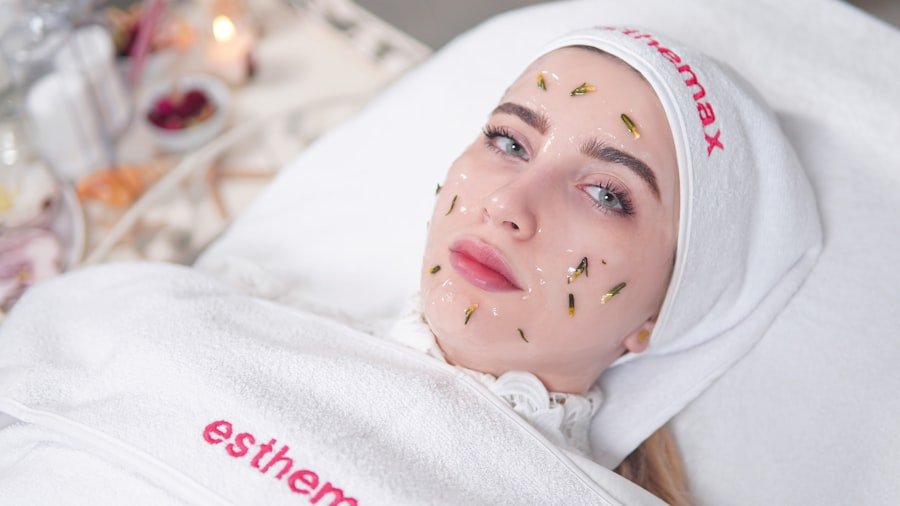
Sometimes, professional intervention is needed to tackle stubborn acne or address the aftermath of breakouts. These procedures are performed by dermatologists or trained aestheticians and can offer targeted solutions.
Chemical Peels: Deep Exfoliation and Rejuvenation
Chemical peels involve applying a chemical solution to the skin, which exfoliates the top layers and encourages new skin cell growth. They can help to unclog pores, reduce inflammation, and improve skin texture.
- How they work: The chemical solution dissolves the bonds that hold dead skin cells together, allowing them to slough off. This unblocks pores, reduces inflammation, and can improve the appearance of acne scars.
- Types: Peels vary in strength, from superficial (using mild acids like salicylic acid or glycolic acid) to deep (using stronger agents like phenol). Superficial peels are more commonly used for acne.
- Application: Performed in a dermatologist’s office or a licensed spa. The skin may be red and flaky for a few days after the treatment.
- Potential Side Effects: Redness, stinging, peeling, temporary hyperpigmentation (darkening of the skin), and in rare cases, scarring.
- Pro Tip: Chemical peels can be particularly effective in combination with other acne treatments to accelerate skin clearing and improve overall skin tone.
Laser and Light Therapies: Targeted Treatment for Inflammation and Bacteria
Various laser and light-based therapies can be used to target acne. These treatments focus on reducing inflammation, killing acne-causing bacteria, and improving the appearance of acne scars.
- How they work:
- Blue light therapy: Targets and destroys P. acnes bacteria without harming the skin.
- Red light therapy: Helps to reduce inflammation and promote healing.
- Pulsed dye laser (PDL): Targets blood vessels that contribute to acne inflammation and can also help with redness left by acne.
- Fractional lasers: Can improve the appearance of acne scars and texture by stimulating collagen production.
- Application: Performed in a dermatologist’s office. Multiple sessions are typically required.
- Potential Side Effects: Temporary redness, swelling, and mild discomfort. Sun sensitivity is also a consideration.
- Pro Tip: These therapies are often best suited for inflammatory acne or for addressing the scarring that can result from breakouts. They are generally well-tolerated.
Extractions and Cortisone Injections: For Immediate Relief
When you have a large, painful cyst that you want to address quickly, your dermatologist might offer in-office treatments for immediate relief.
- Extractions: Dermatologists can safely extract blackheads and whiteheads using sterile instruments. This is best done by a professional to avoid further inflammation and scarring.
- Cortisone Injections: For large, painful, inflamed cysts, a corticosteroid injection can be administered directly into the lesion. This rapidly reduces inflammation and can shrink the cyst within a day or two.
- Application: Performed during an office visit.
- Potential Side Effects of Cortisone Injections: Temporary skin thinning, a small indentation at the injection site, and in rare cases, pustule formation.
- Pro Tip: While tempting, resist the urge to pick or pop your pimples at home. Leave extractions and injections to the professionals to prevent complications.
5. Lifestyle Adjustments and Home Care: Supporting Your Treatment Plan
| Treatment | Effectiveness | Side Effects | Cost |
|---|---|---|---|
| Topical retinoids | High | Skin irritation, dryness | |
| Antibiotics | Moderate | Stomach upset, sun sensitivity | |
| Oral contraceptives | High | Weight gain, mood changes | |
| Isotretinoin | Very high | Dry skin, birth defects |
While medications and procedures are crucial, your daily habits and at-home care play a vital supporting role in achieving and maintaining clear skin. These seemingly small changes can have a significant impact.
Gentle Cleansing: The Foundation of Good Skin
Cleansing your skin twice a day is essential to remove excess oil, dirt, and makeup that can clog pores. However, over-cleansing or using harsh products can strip your skin of its natural oils, leading to irritation and potentially more breakouts.
- What to do: Use a gentle, non-comedogenic cleanser (meaning it won’t clog pores). Look for formulations that are sulfate-free and pH-balanced. Wash with lukewarm water.
- What to avoid: Harsh scrubbing, abrasive exfoliants (especially if you have active inflammation), and cleansers containing alcohol or strong fragrances.
- Pro Tip: Don’t forget to cleanse your face after exercising to remove sweat, which can contribute to breakouts.
Moisturize, Moisturize, Moisturize: Hydration is Key
It might seem counterintuitive to moisturize oily, acne-prone skin, but doing so is crucial. Many acne treatments can be drying, and skipping moisturizer can lead your skin to overcompensate by producing even more oil.
- What to do: Choose an oil-free, non-comedogenic moisturizer. Gel-based or water-based formulations are often ideal.
- What to avoid: Heavy, occlusive creams that can clog pores.
- Pro Tip: Even if your skin feels oily, a light moisturizer will help maintain your skin’s barrier function and prevent excessive dryness that can worsen inflammation.
Sun Protection: Your Skin’s Best Friend
Many acne treatments, especially retinoids and oral antibiotics, increase your skin’s sensitivity to the sun. UV exposure can also worsen post-inflammatory hyperpigmentation (the dark marks left behind after pimples).
- What to do: Apply a broad-spectrum sunscreen with an SPF of 30 or higher daily, even on cloudy days. Look for oil-free or mineral-based sunscreens that are non-comedogenic.
- What to avoid: Prolonged sun exposure without protection.
- Pro Tip: Sunscreen is not just about preventing sunburn; it’s a critical step in preventing further skin damage and discoloration from acne.
Diet and Stress Management: The Internal Factors
What you put into your body and how you manage stress can profoundly impact your skin. While the direct link between specific foods and acne is debated, a balanced diet and stress reduction are always beneficial for overall health, including skin health.
- Diet: While research is ongoing, some studies suggest a link between high-glycemic index foods (refined carbohydrates, sugary drinks) and dairy consumption with acne flares in some individuals. Focusing on a whole-foods diet rich in fruits, vegetables, and lean proteins is generally recommended.
- Stress: When you’re stressed, your body produces cortisol, a hormone that can increase oil production and inflammation. Finding healthy ways to manage stress, such as exercise, meditation, yoga, or spending time in nature, can be beneficial.
- Pro Tip: Pay attention to your own body and see if you notice any dietary triggers or if stress consistently worsens your breakouts. This personal observation can be very valuable.
Proper Pillowcase Hygiene: Don’t Rub It In
Your pillowcase can accumulate oil, dirt, and bacteria that can transfer to your face overnight, potentially contributing to breakouts.
- What to do: Change your pillowcase regularly, ideally every couple of days.
- What to avoid: Using the same pillowcase for extended periods.
- Pro Tip: Consider using silk or satin pillowcases, which are less absorbent and may cause less friction against your skin.
Embarking on the journey to clear skin is a process, and it often involves trial and error. This comprehensive listicle has provided you with a detailed roadmap of the best treatments available. Remember, consistency is key, and patience will be rewarded. Consult with your dermatologist to create a personalized treatment plan that addresses your specific acne concerns and skin type. You’ve got this!
FAQs
What are the best treatments for acne?
The best treatments for acne include over-the-counter products containing benzoyl peroxide or salicylic acid, prescription medications like retinoids and antibiotics, and in-office treatments such as chemical peels, laser therapy, and corticosteroid injections.
How does benzoyl peroxide work to treat acne?
Benzoyl peroxide works by reducing the amount of acne-causing bacteria on the skin, unclogging pores, and reducing inflammation. It is available in various strengths and formulations, including gels, lotions, and washes.
What are retinoids and how do they help with acne?
Retinoids are a class of medications derived from vitamin A that help to unclog pores, reduce inflammation, and promote cell turnover. They are available in both topical and oral forms and are commonly used to treat acne.
What are the potential side effects of acne treatments?
Common side effects of acne treatments include dryness, redness, peeling, and irritation of the skin. Some prescription medications may also cause increased sensitivity to sunlight and potential birth defects if used during pregnancy.
Are there any natural remedies for acne?
Some natural remedies for acne include tea tree oil, witch hazel, and green tea extract. However, it’s important to note that the effectiveness of these remedies varies and they may not work for everyone. It’s always best to consult with a dermatologist before trying any natural remedies for acne.