
You’re here because you’re tired of battling breakouts, but your skin reacts to everything. You’ve likely scrolled through countless “miracle cures” only to be met with redness, irritation, and frustration. As your Listicle Content Architect (LCA), I understand the unique challenge of treating acne when your skin is the equivalent of delicate porcelain. The good news? It’s absolutely possible to achieve clearer skin without causing a full-blown epidermal rebellion. You just need a strategic, gentle approach.
This isn’t about harsh chemicals or aggressive treatments that strip your skin bare. This is about understanding your sensitive skin’s needs and choosing ingredients and practices that work with it, not against it. Throughout this listicle, I’ll guide you through the essential elements of an effective and gentle acne treatment routine, ensuring you can finally say goodbye to those pesky blemishes without saying hello to a whole host of new skin concerns. Get ready to discover the secrets to a calm, clear complexion.
Before you even consider an acne treatment, you need to truly understand what makes your skin “sensitive.” This isn’t just about redness; it’s a multifaceted reaction to stimuli that would barely register on more robust skin types. For you, this sensitivity can manifest in various ways, and recognizing these signs is the crucial first step in building an effective, yet gentle, acne treatment plan. Ignoring this foundational understanding is like trying to build a house on shifting sand – it’s doomed to instability.
1.1 Defining Sensitivity: More Than Just Redness
Your skin’s sensitivity isn’t a singular entity. It’s a spectrum, a nuanced response. You might notice that your skin:
- Flushes easily: Exposure to temperature changes, certain foods, stress, or even just touching your face can trigger visible redness. This is often due to a compromised skin barrier, making blood vessels more reactive.
- Feels tight and uncomfortable: Even if it doesn’t look red, your skin might feel perpetually drawn, dry, and itchy. This is a classic sign of a weakened moisture barrier, which is fundamental for all skin health, including acne control.
- Reacts to specific ingredients: You know the story – a new product, touted as amazing, ends up stinging, burning, or causing a rash. Common culprits include fragrances, certain alcohols, harsh sulfates, and even some essential oils.
- Is prone to inflammation: Beyond acne itself, you might find your skin is more susceptible to inflammatory conditions like rosacea or perioral dermatitis, making acne treatment even trickier.
- Heals slowly: Wounds, blemishes, or even minor irritation seem to linger longer on your skin. This is another indicator of a compromised barrier function.
1.2 Identifying Your Specific Triggers
Once you understand the general characteristics of sensitive skin, the next vital step is to pinpoint your personal triggers. This requires diligent observation and perhaps a touch of detective work. Think of it as building a personal “Do Not Use” list for your skincare.
- Product Ingredients: Keep a mental or physical note of ingredients that have historically caused a reaction. This is where the “less is more” philosophy truly shines. You’ll want to scrutinize ingredient lists for common sensitizers.
- Environmental Factors:
- Temperature Extremes: Hot showers, cold winds, or sudden shifts between indoor and outdoor temperatures can wreak havoc.
- Pollution: City dwellers may find environmental pollutants exacerbate their skin’s sensitivity and acne.
- Sun Exposure: While essential for Vitamin D, unprotected sun exposure can dehydrate and irritate sensitive skin, making it more prone to breakouts.
- Lifestyle Habits:
- Diet: Certain foods, like dairy, sugar, or spicy meals, can trigger inflammation and acne in some individuals. While not purely a “sensitivity” trigger, it can amplify existing inflammatory responses.
- Stress: The mind-body connection is undeniable. High stress levels can lead to hormonal fluctuations that trigger acne and worsen skin sensitivity.
- Sleep: Inadequate sleep impairs the skin’s ability to repair and regenerate, making it more vulnerable.
- Physical Irritants:
- Harsh Exfoliation: Scrubbing too aggressively or using abrasive physical exfoliants is a surefire way to irritate sensitive skin.
- Over-washing: Stripping your skin of its natural oils too often can disrupt its barrier function.
- Certain Fabrics: Rough or synthetic fabrics can sometimes cause irritation.
1.3 The Importance of a Compromised Skin Barrier
At the heart of sensitive skin lies a compromised skin barrier. Think of your skin barrier like a brick wall. Healthy skin has tightly packed “bricks” (skin cells) held together by “mortar” (lipids). This barrier prevents moisture from escaping and harmful irritants from entering. When this barrier is compromised, the “mortar” is weakened, leaving gaps.
- Increased Water Loss (TEWL): Transepidermal Water Loss (TEWL) is the amount of water that evaporates from your skin. A damaged barrier allows more water to escape, leading to dryness, tightness, and flakiness, even if you have oily skin.
- Heightened Reactivity: With those gaps in your barrier, irritants can penetrate deeper into your skin, triggering inflammatory responses, redness, and that dreaded stinging sensation.
- Impaired Healing: A compromised barrier means your skin is less efficient at healing and repairing itself, making acne marks linger and new breakouts more likely.
Therefore, any acne treatment for sensitive skin must prioritize barrier repair and protection. You’re not just fighting acne; you’re rebuilding and strengthening the very foundation of your skin’s health.
2. Gentle Cleansing: The Foundation of Your Routine
Cleansing is the first and arguably one of the most crucial steps in any skincare routine, but for sensitive, acne-prone skin, it’s a delicate dance. You need to effectively remove impurities, excess oil, and makeup without stripping your skin of its natural moisture or causing irritation. Over-cleansing or using the wrong type of cleanser can disrupt your already fragile skin barrier, leading to increased dryness, redness, and even exacerbating your acne. This section will guide you toward the perfect, gentle cleanse.
2.1 Foaming vs. Non-Foaming: Knowing the Difference
The suds you see in a cleanser aren’t always your friend, especially when your skin is sensitive.
- Foaming Cleansers: These often contain surfactants like sodium lauryl sulfate (SLS) or sodium laureth sulfate (SLES). While effective at removing oil and dirt, these surfactants can be quite stripping and drying, leading to that tight, uncomfortable feeling. If you opt for a foaming cleanser, look for very mild sulfate-free formulas.
- Non-Foaming Cleansers: These are generally cream, lotion, or gel-based and rely on gentler cleansing agents. They are less likely to disrupt your skin’s natural moisture balance. Many are designed to be hydrating and soothing, making them an ideal choice for sensitive skin.
2.2 Cleanser Ingredients to Embrace (and Avoid)
The ingredient list on your cleanser is paramount. Here’s what to look for and what to steer clear of:
Ingredients to Embrace:
- Glycerin: A humectant that draws moisture into the skin, helping to keep it hydrated.
- Hyaluronic Acid: Another powerful humectant that can hold up to 1000 times its weight in water, plumping and hydrating the skin.
- Ceramides: These are naturally occurring lipids that form a crucial part of your skin barrier. Replenishing them helps repair and strengthen it.
- Niacinamide (Vitamin B3): A superstar ingredient that can help calm inflammation, reduce redness, improve barrier function, and even regulate oil production – all incredibly beneficial for sensitive, acne-prone skin.
- Fatty Acids (e.g., Shea Butter, Squalane): These help to replenish the skin’s natural oils and improve its suppleness.
- Chamomile Extract, Calendula Extract, Aloe Vera: These botanical extracts are known for their soothing and anti-inflammatory properties.
Ingredients to Avoid:
- Sulfates (SLS, SLES): As mentioned, these are harsh surfactants that can strip the skin.
- Fragrance (Parfum): This is a very common irritant for sensitive skin, even if it’s listed as “natural fragrance.”
- Alcohol Denat. (Denatured Alcohol): While some fatty alcohols are beneficial, denatured alcohol is highly drying and can irritate the skin.
- Essential Oils: While some can have benefits, many essential oils (like tea tree, peppermint, or citrus oils) can be too potent and irritating for sensitive skin, especially in leave-on products or high concentrations.
- Harsh Preservatives: Some preservatives can be problematic. Look for gentle preservative systems.
- Beads or Granules (Physical Exfoliants): Avoid cleansers with physical exfoliants unless specifically formulated for sensitive skin at a very low grit.
2.3 The Double Cleansing Method: A Sensitive Skin Adaptation
Double cleansing involves using two different cleansers in succession. Traditionally, it starts with an oil-based cleanser or balm to break down makeup and sunscreen, followed by a water-based cleanser to remove any remaining residue. For sensitive skin, this method can be adapted to be incredibly gentle and effective.
- Step 1: The Gentle Oil Cleanse: Instead of a traditional cleansing oil, opt for a mild cleansing balm or a cleansing oil formulated for sensitive skin. Look for ingredients like squalane, jojoba oil, or sunflower seed oil. Apply this to dry skin and gently massage to dissolve makeup, sunscreen, and impurities. Avoid any harsh rubbing. Rinse thoroughly with lukewarm water.
- Step 2: The Hydrating Water-Based Cleanse: Follow up with your chosen gentle, non-foaming cleanser. This step ensures all lingering residue is removed without stripping your skin. Again, use lukewarm water and be gentle with your hands.
The key here is to use the mildest possible oil or balm and ensure your second cleanser is also exceptionally gentle and hydrating. This method effectively cleanses without compromising your skin barrier.
2.4 Water Temperature Matters
This might seem like a minor detail, but it’s crucial for sensitive skin.
- Avoid Hot Water: Hot water strips your skin of its natural oils much faster than lukewarm or cool water. It can also dilate blood vessels, leading to increased redness.
- Embrace Lukewarm or Cool Water: Lukewarm water is generally ideal for cleansing. It’s effective enough to remove impurities but gentle enough not to strip your skin. Cool water can be particularly soothing and help to reduce inflammation and redness.
By focusing on these gentle cleansing principles, you’re setting the stage for successful acne treatment by ensuring your skin is clean, calm, and ready to receive therapeutic ingredients.
3. Targeted Treatments: Ingredients That Conquer Acne Gently
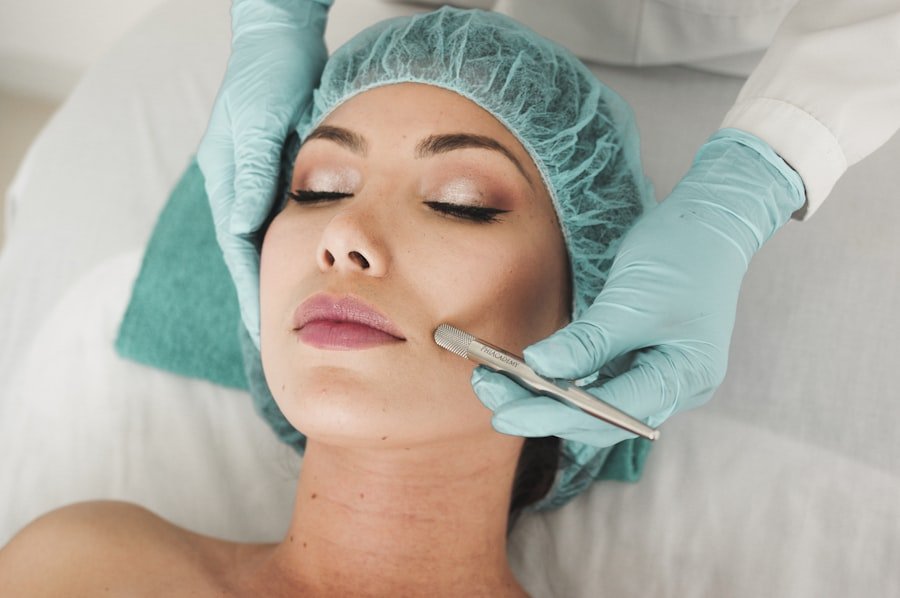
Now that you have a clean canvas, it’s time to talk about the active ingredients that can tackle your acne without turning your sensitive skin into a fire hazard. This is where careful selection and understanding of ingredient properties become paramount. The goal is to choose potent yet mild ingredients that address the root causes of acne – clogged pores, bacteria, and inflammation – without compromising your skin’s delicate nature.
3.1 A Closer Look at Gentle Exfoliants
Exfoliation is essential for removing dead skin cells that can clog pores, but harsh physical scrubs or high-concentration chemical exfoliants are a no-go for sensitive skin. Fortunately, there are gentler options that work wonders.
- Salicylic Acid (BHA): This is your acne-fighting hero. Unlike AHAs which primarily work on the skin’s surface, salicylic acid is oil-soluble. This means it can penetrate into your pores to dissolve sebum and dead skin cells, preventing clogs.
- Sensitive Skin Strategy: Look for lower concentrations (0.5% to 1%). Start by using it only a few times a week, perhaps as a spot treatment or in a rinse-off product. Many gentle toners or cleansers contain low concentrations of salicylic acid that are well-tolerated.
- Benefits: Unclogs pores, reduces inflammation, has mild anti-bacterial properties.
- Mandelic Acid (AHA): This is an alpha-hydroxy acid with a larger molecule size, meaning it penetrates the skin more slowly and gently.
- Sensitive Skin Strategy: It’s often well-tolerated by those who find glycolic acid too harsh. Look for it in toners or serums.
- Benefits: Exfoliates the skin’s surface, improves texture, and can help with post-inflammatory hyperpigmentation (dark marks left by acne).
- PHAs (Polyhydroxy Acids) like Gluconolactone and Lactobionic Acid: These are the most gentle exfoliating acids. They have larger molecules than AHAs and are also humectants, meaning they attract and bind water to the skin, providing hydration.
- Sensitive Skin Strategy: These are excellent for regular use, even daily, for sensitive skin. They help to slough away dead skin cells without causing significant irritation or dryness.
- Benefits: Gentle exfoliation, hydration, antioxidant properties, barrier support.
3.2 The Power of Niacinamide
You may have seen niacinamide mentioned before, and that’s because it’s a true multitasker for sensitive, acne-prone skin. It addresses multiple concerns simultaneously.
- Sensitive Skin Strategy: Look for it in moisturizers, serums, or toners. Concentrations between 2% and 5% are generally well-tolerated and effective. Higher concentrations (up to 10%) can be beneficial but may require a patch test and gradual introduction for very sensitive individuals.
- Benefits:
- Anti-inflammatory: Significantly calms redness and irritation associated with acne and sensitivity.
- Barrier Support: Strengthens the skin barrier, reducing water loss and improving resilience.
- Sebum Regulation: Helps to balance oil production, reducing the excess sebum that contributes to clogged pores.
- Reduces Redness: Effectively diminishes the redness of active breakouts and post-inflammatory erythema.
- Minimizes Pore Appearance: While it doesn’t shrink pores, it can improve their appearance by keeping them clear and by thickening the epidermis.
3.3 Benzoyl Peroxide: Use with Extreme Caution (or Not at All)
Benzoyl peroxide is a highly effective acne treatment because it kills acne-causing bacteria (P. acnes) and helps to unclog pores. However, it’s also notorious for causing dryness, redness, and peeling, making it a challenging ingredient for sensitive skin.
- Sensitive Skin Strategy:
- Lowest Concentration: If you decide to try it, opt for the lowest concentration available (2.5% or 5%). Higher concentrations (10%) are generally too harsh.
- Short Contact Therapy: Instead of leaving it on overnight, try using it as a “short contact therapy.” Apply it to breakout areas, leave it on for just 5-10 minutes, and then rinse thoroughly.
- Spot Treatment Only: Use it only on active blemishes, not all over your face.
- Apply After Moisturizer: Some people find applying a layer of moisturizer before benzoyl peroxide can buffer its effects and reduce irritation.
- Consider Alternatives: Honestly, for very sensitive skin, it might be best to explore other options first and re-evaluate benzoyl peroxide if other treatments fail. There are often gentler alternatives that achieve similar results.
3.4 Azelaic Acid: The Underrated Gem
Azelaic acid is a dicarboxylic acid that offers a unique combination of benefits for acne and sensitivity. It’s often overlooked but deserves a prominent place in your routine.
- Sensitive Skin Strategy: It’s generally well-tolerated, even by those with rosacea. Look for it in serums, creams, or gels. It’s available both over-the-counter (OTC) in lower concentrations (around 10%) and by prescription in higher strengths.
- Benefits:
- Anti-inflammatory: Excellent at reducing redness and inflammation.
- Antibacterial: Helps to kill P. acnes bacteria.
- Reduces Comedones: Effective at treating blackheads and whiteheads by helping to unclog pores.
- Improves Post-Inflammatory Hyperpigmentation (PIH): Can help to lighten dark spots left by acne.
- Gentle Exfoliation: Offers a mild exfoliating effect.
3.5 “Spot Treatments” for Sensitive Skin
When you have a particularly stubborn zit, a spot treatment can feel like a lifesaver. However, many traditional spot treatments are too harsh.
- Look for “Gentle” or “Soothing” Formulations: Many brands now offer spot treatments specifically designed for sensitive skin. These will often contain ingredients like salicylic acid at a lower concentration, niacinamide, or sulfur.
- Sulfur: Sulfur is a good alternative to benzoyl peroxide for killing bacteria and unclogging pores, and it’s generally less irritating. Look for it in spot treatments or masks.
- Hydrocolloid Patches: These are excellent for sensitive skin. They absorb pus and fluid from pimples, creating a moist environment that promotes healing and prevents you from picking. They also act as a physical barrier, protecting the spot from external irritants and bacteria.
When incorporating any new active ingredient, always remember to patch test on a small, inconspicuous area of your skin before applying it to your entire face. Start slowly, observe your skin’s reaction, and adjust accordingly.
4. Moisturizing and Hydration: The Key to a Stronger Barrier
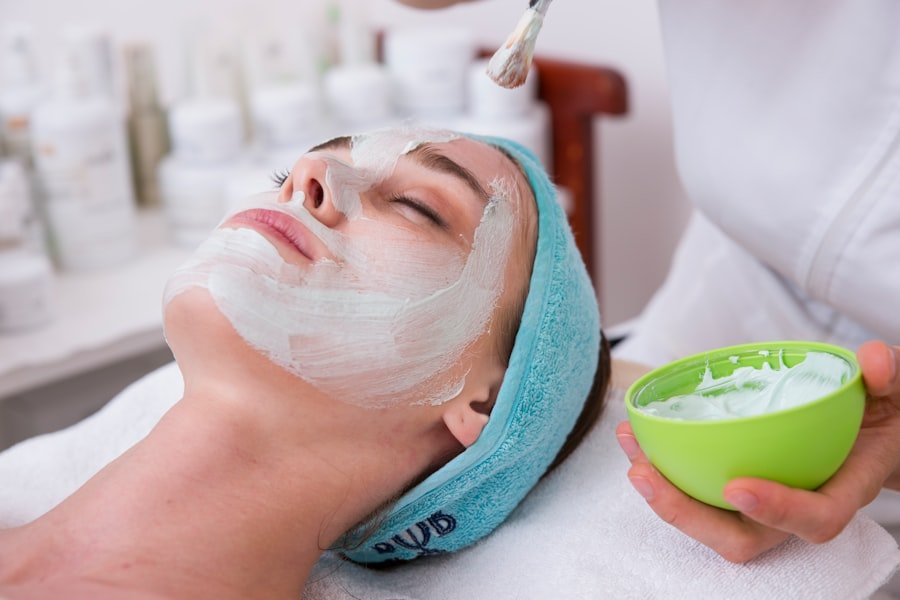
Many people with oily, acne-prone skin mistakenly believe they should skip moisturizer. This is a critical error, especially when your skin is also sensitive. A compromised skin barrier, common in sensitive skin, leads to increased transepidermal water loss (TEWL), making your skin dehydrated. When your skin is dehydrated, it can actually produce more oil to compensate, leading to more breakouts. Therefore, a good moisturizer is not optional; it’s essential for both hydration and barrier repair.
4.1 Decoding “Non-Comedogenic” and “Hypoallergenic”
These terms are important when shopping for moisturizers for acne-prone, sensitive skin, but they aren’t always guarantees.
- Non-Comedogenic: This means the product has been formulated in a way that is less likely to clog your pores. However, individual reactions can still occur. It’s a good starting point, but not the sole indicator of suitability.
- Hypoallergenic: This implies the product has been formulated to minimize the risk of allergic reactions. While reassuring, it doesn’t mean a reaction is completely impossible, especially for highly sensitive individuals.
4.2 Selecting the Right Moisturizer Texture
The texture of your moisturizer can significantly impact how your skin feels and reacts.
- Lightweight Lotions and Gels: These are excellent for oily or combination, sensitive, acne-prone skin. They provide hydration without feeling heavy or greasy, and are less likely to clog pores. Look for oil-free formulations.
- Cream Moisturizers: If you have drier sensitive skin that also experiences acne, a slightly richer cream might be necessary. Focus on formulations with ceramides, hyaluronic acid, and gentle emollients. Ensure they are still labeled “non-comedogenic.”
- Emulsions: These fall somewhere between lotions and creams, offering a balanced level of hydration without being too heavy.
4.3 Essential Hydrating Ingredients Your Skin Will Love
| Treatment | Effectiveness | Gentleness | Price |
|---|---|---|---|
| Cleanser | 4/5 | 5/5 | |
| Moisturizer | 3/5 | 4/5 | |
| Spot Treatment | 5/5 | 5/5 |
When choosing a moisturizer, pay close attention to the ingredients that will actively hydrate and support your skin barrier.
- Humectants: These ingredients draw moisture from the air into your skin.
- Hyaluronic Acid: As mentioned, this is a superstar for hydration.
- Glycerin: A fundamental humectant that is almost always beneficial.
- Sodium PCA: Another excellent humectant that helps maintain the skin’s natural moisture.
- Urea: In lower concentrations, urea is a powerful humectant and can also help with gentle exfoliation.
- Emollients: These ingredients smooth and soften the skin by filling in the gaps between skin cells.
- Squalane: A very stable and biocompatible oil that is excellent for all skin types, including sensitive and acne-prone. It mimics your skin’s natural sebum.
- Fatty Acids: Such as linoleic acid and oleic acid (found in oils like sunflower, safflower, and jojoba).
- Shea Butter: In moderate amounts, it can be very nourishing and healing for dry, sensitive skin.
- Occlusives: These ingredients form a protective layer on the skin’s surface to prevent moisture loss. You want them in moderation for acne-prone skin.
- Dimethicone: A silicone that creates a smooth, protective barrier without being overly heavy.
- Petrolatum (Vaseline): While highly effective as an occlusive, it can be too heavy and pore-clogging for many acne-prone individuals. Use with extreme caution, if at all, and only on very dry, irritated patches.
4.4 Ingredients to Approach with Caution in Moisturizers
Even in moisturizers, certain ingredients can trigger sensitivity or breakouts.
- Fragrance: Always avoid added fragrances in your moisturizer. Look for “fragrance-free” on the label.
- Dyes/Colorants: These offer no benefit and can be potential irritants.
- Certain Alcohols: Stearyl alcohol, cetyl alcohol, and cetearyl alcohol are “fatty alcohols” that are generally beneficial and emollient. However, avoid “denatured alcohol” or “SD alcohol.”
- Comedogenic Oils: While many plant-based oils are beneficial, some, like coconut oil, cocoa butter, or mineral oil (in higher concentrations), can be more prone to clogging pores for some individuals.
4.5 The Power of a Soothing Serum Pre-Moisturizer
For an extra layer of defense and repair, consider a soothing serum before your moisturizer.
- Niacinamide Serums: Excellent for calming inflammation and strengthening the barrier.
- Centella Asiatica (Cica) Serums: Known for its incredible healing and soothing properties.
- Hyaluronic Acid Serums: To boost hydration before sealing it in with your moisturizer.
By prioritizing hydration and barrier support with the right moisturizer, you’re not only making your skin more comfortable but also creating a more resilient skin environment that can better fight acne.
5. Lifestyle Modifications and Professional Help
Skincare isn’t just about the products you apply; it’s also about how you live your life. For sensitive, acne-prone skin, adopting certain lifestyle habits and knowing when to seek professional guidance can be just as impactful as your topical treatments. This holistic approach ensures you’re addressing all potential contributing factors to your breakouts.
5.1 Nutrition and Hydration: Fueling Your Skin’s Health
What you put into your body directly affects your skin’s health and its ability to manage inflammation.
- Stay Hydrated: Drink plenty of water throughout the day. This helps maintain your skin’s overall hydration, which can prevent compensatory oil production and keep your barrier functioning optimally. Aim for at least 8 glasses of water daily (more if you’re very active).
- Focus on Anti-inflammatory Foods: Incorporate foods rich in antioxidants and omega-3 fatty acids.
- Fruits and Vegetables: Berries, leafy greens, broccoli, and sweet potatoes are packed with vitamins and antioxidants.
- Healthy Fats: Avocado, nuts, seeds (chia, flax), and oily fish (salmon, mackerel) are rich in omega-3s, which have potent anti-inflammatory benefits.
- Limit Potential Triggers: While individual sensitivities vary, some common culprits for breakout flare-ups include:
- High Glycemic Foods: Refined carbohydrates and sugary snacks can spike blood sugar and insulin levels, potentially leading to increased sebum production and inflammation.
- Dairy: For some individuals, dairy products (especially skim milk) have been linked to increased acne severity.
- Processed Foods: These often contain unhealthy fats, sugar, and artificial ingredients that can promote inflammation throughout the body.
- Consider a Food Diary: If you suspect certain foods are triggering your acne or sensitivity, keeping a food diary for a few weeks can help you identify patterns.
5.2 Stress Management: The Gut-Skin Connection
The relationship between stress and acne is well-documented. When you’re stressed, your body releases cortisol, a hormone that can increase oil production and inflammation, making you more prone to breakouts. For sensitive skin, this inflammation can be even more pronounced.
- Mindfulness and Meditation: Even a few minutes of daily mindfulness or meditation can help lower stress levels.
- Regular Exercise: Physical activity is a fantastic stress reliever. Choose activities you enjoy and can stick with.
- Adequate Sleep: Aim for 7-9 hours of quality sleep per night. During sleep, your body repairs itself, including your skin. Lack of sleep can disrupt hormones and impair skin function.
- Hobbies and Relaxation: Make time for activities that bring you joy and help you unwind, whether it’s reading, listening to music, spending time in nature, or taking a warm bath.
5.3 Gentle Daily Habits Beyond Products
Your daily routine can have a significant impact on your skin’s health and sensitivity.
- Avoid Touching Your Face: Your hands carry a lot of bacteria and dirt, and constantly touching your face can transfer these irritants to your skin, worsening acne and potentially causing further irritation.
- Clean Your Phone Regularly: Your phone screen is a breeding ground for bacteria. Wipe it down daily with an antibacterial wipe.
- Wash Pillowcases Frequently: Aim to wash your pillowcases at least once a week, as they accumulate oil, sweat, and bacteria.
- Be Gentle with Makeup Removal: Always remove makeup thoroughly but gently. Avoid harsh rubbing or scrubbing. Use your gentle cleansing routine.
- Sun Protection is Non-Negotiable: Even on cloudy days, UV rays can damage your skin and exacerbate inflammation. Choose a mineral sunscreen (containing zinc oxide and/or titanium dioxide) as these are generally better tolerated by sensitive skin than chemical sunscreens. Look for formulations that are also oil-free and non-comedogenic.
5.4 When to Consult a Dermatologist
There comes a time when at-home treatments, even the most carefully curated ones, might not be enough. Recognizing when to seek professional help is a sign of smart skincare.
- Persistent or Severe Acne: If your acne is widespread, inflamed, painful, or doesn’t respond to consistent at-home care after several months, it’s time to see a dermatologist.
- Scarring: If your acne is leaving behind significant scarring, a dermatologist can offer treatments to minimize their appearance.
- Signs of Other Skin Conditions: If you suspect you might have rosacea, perioral dermatitis, or another condition mimicking acne, a professional diagnosis is crucial.
- Difficulty Finding Suitable Products: If you’ve tried numerous “sensitive skin” products and are still experiencing reactions, a dermatologist can help identify specific ingredient sensitivities and recommend prescription-strength or specialized formulations.
- Considering Prescription Treatments: Dermatologists can prescribe topical or oral medications that are more potent than OTC options, and they can guide you on how to use them safely with sensitive skin. This might include:
- Topical Retinoids (lower strength, specific formulations): While often irritating, dermatologists can prescribe forms of retinoids that are gentler or advise on strategies to build tolerance.
- Topical or Oral Antibiotics: To combat bacterial infections contributing to acne.
- Hormonal Therapies: For acne linked to hormonal fluctuations.
Your dermatologist is your ally in achieving your clearest, calmest skin. Don’t hesitate to book that appointment if you’re feeling stuck or overwhelmed. They can provide personalized solutions that are tailored to your unique skin needs.
FAQs
What is acne?
Acne is a skin condition that occurs when hair follicles become clogged with oil and dead skin cells, leading to the formation of pimples, blackheads, and whiteheads.
What causes acne in sensitive skin?
Acne in sensitive skin can be caused by a variety of factors, including hormonal changes, genetics, stress, and certain skincare products that may irritate the skin.
How can acne be treated in sensitive skin?
Acne in sensitive skin can be treated with gentle, non-irritating skincare products that are specifically formulated for sensitive skin. This may include using products with ingredients like salicylic acid, benzoyl peroxide, or niacinamide.
Are there any natural remedies for acne in sensitive skin?
Some natural remedies for acne in sensitive skin include using tea tree oil, aloe vera, and green tea extract, which have anti-inflammatory and antibacterial properties that can help reduce acne symptoms.
When should I see a dermatologist for acne in sensitive skin?
If over-the-counter treatments and natural remedies do not improve acne in sensitive skin, it is recommended to see a dermatologist for further evaluation and personalized treatment options.