
Let’s craft a nighttime acne skin care routine that will have your skin thanking you in the morning. As your trusty Listicle Content Architect, I’m here to guide you through the ins and outs of a stellar evening regimen designed to tackle those pesky blemishes, soothe inflammation, and prep your skin for its nightly repair cycle. Forget the guesswork; we’re diving deep into a structured, effective approach that prioritizes healing and prevention.
You’ve navigated a busy day, and your skin has borne the brunt of it – makeup, pollution, sweat, and oil. This is where your nighttime routine truly begins. A thorough cleanse is non-negotiable. It’s the foundation upon which all other treatments will build. Skipping this step is like trying to paint a masterpiece on a dirty canvas; your active ingredients simply won’t penetrate effectively.
Double Cleansing: The Ultimate Grime Buster
This might sound like overkill, but trust me, for acne-prone skin, it’s a game-changer. The two-step approach ensures every last trace of impurity is removed, paving the way for subsequent treatments.
Step 1: Oil-Based Cleanser or Micellar Water
The first step is all about dissolving oil-based impurities. Think makeup, sunscreen, and excess sebum. You have two excellent options here:
- Oil Cleanser: Look for lightweight, non-comedogenic oils like jojoba, squalane, or mineral oil. Gently massage a small amount onto your dry skin. Feel it break down your makeup and sunscreen. Then, add a little water to emulsify it, turning it milky. Rinse thoroughly.
- Micellar Water: This is a fantastic alternative for those who prefer a water-based approach or have very sensitive skin. Soak a cotton pad and gently swipe it across your face until no more makeup or dirt transfers. You might need a few passes to get everything.
Step 2: Water-Based Cleanser: The Deep Dive
Now that the surface layer of grime is gone, it’s time for a deeper clean to remove any remaining residue and thoroughly cleanse your pores.
- Gentle, Foaming Cleanser: For acne-prone skin, a foaming cleanser is often ideal. Look for ingredients like salicylic acid (a beta-hydroxy acid, or BHA) or tea tree oil, which have anti-inflammatory and antibacterial properties. However, be mindful of harsh sulfates that can strip your skin.
- How to Use: Apply a pea-sized amount to damp skin and lather gently, focusing on areas prone to breakouts. Avoid harsh scrubbing; use light, circular motions. Rinse thoroughly with lukewarm water, never hot, as hot water can strip your skin’s natural oils and worsen inflammation.
Crucial Cleansing Considerations
- Avoid Over-Stripping: While thorough cleansing is key, don’t fall into the trap of using harsh, stripping cleansers that leave your skin feeling tight and dry. This can actually trigger more oil production as your skin tries to compensate.
- Listen to Your Skin: If your skin feels overly sensitive, red, or irritated after cleansing, you might be using a product that’s too aggressive. Stick to gentle formulas.
- Towel Dry Gently: Pat your face dry with a clean, soft towel. Avoid rubbing, which can irritate your skin.
2. The Powerhouse Treatment: Targeting Acne Actives
Once your skin is clean and prepped, it’s time to introduce the stars of the show: your acne-fighting ingredients. These are the ingredients that actively work to reduce inflammation, kill bacteria, and unclog pores. Consistency is paramount here, so choose your actives wisely and use them regularly.
Salicylic Acid: The Pore-Penetrating Hero
Salicylic acid is a BHA, meaning it’s oil-soluble. This is crucial because it can penetrate deep into your pores, dissolving the sebum and dead skin cells that contribute to breakouts.
- What it Does: Exfoliates inside the pore, reduces inflammation, and has mild antibacterial properties.
- Forms to Use:
- Leave-on Treatments: Serums or toners containing 1-2% salicylic acid are excellent for nightly use. Apply a thin layer after cleansing.
- Spot Treatments: For active breakouts, a targeted salicylic acid spot treatment can provide faster relief.
- Caution: Start with a lower concentration and use it a few times a week if your skin is sensitive. Overuse can lead to dryness and irritation.
Benzoyl Peroxide: The Bacterial Buster
Benzoyl peroxide is a potent ingredient that kills acne-causing bacteria (Propionibacterium acnes). It also helps to shed dead skin cells and unclog pores.
- What it Does: Kills acne bacteria, reduces inflammation, and unclogs pores.
- Forms to Use:
- Leave-on Treatments: Creams or gels in concentrations of 2.5% to 10%. Start with a lower concentration (2.5% or 5%) as higher concentrations can be more irritating.
- Wash-off Treatments: For a less intense application, a benzoyl peroxide cleanser can be used a few times a week.
- Caution: Benzoyl peroxide can bleach fabrics, so be mindful of your pillowcases and clothing. It can also be drying and cause redness, so introduce it gradually and pair it with a good moisturizer.
Retinoids: The Ultimate Skin Rejuvenators
Retinoids are vitamin A derivatives and are considered the gold standard for acne treatment and anti-aging. They work by increasing cell turnover, preventing pores from becoming clogged, and reducing inflammation.
- What They Do: Speed up cell turnover, prevent clogged pores, reduce inflammation, and improve overall skin texture.
- Types of Retinoids:
- Over-the-Counter (OTC) Retinoids: Adapalene (available in products like Differin Gel) is a widely recognized OTC retinoid that is effective for acne. Retinol is another option, but it’s generally less potent than adapalene.
- Prescription Retinoids: Tretinoin and Isotretinoin are stronger prescription-strength retinoids that your dermatologist can prescribe for more persistent acne.
- How to Use: Apply a pea-sized amount to dry skin after cleansing.
- Caution: Retinoids can cause initial dryness, redness, and peeling (the “retinoid uglies”). Start slowly, perhaps every other night, and gradually increase frequency as your skin adjusts. Always wear sunscreen during the day as retinoids increase photosensitivity.
Niacinamide: The Soothing Support System
While not a direct acne fighter in the same way as the above, niacinamide (a form of vitamin B3) is a powerhouse ingredient that complements acne treatments wonderfully.
- What it Does: Reduces inflammation and redness, regulates oil production, strengthens the skin barrier, and can help minimize the appearance of pores.
- How to Use: Look for serums or moistuizers containing niacinamide. It can be used daily, even in conjunction with other active ingredients.
3. Hydration for Healing: The Unsung Hero
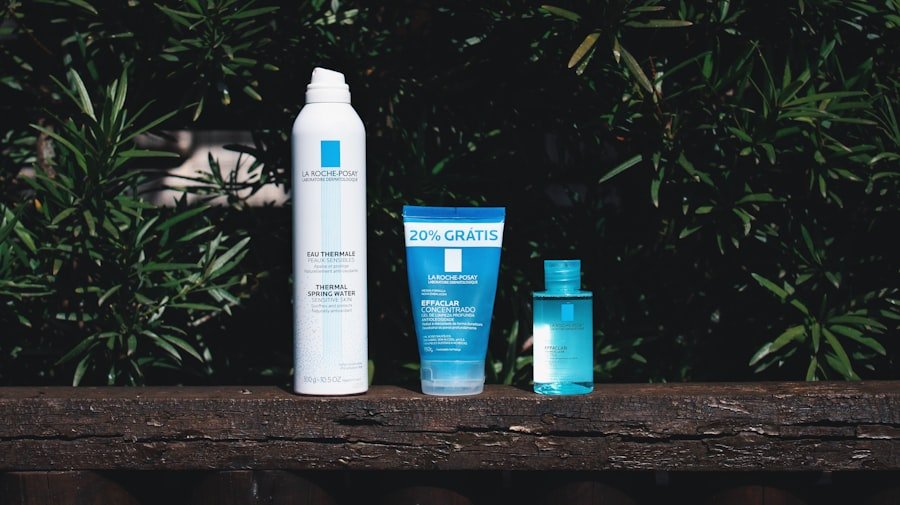
It might seem counterintuitive, but moisturizing is crucial for acne-prone skin. Dehydrated skin can overcompensate by producing even more oil, leading to more breakouts. Proper hydration also helps your skin repair itself overnight and can soothe irritation caused by potent acne treatments.
Lightweight, Non-Comedogenic Moisturizers
The key here is “lightweight” and “non-comedogenic.” You don’t want to clog your pores further.
- Gel or Lotion Formulations: These are ideal for oily and acne-prone skin types as they are typically water-based and absorb quickly.
- Look for Key Ingredients:
- Hyaluronic Acid: A humectant that draws moisture into the skin without feeling heavy.
- Glycerin: Another excellent humectant that helps hydrate and soften skin.
- Ceramides: Essential for repairing and strengthening the skin barrier, which is often compromised in acne-prone skin.
- Niacinamide (again!): As mentioned, it helps with oil regulation and inflammation.
When to Apply
Apply your moisturizer after your treatment serums but before any occlusive treatments (if you use them). Ensure your skin is still slightly plump with moisture from the previous steps for optimal absorption.
Don’t Forget the Delicate Eye Area
While we’re focusing on acne, don’t neglect the delicate skin around your eyes. Use a separate, lightweight eye cream specifically formulated for this area. Avoid applying your acne treatments too close to your eyes, as they can cause irritation.
4. Targeted Treatments: Addressing Specific Concerns
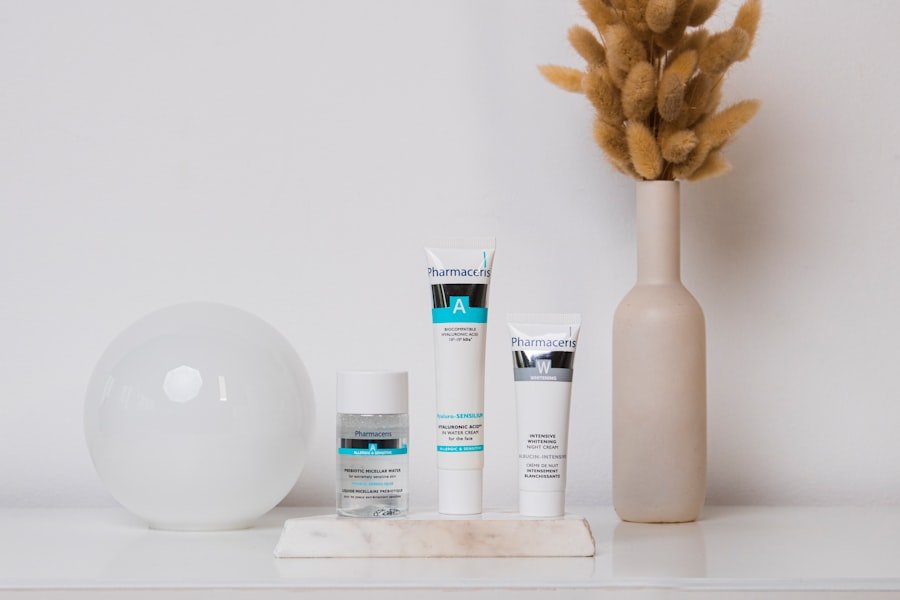
Beyond the general acne-fighting actives, there are a few targeted treatments you can incorporate into your nighttime routine to address specific acne-related concerns, like inflammation, hyperpigmentation, or scarring.
Spot Treatments: For Those Stubborn Spots
When a pimple rears its ugly head, a targeted spot treatment can help speed up its demise.
- Ingredients to Look For:
- Salicylic Acid: As discussed, great for unclogging and reducing inflammation.
- Benzoyl Peroxide: Excellent for killing bacteria.
- Sulfur: A gentler alternative that helps dry out blemishes and has anti-inflammatory properties.
- Tea Tree Oil: Natural antiseptic and anti-inflammatory. Dilute it properly before applying.
- How to Use: Apply a thin layer directly onto the active pimple after your moisturizer. This helps to prevent irritation. Avoid slathering it all over your face.
Treatments for Post-Inflammatory Hyperpigmentation (PIH)
Red or brown marks left behind after blemishes heal are a common concern. These are not scars but rather discoloration.
- Key Ingredients:
- Vitamin C: A potent antioxidant that brightens skin and helps fade dark spots. Use a L-ascorbic acid serum.
- Niacinamide: As we’ve established, it’s a superstar for reducing inflammation and improving skin tone.
- Alpha Arbutin: A skin-lightening agent that inhibits melanin production.
- Azelaic Acid: Can help with both acne and PIH by reducing inflammation and cell turnover.
- Application: These can often be incorporated into your serum step or used after your main acne treatment, depending on the formulation and your skin’s tolerance.
Scar Treatment (for atrophic or hypertrophic scars)
True acne scars (those indented or raised marks) require a different approach and often benefit from professional treatments. However, some ingredients can help improve their appearance over time.
- Ingredients to Consider:
- Retinoids: Their cell-renewing properties can help smooth out skin texture.
- Silicone Sheets or Gels: These can help soften and flatten raised scars.
- Exfoliating Acids (AHAs and BHAs): Regular exfoliation can improve the overall texture of the skin, making scars less noticeable.
- Professional Help: For significant scarring, consult a dermatologist about treatments like microneedling, chemical peels, or laser therapy.
5. The Final Touch: Sealing and Soothing
| Step | Product | Usage |
|---|---|---|
| Cleanse | Gentle Cleanser | Massage onto damp skin, rinse with warm water |
| Tone | Alcohol-free Toner | Apply with a cotton pad, avoid eye area |
| Treat | Acne Treatment | Apply a thin layer to affected areas |
| Moisturize | Oil-free Moisturizer | Apply evenly to face and neck |
| Spot Treatment | Spot Treatment Gel | Apply directly to individual acne spots |
You’ve cleansed, treated, and hydrated. Now, it’s time to seal in all those beneficial ingredients and provide a calming finish to your routine. This is also where you can address any final comfort needs for your skin.
Optional: Occlusive Layer for Dry or Irritated Skin
If you’re using potent acne treatments or your skin feels particularly dry or sensitive, you might consider applying a very thin layer of an occlusive moisturizer or balm as the very last step.
- Petroleum Jelly (Vaseline): A classic, inexpensive occlusive. Apply a tiny amount only to areas that need extra moisture or are feeling irritated from treatments.
- Aquaphor or CeraVe Healing Ointment: These offer a similar occlusive benefit with added ingredients like ceramides and hyaluronic acid.
- Purpose: This layer helps to prevent trans-epidermal water loss (TEWL) and lock in the benefits of your serums and moisturizers.
Soothing Essences or Mists
For an extra layer of hydration and soothing, you can incorporate a gentle facial mist or essence.
- Ingredients to Look For:
- Centella Asiatica (Cica): Known for its incredible calming and healing properties.
- Aloe Vera: Soothing and hydrating.
- Chamomile: Anti-inflammatory and calming.
- Application: Spritz generously after your moisturizer or apply an essence by patting it into your skin. This can be a refreshing and comforting final step.
Lip Care: Don’t Forget Your Lips!
The skin on your lips is thin and prone to dryness, especially when using retinoids or acne treatments that can sometimes migrate.
- Hydrating Lip Balm: Apply a nourishing lip balm before bed. Look for ingredients like shea butter, beeswax, or hyaluronic acid.
- Avoid Irritating Ingredients: Steer clear of lip balms with menthol or camphor, which can be irritating.
Pillowcase Hygiene: A Quiet Contributor
While not a product, clean pillowcases are vital for preventing nighttime breakouts. Bacteria, oil, and product residue can build up on your pillowcase and transfer to your skin while you sleep.
- Change Regularly: Aim to change your pillowcase at least twice a week, or even more frequently if you’re experiencing active breakouts.
- Silk or Satin Pillowcases: Some people find that silk or satin pillowcases are gentler on the skin and absorb less moisture and product than cotton.
By diligently following these steps, you’re not just going through the motions of a skincare routine; you’re actively participating in the healing and regeneration of your skin. Each application, each chosen ingredient, is a deliberate move towards clearer, healthier skin. Remember, patience and consistency are your greatest allies on this journey. Your skin will thank you for this dedicated nighttime care.
FAQs
What is a nighttime acne skin care routine?
A nighttime acne skin care routine is a set of skincare steps and products specifically designed to address acne and its related concerns, such as excess oil production, clogged pores, and inflammation. This routine is performed before going to bed to help manage and improve acne-prone skin.
What are the key steps in a nighttime acne skin care routine?
The key steps in a nighttime acne skin care routine typically include cleansing the skin to remove dirt, oil, and makeup, using acne-fighting treatments such as benzoyl peroxide or salicylic acid, applying a moisturizer to hydrate the skin, and using targeted treatments such as spot treatments or acne patches.
What products should be included in a nighttime acne skin care routine?
Products that are commonly included in a nighttime acne skin care routine are a gentle cleanser, acne-fighting treatments like benzoyl peroxide or salicylic acid, a non-comedogenic moisturizer, and targeted treatments such as acne spot treatments or acne patches. It’s important to choose products that are suitable for your skin type and concerns.
How often should a nighttime acne skin care routine be performed?
A nighttime acne skin care routine should be performed every night before going to bed. Consistency is key in managing acne-prone skin, as it helps to keep the skin clean, balanced, and free from pore-clogging impurities.
Are there any additional tips for a nighttime acne skin care routine?
In addition to the basic steps and products, it’s important to avoid picking or squeezing acne lesions, change pillowcases regularly, and consider using a gentle exfoliant a few times a week to help remove dead skin cells and prevent clogged pores. It’s also advisable to consult with a dermatologist for personalized advice and treatment options.