
You’re standing in front of the mirror, your reflection a mosaic of redness, angry bumps, and perhaps a few unwelcome visitors that seem to have taken up permanent residence. It’s okay. You’re not alone, and more importantly, you’re not without hope. Your skin’s journey through acne can feel overwhelming, a confusing labyrinth of products and advice. But as your trusted Listicle Content Architect, my mission is to simplify that journey, transforming confusion into clarity and frustration into a roadmap for radiant skin.
This isn’t about quick fixes or miracle cures. This is about building a sustainable, effective skincare routine, tailored for you – the beginner stepping into the world of acne treatment. We’ll break down the essentials, demystify the jargon, and equip you with the knowledge to make informed choices that will lead you towards healthier, happier skin. So, take a deep breath, and let’s begin building your foundation.
Before you dive headfirst into a cabinet overflowing with serums and potions, let’s establish the bedrock of any effective skincare routine. Think of these as your non-negotiables, the foundational pillars upon which all other treatments will rest. Mastering these basic steps will not only help manage your acne but also improve the overall health and resilience of your skin.
Cleanse Gently, But Effectively
Cleansing is the first, and arguably most crucial, step. Its purpose is to remove the day’s accumulation of oil, dirt, pollutants, and makeup without stripping your skin of its natural moisture. For acne-prone skin, this is especially important, as excess oil can clog pores and contribute to breakouts.
Why a Gentle Cleanser Matters
You might be tempted to reach for harsh, stripping cleansers, thinking that “squeaky clean” is the goal. Resist this urge! When you over-cleanse or use products that are too aggressive, you disrupt your skin’s natural barrier. This can lead to irritation, inflammation, and paradoxically, your skin might try to compensate by producing even more oil, creating a vicious cycle.
What to Look For in a Cleanser
The ideal cleanser for beginner acne skincare should be:
- Non-comedogenic: This is a key term you’ll see often. It means the product is formulated not to clog pores.
- Hypoallergenic: This suggests the product is less likely to cause allergic reactions.
- Free of harsh sulfates (like SLS/SLES): These can be very drying and irritating.
- Fragrance-free: Fragrance, even natural ones, can be a common irritant for sensitive acne-prone skin.
- pH-balanced: Aim for a cleanser with a pH close to your skin’s natural pH (around 5.5). This helps maintain the skin barrier.
How to Properly Cleanse
The technique is as important as the product:
- Use lukewarm water: Hot water can strip the skin and increase redness. Cold water can be too harsh for initial cleansing.
- Massage gently: Use your fingertips to lather the cleanser and gently massage it onto your skin in circular motions. Avoid scrubbing vigorously.
- Rinse thoroughly: Ensure all traces of the cleanser are removed.
- Pat dry: Use a clean, soft towel and gently pat your skin dry. Avoid rubbing.
Treat with Targeted Active Ingredients
Once your skin is clean and ready, it’s time to introduce ingredients that actually work to combat acne. This is where the magic happens, but it requires a bit of understanding. The goal here is to target the root causes of acne: excess oil production, clogged pores, bacteria, and inflammation.
The Power Players of Acne Treatment
For beginners, it’s best to start with one or two well-researched ingredients and introduce them gradually. Overloading your skin with too many actives at once can lead to irritation and hinder your progress.
- Salicylic Acid (BHA): This is a superstar for acne. Salicylic acid is oil-soluble, meaning it can penetrate deep into your pores to dissolve the sticky sebum (oil) and dead skin cells that cause blockages. It also has anti-inflammatory properties. You’ll typically find it in cleansers, toners, or spot treatments.
- Benzoyl Peroxide: This ingredient works by killing the acne-causing bacteria (P. acnes) on your skin and also helps to unclog pores. It’s highly effective but can be drying and may bleach fabrics, so use it with caution and follow instructions. It’s often found in spot treatments and washes. Start with a lower concentration (2.5% or 5%) to assess your skin’s tolerance.
- Niacinamide (Vitamin B3): This is a multi-tasking marvel. It helps to regulate oil production, reduce inflammation, improve the skin barrier, and even fade acne marks. It’s generally well-tolerated and can be found in serums, moisturizers, and toners.
- Azelaic Acid: This ingredient has antibacterial and anti-inflammatory properties, and it also helps to unclog pores and reduce redness. It’s a good option for those who find salicylic acid or benzoyl peroxide too harsh.
How to Incorporate Actives
- Start Slow: If you’re using a new active, apply it every other night or even just a few times a week to see how your skin reacts.
- Patch Test: Always test a new product on a small, inconspicuous area of your skin (like behind your ear) for a few days before applying it to your entire face.
- Listen to Your Skin: Redness, stinging, peeling, and excessive dryness are signs that you might be overdoing it. Reduce frequency or switch to a gentler alternative.
Hydrate, Hydrate, Hydrate!
This is the step people often overlook when dealing with acne, but it’s absolutely critical. Acne treatments, especially those containing actives like benzoyl peroxide or salicylic acid, can be drying. Rebalancing your skin’s moisture is essential for maintaining a healthy skin barrier and preventing further irritation and breakouts.
Why Hydration is Key for Acne
Think of your skin as a sponge. When it’s dry, it becomes compromised and less able to defend itself. Dehydrated skin can also lead to a phenomenon called “dry-but-oily.” Your skin senses it’s dry and tries to overcompensate by producing more oil, which can then lead to clogged pores and more acne. A well-hydrated skin barrier is stronger, more resilient, and better at healing.
What to Look For in a Moisturizer
For acne-prone skin, the ideal moisturizer is:
- Non-comedogenic: Again, this is paramount.
- Oil-free: While your skin needs moisture, some oils can clog pores.
- Lightweight and well-absorbed: You don’t want a heavy, greasy feel that exacerbates breakouts. Gel-based or lotion formulations are often excellent choices.
- Contains humectants: Ingredients like hyaluronic acid, glycerin, and ceramides attract and retain moisture in the skin.
When to Moisturize
- After cleansing: Apply immediately after you pat your face dry from cleansing. This helps to lock in moisture.
- After applying treatment serums: If you use a treatment serum with active ingredients, apply your moisturizer afterwards to soothe and hydrate.
2. Decoding Acne Types: Knowing Your Enemy (and Ally)
Not all acne looks the same, and understanding the different types of blemishes you’re dealing with will help you choose the most effective treatments. What works for a blackhead might not be the best approach for cystic acne. Let’s get acquainted with the common culprits so you can target them with precision.
The Surface Squad: Whitehead and Blackheads
These are the most common and often the least inflammatory types of acne. They occur when a hair follicle becomes plugged with oil and dead skin cells.
Whiteheads (Closed Comedones)
- What they are: These are small, flesh-colored or white bumps that appear on the skin. They form when a pore is completely blocked, trapping sebum and dead skin cells beneath the surface.
- Why they form: The trapped material creates a closed “head.”
- How to address them: Gentle exfoliation with salicylic acid is key here. It can help to loosen the plug and allow the contents to be released. Avoid picking or squeezing, as this can lead to inflammation and scarring.
Blackheads (Open Comedones)
- What they are: These are small, dark spots on the skin, often found on the nose, chin, and forehead. Despite their appearance, they are not dirt.
- Why they form: When a pore is plugged, but the opening remains exposed to the air, the trapped sebum and dead skin cells oxidize. This oxidation process causes the dark color.
- How to address them: Similar to whiteheads, salicylic acid is your best friend. It penetrates the pore and helps to break down the oxidized plug. Regular cleansing and exfoliation are crucial for preventing blackheads.
The Inflammatory Crew: Papules, Pustules, and Nodules
These are the more frustrating and visually prominent forms of acne, characterized by redness and inflammation. They are often accompanied by pain and have a higher risk of scarring.
Papules
- What they are: These are small, red, tender bumps. They are essentially inflamed comedones. Think of them as a whitehead that has become angry and inflamed.
- Why they form: When bacteria (P. acnes) get involved with the clogged pore, they can trigger an inflammatory response, leading to redness and tenderness.
- How to address them: Benzoyl peroxide is a very effective ingredient for killing acne-causing bacteria and reducing inflammation. Salicylic acid can also help by keeping pores clear and reducing inflammation. Gentle, consistent treatment is key.
Pustules
- What they are: These are essentially papules with a visible head of pus at the tip. They are often described as “pimples.”
- Why they form: The pus is a buildup of white blood cells that your body sends to fight the infection and inflammation within the clogged pore.
- How to address them: Benzoyl peroxide is excellent for targeting the bacteria and reducing the inflammation that leads to pus formation. Gentle cleansing is also vital. Again, resist the urge to pop, as this can spread bacteria and lead to more inflammation and potential scarring.
Nodules and Cysts
- What they are: These are the most severe and painful forms of acne. Nodules are large, solid, and painful lumps deep within the skin. Cysts are similar but are filled with pus deep beneath the skin’s surface. They are often the most likely to cause scarring.
- Why they form: These result from a deep and significant inflammatory response within the hair follicle. They indicate a more serious internal inflammatory process.
- How to address them: For persistent or severe nodular and cystic acne, over-the-counter treatments may not be sufficient. It is highly recommended to consult a dermatologist. They may prescribe topical or oral medications (like retinoids, antibiotics, or hormonal therapies) or recommend procedures. While you can try targeted spot treatments with ingredients like benzoyl peroxide, do so with extreme caution and be aware that they may not fully resolve these deeper lesions. Moisturizing is still crucial to support the skin’s healing process. Never attempt to pop nodules or cysts!
3. Building Your Routine: Step-by-Step to Success
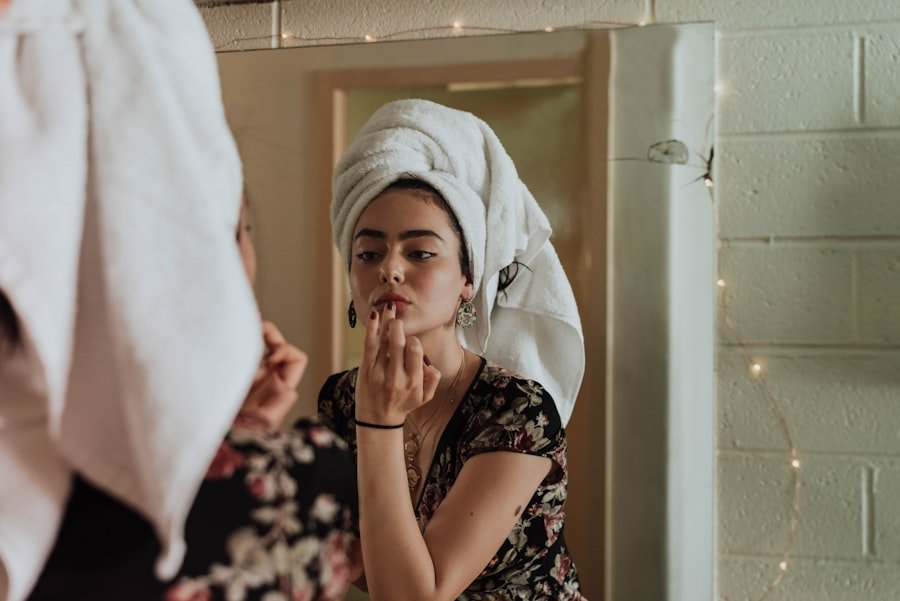
Now that you understand the basic steps and the different types of acne, let’s put it all together into a practical daily routine. Consistency is your secret weapon. Think of this as your morning and evening ritual, a dedicated time for your skin.
The Morning Ritual: Protection and Preparation
Your morning routine is all about preparing your skin for the day ahead, protecting it from environmental factors, and keeping oiliness at bay.
Step 1: Gentle Cleansing
- Purpose: To remove any oil or sweat that has accumulated overnight and prepare your skin for product application.
- What to do: Use a gentle, non-comedogenic cleanser. If your skin feels particularly dry in the morning, you can even opt for a simple rinse with lukewarm water. However, most acne-prone skin benefits from a light cleanse.
- Product suggestions: Look for creamy cleansers, gel cleansers, or foaming cleansers that are specifically formulated for sensitive or acne-prone skin.
Step 2: Optional: Toner for Balance
- Purpose: Toners can help to balance the skin’s pH, remove any last traces of impurities, and prep the skin for subsequent products. However, this step is often optional, especially for beginners.
- What to do: If you choose to use a toner, select one that is alcohol-free and contains soothing ingredients like chamomile or green tea, or a mild exfoliating acid if your skin tolerates it. Gently sweep it over your face with a cotton pad or pat it in with your hands.
- Product suggestions: Look for hydrating toners or those with niacinamide. Avoid astringent toners with high alcohol content.
Step 3: Targeted Treatment (If Applicable)
- Purpose: To deliver active ingredients that address your specific acne concerns.
- What to do: If you are using a daytime treatment, such as a serum with niacinamide for oil control or a light salicylic acid product (be cautious with sun exposure, see below), apply it now. Allow it to absorb fully before proceeding. For many beginners, it’s best to reserve stronger actives for the evening.
- Product suggestions: A serum with niacinamide is a great daytime option. If you’re using a leave-on salicylic acid, ensure it’s a low concentration and be extra diligent with sunscreen.
Step 4: Hydration is Non-Negotiable
- Purpose: To moisturize and protect your skin’s natural barrier throughout the day.
- What to do: Apply a lightweight, oil-free, non-comedogenic moisturizer.
- Product suggestions: Gel moisturizers, lotions formulated with hyaluronic acid, or ceramides are excellent choices.
Step 5: Sun Protection is Paramount
- Purpose: To shield your skin from harmful UV rays, which can worsen hyperpigmentation (acne marks) and inflammation. Many acne treatments also make your skin more sensitive to the sun.
- What to do: Apply a broad-spectrum SPF 30 or higher sunscreen. Even on cloudy days, UV rays can penetrate.
- Product suggestions: Look for oil-free, non-comedogenic sunscreens. Mineral sunscreens with zinc oxide or titanium dioxide can also be good options for sensitive skin.
The Evening Ritual: Repair and Rejuvenate
Your evening routine is about deeply cleansing your skin, treating active breakouts, and allowing your skin to repair and regenerate overnight.
Step 1: Double Cleansing (If You Wear Makeup or Sunscreen)
- Purpose: To effectively remove all traces of makeup, sunscreen, dirt, and oil accumulated throughout the day.
- What to do:
- First Cleanse (Oil-based or Micellar Water): Use an oil-based cleanser or micellar water on a cotton pad to break down makeup and sunscreen. If you don’t wear makeup or heavy sunscreen, you might be able to skip this, but it’s generally a good habit for acne-prone skin.
- Second Cleanse (Water-based Cleanser): Follow up with your regular gentle, acne-fighting cleanser to remove any remaining residue.
- Product suggestions: Look for gentle cleansing balms or oils, or alcohol-free micellar waters.
Step 2: Treatment Time: The Power of Actives
- Purpose: This is where you’ll focus on applying your key acne-fighting ingredients.
- What to do: Apply your chosen treatment product. This could be a salicylic acid serum, a benzoyl peroxide spot treatment, or a retinoid (if prescribed or recommended by a dermatologist). Allow it to absorb fully.
- Product suggestions: See section 1 for active ingredient recommendations. For beginners, start with one active and introduce it slowly.
Step 3: Moisturize, Moisturize, Moisturize
- Purpose: To rehydrate your skin and support its overnight repair processes.
- What to do: Apply your non-comedogenic, oil-free moisturizer. This will help to counteract any dryness from your treatment products.
- Product suggestions: Your daytime moisturizer will likely work well here. You might opt for a slightly richer, but still non-comedogenic, option if your skin feels particularly dry.
4. Beyond the Basics: Enhancing Your Journey
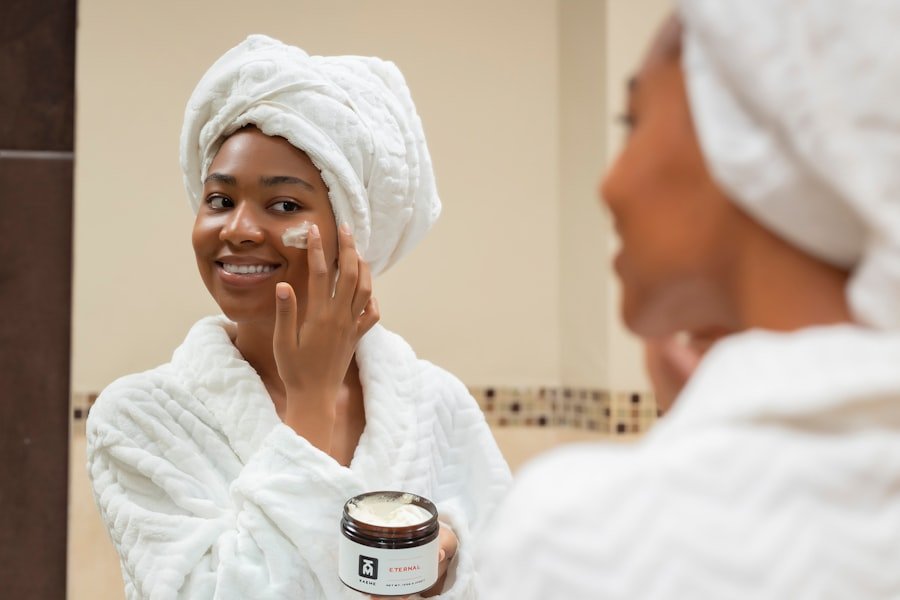
Once you have your core routine in place and your skin is accustomed to it, you can start to consider incorporating additional steps or specialized treatments to further enhance your results. Remember to introduce these one at a time and monitor your skin’s reaction.
Spot Treatments: Targeting Individual Blemishes
While a good all-over treatment can manage breakouts, sometimes you need a more focused approach for those stubborn, erupting spots.
When to Use Spot Treatments
- For active, inflamed pimples: When you have a red, sore bump that’s threatening to become a full-blown eruption.
- To prevent picking: Having a targeted treatment can help you resist the urge to pick at a blemish.
Effective Spot Treatment Ingredients
- Benzoyl Peroxide: Excellent for killing bacteria and reducing inflammation. Use a 2.5% or 5% formulation for spot treatment to minimize dryness. Apply a tiny amount directly onto the pimple.
- Salicylic Acid: Can help to dissolve pore blockages and reduce inflammation. Look for spot treatments with a higher percentage of salicylic acid, but still use sparingly.
- Sulfur: Another good option for drying out pimples and reducing inflammation. It often has a less harsh drying effect than benzoyl peroxide for some individuals.
- Clay-based masks: While not a daily spot treatment, a targeted application of a clay mask can help to draw out impurities and excess oil from a blemish.
How to Apply Spot Treatments Correctly
- Apply to clean, dry skin: After you’ve cleansed and before you apply moisturizer.
- Use a small amount: A little goes a long way. Applying too much can cause significant dryness and irritation.
- Only apply to the blemish itself: Avoid spreading it onto surrounding healthy skin.
- Be patient: Spot treatments aren’t instant fixes. They work to speed up the healing process.
Exfoliation: Unveiling Smoother Skin
Exfoliation is key to removing dead skin cells that can clog pores. For acne-prone skin, gentle chemical exfoliation is often preferred over harsh physical scrubs.
Chemical Exfoliation vs. Physical Exfoliation
- Chemical exfoliants (AHAs and BHAs): These use acids (like salicylic acid, glycolic acid, lactic acid) to dissolve the bonds between dead skin cells. They are generally more effective and less likely to cause micro-tears or irritation for acne-prone skin than physical scrubs. BHAs, like salicylic acid, are particularly good for acne as they are oil-soluble and can penetrate pores.
- Physical exfoliants (Scrubs): These use granular particles (like sugar, jojoba beads, or even crushed nuts) to manually slough off dead skin cells. While they can be effective, aggressive scrubbing can irritate inflamed acne and damage the skin barrier. If you opt for a physical exfoliant, choose one with very fine, smooth particles and use it extremely gently.
How Often to Exfoliate
- For beginners: Start with exfoliating once or twice a week. Listen to your skin. If you notice excessive redness, dryness, or peeling, reduce the frequency.
- For those with more resilient skin: You might be able to exfoliate 2-3 times per week.
What to Look For in Exfoliating Products
- Salicylic Acid (BHA): Ideal for oily and acne-prone skin, as it penetrates pores.
- Glycolic Acid (AHA): Excellent for surface exfoliation and improving skin texture. Can be a good option if you also have post-acne marks.
- Lactic Acid (AHA): A gentler AHA that is also hydrating.
- Enzyme exfoliants: These use fruit enzymes (like papaya or pineapple) to break down dead skin cells. They are often very gentle.
5. Lifestyle Factors: The Unsung Heroes
| Step | Description |
|---|---|
| 1 | Cleanse your skin twice a day with a gentle cleanser |
| 2 | Use a non-comedogenic moisturizer to keep your skin hydrated |
| 3 | Avoid touching your face to prevent spreading bacteria |
| 4 | Use oil-free and non-comedogenic makeup products |
| 5 | Apply a spot treatment containing benzoyl peroxide or salicylic acid |
| 6 | Protect your skin from the sun with a broad-spectrum sunscreen |
Skincare isn’t just about what you put on your skin; it’s also about what you do for your skin. Lifestyle choices can significantly impact your acne.
Diet: Fueling Your Skin from Within
While the direct link between specific foods and acne is debated and highly individual, a balanced, nutrient-rich diet can support overall skin health and potentially reduce inflammation.
Foods to Consider Including
- Antioxidant-rich fruits and vegetables: Berries, leafy greens, tomatoes, and bell peppers are packed with vitamins and antioxidants that combat inflammation.
- Omega-3 fatty acids: Found in fatty fish (salmon, mackerel), flaxseeds, and walnuts, these can help reduce inflammation throughout the body.
- Probiotic-rich foods: Yogurt (unsweetened), kefir, and fermented vegetables can support gut health, which is increasingly linked to skin health.
- Zinc-rich foods: Oysters, lean meats, and legumes provide zinc, which plays a role in skin healing and inflammation control.
Foods to Potentially Limit (Observe Your Own Triggers)
- High-glycemic index foods: Refined carbohydrates like white bread, sugary cereals, and pastries can cause blood sugar spikes, which may trigger hormonal changes that worsen acne in some individuals.
- Dairy products: For some people, dairy, particularly skim milk, has been linked to increased acne. Observe if your breakouts worsen after consuming dairy.
- Processed foods: These are often high in sugar, unhealthy fats, and artificial ingredients that can contribute to inflammation.
Hydration is Key!
- Drink plenty of water: Staying well-hydrated helps to keep your skin plump, encourages detoxification, and supports its natural functions. Aim for at least 8 glasses a day.
Sleep: Beauty Sleep is Real!
Your skin regenerates and repairs itself while you sleep. Lack of sleep can disrupt this process and increase inflammation.
The Importance of Quality Sleep
- Cell repair and regeneration: During sleep, your body produces growth hormones that are essential for skin repair.
- Hormonal balance: Adequate sleep helps regulate stress hormones like cortisol, which can exacerbate acne.
- Reduced inflammation: Sufficient rest allows your body to manage inflammation more effectively.
Tips for Better Sleep
- Establish a regular sleep schedule: Go to bed and wake up around the same time each day, even on weekends.
- Create a relaxing bedtime routine: This could include reading, taking a warm bath, or gentle stretching.
- Ensure your bedroom is dark, quiet, and cool: These conditions are optimal for sleep.
Stress Management: Calming the Internal Storm
Stress is a major trigger for acne in many people. When you’re stressed, your body releases cortisol, a hormone that can increase oil production and inflammation.
How Stress Affects Your Skin
- Increased sebum production: Cortisol can signal your sebaceous glands to produce more oil.
- Inflammation: Stress hormones promote inflammation throughout the body, which can worsen acne.
- Impaired healing: When you’re stressed, your body’s ability to heal and repair itself can be compromised.
Effective Stress Management Techniques
- Mindfulness and meditation: Even a few minutes of daily mindfulness can have a significant impact.
- Deep breathing exercises: Simple yet incredibly effective for calming the nervous system.
- Regular physical activity: Exercise is a fantastic stress reliever and can improve circulation, which is beneficial for skin health.
- Spending time in nature: Nature has a restorative effect on our mental and physical well-being.
- Hobbies and creative outlets: Engaging in activities you enjoy can help distract from stressors and promote relaxation.
- Talking to someone: Sharing your feelings with a friend, family member, or therapist can be very helpful.
Remember, your skin is unique, and it will respond differently to various treatments and lifestyle changes. Be patient, be consistent, and celebrate the small victories. This guide is your starting point, a foundation upon which you can build a skincare routine that works for you. As you gain confidence and understand your skin better, you can adapt and refine your approach. Your journey to clearer, healthier skin is a marathon, not a sprint, and with the right knowledge and dedication, you’ll get there.
FAQs
What is acne?
Acne is a common skin condition that occurs when hair follicles become clogged with oil and dead skin cells, leading to the formation of pimples, blackheads, and whiteheads.
What are the common causes of acne?
Acne can be caused by a variety of factors, including hormonal changes, genetics, certain medications, and an overproduction of oil by the skin’s sebaceous glands.
How can I create a beginner acne skin care routine?
A beginner acne skin care routine should include gentle cleansing, exfoliation, using non-comedogenic products, and applying acne-fighting ingredients such as benzoyl peroxide or salicylic acid.
What are some common mistakes to avoid when treating acne?
Common mistakes to avoid when treating acne include over-washing the skin, picking or squeezing pimples, using harsh or abrasive products, and neglecting to moisturize the skin.
When should I seek professional help for my acne?
If over-the-counter acne treatments are not effective, or if acne is severe and causing emotional distress, it is important to seek professional help from a dermatologist for personalized treatment options.