
You’re embarking on a journey to cultivate radiant, resilient skin, not through a fleeting trend, but by weaving a lifestyle that genuinely supports your epidermis from the inside out. As your Listicle Content Architect, your trusted guide to crafting irresistible and informative content, I understand that the most impactful advice isn’t just a list of products; it’s a holistic approach. So, let’s dive deep into building a skin-friendly lifestyle, a comprehensive blueprint designed to nurture your skin’s health and vitality.
You know that what you eat profoundly impacts your overall well-being, and your skin is no exception. It’s your largest organ, and it craves the right nutrients to function optimally, repair itself, and maintain its youthful glow. Think of your diet as the foundational skincare routine; what you consume directly affects your skin’s ability to defend against environmental stressors, regulate oil production, and regenerate cells. This section isn’t about restrictive dieting; it’s about mindful eating, making informed choices that empower your skin.
1.1 Hydration: The Undeniable Elixir
You might hear this repeatedly, but its importance cannot be overstated. Water is the unsung hero of healthy skin. It’s crucial for maintaining skin elasticity, plumpness, and its natural barrier function. Dehydrated skin can appear dull, dry, and more prone to fine lines and wrinkles. It can also exacerbate conditions like acne by prompting your skin to overproduce oil to compensate for the lack of moisture.
- Aim for consistent intake throughout the day. Don’t wait until you’re thirsty; that’s a sign you’re already beginning to dehydrate. Keep a reusable water bottle with you and sip on it regularly.
- Consider herbal teas and water-rich fruits and vegetables. While plain water is paramount, incorporating hydrating foods like cucumber, watermelon, strawberries, and celery can contribute to your overall fluid intake. Herbal teas, like chamomile or peppermint, can be soothing and hydrating without added sugar.
- Limit dehydrating beverages. Excessive caffeine and alcohol can have a diuretic effect, leading to increased fluid loss. If you enjoy these, be sure to compensate with extra water.
1.2 The Omega-3 Advantage: Fighting Inflammation
You’ve likely heard about the benefits of omega-3 fatty acids for your heart, but their anti-inflammatory properties are a game-changer for your skin. Inflammation is a silent saboteur that can trigger and worsen a multitude of skin concerns, from acne and rosacea to eczema and premature aging. Omega-3s help to calm this internal fire, leading to a more even complexion and reduced redness.
- Incorporate fatty fish into your diet. Salmon, mackerel, sardines, and anchovies are excellent sources of EPA and DHA, the most beneficial types of omega-3s for your skin. Aim for at least two servings per week.
- Explore plant-based omega-3 sources. For vegetarians and vegans, flaxseeds, chia seeds, hemp seeds, and walnuts are valuable sources of ALA, which your body can convert into EPA and DHA (though less efficiently). Grinding flaxseeds before consuming them enhances their absorption.
- Consider an omega-3 supplement. If you struggle to get enough omega-3s through your diet, a high-quality fish oil or algae-based omega-3 supplement can be a smart addition to your routine.
1.3 Antioxidant Powerhouses: Shielding Against Damage
Your skin is constantly under assault from free radicals, unstable molecules generated by UV radiation, pollution, and even stress. These free radicals damage your cells, leading to premature aging, dullness, and increased susceptibility to skin diseases. Antioxidants are your skin’s best defense, neutralizing these harmful molecules before they can wreak havoc.
- Embrace a colorful plate. The vibrant colors in fruits and vegetables often indicate the presence of various antioxidants. Think berries (rich in anthocyanins), leafy greens (vitamins A, C, and E), citrus fruits (vitamin C), and brightly colored vegetables like carrots and sweet potatoes (beta-carotene).
- Don’t forget vitamin E and selenium. These powerful antioxidants work synergistically. Nuts and seeds, like almonds and sunflower seeds, are great sources of vitamin E, while Brazil nuts are exceptionally high in selenium.
- Consider green tea. This beverage is packed with polyphenols, potent antioxidants that offer remarkable protection for your skin.
1.4 The Gut-Skin Connection: A Thriving Microbiome
You might be surprised to learn that the health of your gut is intimately linked to the health of your skin. Your gut microbiome, the vast community of bacteria and other microorganisms residing in your digestive tract, plays a crucial role in nutrient absorption, immune function, and even hormone regulation – all of which can manifest on your skin.
- Prioritize fermented foods. Incorporate foods like yogurt (with live and active cultures), kefir, sauerkraut, kimchi, and kombucha into your diet. These foods introduce beneficial bacteria to your gut, supporting a balanced microbiome.
- Feed your good bacteria with prebiotics. Prebiotics are essentially the food for your beneficial gut bacteria. You can find them in foods like garlic, onions, leeks, asparagus, and bananas.
- Manage stress to support your gut. Stress can negatively impact your gut health, so practicing stress-management techniques is vital for both internal and external well-being.
2. Mastering Your Sleep Routine: The Ultimate Beauty Sleep
You’ve heard the phrase “beauty sleep,” and it’s more than just a catchy moniker; it’s a fundamental truth. While you slumber, your body, including your skin, is hard at work repairing and regenerating. Insufficient or poor-quality sleep can leave your skin looking tired, dull, and more prone to inflammation and breakouts. Creating a consistent and restorative sleep routine is an essential pillar of a skin-friendly lifestyle.
2.1 Consistency is Key: Regulating Your Circadian Rhythm
Your body thrives on routine, and your sleep-wake cycle, or circadian rhythm, is no exception. Going to bed and waking up around the same time every day, even on weekends, helps to regulate this internal clock, promoting better sleep quality and, consequently, healthier skin.
- Establish a fixed bedtime and wake-up time. Even if you have a late night, try to stick to your usual wake-up time to avoid throwing off your entire rhythm.
- Avoid jarring alarms. Opt for a gentler alarm sound or a gradual light alarm clock that mimics sunrise to ease you into wakefulness.
2.2 Creating a Serene Sleep Sanctuary: Optimize Your Environment
Your bedroom should be a haven of tranquility, conducive to deep and restful sleep. Little tweaks to your environment can make a significant difference in the quality of your slumber.
- Darkness is paramount. Light, even faint ambient light, can disrupt melatonin production, the hormone that signals your body it’s time to sleep. Use blackout curtains or an eye mask to ensure complete darkness.
- Maintain a cool temperature. Most people sleep best in a slightly cooler environment. Aim for a temperature between 60-67°F (15-19°C).
- Minimize noise pollution. If you live in a noisy area, consider using earplugs or a white noise machine to block out disruptive sounds.
2.3 Wind-Down Rituals: Preparing for Rest
The hour or so before bed should be dedicated to winding down and signaling to your body that it’s time to transition into sleep mode. This is where you actively shift away from stimulating activities and embrace relaxation.
- Limit screen time. The blue light emitted from phones, tablets, and computers can interfere with melatonin production. Aim to put your devices away at least an hour before bed.
- Engage in calming activities. This could include reading a physical book, taking a warm bath, practicing gentle yoga or stretching, listening to calming music, or journaling.
- Consider a calming herbal tea. Chamomile, lavender, or valerian root teas can promote relaxation.
2.4 The Power of Naps: Strategic Rest
While long naps can sometimes interfere with nighttime sleep, short, strategic power naps can be beneficial for combating fatigue and improving alertness without negatively impacting your sleep cycle.
- Keep naps short. Aim for 20-30 minutes to avoid entering deep sleep, which can lead to grogginess upon waking.
- Time your naps wisely. Ideally, take your nap in the early afternoon, avoiding late afternoon naps that could disrupt your nighttime sleep.
3. Moving Your Body: The Circulation Booster
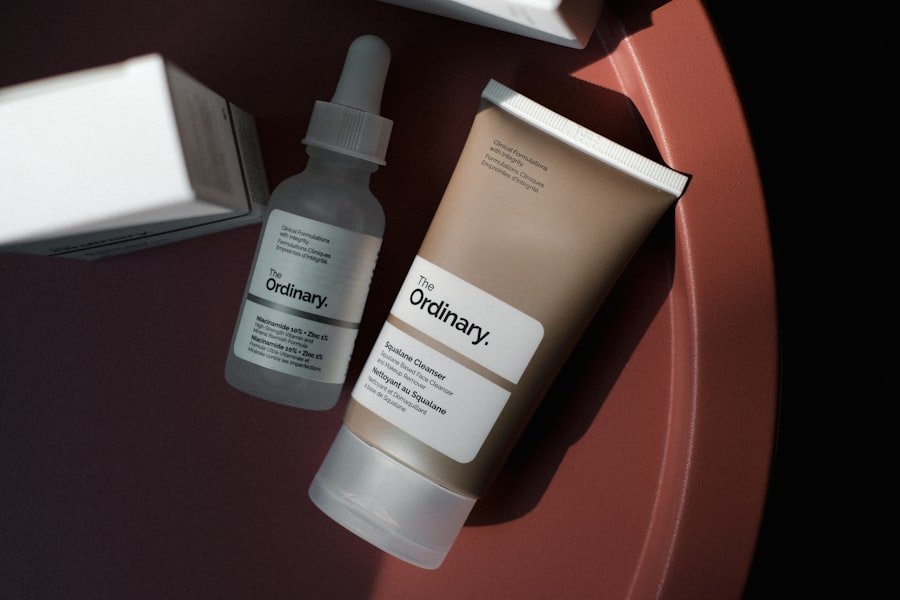
You know that exercise is good for your heart, lungs, and muscles, but its benefits for your skin are often overlooked. Physical activity is a potent tool for improving skin health, promoting a radiant complexion, and even slowing down the aging process. It’s about increasing blood flow, delivering vital nutrients and oxygen to your skin cells, and aiding in detoxification.
3.1 Enhanced Circulation: The Nutrients Delivery System
When you exercise, your heart pumps faster, increasing blood flow throughout your body. This improved circulation means that oxygen and essential nutrients are delivered more efficiently to your skin cells. This nourishment helps them to function optimally, repair damage, and maintain a healthy glow.
- Aim for regular cardiovascular exercise. Activities like brisk walking, jogging, swimming, or cycling are excellent for boosting circulation. Aim for at least 150 minutes of moderate-intensity aerobic activity per week.
- Pay attention to any facial flushing. This is a sign that blood is actively reaching your skin.
3.2 Detoxification and Waste Removal: Clearing the Slate
Your skin plays a role in eliminating waste products from your body, and sweating during exercise is a natural way to facilitate this process. As you perspire, your pores release toxins and impurities, helping to keep your skin clear and refreshed.
- Cleanse after sweating. It’s important to cleanse your skin after a workout to wash away sweat, dirt, and bacteria that could potentially clog pores.
- Stay hydrated during exercise. Replenishing fluids lost through sweat is crucial for overall health and skin function.
3.3 Stress Reduction: A Clearer Complexion
Stress is a known trigger for many skin conditions, including acne, eczema, and psoriasis. Exercise is a powerful stress reliever, and by reducing your stress levels, you can significantly contribute to a clearer and more balanced complexion.
- Find an activity you enjoy. Whether it’s a vigorous run or a calming yoga session, the key is to find movement that helps you de-stress.
- Incorporate mindful movement. Practices like yoga or tai chi can combine physical activity with mental focus, offering dual benefits for stress reduction and skin health.
3.4 Building Collagen: The Youthful Foundation
Weight-bearing exercises and strength training can actually stimulate the production of collagen, the protein that gives your skin its structure, firmness, and elasticity. As we age, collagen production naturally declines, leading to wrinkles and sagging. Exercise can help to counteract this process.
- Include strength training in your routine. Lifting weights or using resistance bands helps to build muscle and can positively impact collagen production.
- Listen to your body. Ensure you’re using proper form to avoid injury and maximize the benefits of your workouts.
4. Mindful Skincare Rituals: Beyond the Product
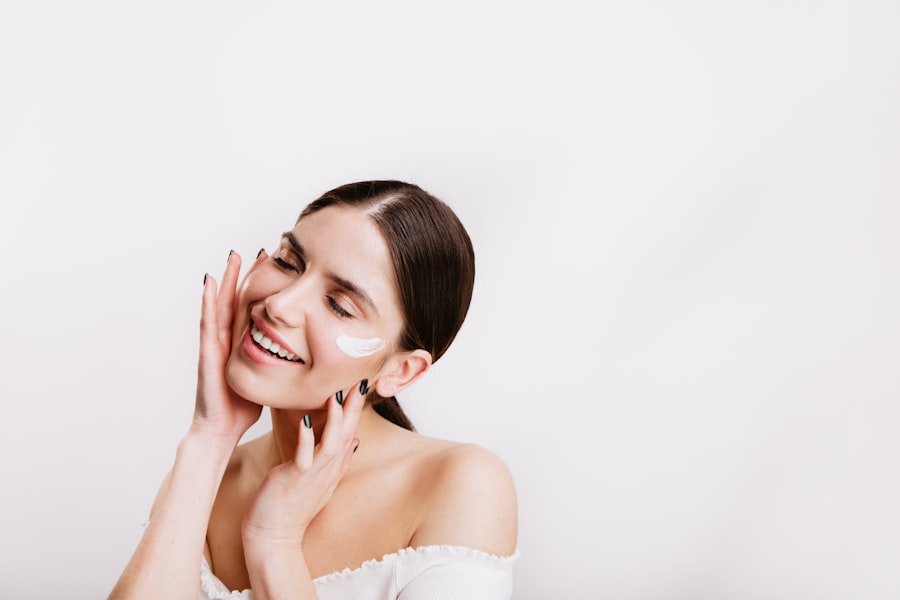
You’ve established a solid internal foundation with your nutrition, sleep, and movement. Now, let’s focus on your external skincare routine. But this isn’t about blindly following trends or accumulating a cabinet full of products. It’s about understanding your skin’s unique needs and adopting a mindful approach to cleansing, treating, and protecting it. This is where conscious consumption and effective application meet.
4.1 Understanding Your Skin Type: The Essential First Step
Before you can build an effective routine, you need to know your skin’s unique characteristics. Are you oily, dry, combination, sensitive, or acne-prone? Identifying your skin type will guide you in selecting the most beneficial products and minimizing irritation.
- Observe your skin throughout the day. Does it feel tight after cleansing? Does it get shiny by midday? Do you experience redness or irritation easily?
- Don’t be afraid to experiment (cautiously). Trying a new product on a small patch of skin first can help identify potential sensitivities.
4.2 Gentle Cleansing: Preserving Your Skin’s Barrier
The cornerstone of any skincare routine is cleansing, but it’s crucial to do it gently. Over-stripping your skin of its natural oils can compromise its protective barrier, leading to dryness, irritation, and an overproduction of oil.
- Choose a mild cleanser. Look for sulfate-free, fragrance-free options that are specifically formulated for your skin type.
- Use lukewarm water. Hot water can strip the skin.
- Avoid harsh scrubbing. Gently massage the cleanser into your skin with your fingertips.
4.3 Targeted Treatments: Addressing Specific Concerns
| Aspect | Metrics |
|---|---|
| Sun Protection | SPF level of sunscreen, UV index |
| Diet | Water intake, consumption of fruits and vegetables |
| Skincare Routine | Frequency of cleansing, moisturizing, and exfoliating |
| Physical Activity | Exercise duration and intensity |
| Sleep | Hours of sleep per night |
Once you’ve cleansed, you might want to incorporate targeted treatments to address specific skin concerns. This is where serums, essences, and treatments come into play.
- Serums for hydration and anti-aging. Look for ingredients like hyaluronic acid for hydration, vitamin C for brightening and antioxidant protection, and retinol (used cautiously) for anti-aging benefits.
- Ingredients matter. Research key active ingredients and understand how they can benefit your skin.
4.4 The Non-Negotiable: Sun Protection
Sunscreen is the single most important product you can use for skin health and anti-aging. UV radiation is a major contributor to premature aging, dark spots, and an increased risk of skin cancer.
- Apply daily, rain or shine. UV rays can penetrate clouds and windows.
- Choose a broad-spectrum sunscreen. This protects against both UVA (aging) and UVB (burning) rays.
- Opt for SPF 30 or higher. Reapply every two hours when exposed to sunlight, or more frequently if swimming or sweating.
4.5 Mindful Application: The Power of Touch
The way you apply your skincare products can also impact their effectiveness and your skin’s health. Treat your skin with kindness and gentleness.
- Pat, don’t rub. When applying serums and moisturizers, gently pat the product into your skin rather than rubbing vigorously. This helps to avoid pulling and tugging on the delicate skin.
- Use clean hands. Always ensure your hands are clean before touching your face to prevent the transfer of bacteria.
5. Nurturing Your Mental Well-being: The Stress-Skin Connection
You know that stress can manifest physically, and your skin is a particularly visible canvas for these effects. Chronic stress can trigger inflammatory responses, disrupt hormone balance, and impair your skin’s natural healing processes. Prioritizing your mental well-being is therefore a crucial, albeit often overlooked, component of a skin-friendly lifestyle.
5.1 Stress Management Techniques: Finding Your Calm
Discovering effective ways to manage stress is paramount. It’s not about eliminating stress entirely, which is often impossible, but about developing coping mechanisms to mitigate its impact.
- Mindfulness and Meditation. Even a few minutes of daily meditation can significantly reduce stress levels. Apps like Headspace or Calm can be excellent starting points.
- Deep Breathing Exercises. Simple practices like diaphragmatic breathing can activate your body’s relaxation response, lowering cortisol levels.
- Journaling. Writing down your thoughts and feelings can be a cathartic way to process stress and gain perspective.
5.2 Setting Boundaries: Protecting Your Energy
Learning to say “no” and setting healthy boundaries is essential for protecting your mental and emotional energy. Overcommitting yourself can lead to overwhelm and chronic stress, which will inevitably show on your skin.
- Identify your limits. Understand how much you can realistically handle without becoming overwhelmed.
- Communicate your needs clearly. Don’t be afraid to express your boundaries to others in a respectful manner.
5.3 Seeking Support: You’re Not Alone
Don’t hesitate to reach out for support when you’re struggling. Talking to friends, family, or a mental health professional can provide valuable perspective, coping strategies, and emotional relief.
- Lean on your support system. Share your feelings with trusted loved ones who can offer comfort and understanding.
- Consider professional help. A therapist or counselor can provide tools and techniques to manage stress, anxiety, and other mental health concerns.
5.4 Engaging in Joyful Activities: Replenishing Your Spirit
Making time for activities that bring you joy and relaxation is not a luxury; it’s a necessity for your mental well-being. These activities act as a counterbalance to stress and help you to recharge.
- Pursue Hobbies. Dedicate time to activities you genuinely enjoy, whether it’s painting, gardening, playing music, or hiking.
- Spend time in nature. Exposure to nature has been shown to reduce stress and improve mood.
- Laugh more! Laughter is a powerful stress reliever and can boost your overall sense of well-being.
5.5 Prioritizing Self-Care: It’s Not Selfish
Self-care is not about indulgence; it’s about actively tending to your physical, emotional, and mental needs. It’s the foundation upon which a resilient and healthy lifestyle is built, and it will undoubtedly reflect in the health and vitality of your skin.
- Schedule self-care time. Treat it like any other important appointment and block out time in your calendar.
- Listen to your body’s signals. Pay attention to when you need rest, nourishment, or a moment of calm.
By integrating these pillars into your daily life, you are not just building a “skin-friendly lifestyle”; you are cultivating a life of holistic well-being that will radiate both internally and externally. Your skin will thank you for it.
FAQs
What is a skin-friendly lifestyle?
A skin-friendly lifestyle refers to adopting habits and practices that promote healthy and radiant skin. This includes using gentle skincare products, protecting the skin from sun damage, eating a balanced diet, staying hydrated, and managing stress.
How can diet affect the skin?
Diet plays a significant role in skin health. Consuming a balanced diet rich in fruits, vegetables, lean proteins, and healthy fats can provide essential nutrients that support skin health. On the other hand, consuming excessive amounts of processed foods, sugar, and unhealthy fats can contribute to skin issues such as acne and inflammation.
What are some common skin-friendly habits?
Common skin-friendly habits include using sunscreen daily, removing makeup before bed, staying hydrated, getting enough sleep, managing stress, using gentle skincare products, and avoiding smoking and excessive alcohol consumption.
How does stress affect the skin?
Stress can negatively impact the skin in various ways, including triggering acne breakouts, worsening skin conditions such as eczema and psoriasis, and accelerating the aging process. Managing stress through relaxation techniques, exercise, and adequate sleep can help maintain healthy skin.
Why is it important to protect the skin from the sun?
Protecting the skin from the sun is crucial because UV radiation can cause premature aging, wrinkles, sunburn, and increase the risk of skin cancer. Using sunscreen, seeking shade, wearing protective clothing, and avoiding peak sun hours can help minimize sun damage to the skin.