
You’ve landed here because your skin is staging a minor rebellion, and while the occasional zit is a rite of passage, a persistent case of acne demands a strategic approach. As your Listicle Content Architect, I’m here to guide you through crafting a skincare routine that’s not just effective but also nourishing for your acne-prone complexion. Forget the harsh, stripping methods of the past; we’re talking about building a foundation of healthy habits that will, over time, bring your skin back into balance. This isn’t about a quick fix, but a sustainable, gentle, and remarkably effective path to clearer, happier skin.
Your journey to healthier, acne-prone skin begins with the very first step of your routine: cleansing. This isn’t just about wiping away the day’s grime; it’s about establishing a calm and receptive environment for your skin. Harsh, aggressive cleansing can strip your skin of its natural oils, leading to an overproduction of sebum – the very thing that can clog your pores and fuel breakouts. Your goal here is to clean without causing irritation or dryness.
1.1 Embrace the Double Cleanse, Especially at Night
You might have heard the term “double cleanse” and wondered if it’s just a trendy buzzword. For acne-prone skin, it’s a game-changer, particularly in the evening. Think of it as a two-stage purification process, ensuring that no impurities are left behind to wreak havoc overnight.
1.1.1 The First Cleanse: Oil-Based Efficacy
The first step of your double cleanse should involve an oil-based cleanser (cleansing oil or balm). You might be hesitant to put more oil on acne-prone skin, but bear with me. Oil dissolves oil. This means the oil cleanser will effectively break down and lift away makeup, sunscreen, excess sebum, and environmental pollutants that have accumulated on your skin throughout the day. Apply it to dry skin and gently massage it in circular motions. This helps to loosen any congestion in your pores. Remember to be gentle; no aggressive scrubbing here.
1.1.2 The Second Cleanse: Water-Based Purity
After rinsing off the oil cleanser, you’ll follow up with a water-based cleanser. This second step ensures that any remaining residue from the oil cleanser and any other water-soluble impurities are thoroughly washed away. For acne-prone skin, opt for a gentle, non-foaming or low-foaming cleanser. Look for ingredients like salicylic acid (a beta-hydroxy acid or BHA that exfoliates inside pores), or calming agents like green tea extract or centella asiatica (cica). Avoid sulfates and harsh detergents that will strip your skin.
1.2 The Art of the Pat-Dry
Once you’ve completed your cleansing ritual, resist the urge to rub your face vigorously with your towel. This friction can irritate sensitive, acne-prone skin and potentially spread bacteria. Instead, gently pat your skin dry with a clean, soft towel. Ideally, use a separate towel for your face to avoid transferring bacteria from other parts of your body. Many people find that using a fresh microfiber cloth or even soft paper towels is the gentlest way to go.
1.3 The Importance of pH-Balanced Cleansers
Your skin has a natural pH balance, generally slightly acidic (around 4.5-5.5). When you use cleansers that are too alkaline, you disrupt this delicate balance, making your skin more vulnerable to irritation and breakouts. Look for cleansers that are explicitly labeled as “pH-balanced” or have a pH closer to your skin’s natural acidity. This promotes a healthier skin barrier, which is crucial for keeping acne at bay.
2. Hydration: The Unsung Hero of Acne Management
It might seem counterintuitive, but even oily, acne-prone skin needs hydration. When your skin is dehydrated, it can actually signal your sebaceous glands to produce more oil in an attempt to compensate. This can lead to a vicious cycle of clogged pores and breakouts. The key is to choose the right type of hydration: lightweight, non-comedogenic, and specifically formulated for blemish-prone complexions.
2.1 Lightweight, Non-Comedogenic Moisturizers are Your Allies
The term “non-comedogenic” is your best friend when shopping for skincare. It means the product is formulated in a way that won’t clog your pores. For acne-prone skin, look for gel-based or water-based moisturizers. These tend to be lighter and absorb quickly without leaving a heavy, greasy residue.
2.1.1 Ingredients to Seek Out
Certain ingredients are particularly beneficial for acne-prone skin in a moisturizer. Hyaluronic acid is a humectant that draws moisture into the skin without being heavy. Niacinamide (Vitamin B3) is a multitasking superstar that can help reduce inflammation, regulate oil production, and improve the skin’s barrier function. Ceramides are essential for a healthy skin barrier, helping to retain moisture and protect against environmental aggressors.
2.1.2 When to Apply Your Hydrator
Apply your moisturizer immediately after cleansing, while your skin is still slightly damp. This helps to lock in that moisture. Don’t skip this step, even if your skin feels oily. A well-hydrated skin barrier is more resilient and less likely to overproduce oil.
2.2 Hydrating Serums: An Extra Boost of Moisture
If you feel you need an extra layer of hydration or want to target specific concerns like post-inflammatory redness, consider incorporating a hydrating serum. These are typically more concentrated than moisturizers and can deliver potent ingredients deeper into the skin.
2.2.1 Hyaluronic Acid Serums
As mentioned before, hyaluronic acid is excellent for drawing moisture. A serum with multiple sizes of hyaluronic acid molecules can provide moisture to different layers of the skin, ensuring a thorough plumping and hydrating effect.
2.2.2 Cica-Rich Serums
Serums containing centella asiatica (cica) are fantastic for calming and soothing irritated, inflamed acne-prone skin. They can help reduce redness associated with breakouts and contribute to a more even skin tone.
2.3 Don’t Forget About Hydration from Within
Your skincare routine isn’t just about what you apply topically. Staying adequately hydrated from the inside is crucial for overall skin health, including managing acne.
2.3.1 The Power of Water
Aim to drink plenty of water throughout the day. This helps to flush out toxins, keep your skin cells plump, and improve circulation, all of which contribute to a clearer complexion. Carry a reusable water bottle with you as a constant reminder.
2.3.2 Hydrating Foods
Incorporate water-rich fruits and vegetables into your diet. Think watermelon, cucumbers, strawberries, and oranges. These foods not only contribute to your fluid intake but also provide essential vitamins and antioxidants that support skin health.
3. Targeted Treatments: Addressing Breakouts Strategically
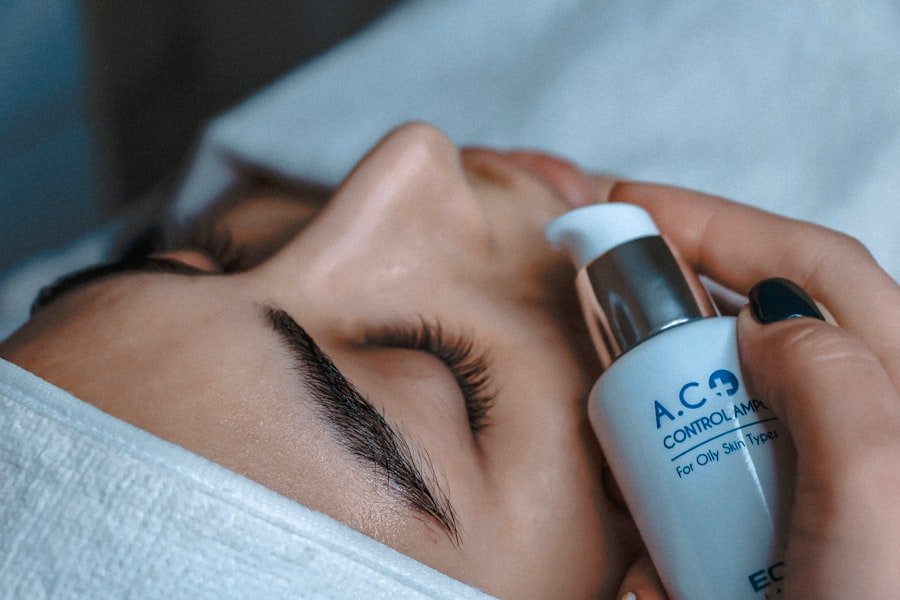
Once your skin is clean and comfortably hydrated, it’s time to address any active breakouts or areas of concern. This is where targeted treatments come in, working to reduce inflammation, kill acne-causing bacteria, and promote healing without causing widespread irritation.
3.1 The Magic of Salicylic Acid (BHA)
Salicylic acid is a beta-hydroxy acid (BHA) that is oil-soluble, meaning it can penetrate into your pores. This makes it incredibly effective at exfoliating dead skin cells and clearing out the sebum and debris that lead to blackheads and whiteheads.
3.1.1 Spot Treatments for Immediate Action
For individual pimples, a salicylic acid spot treatment is a go-to. These are typically formulated with a higher concentration of salicylic acid to directly target the blemish. Apply it only to the affected area to avoid drying out the surrounding skin.
3.1.2 Serums and Toners for Broader Application
If you experience breakouts across larger areas of your face, consider a salicylic acid serum or toner. These can be used more broadly on your T-zone or areas prone to congestion. Start with a lower concentration and use it a few times a week to build tolerance.
3.2 Benzoyl Peroxide: A Powerful Ally (Use with Caution!)
Benzoyl peroxide is a potent ingredient that kills the bacteria (P. acnes) that contribute to inflammatory acne. It also has some exfoliating properties. However, it can be drying and irritating, so it’s crucial to use it strategically and at lower concentrations initially.
3.2.1 Low-Concentration Options
Start with benzoyl peroxide products in the 2.5% or 5% concentration range. Higher concentrations (10%) are often too harsh for many acne-prone skin types and can lead to significant dryness and peeling.
3.2.2 Application is Key
Benzoyl peroxide is best used as a spot treatment or as a short contact therapy (wash it off after a few minutes, like a mask). If you plan to use it more regularly, apply a thin layer and be prepared for potential dryness. It can also bleach fabrics, so be mindful of your pillowcases and towels.
3.3 Niacinamide: The Soothing and Healing Hero
While not a direct “treatment” in the same way as salicylic acid or benzoyl peroxide, niacinamide is an indispensable ingredient for acne-prone skin. It helps to reduce inflammation and redness, which are hallmarks of breakouts.
3.3.1 Anti-Inflammatory Powerhouse
Niacinamide calms down the inflammatory response in the skin, making angry red bumps less prominent and less inflamed. This can significantly improve the overall appearance and comfort of your skin.
3.3.2 Barrier Support
It also strengthens your skin’s natural barrier, making it more resilient and less prone to future irritation and breakouts. This is vital when using other potentially drying acne treatments.
4. Sun Protection: The Non-Negotiable Shield
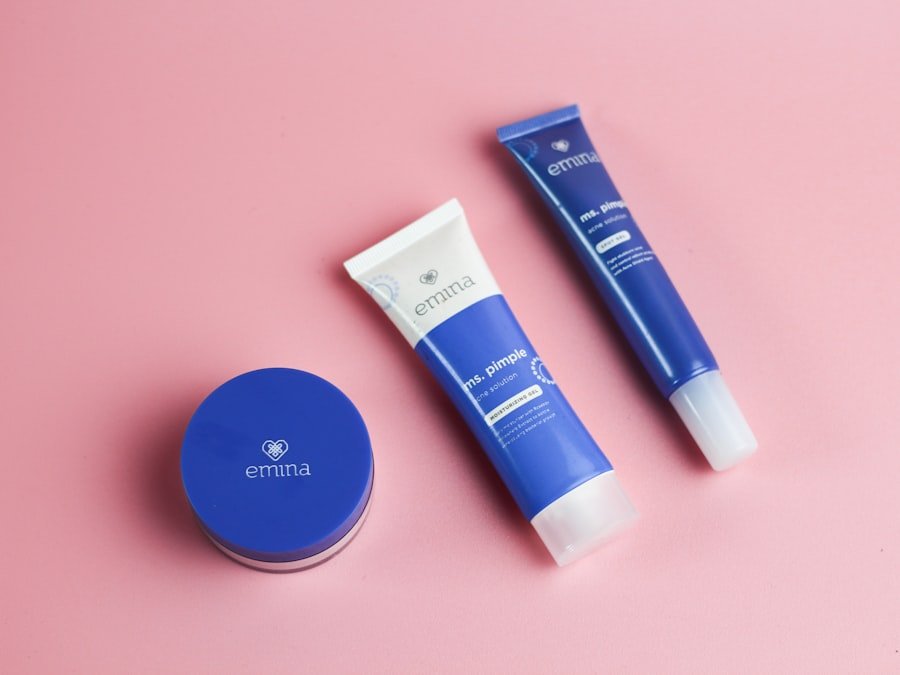
This is arguably the most overlooked, yet incredibly vital, step in any skincare routine, especially for acne-prone skin. UV rays can exacerbate inflammation, worsen post-inflammatory hyperpigmentation (the dark spots left behind after a breakout), and even contribute to premature aging.
4.1 Broad-Spectrum SPF is Paramount
When choosing a sunscreen, always opt for “broad-spectrum.” This means it protects against both UVA (aging rays) and UVB (burning rays) of the sun. Both are damaging, and for acne-prone skin, controlling the appearance of dark marks is crucial.
4.1.1 Mineral vs. Chemical Sunscreens
For sensitive or acne-prone skin, mineral sunscreens (containing zinc oxide and titanium dioxide) are often preferred. They sit on top of the skin and physically block UV rays, making them less likely to cause irritation. Chemical sunscreens work by absorbing UV rays, which can sometimes be a trigger for sensitive skin.
4.1.2 “Oil-Free” and “Non-Comedogenic” Labels
Just like with moisturizers, look for sunscreens that are labeled “oil-free” and “non-comedogenic.” These formulations are specifically designed to be lightweight and not clog pores, which is essential for acne-prone skin.
4.2 The Application Ritual
Sunscreen isn’t just for sunny days or beach trips. You need to apply it every single day, rain or shine. UV rays can penetrate clouds and windows.
4.2.1 Generous Application is Key
The amount of sunscreen you apply matters. Most people don’t use enough to achieve the advertised SPF protection. Aim for about a nickel-sized amount for your face and neck.
4.2.2 Reapplication for Optimal Protection
If you’re spending extended time outdoors, or if you’re sweating, it’s important to reapply your sunscreen every two hours. This ensures continuous protection throughout the day. Consider a lightweight spray or powder sunscreen for easy reapplication over makeup.
4.3 Post-Breakout Care and Sun Protection
Acne breakouts often leave behind red or dark marks (post-inflammatory erythema or hyperpigmentation). Sun exposure will darken these marks significantly and make them much harder to fade. Consistent sun protection is your most powerful tool for preventing this.
5. Lifestyle & Dietary Adjustments: A Holistic Approach to Clarity
| Healthy Routines for Acne-prone Skin | Benefits |
|---|---|
| Regular Cleansing | Removes excess oil and impurities |
| Gentle Exfoliation | Unclogs pores and removes dead skin cells |
| Moisturizing | Hydrates the skin without clogging pores |
| Using Non-comedogenic Products | Prevents pore blockage and breakouts |
| Protecting from Sun Exposure | Prevents skin damage and hyperpigmentation |
Your skin is a reflection of your overall health, and for acne-prone individuals, this connection is particularly strong. While topical treatments are important, addressing lifestyle and dietary factors can make a significant difference in managing breakouts.
5.1 The Importance of Sleep for Skin Regeneration
Sleep is when your body and skin repair themselves. Chronic sleep deprivation can disrupt hormone levels, leading to increased inflammation and potentially triggering breakouts.
5.1.1 Aim for Quality Rest
Prioritize getting 7-9 hours of quality sleep each night. Establish a consistent sleep schedule, even on weekends, to regulate your body’s natural circadian rhythm.
5.1.2 Create a Relaxing Bedtime Routine
Wind down before bed with activities like reading, gentle stretching, or a warm bath. Avoid screens in the hour before sleep, as the blue light can interfere with melatonin production.
5.2 Stress Management: Your Skin’s Silent Saboteur
Stress can wreak havoc on your body, and your skin is often the first to show it. When you’re stressed, your body releases cortisol, a hormone that can increase oil production and inflammation.
5.2.1 Find Your Stress-Relief Techniques
Identify activities that help you relax and de-stress. This could include meditation, yoga, deep breathing exercises, spending time in nature, or engaging in hobbies you enjoy.
5.2.2 Mindful Breaks Throughout the Day
Even short, mindful breaks can make a difference. Take a few minutes to step away from your work, stretch, or simply focus on your breath.
5.3 Dietary Considerations: Fueling Your Skin from Within
While the link between diet and acne is complex and can vary from person to person, some general dietary adjustments can be beneficial for many. Focus on a balanced, nutrient-rich diet.
5.3.1 The Role of Glycemic Index
A diet with a high glycemic index (foods that cause rapid spikes in blood sugar) has been linked to increased acne severity in some individuals. Consider reducing your intake of refined sugars and processed carbohydrates and opting for whole grains, fruits, and vegetables.
5.3.2 Hydration and Antioxidants
As mentioned earlier, staying hydrated is key. Additionally, a diet rich in antioxidants can help combat inflammation. Load up on colorful fruits and vegetables, lean proteins, and healthy fats.
5.3.3 Dairy and Acne
Some studies suggest a potential link between dairy consumption and acne in certain individuals. If you suspect dairy might be a trigger for you, consider experimenting with reducing or eliminating it from your diet and observing any changes in your skin.
5.4 The Importance of a Clean Lifestyle
Beyond diet, other lifestyle factors play a role. Avoiding smoking and excessive alcohol consumption can improve overall skin health and reduce inflammation. Keep your hands away from your face as much as possible to prevent transferring bacteria and dirt. Regularly clean items that come into contact with your face, such as phone screens and pillowcases.
FAQs
What are some healthy routines for acne-prone skin?
Some healthy routines for acne-prone skin include cleansing the skin twice a day with a gentle cleanser, using non-comedogenic skincare products, and avoiding touching or picking at the skin.
How often should I cleanse my acne-prone skin?
It is recommended to cleanse acne-prone skin twice a day, once in the morning and once in the evening, to remove excess oil, dirt, and bacteria that can contribute to acne.
What skincare products should I use for acne-prone skin?
For acne-prone skin, it is best to use non-comedogenic skincare products that are oil-free and won’t clog pores. Look for products with ingredients like salicylic acid or benzoyl peroxide to help treat and prevent acne.
Are there any lifestyle changes that can help improve acne-prone skin?
Making lifestyle changes such as eating a balanced diet, staying hydrated, managing stress, and getting enough sleep can help improve acne-prone skin. Additionally, avoiding touching or picking at the skin can prevent further irritation and breakouts.
Should I consult a dermatologist for my acne-prone skin?
If over-the-counter skincare products are not effectively managing acne-prone skin, it is recommended to consult a dermatologist for personalized treatment options and skincare recommendations.