
You’re a teenager, and you’re noticing unwelcome guests popping up on your face with alarming regularity. Zit after zit, stubborn and seemingly immune to your desperate scrubbing. You’ve probably heard it’s “hormones,” but what does that actually mean? As your resident Listicle Content Architect, I’m here to peel back the layers and give you the down-low on why your teenage years become a battlefield of breakouts. It’s not just you; it’s a complex biological dance happening within your body.
Ah, puberty. That monumental transition from childhood to adulthood. It’s a time of incredible growth and change, and at the heart of much of it lies a surge in hormones, particularly a group called androgens. Think of androgens as the “masculine” hormones, though they’re present in both sexes. During puberty, your body ramps up its production of these power players, and they have a direct impact on your skin. This isn’t some random outbreak; it’s a well-orchestrated (though sometimes messy) biological process.
a. Testosterone and DHT: The Usual Suspects
You might immediately associate testosterone with muscle mass and other traditionally masculine traits, but it plays a crucial role in teenage development for everyone. For your skin, testosterone triggers another androgen, dihydrotestosterone (DHT), which is a particularly potent form. Both are produced in significant amounts during puberty, and their increased activity is a primary driver of hormonal acne.
b. The Sebaceous Gland Stimulus
Your skin is covered in tiny glands called sebaceous glands. Their job is to produce sebum, an oily substance that lubricates and protects your skin and hair. Androgens, especially DHT, are like potent stimulants for these sebaceous glands. They tell them to go into overdrive, producing significantly more sebum than usual. This excess oil is the first domino to fall in the acne equation.
c. Oil Overload: A Breeding Ground for Trouble
Imagine your pores as tiny little tunnels on your skin’s surface. Normally, the sebum produced by your sebaceous glands travels up these tunnels and out onto your skin, keeping things healthy. But when your glands are pumping out an excessive amount of oil, these tunnels can become clogged. It’s like a freeway with too many cars, causing a traffic jam.
2. The P. acnes Connection: When Bacteria Bash into Blockages
So, you’ve got a surplus of oil, creating a sticky, viscous environment deep within your pores. Now, let’s introduce another key player: a common bacterium that lives on everyone’s skin, Propionibacterium acnes (now more scientifically referred to as Cutibacterium acnes or C. acnes). Don’t panic; this bacterium isn’t inherently bad. In fact, it usually coexists peacefully with your skin. However, in the environment created by excess sebum, C. acnes finds its ultimate buffet.
a. The Fermentation Feast
C. acnes feeds on the fatty acids within the sebum. When there’s an abundance of this oily food source, the bacteria can multiply rapidly. This overgrowth isn’t just about numbers; it changes the environment within the pore.
b. Inflammatory Invaders: The Body’s Response
As C. acnes thrives in the blocked, oily pore, it can start to produce certain enzymes and byproducts. Your immune system, ever vigilant, detects this overpopulation and the resulting changes within the pore as an invasion. This triggers an inflammatory response. Your body sends white blood cells to fight the perceived threat, leading to the redness, swelling, and pain associated with pimples.
c. The Blackheads and Whiteheads Foundation
Before you even see that angry red pimple, the process has likely started with clogged pores. When the pore opening is wide, the trapped sebum and dead skin cells are exposed to air, oxidizing and turning dark. This is a blackhead. If the pore opening is narrow, the plug of sebum and cells is trapped beneath the surface, appearing as a small, white bump – a whitehead. These are the precursors to more inflamed lesions.
3. Beyond the Face: Hormonal Acne’s Reach
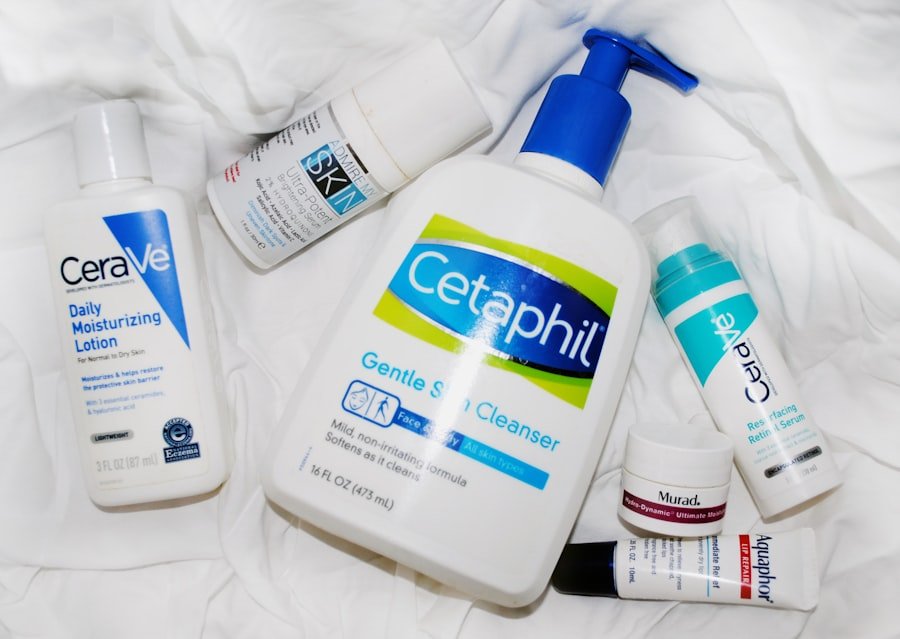
While your face is often the most visible battleground, you might be surprised to learn that hormonal acne isn’t confined to your cheeks and forehead. That same hormonal cascade and sebum production can affect other areas of your body where you have sebaceous glands, making acne a more widespread concern during your teenage years.
a. The T-Zone Takeover: Classic Acne Hotspots
The T-zone – your forehead, nose, and chin – is typically the oiliest part of your face due to a higher concentration of sebaceous glands. This makes it a prime location for hormonal acne breakouts. You’ll often find that breakouts here are more persistent and severe than elsewhere.
b. The Chest and Back Bonanza: Bacne and Beyond
Many teenagers experience acne on their chest and back, often referred to as “bacne.” This is unsurprising when you consider that these areas also have a significant number of sebaceous glands. The same hormonal fluctuations that lead to facial acne can also trigger breakouts in these locations, sometimes resulting in larger, deeper, and more painful lesions.
c. The Scalp Struggle: Dandruff or Acne?
Even your scalp isn’t immune. While sometimes confused with dandruff, acne can also appear on the scalp. This can be due to the same excess oil production and clogged pores. It can manifest as small, itchy bumps or even larger, painful cysts along your hairline or directly on your scalp.
4. The Menstrual Cycle Connection: Lady Hormones on the Loose
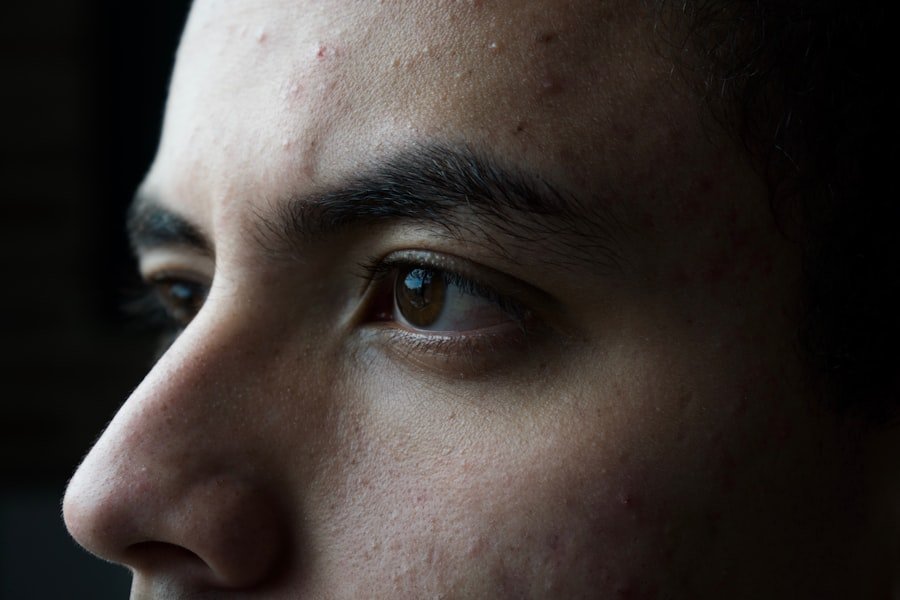
For teenage girls, there’s another significant hormonal influence on acne: the menstrual cycle. The ebb and flow of estrogen and progesterone throughout the month can directly impact sebum production and increase your susceptibility to breakouts, often at predictable times. This is why many girls find their acne flares up a week or two before their period.
a. Estrogen’s Protective Role (and When It Dips)
Estrogen, in general, has a somewhat protective effect on the skin. It can help to counteract the effects of androgens and may even reduce sebum production. However, as your menstrual cycle progresses, estrogen levels fluctuate. When estrogen levels are lower, like in the week leading up to menstruation, the androgen-driven sebum production can become more dominant, leading to increased breakouts.
b. Progesterone’s Nuanced Influence
Progesterone’s role is a bit more complex. While it can have some anti-androgenic effects at certain times, it can also stimulate sebum production. This means its impact on acne can vary depending on the phase of your cycle and the individual’s hormonal balance. For many, the combination of declining estrogen and rising progesterone in the luteal phase (after ovulation and before menstruation) contributes to pre-menstrual breakouts.
c. Other Hormonal Hiccups: PCOS and Beyond
While the regular menstrual cycle is a common factor, some teenagers may experience hormonal acne due to underlying conditions like Polycystic Ovary Syndrome (PCOS). PCOS is a hormonal disorder that can lead to elevated levels of androgens, even outside of typical puberty-related surges. This can result in persistent and often more severe acne, along with other symptoms. If you suspect an underlying condition, it’s crucial to talk to a doctor.
5. Lifestyle Factors That Worsen the Hormonal Storm
| Reasons for Hormonal Acne in Teenagers | Explanation |
|---|---|
| Hormonal Changes | During puberty, hormonal fluctuations can lead to increased oil production in the skin, leading to acne. |
| Genetics | Family history of acne can increase the likelihood of hormonal acne in teenagers. |
| Diet | Consuming high-glycemic foods and dairy products can exacerbate hormonal acne in some teenagers. |
| Stress | Stress can trigger hormonal changes that may contribute to acne breakouts in teenagers. |
| Skincare and Makeup | Using pore-clogging skincare products or makeup can worsen hormonal acne in teenagers. |
While hormones are the primary culprit, certain lifestyle habits can either help or hinder your battle with acne. Think of these as adding fuel to the fire or dousing the flames. Understanding these elements can empower you to take some control over your skin’s health.
a. Stress: The Unseen Aggravator
You might not think of stress as a physical trigger for acne, but it absolutely is. When you’re stressed, your body releases cortisol, a stress hormone. Cortisol can signal your sebaceous glands to produce more oil, essentially mimicking some of the effects of puberty-related androgens. That big exam or social drama? It could be contributing to that sudden eruption of pimples.
b. Diet: The Not-So-Simple Equation
The link between diet and acne is a hotly debated topic, but emerging research suggests there are connections. While individual responses vary, some teenagers find that certain foods can exacerbate their breakouts. Sugary foods and refined carbohydrates can cause spikes in blood sugar, which can lead to increased insulin production. This can, in turn, influence androgen levels and sebum production. Excessive dairy consumption has also been linked to acne for some.
c. Skincare Routines: The Double-Edged Sword of Cleansing
Your skincare routine is your daily interaction with your skin. While proper cleansing is essential for removing excess oil and impurities, overdoing it can do more harm than good. Aggressively scrubbing your face with harsh cleansers strips away your skin’s natural oils. This can disrupt your skin’s natural barrier and paradoxically signal your skin to produce even more oil to compensate, leading to a rebound effect. Using oily or pore-clogging (comedogenic) makeup and skincare products can also contribute to blockages.
Don’t let hormonal acne feel like an insurmountable enemy. Understanding the ‘why’ behind these breakouts is the first step towards managing them effectively. It’s a natural part of growing up, and with the right knowledge and care, you can navigate this bumpy terrain and achieve clearer, healthier skin.
FAQs
What is hormonal acne?
Hormonal acne is a type of acne that is caused by fluctuations in hormone levels, particularly during puberty. It is commonly seen in teenagers and can also affect adults.
What causes hormonal acne in teenagers?
Hormonal acne in teenagers is primarily caused by the increase in androgen hormones during puberty. These hormones stimulate the sebaceous glands to produce more oil, leading to clogged pores and acne breakouts.
How can hormonal acne be treated in teenagers?
Treatment for hormonal acne in teenagers may include topical treatments such as benzoyl peroxide or salicylic acid, oral medications like antibiotics or hormonal birth control, and lifestyle changes such as a healthy diet and proper skincare routine.
Are there any risk factors for hormonal acne in teenagers?
Teenagers with a family history of acne, those going through puberty, and individuals with hormonal imbalances are at a higher risk of developing hormonal acne.
When should teenagers seek medical help for hormonal acne?
Teenagers should seek medical help for hormonal acne if over-the-counter treatments are not effective, if the acne is severe and causing scarring, or if it is affecting their self-esteem and mental well-being.