
You’re what you eat, and your skin is a testament to that adage. When it comes to acne, the impact of your dietary choices can be profound. Moving beyond topical treatments, a holistic approach necessitates a deep dive into your internal landscape, starting with what you fuel your body with. The traditional view often isolates acne to external factors, but emerging research and anecdotal evidence strongly suggest a powerful link between your gut health, inflammation levels, and the presence of blemishes. Embracing a “food as medicine” philosophy can be a game-changer in your acne management journey.
a. The Glycemic Index: Understanding Sugar’s Sweet and Sour Impact
You might not realize it, but the foods you choose directly influence your insulin levels, which in turn can trigger a cascade of hormonal responses that exacerbate acne. High-glycemic index (GI) foods, those that cause a rapid spike in blood sugar, are often prime culprits. Think white bread, sugary cereals, pastries, and sugary drinks.
- Why it matters to you: When your blood sugar surges, your body releases more insulin. This insulin can stimulate oil production (sebum) in your skin, leading to clogged pores. Furthermore, insulin can promote the production of androgen hormones, which also contribute to increased sebum and inflammation.
- Your Actionable Steps:
- Prioritize Low-GI Foods: Focus on whole, unprocessed foods like vegetables, fruits (berries are excellent!), legumes, and whole grains. These foods release glucose into your bloodstream gradually, leading to more stable insulin levels.
- Read Labels: Become a label detective. Look for hidden sugars in processed foods, sauces, and even supposedly “healthy” snacks.
- Combine Carbs with Protein and Healthy Fats: When you do consume carbohydrates, pair them with protein and healthy fats. This slows down digestion and blunts the blood sugar spike. For example, instead of just a piece of fruit, have it with a handful of almonds or a dollop of Greek yogurt.
- Limit Refined Sugars and Processed Sweets: This is arguably the most impactful dietary change you can make. Gradually reducing your intake of candy, cakes, cookies, and sugary beverages will make a noticeable difference.
b. Dairy and Inflammation: Is Your Milk Making You Break Out?
The connection between dairy consumption and acne is a hotly debated topic, but for many people, eliminating or reducing dairy intake can significantly improve their skin. Dairy products, particularly milk, contain hormones and growth factors that can mimic human hormones, potentially contributing to acne.
- Why it matters to you: Dairy can also promote inflammation in the body. Since acne is fundamentally an inflammatory condition, reducing systemic inflammation can translate to clearer skin. Some studies have shown a correlation between milk consumption and acne severity.
- Your Actionable Steps:
- The Elimination Experiment: Try eliminating dairy for a 30-day period and observe any changes in your skin. This is a personal experiment, and your body will tell you if it’s contributing to your acne.
- Explore Dairy Alternatives: If you find dairy is an issue, there are plenty of delicious alternatives. Almond milk, oat milk, soy milk (though some people find soy also problematic), coconut milk, and cashew milk are readily available. Opt for unsweetened varieties to avoid added sugars.
- Consider Pasture-Raised & Organic: If you choose to continue consuming dairy, look for grass-fed and organic options. These may have a different hormonal profile and fewer inflammatory compounds compared to conventionally produced dairy.
- Balance with Calcium-Rich Foods: If you’re cutting out dairy, ensure you’re getting enough calcium from other sources. Leafy greens (kale, spinach), fortified plant milks, sardines, and broccoli are excellent choices.
c. The Power of Omega-3s: Your Anti-Inflammatory Allies
In contrast to the pro-inflammatory effects of some common foods, omega-3 fatty acids are your body’s natural anti-inflammatory powerhouses. They work by reducing the production of inflammatory compounds that can trigger and worsen acne.
- Why it matters to you: By actively incorporating omega-3 rich foods into your diet, you’re essentially dousing the internal fire that contributes to your breakouts. This can lead to a less inflamed complexion and a reduction in redness and pustule formation.
- Your Actionable Steps:
- Feast on Fatty Fish: Aim for at least two servings of fatty fish per week. Salmon, mackerel, sardines, and anchovies are packed with EPA and DHA, the most beneficial types of omega-3s.
- Embrace Plant-Based Sources: If you’re vegetarian or vegan, don’t worry! Flaxseeds, chia seeds, hemp seeds, and walnuts are excellent plant-based sources of ALA, which your body can convert into EPA and DHA (though less efficiently than from fish).
- Consider an Omega-3 Supplement: If you struggle to get enough omega-3s through your diet, a high-quality fish oil or algal oil supplement can be a valuable addition. Consult with a healthcare professional before starting any new supplement.
- Balance with Omega-6: While omega-6 fatty acids are essential, a Western diet is often too high in them relative to omega-3s, contributing to inflammation. Limiting processed foods, vegetable oils like soybean and corn oil, and fried foods can help rebalance this ratio.
2. The Gut-Skin Axis: Cultivating a Healthy Microbiome
You might think of your gut as simply a digestive tube, but it’s a complex ecosystem teeming with trillions of microorganisms – your gut microbiome. Increasingly, scientists are recognizing the profound connection between the health of your gut and the health of your skin, a bidirectional pathway often referred to as the “gut-skin axis.” An imbalanced gut can manifest as skin issues, including acne.
a. Probiotics: The Beneficial Bacteria You Need
Probiotics are live microorganisms that, when consumed in adequate amounts, confer a health benefit. They play a crucial role in maintaining a balanced gut microbiome, which in turn can positively impact your skin.
- Why it matters to you: Probiotics can help restore balance to your gut flora, reducing inflammation, improving digestion, and potentially even influencing hormone regulation, all of which can contribute to clearer skin. They can also help strengthen your gut barrier, preventing harmful substances from entering your bloodstream and triggering systemic inflammation.
- Your Actionable Steps:
- Incorporate Fermented Foods: This is the most delicious way to get your probiotic fix. Think yogurt (unsweetened, live cultures), kefir, sauerkraut, kimchi, tempeh, and miso.
- Consider a Probiotic Supplement: If fermented foods aren’t your favorite or you want a more targeted approach, a high-quality probiotic supplement can be beneficial. Look for strains known to support gut health and skin health, such as Lactobacillus and Bifidobacterium species.
- Start Slow: If you’re new to probiotics, introduce them gradually to avoid digestive upset.
- Consistency is Key: Like any beneficial habit, regular consumption of probiotics is crucial for ongoing benefits.
b. Prebiotics: Fueling Your Friendly Flora
Prebiotics are non-digestible fibers that act as food for the beneficial bacteria in your gut. They are essential for supporting the growth and activity of probiotics, creating a truly synergistic effect.
- Why it matters to you: By feeding your good gut bacteria, prebiotics enhance their ability to perform their beneficial functions, such as producing short-chain fatty acids that have anti-inflammatory properties and help regulate the gut barrier. This enhanced gut environment can directly translate to calmer, less inflamed skin.
- Your Actionable Steps:
- Load Up on Fiber-Rich Foods: Excellent sources of prebiotics include garlic, onions, leeks, asparagus, bananas, oats, apples, and chicory root.
- Incorporate them into Meals: Add garlic and onions to your stir-fries and soups. Snack on an apple or a banana. Start your day with oatmeal.
- Be Mindful of Added Prebiotics: Some foods are now fortified with prebiotic fibers. Check labels for ingredients like inulin, fructooligosaccharides (FOS), and galactooligosaccharides (GOS).
- Hydration is Crucial: When increasing your fiber intake, it’s essential to drink plenty of water to prevent constipation.
c. The Link to Leaky Gut: Understanding its Impact
“Leaky gut,” or increased intestinal permeability, is a condition where the lining of your intestines becomes compromised, allowing undigested food particles, toxins, and bacteria to “leak” into your bloodstream. This can trigger a significant inflammatory response throughout your body, including in your skin.
- Why it matters to you: When your gut is permeable, your immune system is constantly on high alert, leading to systemic inflammation. This can exacerbate existing acne conditions or even trigger new breakouts. Addressing leaky gut is a critical step in managing acne holistically.
- Your Actionable Steps:
- Heal Your Gut Lining: Focus on nutrient-dense foods that support gut lining integrity. Bone broth, collagen, and foods rich in L-glutamine (like lean meats, fish, and dairy) can be beneficial.
- Reduce Inflammatory Triggers: Identify and eliminate foods that may be irritating your gut, such as processed foods, artificial sweeteners, excessive alcohol, and potential allergens.
- Manage Stress: Chronic stress can significantly impact gut health. Incorporate stress-management techniques into your routine (more on this later!).
- Consult a Professional: If you suspect you have leaky gut, working with a functional medicine practitioner or a knowledgeable nutritionist can provide personalized guidance and support.
3. Stress Management: The Calm Within, The Clarity Without
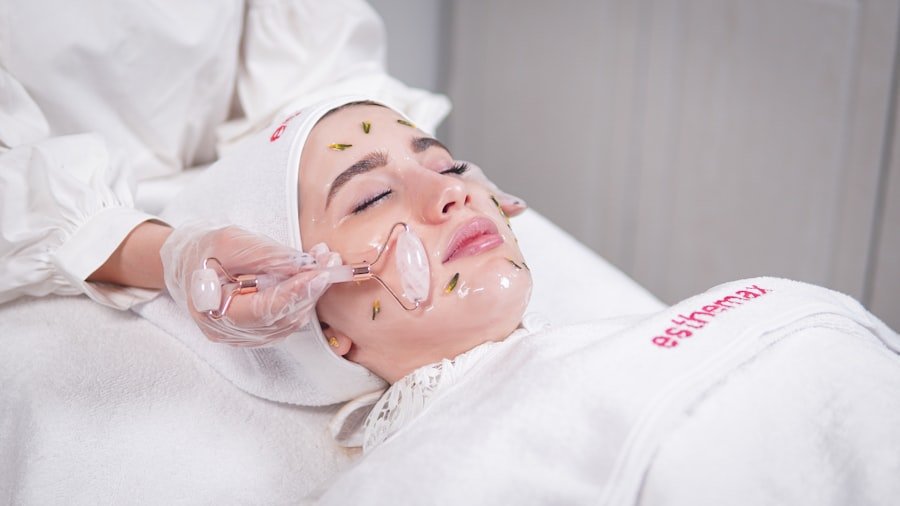
You’ve probably heard it before: stress can wreak havoc on your skin. But do you truly understand the intricate mechanisms at play? When you’re stressed, your body releases a cocktail of hormones, most notably cortisol. This isn’t just an abstract concept; these hormonal shifts have a direct and often detrimental impact on your acne.
a. Cortisol and Sebum: The Stress-Induced Oil Spill
Cortisol, often referred to as the “stress hormone,” plays a critical role in your body’s fight-or-flight response. While helpful in short bursts, chronic stress leads to persistently elevated cortisol levels, which can have a domino effect on your skin.
- Why it matters to you: Elevated cortisol signals your sebaceous glands to produce more oil (sebum). This excess sebum can mix with dead skin cells and bacteria, leading to clogged pores, blackheads, whiteheads, and inflammatory pimples. It’s like adding fuel to the fire of your acne.
- Your Actionable Steps:
- Identify Your Stressors: Become a detective of your daily life. What situations, thoughts, or events consistently trigger your stress response? Awareness is the first step to change.
- Practice Mindfulness and Meditation: Even a few minutes of daily meditation can profoundly impact your stress levels. Apps like Calm or Headspace offer guided meditations for beginners.
- Deep Breathing Exercises: When you feel stress building, take a few moments to focus on slow, deep breaths. Inhale deeply through your nose, hold for a few seconds, and exhale slowly through your mouth.
- Journaling: Writing down your thoughts and feelings can be a powerful way to process stress and gain perspective.
b. Sleep Hygiene: The Crucial Role of Rest and Repair
You know sleep is important, but its direct impact on your acne management might be underestimated. During sleep, your body undertakes vital repair and regeneration processes, and insufficient or poor-quality sleep disrupts these crucial functions.
- Why it matters to you: Lack of sleep can increase cortisol levels, further contributing to oil production. It also impairs your immune system’s ability to fight off acne-causing bacteria and reduces your body’s ability to repair damaged skin cells. Furthermore, sleep deprivation can lead to increased inflammation throughout the body.
- Your Actionable Steps:
- Establish a Consistent Sleep Schedule: Aim to go to bed and wake up around the same time every day, even on weekends. This helps regulate your body’s natural sleep-wake cycle (circadian rhythm).
- Create a Relaxing Bedtime Routine: Wind down before bed with activities like reading, taking a warm bath, or listening to calming music. Avoid screens (phones, tablets, laptops) for at least an hour before sleep, as the blue light can interfere with melatonin production.
- Optimize Your Sleep Environment: Make sure your bedroom is dark, quiet, and cool. Invest in comfortable bedding.
- Limit Caffeine and Alcohol: Avoid caffeine in the afternoon and evening, and limit alcohol intake, as both can disrupt sleep quality.
c. The Power of Movement: Exercise as an Acne Antidote
You might associate exercise with sweating, which can sometimes lead to breakouts. However, the benefits of regular physical activity for stress reduction and overall health far outweigh this potential downside, especially when managed properly.
- Why it matters to you: Exercise is a potent stress reliever. It helps your body burn off excess cortisol and triggers the release of endorphins, your body’s natural mood boosters. This hormonal shift can directly calm your skin and reduce the likelihood of stress-induced breakouts. Furthermore, improved circulation from exercise can help deliver nutrients to your skin and remove toxins.
- Your Actionable Steps:
- Find Activities You Enjoy: Whether it’s dancing, swimming, hiking, yoga, or team sports, choose activities that you genuinely look forward to. This makes it more likely you’ll stick with it.
- Listen to Your Body: Don’t push yourself too hard, especially if you’re feeling particularly stressed or fatigued. Rest and recovery are just as important as the workout itself.
- Shower Promptly After Exercise: To combat the potential for breakouts from sweat, shower as soon as possible after your workout. Use a gentle, non-comedogenic cleanser.
- Incorporate Variety: Mix up your workouts to engage different muscle groups and prevent boredom. Consider incorporating activities that focus on mind-body connection, like yoga or Tai Chi, for added stress-reduction benefits.
4. Skincare Habits: Beyond the Surface Level
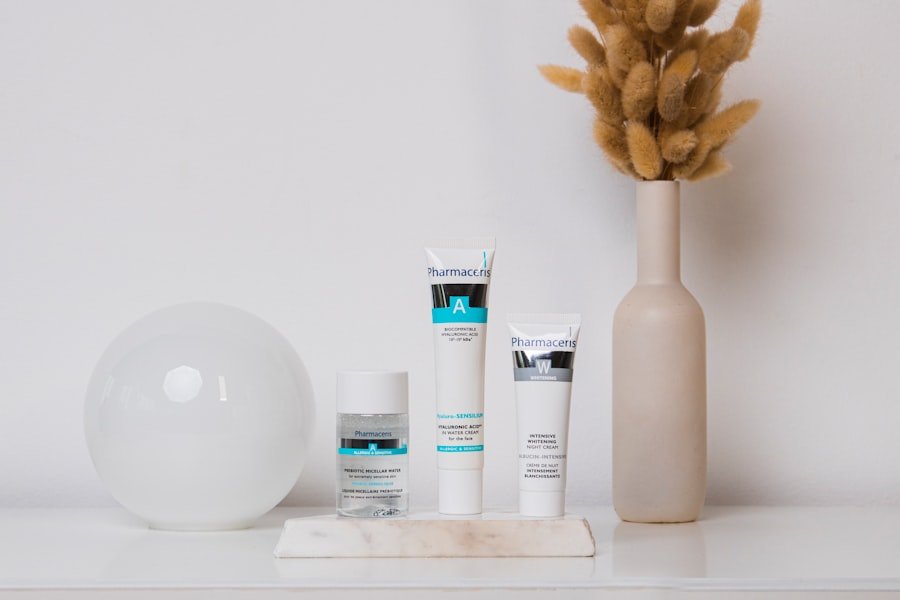
You’re likely already paying attention to your skincare routine, but a holistic approach means looking at your habits with a more discerning eye. It’s not just about what products you use, but how and when you use them, and what underlying principles guide your choices. Think of your skincare as a supportive partner to your internal health efforts.
a. Gentle Cleansing: Respecting Your Skin’s Barrier
Harsh scrubbing and over-cleansing can strip your skin of its natural oils, disrupting its protective barrier and ironically leading to increased oil production and inflammation. The goal is to cleanse effectively without causing damage.
- Why it matters to you: A compromised skin barrier is more vulnerable to bacteria and inflammation, making you more susceptible to breakouts. Gentle cleansing helps maintain the skin’s natural balance, allowing it to heal and defend itself more effectively.
- Your Actionable Steps:
- Choose Mild Cleansers: Opt for sulfate-free, fragrance-free, and pH-balanced cleansers. Look for ingredients like ceramides, hyaluronic acid, and glycerin, which help support the skin barrier.
- Avoid Hot Water: Wash your face with lukewarm or cool water. Hot water can strip your skin of its natural oils and exacerbate inflammation.
- Two-Step Cleansing (Optional but Beneficial): If you wear makeup or heavy sunscreen, consider a gentle oil-based cleanser or micellar water as a first step to break down impurities, followed by your regular water-based cleanser.
- Don’t Over-Wash: Cleansing twice a day – once in the morning and once in the evening – is usually sufficient for most people. Over-washing can do more harm than good.
b. The Right Ingredients: Decoding Your Product Labels
Understanding the ingredients in your skincare products is crucial. Many acne treatments rely on harsh chemicals that can irritate your skin and disrupt its natural processes. A holistic approach favors ingredients that work in harmony with your skin.
- Why it matters to you: Certain ingredients can be comedogenic (pore-clogging) or inflammatory, exacerbating your acne. Conversely, beneficial ingredients can help calm inflammation, promote healing, and regulate oil production without causing irritation.
- Your Actionable Steps:
- Look for Non-Comedogenic Formulas: This label indicates that the product has been tested and is not likely to clog pores.
- Embrace Natural and Soothing Ingredients: Ingredients like green tea extract (antioxidant and anti-inflammatory), niacinamide (reduces inflammation and regulates oil), salicylic acid (in low concentrations, exfoliates pores), and zinc oxide (anti-inflammatory and soothing) can be highly beneficial.
- Understand Your Triggers: If you have sensitive skin or known allergies, carefully read ingredient lists to avoid potential irritants.
- Patch Test New Products: Before applying a new product to your entire face, test a small amount on your jawline or behind your ear to check for any adverse reactions.
c. Exfoliation: The Art of Gentle Renewal
Exfoliation is vital for removing dead skin cells that can clog pores, but the type of exfoliation matters. Overdoing it or using harsh scrubs can damage your skin. Chemical exfoliants, when used correctly, can offer a more controlled and effective way to renew your skin.
- Why it matters to you: Proper exfoliation helps to keep your pores clear, allowing acne treatments to penetrate more effectively and preventing the buildup of dead skin cells that can lead to breakouts. It also promotes cell turnover, leading to smoother, brighter skin.
- Your Actionable Steps:
- Prioritize Chemical Exfoliants: Beta-hydroxy acids (BHAs) like salicylic acid are particularly effective for acne as they are oil-soluble and can penetrate into pores to unclog them. Alpha-hydroxy acids (AHAs) like glycolic and lactic acid can help with surface exfoliation and improve skin texture.
- Start Low and Go Slow: Begin with a lower concentration of chemical exfoliants and use them only a few times a week. Gradually increase frequency as your skin builds tolerance.
- Avoid Harsh Physical Scrubs: Tiny plastic beads or abrasive particles in physical scrubs can create micro-tears in your skin, leading to irritation and inflammation.
- Listen to Your Skin: If your skin feels red, tender, or irritated after exfoliating, reduce the frequency or strength of your exfoliant. Ensure you’re also using sunscreen, as exfoliated skin is more sensitive to the sun.
5. Lifestyle Integration: Holistic Practices for Lasting Clarity
| Approach | Benefits | Considerations |
|---|---|---|
| Topical Treatments | Target specific areas, reduce inflammation | May cause dryness or irritation |
| Dietary Changes | Reduce inflammation, improve skin health | Results may vary, requires commitment |
| Stress Management | Reduce hormonal imbalances, improve overall well-being | May require lifestyle changes |
| Professional Skincare | Customized treatment, expert guidance | Cost, time commitment |
You’ve delved into diet, your gut, stress, and skincare. Now, let’s weave these elements into a sustainable lifestyle that supports your skin’s long-term health and resilience. Holistic acne management isn’t a quick fix; it’s a commitment to a more balanced and mindful way of living.
a. Hydration: The Unsung Hero of Skin Health
You might not think of water as directly treating acne, but proper hydration is fundamental to your skin’s overall health and function. Dehydration can impact your skin’s elasticity, its ability to detoxify, and even exacerbate the appearance of imperfections.
- Why it matters to you: When your body is well-hydrated, your skin cells function optimally. This means better cell turnover, improved detoxification, and a healthier skin barrier that’s more resistant to inflammation. Dehydration can also make your skin appear dull and accentuate any texture issues.
- Your Actionable Steps:
- Drink Plenty of Water Throughout the Day: Aim for at least 8 cups (64 ounces) of water a day, and more if you’re active or live in a hot climate.
- Infuse Your Water: If plain water feels boring, add slices of cucumber, lemon, lime, or berries for a refreshing twist and a boost of antioxidants.
- Eat Hydrating Foods: Many fruits and vegetables have a high water content. Watermelon, strawberries, cantaloupe, cucumbers, and leafy greens contribute to your daily fluid intake.
- Limit Dehydrating Beverages: Minimize your consumption of sugary drinks, excessive caffeine, and alcohol, which can have a diuretic effect and contribute to dehydration.
b. Environmental Factors: Protecting Your Skin from the Outside In
The world around you can impact your skin’s health. From pollution to sun exposure, understanding these external factors and taking steps to mitigate them is part of a comprehensive approach.
- Why it matters to you: Environmental aggressors can damage your skin’s protective barrier, trigger inflammation, and contribute to breakouts. Protecting your skin from these elements is crucial for maintaining clarity.
- Your Actionable Steps:
- Sun Protection is Paramount: Daily use of a broad-spectrum SPF 30 or higher is non-negotiable. Sun exposure can worsen post-inflammatory hyperpigmentation (dark spots left by acne) and contribute to inflammation. Look for non-comedogenic sunscreens.
- Be Mindful of Pollutants: If you live in a polluted area, consider incorporating ingredients like antioxidants (Vitamin C, Vitamin E) into your skincare routine to help combat free radical damage. Gently cleanse your face in the evening to remove accumulated pollutants.
- Clean Your Phone Screen Regularly: Your phone screen is a breeding ground for bacteria and comes into direct contact with your face. Wipe it down daily with an antibacterial wipe or alcohol.
- Avoid Touching Your Face: Your hands can transfer bacteria and oils to your face, potentially leading to new breakouts. Make a conscious effort to keep your hands away from your skin.
c. The Power of Positive Self-Talk and Self-Compassion
Your mental landscape significantly influences your physical well-being, including your skin. Being critical of your acne can create a vicious cycle of stress and worsen your condition. Embracing self-compassion is a crucial, often overlooked, element of holistic healing.
- Why it matters to you: When you’re constantly battling negative thoughts about your skin, it fuels stress and anxiety, which we know can trigger breakouts. Shifting to a more supportive and accepting mindset can reduce this internal pressure and allow your skin to heal more effectively.
- Your Actionable Steps:
- Challenge Negative Thoughts: When you catch yourself thinking critically about your acne, pause and challenge that thought. Is it realistic? Is it helpful? Replace it with a more neutral or positive affirmation.
- Practice Self-Gratitude: Take time each day to appreciate your body for what it can do, rather than focusing solely on perceived flaws.
- Seek Support: Talk to trusted friends, family members, or a therapist about how your acne affects your self-esteem. Sharing your feelings can be incredibly liberating.
- Celebrate Small Victories: Acknowledge and celebrate any improvements in your skin, no matter how small they seem. This reinforces positive progress and motivates you to continue your holistic journey.
By integrating these lifestyle practices, you’re not just treating acne; you’re cultivating a healthier, more resilient you. Remember, this is a journey, and consistent, mindful effort will yield the most profound and lasting results.
FAQs
What is acne?
Acne is a common skin condition that occurs when hair follicles become clogged with oil and dead skin cells, leading to the formation of pimples, blackheads, and whiteheads.
What are holistic approaches to acne management?
Holistic approaches to acne management involve addressing the root causes of acne, such as hormonal imbalances, inflammation, and stress, through a combination of lifestyle changes, dietary modifications, and natural skincare products.
What are some lifestyle changes that can help manage acne holistically?
Lifestyle changes that can help manage acne holistically include regular exercise, stress management techniques, proper sleep hygiene, and avoiding smoking and excessive alcohol consumption.
How can dietary modifications help in managing acne holistically?
Dietary modifications such as reducing the intake of high-glycemic foods, dairy products, and foods high in saturated fats, and increasing the consumption of fruits, vegetables, and omega-3 fatty acids can help manage acne holistically.
What natural skincare products can be used for holistic acne management?
Natural skincare products such as tea tree oil, aloe vera, witch hazel, and green tea extract have been found to be effective in managing acne holistically due to their anti-inflammatory and antibacterial properties.