
So, your mission, should you choose to accept it (and trust us, you should), is to arm yourself with the knowledge to combat those pesky, often demoralizing, teen acne breakouts. As your trusted Listicle Content Architect (LCA), I’m here to guide you through the battlefield of adolescent skin, armed with actionable strategies and a no-nonsense approach. Forget those overcrowded, confusing articles that leave you more frustrated than informed. We’re going to break it down, step-by-step, so you can understand what’s happening with your skin and, more importantly, what you can do about it. This isn’t just about slapping on a cleanser; it’s about a holistic approach, understanding triggers, and building consistent habits that will serve your skin well into the future. Let’s get started on building your ultimate defense against teen acne.
Think of your daily skincare routine as the frontline of your acne prevention strategy. It’s not about harsh chemicals and aggressive scrubbing; it’s about gentle, consistent cleansing and targeted treatments. This is where you establish a rhythm, a pattern that your skin will come to rely on. Skipping steps or being inconsistent is like leaving a hole in your armor, inviting breakouts to march right in.
Cleansing: The Gentle Warrior at Dawn and Dusk
This is non-negotiable. Cleansing is the first and most crucial step in removing the daily accumulation of oil, dirt, sweat, and dead skin cells that can clog your pores and spark inflammation. The key here is ‘gentle.’ Over-cleansing or using harsh soaps can strip your skin of its natural oils, which paradoxically can lead to your skin producing more oil to compensate, creating a vicious cycle.
- Morning Cleanse: Your morning cleanse is about refreshing your skin after a night of cellular repair and oil production. You don’t need to go in with a heavy-duty cleanser. A gentle, water-based cleanser or a mild foaming cleanser is often sufficient. The goal is to lightly remove any excess oil and prepare your skin for the day.
- Evening Cleanse: The Deep Dive for Debris Removal: Your evening cleanse is where you really get down to business. This is your chance to remove every trace of the day’s grime. If you wear makeup, sunscreen, or even just feel like your skin has been exposed to a lot of pollutants, consider a double cleanse.
- First Cleanse (Oil-Based): An oil-based cleanser, micellar water, or cleansing balm works wonders to dissolve makeup, sunscreen, and excess sebum without stripping your skin. It effectively lifts away the day’s oil-soluble impurities.
- Second Cleanse (Water-Based): Follow up with your gentle, water-based cleanser to remove any remaining residue and ensure your skin is truly clean. This two-step process is remarkably effective for thorough yet gentle cleansing.
- Choosing the Right Cleanser: Look for cleansers labeled “non-comedogenic” (meaning they won’t clog pores) and “oil-free.” Ingredients like salicylic acid can be beneficial for acne-prone skin, as it’s a beta-hydroxy acid (BHA) that can penetrate pores and exfoliate from within. However, start with a lower concentration to avoid irritation. Glycerin and hyaluronic acid are excellent for retaining moisture, ensuring your skin doesn’t feel tight after cleansing.
Toning: The Balancing Act for Optimal pH
Toners are often misunderstood and sometimes skipped entirely. However, a good toner can be a valuable addition to your routine, acting as a bridge between cleansing and treatment. Its primary role is to rebalance your skin’s pH after cleansing, which can sometimes be disrupted by soaps. It also helps to remove any last traces of impurities and can offer additional benefits depending on its formulation.
- Hydrating Toners: If your skin feels tight or dry after cleansing, opt for a hydrating toner packed with ingredients like hyaluronic acid, glycerin, or rosewater. These will boost moisture levels and leave your skin feeling comfortable.
- Exfoliating Toners (with caution): For acne-prone skin, toners containing mild chemical exfoliants like salicylic acid or glycolic acid can be very effective. They help to slough off dead skin cells and keep pores clear. However, use these judiciously, especially when you’re starting out. Overuse can lead to irritation and dryness. It’s often best to alternate exfoliating toners with hydrating ones.
- Avoid Alcohol-Based Toners: These can be extremely drying and irritating, especially for sensitive or acne-prone skin. They can trigger increased oil production, defeating the purpose of acne prevention.
Moisturizing: The Hydration Shield to Prevent Overcompensation
This is where many teens make a critical error: thinking oily skin doesn’t need moisturizer. This couldn’t be further from the truth. Your skin needs hydration. When your skin is dehydrated, it tries to compensate by producing even more oil, leading to more clogged pores and breakouts. Moisturizer acts as a barrier, locking in moisture and signaling to your skin that it doesn’t need to overproduce sebum.
- Lightweight, Oil-Free Formulations: For acne-prone skin, your go-to should always be lightweight, oil-free, and non-comedogenic moisturizers. Gel-based or water-based formulas are excellent choices as they absorb quickly and don’t feel heavy on the skin.
- Key Hydrating Ingredients: Look for ingredients like hyaluronic acid, ceramides, and glycerin. Hyaluronic acid is a humectant, meaning it draws moisture from the environment into your skin. Ceramides are lipids that help strengthen your skin’s natural barrier, preventing moisture loss. Glycerin is another excellent humectant.
- Don’t Forget SPF: In the morning, your moisturizer should ideally have SPF. Sun exposure can worsen inflammation and hyperpigmentation (dark spots) left behind by acne.
Spot Treatments: Targeted Strikes Against Emerging Blemishes
Spot treatments are your precision tools for tackling individual pimples as they appear. They are designed to be applied directly to a breakout to reduce inflammation and speed up healing.
- Salicylic Acid (BHA): A classic for a reason. Salicylic acid is oil-soluble, meaning it can penetrate deep into your pores to dissolve sebum and dead skin cells. It also has anti-inflammatory properties.
- Benzoyl Peroxide: A powerful antibacterial agent that kills P. acnes, the bacteria that contribute to acne. It’s very effective but can be drying and may bleach fabrics, so use it with care. Start with a lower concentration (2.5% or 5%) to minimize irritation.
- Tea Tree Oil (diluted): A natural antiseptic and anti-inflammatory. Always dilute tea tree oil with a carrier oil (like jojoba or coconut oil) before applying it to your skin, as it can be potent and cause irritation if used undiluted.
2. Understanding Your Skin Type and Acne Triggers: Becoming a Detective
To conquer acne, you first need to understand your enemy (your skin) and its potential weaknesses (triggers). This is where you become an active participant in your skin’s health, observing and learning what works and what doesn’t. It’s about more than just applying products; it’s about being mindful of what you’re putting on your skin and how your body is reacting.
Identifying Your Skin Type: The Foundation of Product Selection
Before you can effectively treat acne, you need to know if your skin is oily, dry, combination, or sensitive. This will dictate the types of products that are most beneficial and least likely to cause further issues.
- Oily Skin: Characterized by a shiny appearance, especially in the T-zone (forehead, nose, and chin), and large pores. You’re likely prone to blackheads and whiteheads.
- Dry Skin: Feels tight, may be flaky, and can look dull. While seemingly counterintuitive, dry skin can still develop acne if the skin barrier is compromised and inflammation occurs.
- Combination Skin: The most common type. You have oily areas (typically the T-zone) and normal or dry areas (cheeks).
- Sensitive Skin: Easily irritated, prone to redness, stinging, or burning reactions to certain ingredients or environmental factors.
Unmasking Your Personal Acne Triggers: The Hidden Culprits
Once you understand your skin type, the next step is to become a detective and identify what might be setting off your breakouts. These triggers are often lifestyle-related and can be surprisingly simple to manage once you’re aware of them.
- Dietary Influences: The Sugar-Acne Connection and Beyond
- High Glycemic Index (GI) Foods: Foods that rapidly spike your blood sugar, such as white bread, sugary cereals, pastries, and sugary drinks, have been linked to increased acne severity. These foods can stimulate the release of hormones that promote oil production and inflammation.
- Dairy Products: For some individuals, dairy, particularly skim milk, has been associated with increased acne breakouts. The hormones and growth factors present in milk may play a role. Experiment by reducing dairy intake for a few weeks to see if your skin improves.
- Processed Foods and Unhealthy Fats: Diets high in trans fats and processed foods can contribute to inflammation throughout the body, which can manifest as skin issues. Focus on whole, unprocessed foods.
- The Importance of Water: Staying adequately hydrated is crucial for overall skin health and can help flush out toxins. Aim for at least 8 glasses of water a day.
- Stress Management: The Mind-Skin Connection
- When you’re stressed, your body releases cortisol, a stress hormone. Cortisol can stimulate your sebaceous glands to produce more oil, which can clog pores and lead to breakouts.
- Relaxation Techniques: Incorporate stress-reducing activities into your routine. This could include deep breathing exercises, meditation, yoga, spending time in nature, listening to music, or engaging in hobbies you enjoy. Prioritize sleep, as it’s a critical time for your body to repair and regenerate.
- Hormonal Fluctuations: The Teenager’s Reality
- Adolescence is a time of significant hormonal changes, particularly with androgens, which can increase sebum production. While you can’t control these natural shifts, understanding them can help you manage expectations and focus on what you can control. Menstrual cycles in female teens can also trigger breakouts.
- Friction and Irritation: The Unseen Aggravators
- Touching Your Face: Our hands carry bacteria and oil. Constantly touching your face, resting your chin on your hands, or picking at blemishes can transfer these irritants to your skin and worsen inflammation. Make a conscious effort to keep your hands away from your face.
- Headwear and Equipment: Helmets, headphones, tight hats, and headbands that rub against your skin can create friction and trap sweat and oil, leading to “acne mechanica.” Ensure these items are clean and allow your skin to breathe when possible.
- Harsh Products: As mentioned before, using overly aggressive skincare products can strip your skin’s natural barrier, leading to irritation and inflammation that can worsen acne.
3. The Power of Prevention: Proactive Measures on Multiple Fronts

Prevention is always better than cure, and when it comes to acne, this holds especially true. By adopting a proactive mindset and implementing consistent preventive measures, you can significantly reduce the likelihood and severity of breakouts. This involves a combination of diligent skincare, lifestyle awareness, and sometimes, targeted interventions.
Maintaining Impeccable Hygiene: Beyond Just Washing Your Face
Hygiene extends beyond your daily skincare routine. It’s about being mindful of what touches your skin and keeping things clean to minimize the transfer of bacteria and oil.
- Clean Your Phone Screen Regularly: Your phone is a germ magnet and a frequent contact point for your face. A quick wipe-down with an antibacterial wipe daily can make a surprising difference.
- Wash Your Pillowcases Frequently: Your pillowcase absorbs oil, sweat, and dead skin cells throughout the night. Aim to change it at least once or twice a week to provide a fresh surface for your skin.
- Clean Makeup Brushes and Applicators: If you wear makeup, regularly washing your brushes and sponges is crucial. Dirty applicators can harbor bacteria and spread them onto your skin. Aim for a deep clean weekly and a quick rinse after each use.
- Shower After Sweating: If you’ve been exercising or engaged in activities that make you sweat, showering as soon as possible is important. Sweat, especially when mixed with oil and bacteria, can clog pores.
Lifestyle Tweaks for Clearer Skin: Small Changes, Big Impact
Making conscious choices in your daily life can have a profound impact on your skin’s health and its ability to fight off breakouts. It’s about creating an environment where your skin can thrive.
- Prioritize Sleep: Aim for 7-9 hours of quality sleep per night. During sleep, your body repairs itself, and this includes your skin. Lack of sleep can increase stress hormones and inflammation, contributing to acne.
- Regular Exercise (and post-workout care): Physical activity is great for reducing stress and improving circulation. However, it’s vital to shower and change into clean clothes immediately after exercising to remove sweat and oil that can clog pores.
- Manage Stress Effectively: As discussed earlier, stress is a major acne trigger. Find healthy ways to manage it.
The Role of Supplements: A Helping Hand (with Caution)
While a balanced diet should be your primary focus, some individuals find certain supplements can be beneficial for acne. However, it’s crucial to approach this with caution and consult with a healthcare professional or dermatologist before starting any new supplement regimen.
- Zinc: Known for its anti-inflammatory properties, zinc can help reduce the redness and swelling associated with acne. It may also help regulate oil production.
- Omega-3 Fatty Acids: Found in fish oil, these healthy fats have anti-inflammatory benefits that can help calm skin and reduce redness.
- Vitamin A and E: These vitamins are important for skin health and repair. Vitamin A can help regulate cell turnover, and Vitamin E is an antioxidant that can protect skin from damage.
- Probiotics: A healthy gut can contribute to healthy skin. Probiotics may help improve the gut microbiome, which in turn can reduce inflammation and improve acne.
4. When to Seek Professional Help: Recognizing the Limits of DIY
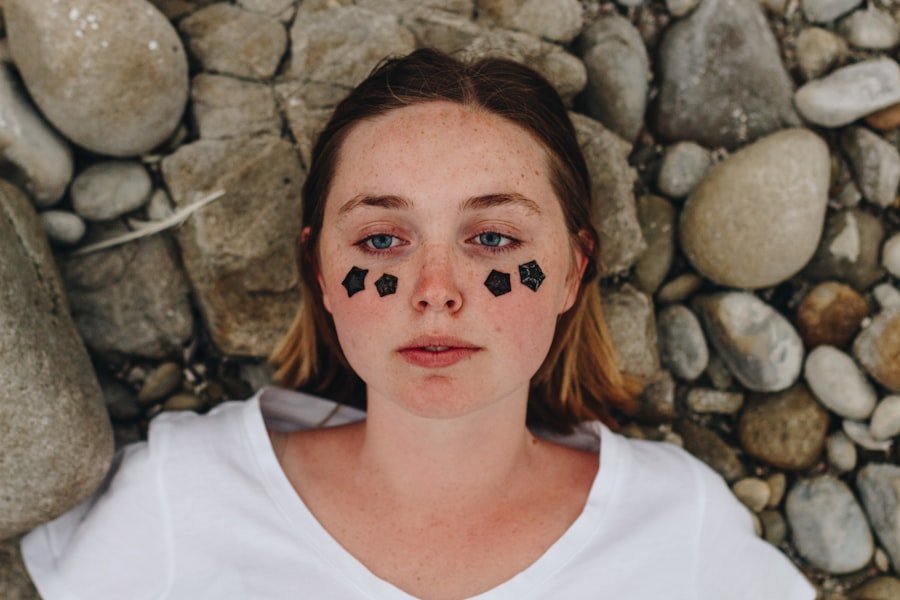
As much as you can do at home, there comes a point where professional intervention is not only helpful but necessary. Don’t hesitate to reach out to a dermatologist if your acne is persistent, severe, or affecting your self-esteem. They are the experts and can offer tailored solutions that go beyond over-the-counter products.
Over-the-Counter (OTC) Limitations: Knowing When to Escalate
Over-the-counter products are excellent for mild to moderate acne and for preventive care. However, they have their limitations and may not be sufficient for more stubborn or severe cases.
- Lack of Potency: OTC treatments often contain lower concentrations of active ingredients compared to prescription-strength medications.
- Targeting Specific Needs: OTC products are often formulated for general acne. A dermatologist can diagnose the specific type of acne you have (e.g., cystic, hormonal) and prescribe treatments tailored to those needs.
- Persistent Breakouts: If you’ve been diligently following a skincare routine for several months and are not seeing significant improvement, it’s time to seek professional advice.
Recognizing Severe Acne: Signs That Demand a Doctor’s Attention
Certain types of acne require professional medical attention to prevent long-term scarring and manage effectively.
- Cystic Acne: Characterized by large, deep, painful lumps that form beneath the skin’s surface. These are highly inflammatory and have a high risk of scarring.
- Nodular Acne: Similar to cystic acne but typically harder and more painful.
- Acne that Causes Scars: If your acne is leaving behind pitted or raised scars, it’s crucial to see a dermatologist. They can recommend treatments to prevent further scarring and help manage existing scars.
- Acne Affecting Your Emotional Well-being: Acne can significantly impact self-confidence and mental health. If your breakouts are causing you distress, anxiety, or depression, a dermatologist can help you find effective solutions and offer support.
Prescription Treatments: Your Dermatologist’s Arsenal
Your dermatologist has a range of powerful tools at their disposal that are not available over the counter.
- Topical Retinoids: Prescription-strength retinoids (like tretinoin, adapalene, or tazarotene) are highly effective at unclogging pores, reducing inflammation, and promoting cell turnover. They are often the first line of defense for moderate to severe acne.
- Topical Antibiotics: These help kill acne-causing bacteria and reduce inflammation. They are often prescribed in combination with other treatments to prevent antibiotic resistance.
- Oral Medications:
- Oral Antibiotics: For moderate to severe inflammatory acne, oral antibiotics can help reduce bacteria and inflammation.
- Hormonal Therapy (for females): Oral contraceptives or spironolactone can be very effective for acne that is linked to hormonal fluctuations.
- Isotretinoin (Accutane): A powerful medication reserved for severe, recalcitrant acne that hasn’t responded to other treatments. It works by significantly reducing oil production, preventing clogged pores, and decreasing inflammation. It has potential side effects and requires close medical supervision.
5. Long-Term Strategies for Sustained Skin Health: Beyond the Breakout Battle
| Prevention Method | Effectiveness |
|---|---|
| Regularly washing face | High |
| Avoiding touching face | Medium |
| Using non-comedogenic skincare products | High |
| Eating a balanced diet | Medium |
| Managing stress levels | Medium |
Preventing teen acne breakouts isn’t just about tackling the immediate problem; it’s about building sustainable habits that promote long-term skin health. This is where you shift from fighting fires to cultivating a healthy ecosystem for your skin, ensuring that even as you navigate further life stages, your skin remains resilient and clear.
Consistent Skincare is Key: The Power of Habit
We’ve emphasized this throughout, but it bears repeating. Consistency in your skincare routine is the bedrock of lasting clear skin.
- Don’t Get Complacent: Even when your skin is clear, maintain your established routine. Occasional lapses can allow new breakouts to emerge. Think of it like maintaining your bike – regular upkeep prevents breakdowns.
- Be Patient: Skincare is not an overnight fix. It takes time for treatments to work and for your skin to respond. Stick with your routine for at least a few months before deciding if it’s effective.
- Adapt as Needed: Your skin’s needs can change with seasons, stress levels, and hormonal shifts. Be prepared to slightly adjust your routine. For example, you might need a richer moisturizer in winter or a lighter one in summer.
Maintaining a Healthy Lifestyle: The Holistic Approach
Your skin is a reflection of your overall health. Continuing to prioritize a healthy lifestyle will pay dividends for your skin for years to come.
- Nourish Your Body: Continue to eat a balanced diet rich in fruits, vegetables, and whole grains. Limit processed foods, excessive sugar, and unhealthy fats. Think of nutritious food as internal skincare.
- Manage Stress Proactively: Develop a robust stress management toolkit that you can rely on. Integrate practices that help you unwind and de-stress on a regular basis, not just when you feel overwhelmed.
- Stay Hydrated: Make drinking water a non-negotiable part of your day. Proper hydration is vital for healthy cell function and skin elasticity.
- Regular Exercise: Continue to incorporate physical activity into your life. The benefits of exercise extend far beyond just physical health; they contribute to mental clarity and can positively impact your skin.
Understanding Evolving Skin Needs: A Lifelong Journey
As you move through your late teens and into your twenties, your skin will continue to evolve. What works now may need to be adapted later.
- Age-Related Changes: As you age, your skin’s oil production may naturally decrease, and you might need to incorporate more hydrating and anti-aging ingredients.
- Environmental Factors: Your skincare needs may shift based on where you live, your exposure to pollution, and climate.
- Ongoing Monitoring: Continue to pay attention to your skin. If you notice new concerns or persistent issues, don’t hesitate to consult with a dermatologist. They can help you navigate these changes and ensure your skin remains healthy and vibrant.
By embracing these strategies, you’re not just preventing teen acne breakouts; you’re investing in a lifetime of healthier, clearer skin. You’re equipped with the knowledge and the habits to manage your skin, understand its needs, and confidently navigate its journey. You’ve got this!
FAQs
What causes teen acne breakouts?
Teen acne breakouts are primarily caused by hormonal changes during puberty, which can lead to an increase in oil production in the skin. This excess oil can clog pores and lead to the development of acne.
How can teens prevent acne breakouts?
Teens can prevent acne breakouts by maintaining a regular skincare routine that includes gentle cleansing, exfoliation, and moisturizing. They should also avoid touching their face, using non-comedogenic makeup and skincare products, and maintaining a healthy diet.
Are there any specific treatments for teen acne breakouts?
There are several treatments available for teen acne breakouts, including over-the-counter products containing ingredients like benzoyl peroxide or salicylic acid. In more severe cases, a dermatologist may prescribe topical or oral medications to help manage acne.
Can certain lifestyle factors contribute to teen acne breakouts?
Yes, certain lifestyle factors such as stress, lack of sleep, and poor diet can contribute to teen acne breakouts. It’s important for teens to manage stress, get enough sleep, and eat a balanced diet to help prevent acne.
When should a teen see a dermatologist for acne breakouts?
If a teen’s acne is severe, causing scarring, or not responding to over-the-counter treatments, it’s important to see a dermatologist for further evaluation and treatment options. A dermatologist can provide personalized recommendations for managing acne breakouts.