
So, you’re navigating the frustrating landscape of adult acne, and you suspect hormones are playing a starring role. You’re not alone. As the Listicle Content Architect, I’m here to break down this complex issue for you, making it digestible, actionable, and most importantly, relatable. Hormonal acne in adult women is a common, yet often misunderstood, phenomenon. It’s not just a few stray pimples; it’s a persistent, cyclical battle that can impact your confidence and overall well-being.
This listicle is designed to equip you with the knowledge you need to understand why it’s happening, what you can do about it, and how to reclaim your clear skin. We’ll delve into the intricate dance of your hormones, explore effective treatment strategies, and empower you with practical tips for managing this condition. Get ready to become more informed and empowered on your journey to clearer, healthier skin.
You thought you’d left teenage breakouts in the dust, only to find them resurfacing with a vengeance in your 20s, 30s, 40s, and beyond. This is the hallmark of adult hormonal acne. It’s a distinct type of acne that flares up in response to fluctuations in your body’s hormone levels, particularly during certain life stages or cycles. Unlike teenage acne, which is often widespread across the forehead and cheeks, adult hormonal acne tends to concentrate along your jawline, chin, and neck. This specific pattern is a significant clue to its hormonal origins.
Hormonal Imbalances: The Usual Suspects
At the heart of hormonal acne are two key players: androgens and estrogen. Androgens, often referred to as “male hormones,” are present in women too, and while they have important functions, an excess can wreak havoc on your skin.
Androgen Overload: The Oil Gland Activator
Androgens, such as testosterone and dehydroepiandrosterone (DHEA), play a crucial role in stimulating your sebaceous glands – the oil-producing organs in your skin. When androgen levels rise (or when your skin becomes more sensitive to them), these glands go into overdrive, producing excess sebum.
- Increased Sebum Production: This extra oil can mix with dead skin cells and clog your pores, creating a breeding ground for acne-causing bacteria (Cutibacterium acnes).
- Inflammation Trigger: The presence of bacteria and the clogged pore initiate an inflammatory response, leading to the redness, swelling, and pain characteristic of acne lesions.
Estrogen Ebb and Flow: The Menstrual Cycle Connection
Estrogen is often associated with “female hormones” and plays a vital role in reproductive health and skin health. Fluctuations in estrogen levels, particularly during your menstrual cycle, can significantly influence your skin’s behavior.
- Pre-Menstrual Surge: In the week or two before your period, estrogen levels drop while androgen levels rise. This shift is a major trigger for breakouts in many women, leading to those dreaded chin and jawline pimples.
- Ovulation and Post-Ovulation: As estrogen rises during ovulation and then drops again post-ovulation, these hormonal shifts can also contribute to skin sensitivity and breakouts for some.
Life Stages and Hormonal Shifts: More Than Just Your Period
Your menstrual cycle is a primary driver of hormonal acne, but certain life stages can amplify these fluctuations and introduce new hormonal considerations.
The Menstrual Cycle: Your Monthly Skin Forecast
This is the most common culprit. Understanding your cycle is key to anticipating and managing your breakouts.
- Mid-Cycle: Around ovulation, estrogen is high, and many women experience clearer skin.
- Late Luteal Phase (Pre-Period): As progesterone rises and estrogen falls after ovulation, androgens become relatively more dominant. This is prime time for breakouts, often characterized by deeper, more cystic lesions.
- Menstruation: During your period, hormone levels hit a low point. You might see continued breakouts from the previous phase or start to see a slight improvement as hormone levels begin to rise again.
Perimenopause and Menopause: The Hormonal Rollercoaster
As you approach menopause, your ovaries gradually produce less estrogen and progesterone. This hormonal shift can lead to a resurgence or worsening of acne, even if you haven’t experienced it before.
- Androgen Dominance: Even with declining estrogen and progesterone, androgen levels may remain relatively high, leading to increased oil production and breakouts.
- Skin Changes: Your skin can also become drier and more sensitive during this time, which can sometimes exacerbate acne.
Polycystic Ovary Syndrome (PCOS): A Significant Factor
PCOS is a common hormonal disorder characterized by an imbalance of reproductive hormones. It’s a leading cause of hormonal acne in women of reproductive age.
- Elevated Androgens: Women with PCOS often have higher levels of androgens, directly contributing to increased sebum production and acne.
- Irregular Periods and Ovarian Cysts: These are other common symptoms of PCOS that are intrinsically linked to hormonal imbalances.
Stress: The Unseen Hormonal Provocateur
Your body’s response to stress is deeply intertwined with your hormonal system. When you’re stressed, your body releases cortisol, the “stress hormone.”
- Cortisol’s Cascading Effects: Elevated cortisol can signal your adrenal glands to produce more androgens, leading to increased oiliness and inflammation. Chronic stress can therefore create a vicious cycle of further hormonal imbalance and acne.
Genetics: The Predisposition Factor
While lifestyle and hormonal fluctuations are key, your genetic makeup also plays a role. If your mother or sisters experienced hormonal acne, you’re more likely to as well. This means your skin might be naturally more sensitive to hormonal changes and prone to overproduction of oil.
2. Identifying Your Hormonal Acne: Signs and Symptoms to Watch For
Distinguishing hormonal acne from other types of breakouts is crucial for effective treatment. While any pimple can be frustrating, hormonal acne often has a distinct pattern and presentation that can help you pinpoint the cause. By understanding these specific characteristics, you can become a more informed advocate for your skin health and communicate more effectively with your healthcare providers.
The Classic Chin and Jawline Comeback
This is perhaps the most telling sign. Hormonal acne typically manifests along the lower half of your face.
- The V-Shape: Think of the area from your ears down to your chin and along your jawline. These are the areas most commonly affected by hormonal fluctuations, as they are more sensitive to androgen activity.
- Deep, Painful Lesions: Unlike superficial whiteheads, hormonal acne often presents as deeper, more persistent pimples that can be quite tender and inflamed. These are often referred to as cystic or nodular acne.
- Under-the-Surface Lumps: You might feel these before you see them – hard, painful lumps just beneath the skin’s surface. These are characteristic of deeper inflammation and can take longer to resolve.
The Menstrual Cycle Connection: Your Monthly Clues
As we’ve touched upon, the timing of your breakouts relative to your menstrual cycle is a significant indicator of hormonal acne.
- The Pre-Period Pauper: If you consistently notice a flare-up in the week leading up to your period, and it often subsides after your period begins, hormonal influence is highly probable.
- Consistent Pattern: Pay attention to this pattern over a few cycles. A consistent correlation between your cycle and breakouts strengthens the hormonal link.
- Post-Breakout Recovery: You might also observe that the lesions from hormonal acne take longer to heal than other types of acne, sometimes leaving behind post-inflammatory hyperpigmentation.
Other Associated Symptoms: The Hormonal Symphony
Hormonal acne is often part of a larger hormonal picture. If you’re experiencing other symptoms, it can further solidify the diagnosis.
Irregular or Absent Menstrual Cycles
This is a key indicator, especially for those with suspected PCOS. If your periods are unpredictable, very heavy, or you miss them entirely, it points to underlying hormonal imbalances.
Excess Body or Facial Hair (Hirsutism)
Increased androgen levels can lead to the growth of coarse, dark hair in patterns typically seen in men, such as on the chin, upper lip, chest, or back.
Hair Thinning or Hair Loss
While less common than hirsutism, some women with elevated androgens can experience thinning hair on their scalp, often in a male-pattern baldness distribution.
Weight Gain or Difficulty Losing Weight
Hormonal imbalances, particularly those associated with PCOS, can affect metabolism and make it harder to maintain a healthy weight or lose excess weight.
Skin Changes Beyond Acne
Other skin changes can accompany hormonal acne, such as:
- Oily Skin Even When Not Breaking Out: A generally oily complexion can be a baseline indicator of hormonal influence.
- Enlarged Pores: Increased sebum production can contribute to the appearance of larger pores.
When to Seek Professional Diagnosis
While self-observation is valuable, it’s crucial to consult a healthcare professional (a dermatologist or your primary care physician) for a definitive diagnosis.
- Persistent, Severe Acne: If your acne is severe, painful, or not responding to over-the-counter treatments, professional help is essential.
- Suspected Underlying Conditions: If you suspect PCOS or another endocrine disorder, a medical evaluation is critical.
- Seeking Prescription Treatments: Dermatologists can prescribe more potent treatments that are specifically designed for hormonal acne, which may be out of reach with over-the-counter options.
By carefully observing these signs and symptoms, you can gain a deeper understanding of your skin and its connection to your internal hormonal landscape. This knowledge is your first step towards regaining control and achieving the clear skin you deserve.
3. The Treatment Toolkit: Tackling Hormonal Acne from Within and Without
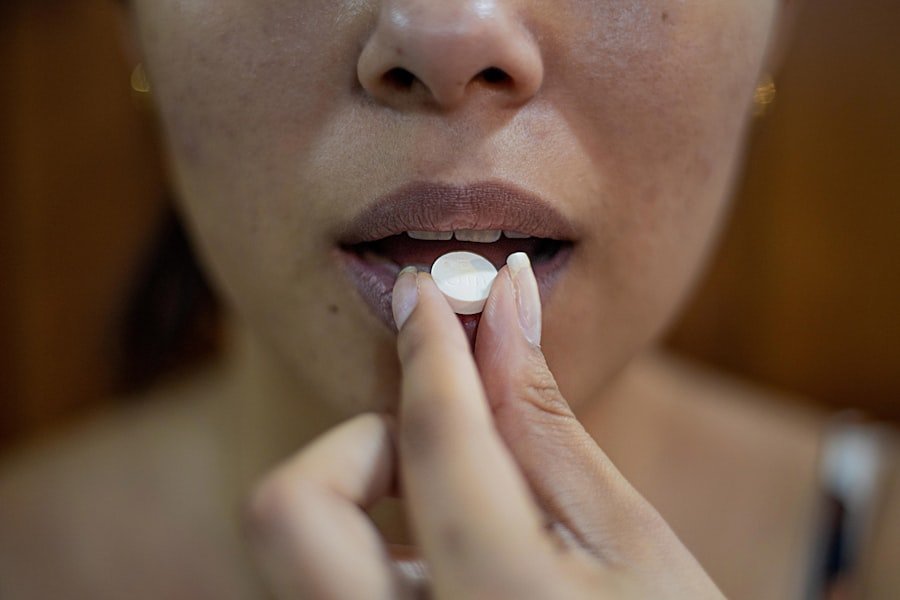
Conquering hormonal acne requires a multi-pronged approach that addresses both the internal hormonal imbalances and the external manifestations on your skin. There’s no single magic bullet, but a combination of lifestyle adjustments, topical treatments, and, in many cases, medical interventions, can lead to significant improvements. As your LCA, I’m here to guide you through the arsenal of effective strategies.
Topical Treatments: Your First Line of Defense
While internal factors are at play, topical treatments can directly target inflammation, unclog pores, and reduce bacteria on the skin’s surface.
Retinoids: The Pore-Clearing Powerhouses
Retinoids (like tretinoin, adapalene, and retinol) are vitamin A derivatives that are incredibly effective at treating acne.
- Cell Turnover Acceleration: They speed up the rate at which your skin cells shed, preventing dead skin cells from clogging pores.
- Anti-inflammatory Properties: Retinoids also help to reduce inflammation, a key component of acne.
- Sebum Regulation: Over time, they can help to regulate oil production.
- Prescription vs. Over-the-Counter: Prescription-strength retinoids are generally more potent and effective, but over-the-counter retinols can be a good starting point for milder cases. Start slowly to minimize irritation.
Benzoyl Peroxide: The Bacteria Buster
Benzoyl peroxide is a topical antiseptic that kills acne-causing bacteria.
- Targeting C. acnes: It’s particularly effective against Cutibacterium acnes, reducing the bacterial load on your skin.
- Exfoliating Action: It also has mild exfoliating properties, helping to keep pores clear.
- Concentration Matters: Available in various strengths (2.5% to 10%), it’s often recommended to start with a lower concentration to avoid dryness and irritation.
Salicylic Acid: The Pore Penetrator
Salicylic acid is a beta-hydroxy acid (BHA) that is oil-soluble, allowing it to penetrate deep into pores.
- Exfoliation within Pores: It effectively dissolves sebum and dead skin cells within the pores, preventing them from becoming clogged.
- Anti-inflammatory Benefits: Salicylic acid also possesses anti-inflammatory properties, which can help calm red, swollen lesions.
- Gentle Option: It’s often a good choice for those with sensitive skin who may find retinoids too harsh.
Systemic Treatments: Addressing the Root Cause
When topical treatments aren’t enough, or when acne is moderate to severe, systemic treatments that work from the inside out become necessary. These are usually prescribed by a dermatologist.
Hormonal Therapies: Balancing the Scales
These treatments directly target the hormonal imbalances contributing to your acne.
- Combined Oral Contraceptives (COCs): Certain birth control pills are specifically approved for treating acne. They work by:
- Suppressing Androgen Production: They reduce the amount of androgens your ovaries produce.
- Increasing Sex Hormone-Binding Globulin (SHBG): This protein binds to and inactivates excess androgens, making them less available to stimulate oil glands.
- Regulating Menstrual Cycles: They can also help to regularize your periods.
- Important Note: Not all birth control pills are suitable for acne. Discuss options with your doctor.
- Spironolactone: This is a prescription medication originally used as a diuretic but found to be highly effective for hormonal acne in women.
- Androgen Blocker: It works by blocking the effects of androgens on your skin’s sebaceous glands, reducing oil production and inflammation.
- Often A Lifesaver: Spironolactone is often a game-changer for women with stubborn hormonal acne, especially when COCs aren’t an option or haven’t been sufficient.
- Requires Prescription and Monitoring: It requires a prescription and may involve monitoring by your doctor, especially regarding potassium levels and blood pressure.
Antibiotics: Quelling the Inflammation
Oral antibiotics can be used to reduce the bacteria involved in acne and, importantly, to combat the inflammation associated with it.
- Reducing Bacteria Load: They decrease the population of C. acnes on the skin.
- Anti-inflammatory Effects: Many oral antibiotics also have inherent anti-inflammatory properties that help calm acne lesions.
- Short-Term Solution: They are typically prescribed for a limited duration to avoid antibiotic resistance. They are often used in conjunction with topical treatments.
Isotretinoin (Accutane): The Powerful, Last Resort
Isotretinoin is a potent oral medication that is highly effective for severe, recalcitrant acne, including hormonal acne.
- Comprehensive Approach: It works by dramatically reducing sebum production, preventing clogged pores, reducing inflammation, and decreasing bacteria.
- Significant Side Effects: Due to its powerful nature, it has potential side effects and requires rigorous monitoring by a dermatologist through programs like iPLEDGE (in the US).
- Long-Term Remission: For many, a single course of isotretinoin can lead to long-term remission of acne.
Lifestyle and Dietary Interventions: Supporting Your Skin from Within
While medical treatments are often necessary, integrating healthy lifestyle habits can significantly support your skin’s journey to clarity.
Stress Management Techniques
As we’ve discussed, stress can exacerbate hormonal acne. Implementing stress-reducing practices is crucial.
- Mindfulness and Meditation: Regularly practicing mindfulness can help regulate your stress response.
- Yoga and Deep Breathing: These activities are excellent for calming the nervous system.
- Adequate Sleep: Aim for 7-9 hours of quality sleep per night. Sleep deprivation elevates cortisol levels.
- Hobbies and Relaxation: Make time for activities you enjoy that help you unwind.
Dietary Considerations: The Gut-Skin Connection
While definitive links are still being researched, many women find that certain dietary adjustments can help manage their hormonal acne.
- Low Glycemic Index (GI) Diet: Reducing your intake of refined carbohydrates and sugars (white bread, sugary drinks, pastries) can help to stabilize blood sugar levels, which in turn can influence hormone production and reduce inflammation.
- Focus on Whole Foods: Emphasize fruits, vegetables, lean proteins, and whole grains.
- Dairy Intake (Debatable but Worth Exploring): Some studies suggest a link between dairy consumption and acne severity in certain individuals. If you suspect dairy is a trigger, consider a trial elimination for 4-6 weeks to see if your skin improves.
- Omega-3 Fatty Acids: Found in fatty fish (salmon, mackerel), flaxseeds, and walnuts, omega-3s have powerful anti-inflammatory properties that can benefit acne-prone skin.
- Hydration is Key: Ensure you’re drinking plenty of water throughout the day to support overall skin health and detoxification.
Gentle Skincare Routine: Less is More
Over-washing or using harsh products can strip your skin’s natural barrier, leading to increased irritation and potential breakouts.
- Cleanse Twice Daily: Use a gentle, non-comedogenic cleanser to remove oil, dirt, and makeup.
- Avoid Picking and Squeezing: This can lead to further inflammation, infection, and scarring.
- Moisturize: Even oily skin needs hydration. Choose an oil-free, non-comedogenic moisturizer to keep your skin balanced.
- Sun Protection: Many acne treatments can make your skin more sensitive to the sun. Use a broad-spectrum SPF 30 or higher daily.
By combining these professional treatments with supportive lifestyle changes, you can create a comprehensive strategy to effectively manage and overcome hormonal acne.
4. Beyond the Breakout: Long-Term Strategies for Hormonal Harmony and Clear Skin
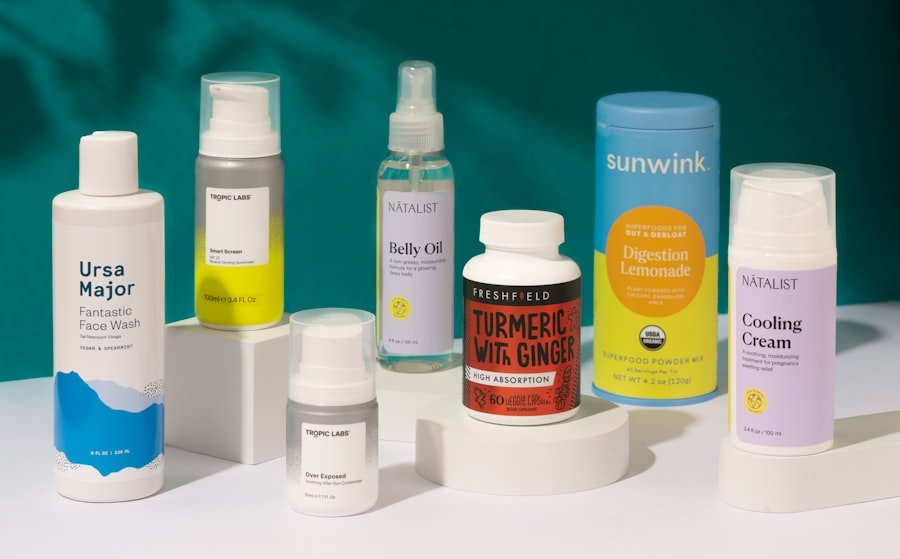
Managing hormonal acne isn’t just about treating the active pimples; it’s about building sustainable habits and understanding your body for long-term hormonal harmony and clear skin. As your LCA, I want to empower you with strategies that go beyond topical creams and immediate fixes, helping you cultivate a resilient and balanced approach.
Understanding Your Cycle: Forewarned is Forearmed
The more in sync you are with your menstrual cycle, the better you can anticipate and manage your hormonal acne flares.
Cycle Tracking Apps and Journals
Utilize technology or a simple notebook to track your cycle from start to finish.
- Key Data to Record:
- Start and end dates of your period.
- Ovulation dates (if known or tracked).
- Skin condition daily (breakouts, oiliness, dryness, sensitivity).
- Mood and energy levels.
- Dietary habits.
- Stress levels.
- Identifying Patterns: Over a few months, you’ll likely see clear correlations between hormonal shifts and your skin’s behavior. This awareness allows you to adjust your skincare routine or focus on stress management during typical flare-up times.
Pre-emptive Skincare Adjustments
Based on your cycle tracking, you can proactively tweak your skincare.
- Weeks Leading Up to Period: If you know you tend to break out, you might:
- Increase the frequency of exfoliating treatments (if tolerated).
- Incorporate a spot treatment with benzoyl peroxide or salicylic acid on areas prone to breakouts.
- Be extra diligent with cleansing and moisturizing.
- During Your Period: Your skin might be feeling sensitive. Consider:
- Using a gentler cleanser.
- Opting for more hydrating products.
- Focusing on non-inflammatory treatments.
Nourishing Your Body: The Gut-Skin Connection Deep Dive
The health of your gut has a profound impact on your overall hormonal balance and skin health. This connection is often overlooked but is incredibly powerful.
Probiotics and Prebiotics: Cultivating a Healthy Microbiome
A balanced gut microbiome can help regulate inflammation and improve nutrient absorption, both crucial for hormonal acne.
- Probiotic-Rich Foods: Incorporate fermented foods like yogurt (with live and active cultures), kefir, sauerkraut, kimchi, and kombucha into your diet.
- Prebiotic Foods: These are fibers that feed your beneficial gut bacteria. Include foods like garlic, onions, leeks, asparagus, bananas, oats, and whole grains.
- Probiotic Supplements: If you’re not regularly consuming probiotic-rich foods, a high-quality probiotic supplement can be beneficial. Look for strains that have demonstrated benefits for skin health.
Anti-inflammatory Eating Habits: Beyond Just Avoiding Sugar
Focusing on an anti-inflammatory diet is a cornerstone of long-term skin health.
- Abundant Fruits and Vegetables: Aim for a wide variety of colorful produce. They are packed with antioxidants and phytonutrients that combat inflammation.
- Healthy Fats: Prioritize sources of omega-3 fatty acids (fatty fish, flaxseeds, chia seeds, walnuts) and monounsaturated fats (avocado, olive oil, nuts).
- Lean Protein Sources: Choose fish, poultry, beans, and lentils over processed meats.
- Limit Inflammatory Triggers: Beyond refined sugars and processed foods, pay attention to how your body reacts to other potential triggers like alcohol, excessive caffeine, and artificial sweeteners.
Building Resilience: Stress Management as a Pillar of Health
Chronic stress is a major disruptor of hormonal balance. Cultivating robust stress management techniques is not a luxury; it’s a necessity for managing hormonal acne.
Mind-Body Practices for Hormonal Regulation
Engage in practices that calm your nervous system and lower cortisol levels.
- Regular Exercise: Aim for a balanced approach to exercise – a mix of cardio, strength training, and mindful movement like yoga or tai chi. Overtraining can, however, increase stress hormones, so listen to your body.
- Mindful Breathing Techniques: Simple techniques, like diaphragmatic breathing, can be practiced anywhere to instantly calm your system.
- Journaling for Emotional Release: Writing down your thoughts and feelings can help process stress and gain perspective.
- Nature Therapy: Spending time outdoors, even for short periods, has been shown to reduce stress and improve mood.
Prioritizing Sleep: The Ultimate Restorative Process
Sleep is when your body repairs and regenerates. Insufficient sleep throws your hormones out of whack.
- Establish a Consistent Sleep Schedule: Go to bed and wake up around the same time each day, even on weekends.
- Create a Relaxing Bedtime Routine: Wind down for an hour or two before bed with activities like reading, taking a warm bath, or listening to calming music.
- Optimize Your Sleep Environment: Ensure your bedroom is dark, quiet, and cool.
Seeking Ongoing Support: When to Re-evaluate and Adapt
Hormonal acne management is often an ongoing journey. It’s important to stay connected with your healthcare providers and be open to adapting your strategy.
Regular Dermatologist Check-ins
Don’t hesitate to schedule follow-up appointments with your dermatologist, especially if:
- Your current treatment is no longer effective.
- You’re experiencing new or persistent side effects.
- Your acne has changed in severity or presentation.
- You’re considering pregnancy or are pregnant/breastfeeding (as this impacts treatment options).
Considering Other Hormonal Influences
If your acne is persistent and other underlying conditions have been ruled out, it’s worth exploring other hormonal influences with your doctor.
- Thyroid Function: Thyroid imbalances can affect your overall hormonal status and sometimes contribute to skin issues.
- Adrenal Health: Chronic stress can impact adrenal function, which in turn affects hormone production.
By embracing these long-term strategies, you’re not just fighting pimples; you’re investing in your overall health and well-being. You’re building a foundation of hormonal balance and resilience that will benefit your skin and your life for years to come.
FAQs
What is hormonal acne in adult women?
Hormonal acne in adult women is acne that is primarily caused by fluctuations in hormone levels, particularly androgens such as testosterone. This type of acne often appears on the lower part of the face, jawline, and chin.
What are the common symptoms of hormonal acne in adult women?
Common symptoms of hormonal acne in adult women include deep, painful cysts or nodules, inflamed lesions, and persistent breakouts that coincide with the menstrual cycle. This type of acne may also be resistant to traditional acne treatments.
What are the potential causes of hormonal acne in adult women?
Hormonal acne in adult women can be caused by a variety of factors, including menstrual cycle fluctuations, polycystic ovary syndrome (PCOS), menopause, pregnancy, and certain medications such as corticosteroids or oral contraceptives.
How is hormonal acne in adult women typically treated?
Treatment for hormonal acne in adult women often involves addressing the underlying hormonal imbalances through medications such as oral contraceptives, anti-androgen medications, or hormone replacement therapy. Topical treatments and lifestyle changes may also be recommended.
When should a woman seek medical attention for hormonal acne?
A woman should seek medical attention for hormonal acne if it is severe, persistent, or causing emotional distress. Additionally, if acne is accompanied by other symptoms such as irregular periods, excessive hair growth, or weight gain, it may be indicative of an underlying hormonal condition that requires medical evaluation.