
You’re staring in the mirror, and there it is: that unwelcome red intruder, or perhaps a constellation of them, making a dramatic entrance right before that important event. You’re not alone. Acne breakouts are a universal experience, and while professional treatments have their place, sometimes you need immediate relief with what you have at home. As your Listicle Content Architect (LCA), I’m here to guide you through the most effective, accessible, and dermatologist-approved home treatments for those pesky pimples. Forget the overwhelming internet advice; this is your curated, actionable guide to winning the battle against the breakout.
Before you even think about applying a spot treatment, you need to ensure your canvas is clean. This might sound obvious, but it’s a step many people rush or get wrong, paradoxically making their acne worse. The goal here isn’t to scrub your skin raw; it’s to gently remove excess oil, dirt, and bacteria without stripping your skin’s natural protective barrier. Over-cleansing or using harsh products can lead to irritation, dryness, and even more oil production as your skin tries to compensate.
a. Choose the Right Cleanser (Hint: It’s Not Just “For Oily Skin”)
The term “for oily skin” can be misleading. Many cleansers marketed for oily or acne-prone skin can be overly aggressive. Instead, look for cleansers labeled as “gentle,” “foaming,” or “gel-based.” These are often effective at removing impurities without causing excessive dryness.
- Salicylic Acid Cleansers: These are your best friends for mild to moderate acne. Salicylic acid is a beta-hydroxy acid (BHA) that’s oil-soluble, meaning it can penetrate into your pores to dissolve sebum and dead skin cells, unclogging them and preventing future breakouts. Start with a lower concentration (0.5% to 1%) and use it only once a day initially, especially if you have sensitive skin.
- Benzoyl Peroxide Cleansers (Lower Concentrations): Benzoyl peroxide is a potent antibacterial agent that kills acne-causing bacteria. However, it can be very drying and irritating. If you opt for a benzoyl peroxide cleanser, start with a low concentration (2.5% or 5%) and use it sparingly, perhaps every other day, or as a short-contact therapy (leave it on for a minute or two before rinsing) to minimize irritation.
- Non-Foaming/Cream Cleansers: If your skin leans more towards the sensitive or dry side, even with breakouts, a gentle, non-foaming cream cleanser might be more suitable. These cleanse without stripping the skin, preserving its natural moisture balance. Look for ingredients like ceramides or hyaluronic acid.
b. The Art of Washing: Temperature and Technique Matter
How you wash your face is as important as what you use.
- Lukewarm Water is Key: Never use hot water. Hot water can strip your skin of its natural oils and exacerbate inflammation. Lukewarm or cool water is ideal for cleansing and can help calm the skin.
- Lather in Your Hands First: Don’t apply cleanser directly to your face. Instead, dispense a small amount into your palms, lather it up with a little water, and then gently massage it onto your damp face.
- Gentle Circular Motions: Use the pads of your fingertips, not your fingernails, to apply the cleanser. Employ light, circular motions to distribute the product and lift impurities. Avoid aggressive rubbing or scrubbing.
- Rinse Thoroughly: Ensure all traces of cleanser are removed. Using your hands to splash water onto your face is generally fine, but some prefer to use a soft washcloth.
- Pat, Don’t Rub, Your Skin Dry: After rinsing, grab a clean, soft towel and gently pat your face dry. Rubbing can cause friction and irritation, which is the last thing your inflamed skin needs.
2. Targeted Treatments: Spotting the Solution
Once your skin is clean and dry, it’s time to bring out the big guns for those specific blemishes. These are your go-to solutions for individual pimples that demand immediate attention. The aim here is to reduce inflammation, kill bacteria, and encourage faster healing.
a. Salicylic Acid Spot Treatments: The Pore Penetrator
As mentioned, salicylic acid is excellent at getting into your pores. Spot treatments deliver a higher concentration directly to the affected area.
- How to Use: Apply a small amount directly onto the pimple after cleansing and before moisturizing. A little goes a long way. Look for clear gels or creams.
- Why They Work: By dissolving the blockage within the pore, salicylic acid reduces the swelling and redness associated with the pimple. It can also help to prevent the pimple from becoming too inflamed or cystic.
- Frequency: Use as needed, but generally, once or twice a day is sufficient. Be mindful of any dryness or peeling.
b. Benzoyl Peroxide Spot Treatments: The Bacterial Buster
Benzoyl peroxide is a more potent option for inflammatory acne. It’s a powerful oxidizer that kills Propionibacterium acnes (the bacteria commonly associated with acne) and helps to unclog pores.
- How to Use: Apply a thin layer directly onto the pimple. Be aware that benzoyl peroxide can bleach fabrics (towels, pillowcases, clothing), so be cautious.
- Why They Work: Its antibacterial properties are its main strength. It effectively reduces the bacterial load on the skin, preventing further inflammation and infection.
- Concentrations and Cautions: Available in concentrations from 2.5% to 10%. It’s highly recommended to start with the lowest concentration (2.5%) to minimize irritation, redness, and peeling. If you have darker skin, be extra cautious as higher concentrations can potentially cause post-inflammatory hyperpigmentation.
c. Sulfur Spot Treatments: The Gentle Warrior
Sulfur is a less aggressive but still effective ingredient for treating acne. It has both antibacterial and anti-inflammatory properties.
- How to Use: Often found in creams or masks, apply a thin layer to the affected area. Some sulfur treatments also act as a drying agent.
- Why They Work: Sulfur helps to dry out the surface of the pimple and has mild exfoliating properties. It’s generally better tolerated by sensitive skin compared to benzoyl peroxide. It can also help to reduce redness and inflammation.
- Unique Benefits: Sulfur can help to absorb excess oil and has a unique ability to help shed dead skin cells from the opening of the follicle.
d. Hydrocolloid Patches: The Pimple Band-Aid
These are the modern marvels of acne treatment. Hydrocolloid patches are small, transparent stickers that you apply directly to a pimple.
- How to Use: Cleanse and dry your face. Peel a patch from its backing and apply it directly over the pimple. Leave it on for at least 6-8 hours, or overnight.
- Why They Work: These patches create a moist environment that helps to draw out pus and impurities from the pimple, speeding up healing. They also act as a physical barrier, preventing you from picking at the blemish (which is crucial!). The moist environment discourages scabbing and promotes faster healing.
- Benefits Beyond Pimple Popping: They protect the pimple from dirt and bacteria, reducing the risk of infection and scarring. They also flatten the appearance of the pimple, making it less noticeable.
3. Soothing the Savage Beast: Calming Inflammation and Redness
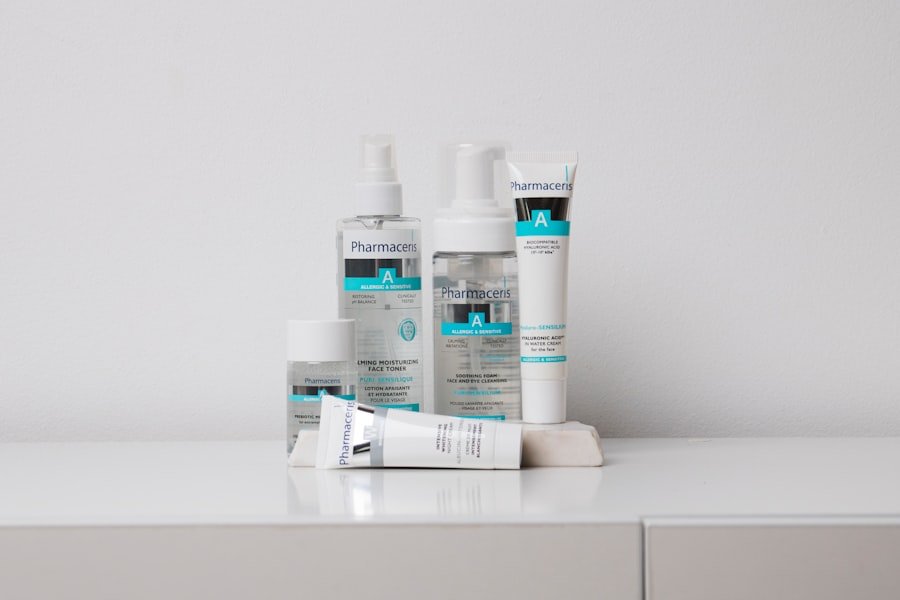
When your skin is inflamed, it’s not just about the pimple itself; it’s about the surrounding redness and discomfort. These remedies focus on calming your skin, reducing the angry appearance of breakouts, and promoting a more comfortable environment for healing.
a. The Magic of Cold Therapy: Ice, Ice, Baby
Applying cold to an inflamed pimple can make a noticeable difference.
- How to Use: Wrap a few ice cubes in a thin cloth (a clean paper towel or a soft piece of fabric works well). Gently hold the ice pack on the inflamed area for 5-10 minutes. Repeat this a few times a day as needed. Never apply ice directly to your skin.
- Why It Works: Cold constricts blood vessels, which helps to reduce swelling and redness associated with acne inflammation. It can also provide temporary pain relief for those sore, cystic breakouts.
- Considerations: While effective for immediate reduction of redness and swelling, ice therapy doesn’t address the underlying cause of the breakout.
b. Green Tea: The Antioxidant Elixir
This popular beverage is also a powerhouse for your skin.
- How to Use: Brew a cup of green tea and let it cool completely. You can then either use a cotton ball soaked in the cooled tea to gently dab onto the affected areas, or you can place the cooled tea bag directly onto the pimple for a few minutes.
- Why It Works: Green tea is rich in antioxidants, particularly epigallocatechin gallate (EGCG), which has anti-inflammatory and antibacterial properties. It can help to reduce redness, calm irritation, and even potentially decrease sebum production.
- Versatility: You can also use green tea as a facial rinse after cleansing for a more generalized soothing effect.
c. Aloe Vera: Nature’s Healing Balm
Known for its soothing and anti-inflammatory properties, aloe vera is a classic choice for calming irritated skin.
- How to Use: Directly apply fresh aloe vera gel from the plant or a pure aloe vera gel product (ensure it’s at least 90% pure aloe vera with minimal additives) to the affected areas.
- Why It Works: Aloe vera contains compounds that have anti-inflammatory and wound-healing properties. It can help to reduce redness, swelling, and discomfort associated with breakouts, and it’s also very hydrating without being greasy.
- Purity Matters: Look for products that are as close to pure as possible. Some commercial gels contain alcohol or other ingredients that can be drying or irritating.
4. Hydration is Not the Enemy: The Importance of Moisturizing
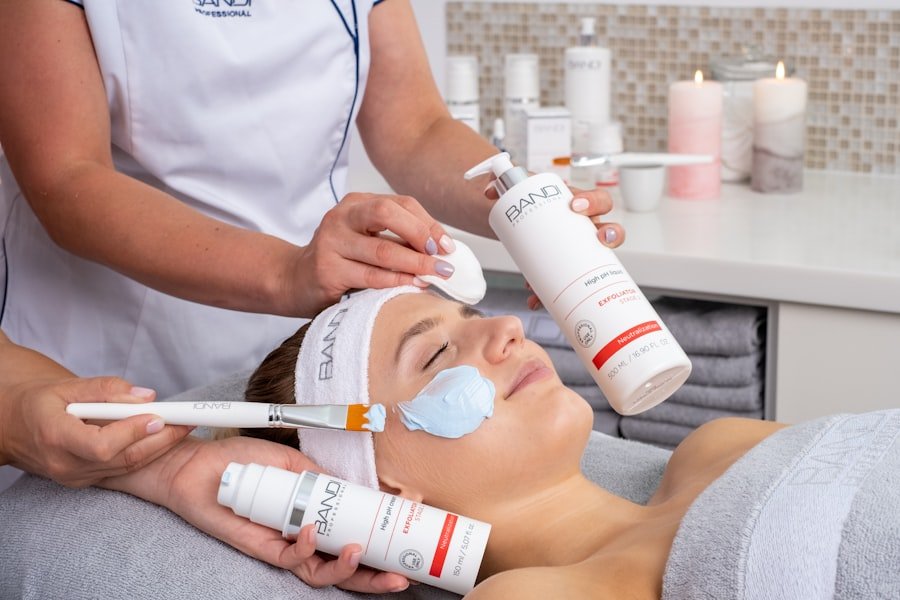
You might think that if you have oily, acne-prone skin, you should skip moisturizer. This is a common misconception that can actually lead to more problems. When your skin is stripped of hydration, whether by harsh cleansers or over-treatment, it can go into overdrive and produce even more oil to compensate.
a. Choosing the Right Moisturizer for Acne-Prone Skin
The key here is to select a moisturizer that is non-comedogenic and oil-free.
- Oil-Free and Non-Comedogenic: These terms are crucial. “Oil-free” means the product doesn’t contain mineral oil or other heavy oils that can clog pores. “Non-comedogenic” means it’s formulated not to clog pores.
- Lightweight Formulas: Look for gel-based, lotion, or serum formulations. These are typically lighter and absorb quickly without feeling heavy or greasy on the skin.
- Key Ingredients to Look For:
- Hyaluronic Acid: This is a humectant, meaning it draws moisture from the air into your skin, providing hydration without added oil. It’s lightweight and generally well-tolerated by all skin types.
- Ceramides: These are lipids that are naturally found in your skin’s barrier. They help to strengthen and repair the skin barrier, which is essential for keeping moisture in and irritants out.
- Glycerin: Another excellent humectant that pulls water into the skin.
- Niacinamide (Vitamin B3): This multi-tasker can help to regulate oil production, reduce inflammation, and improve the skin’s barrier function, making it a great choice for acne-prone skin.
b. When and How to Apply Moisturizer
Timing is everything when it comes to effective moisturizing, especially after treating your acne.
- After Cleansing and Treatment: Apply your moisturizer after you’ve cleansed your face and applied any targeted acne treatments. This helps to lock in the benefits of your treatments and prevent your skin from becoming overly dry.
- Morning and Night: Generally, you should moisturize both in the morning and at night.
- Morning: A lighter, oil-free moisturizer is ideal to provide hydration throughout the day without making your skin feel greasy, especially if you’ll be wearing makeup.
- Night: You can use a slightly richer, yet still non-comedogenic, moisturizer at night to support skin repair and hydration while you sleep.
- A Little Goes a Long Way: You don’t need a large amount of product. A pea-sized amount is usually sufficient for your entire face. Gently massage it into your skin.
c. Don’t Forget Sunscreen!
This is non-negotiable for anyone with acne, especially if you’re using acne treatments that can make your skin more sensitive to the sun.
- Why Sunscreen is Crucial: Many acne treatments, like salicylic acid and benzoyl peroxide, can increase your skin’s sensitivity to UV radiation. This can lead to sunburn, dark spots (post-inflammatory hyperpigmentation), and premature aging. Sun exposure can also worsen the appearance of acne scars.
- Look for “Broad Spectrum” and “SPF 30+”: Always choose a sunscreen labeled “broad spectrum,” meaning it protects against both UVA and UVB rays. An SPF of 30 or higher is recommended.
- “Non-Comedogenic” is Your Friend: Just like with moisturizers, opt for oil-free, non-comedogenic sunscreens formulated for acne-prone or sensitive skin. Mineral sunscreens (with zinc oxide and titanium dioxide) are often a good choice as they are less likely to cause irritation.
- Daily Application: Apply sunscreen as the last step in your morning skincare routine, even on cloudy days. Reapply every two hours if you’re outdoors.
5. Lifestyle Tweaks: The Holistic Approach to Clearer Skin
| Treatment | Description |
|---|---|
| Tea Tree Oil | Has antibacterial and anti-inflammatory properties |
| Aloe Vera | Helps to soothe and heal the skin |
| Apple Cider Vinegar | Can help to reduce inflammation and prevent acne breakouts |
| Honey and Cinnamon Mask | Has antibacterial properties and can help to reduce acne |
| Green Tea | Contains antioxidants and can help to reduce sebum production |
While topical treatments are effective, they’re only part of the puzzle. Your lifestyle plays a significant role in your skin’s health and your susceptibility to breakouts. Small, consistent changes can make a big difference in the long run.
a. Diet: Fueling Your Skin from Within
What you eat directly impacts your skin. While there’s no one-size-fits-all acne diet, some general principles can help.
- Limit High Glycemic Index Foods: Foods that cause a rapid spike in blood sugar, such as white bread, sugary drinks, and processed snacks, can trigger hormonal changes that lead to increased sebum production and inflammation. Focus on whole grains, fruits, and vegetables.
- Consider Dairy Intake: For some individuals, dairy products, particularly skim milk, have been linked to acne flare-ups. If you suspect a connection, try reducing your dairy consumption for a few weeks to see if your skin improves.
- Embrace Antioxidant-Rich Foods: Fruits and vegetables, especially berries, leafy greens, and colorful produce, are packed with antioxidants that can help fight inflammation throughout your body, including your skin.
- Hydration, Hydration, Hydration: Drinking plenty of water is essential for overall health, including skin health. It helps flush out toxins and keeps your skin hydrated from the inside out. Aim for at least 8 glasses of water a day.
b. Stress Management: The Mind-Skin Connection
Stress is a notorious trigger for acne breakouts. When you’re stressed, your body releases cortisol, a hormone that can increase oil production and inflammation.
- Practice Relaxation Techniques: Incorporate activities like deep breathing exercises, meditation, yoga, or spending time in nature into your routine. Even brief moments of mindfulness can help.
- Prioritize Sleep: Aim for 7-9 hours of quality sleep per night. During sleep, your body repairs itself, including your skin. Lack of sleep can exacerbate stress and inflammation.
- Engage in Hobbies and Enjoyable Activities: Make time for things that bring you joy and help you de-stress. Whether it’s reading, listening to music, or spending time with friends, find what recharges you.
c. Hygiene Habits: Beyond Just Washing Your Face
Good hygiene extends beyond your daily facial cleansing routine.
- Clean Your Phone Regularly: Your phone is a breeding ground for bacteria and germs. Wipe it down with an antibacterial wipe daily.
- Wash Pillowcases Frequently: Pillowcases can accumulate oil, sweat, and dead skin cells. Change your pillowcase at least twice a week.
- Avoid Touching Your Face: Your hands carry a lot of bacteria. Resist the urge to touch, pick, or pop your pimples, as this can spread bacteria, increase inflammation, and lead to scarring.
- Clean Makeup Brushes: Makeup brushes can harbor bacteria and old product. Clean them thoroughly at least once a week with a gentle cleanser. Replace them periodically.
You’ve now got your comprehensive, LCA-approved guide to tackling those bothersome breakouts right at home. Remember, consistency is key, and patience will be rewarded. While these home treatments are incredibly effective, if your acne is severe, persistent, or causing distress, don’t hesitate to consult a dermatologist. They can offer personalized advice and more advanced treatment options. Until then, empower yourself with knowledge and these tried-and-true remedies, and you’ll be well on your way to a clearer, more confident complexion.
FAQs
What are some common home treatments for acne breakouts?
Some common home treatments for acne breakouts include using over-the-counter topical treatments containing ingredients like benzoyl peroxide or salicylic acid, applying tea tree oil, using a honey and cinnamon mask, and using aloe vera gel.
Are there any natural remedies that can help with acne breakouts?
Yes, some natural remedies that can help with acne breakouts include applying apple cider vinegar, using green tea extract, applying witch hazel, and using a turmeric mask.
What lifestyle changes can help prevent acne breakouts?
Some lifestyle changes that can help prevent acne breakouts include maintaining a regular skincare routine, avoiding touching the face, keeping hair clean and away from the face, managing stress levels, and maintaining a healthy diet.
Are there any dietary changes that can help improve acne breakouts?
Some dietary changes that can help improve acne breakouts include reducing intake of high-glycemic foods, avoiding dairy and high-sugar foods, increasing intake of omega-3 fatty acids, and staying hydrated.
When should I see a dermatologist for acne breakouts?
You should see a dermatologist for acne breakouts if home treatments are not effective, if the acne is severe or painful, if it is leaving scars, or if it is affecting your self-esteem.