
Hormonal acne can feel like an unwelcome guest that shows up at the most inconvenient times, often due to the fluctuating tides of your internal chemistry. As your Listicle Content Architect, I’m here to guide you through the intricate landscape of hormonal acne prevention, arming you with actionable strategies to keep your skin clear and your confidence high. This isn’t about quick fixes; it’s about building a foundation of knowledge to proactively manage these breakouts. Get ready to understand your body better and reclaim your radiant complexion.
Before we dive into prevention, it’s crucial to grasp why hormonal acne rears its head. It’s not just about what you’re putting on your skin; it’s about what’s happening within. Hormones are powerful chemical messengers that play a significant role in many bodily functions, including the regulation of your skin. When these hormones, particularly androgens like testosterone, become imbalanced, they can trigger a cascade of events that lead to breakouts.
The Role of Androgens in Acne
You’ve likely heard of androgens, and while they’re often associated with male hormones, they play a vital role in both sexes. In your body, androgens stimulate your sebaceous glands – the tiny oil-producing factories embedded in your skin. When androgen levels surge, these glands go into overdrive, producing excess sebum. This excess oil is a prime feeding ground for Cutibacterium acnes (formerly Propionibacterium acnes), a common bacterium that resides on your skin.
- Sebum Overproduction: The primary culprit is the increased sebum production driven by heightened androgen activity. This oily substance, while naturally protective, can become problematic when overproduced.
- Pore Blockage: Excess sebum, combined with dead skin cells, can clog your pores, creating a perfect environment for bacteria to multiply.
- Inflammation: The proliferation of C. acnes and the body’s immune response to it leads to inflammation, manifesting as those familiar red, swollen pimples, cysts, and nodules.
Common Triggers for Hormonal Fluctuations
Hormonal acne isn’t a random occurrence; it’s often linked to specific periods or events in your life that naturally cause hormonal shifts. Recognizing these triggers can help you anticipate and prepare for potential breakouts.
- Menstrual Cycle: This is perhaps the most common culprit for many. The fluctuations in estrogen and progesterone throughout your cycle can lead to a relative increase in androgens, often resulting in breakouts in the days leading up to your period. You might notice specific patterns – a jawline eruption, for instance – that align with this monthly rhythm.
- Pregnancy: Hormonal shifts during pregnancy are significant. While some individuals experience clearer skin, many others battle acne due to the surge in hormones like progesterone and androgens. This can be a particularly challenging time to manage breakouts, as treatment options may be limited.
- Menopause and Perimenopause: As your body transitions through menopause, estrogen and progesterone levels decline, leading to a relative dominance of androgens. This can result in adult-onset acne, often appearing along the jawline and chin.
- Polycystic Ovary Syndrome (PCOS): This common endocrine disorder is characterized by hormonal imbalances, including elevated androgen levels. PCOS is a frequent cause of persistent and often severe hormonal acne.
- Stress: Chronic stress can wreak havoc on your entire endocrine system. When you’re stressed, your body releases cortisol, the “stress hormone.” Cortisol can influence other hormone levels, including androgens, potentially leading to increased sebum production and acne.
- Certain Medications: Some medications, including hormonal birth control pills (though sometimes these are used to treat acne), corticosteroids, and testosterone supplements, can impact your hormonal balance and contribute to acne.
Lifestyle Pillars for Hormonal Acne Prevention
Once you understand the underlying hormonal influences, you can begin to implement lifestyle changes that support skin health. These are not quick fixes, but rather sustainable habits that contribute to overall well-being and, consequently, clearer skin. Think of these as building blocks for a resilient and balanced complexion.
Dietary Adjustments for Hormonal Harmony
What you eat directly impacts your internal environment, including your hormone levels and inflammatory responses. Making conscious dietary choices can be a powerful tool in your hormonal acne prevention arsenal.
- Embrace a Low Glycemic Index (GI) Diet: High-glycemic foods cause rapid spikes in blood sugar, which can, in turn, trigger the release of insulin. Insulin can stimulate androgen production and increase inflammation, both of which contribute to acne. Focus on whole, unprocessed foods.
- Choose Wisely: Opt for whole grains (quinoa, brown rice, oats), legumes (beans, lentils), non-starchy vegetables (leafy greens, broccoli, bell peppers), and fruits with a lower GI (berries, apples, pears).
- Limit Sugary Drinks and Refined Carbs: Sodas, fruit juices with added sugar, white bread, pastries, and candy should be consumed sparingly, if at all.
- Incorporate Anti-Inflammatory Foods: Reducing systemic inflammation is key to calming acne. Foods rich in antioxidants and omega-3 fatty acids can help.
- Omega-3 Fatty Acids: These powerful anti-inflammatories are found in fatty fish (salmon, mackerel, sardines), flaxseeds, chia seeds, and walnuts. Aim for regular consumption.
- Antioxidant-Rich Foods: Berries, dark leafy greens, colorful vegetables (carrots, sweet potatoes), nuts, and seeds are packed with antioxidants that combat cellular damage and inflammation.
- Turmeric and Ginger: These spices are renowned for their potent anti-inflammatory properties. Incorporate them into your cooking.
- Consider Your Dairy Intake: For some individuals, dairy consumption can exacerbate hormonal acne. This is thought to be due to the presence of hormones in milk and its potential to stimulate insulin-like growth factor 1 (IGF-1), which can increase sebum production.
- Experiment with Elimination: Try reducing or eliminating dairy for a period of 4-6 weeks to see if you notice an improvement in your skin. If you do, you can then decide on your long-term dairy strategy.
- Choose Alternatives: If you opt for dairy alternatives, select unsweetened versions of almond milk, oat milk, or soy milk.
- Hydration is Key: Drinking enough water is fundamental for overall health and skin function. Proper hydration helps flush toxins from your body and keeps your skin cells plump and functioning optimally. Aim for at least 8 cups of water per day, more if you are active or in a hot climate.
Stress Management Techniques for Clearer Skin
You can’t always control hormonal surges, but you can control your body’s reaction to stress. Chronic stress is a significant factor in hormonal acne, so prioritizing stress management is paramount.
- Mindfulness and Meditation: Even a few minutes of daily mindfulness can have a profound impact on your stress levels. Focus on your breath, observe your thoughts without judgment, and cultivate a sense of inner calm. There are numerous guided meditation apps and resources available to help you get started.
- Regular Physical Activity: Exercise is a fantastic stress reliever. It releases endorphins, the body’s natural mood boosters, and helps you to physically release tension. Aim for at least 30 minutes of moderate-intensity exercise most days of the week.
- Find What You Love: Whether it’s yoga, dancing, swimming, or hiking, choose activities that you genuinely enjoy so you’re more likely to stick with them.
- Prioritize Sleep: Sleep deprivation significantly elevates cortisol levels, amplifying the stress response. Aim for 7-9 hours of quality sleep each night.
- Establish a Relaxing Bedtime Routine: This could include a warm bath, reading a book, or listening to calming music.
- Create a Sleep-Conducive Environment: Ensure your bedroom is dark, quiet, and cool.
- Journaling for Emotional Release: Writing down your thoughts and feelings can be an incredibly cathartic way to process stress and anxiety. Dedicate a few minutes each day to journaling about whatever is on your mind.
- Deep Breathing Exercises: When you feel overwhelmed, simple deep breathing techniques can immediately calm your nervous system. Inhale deeply through your nose, hold for a few seconds, and exhale slowly through your mouth. Repeat several times.
Topical Strategies and Skincare for Hormonal Breakouts
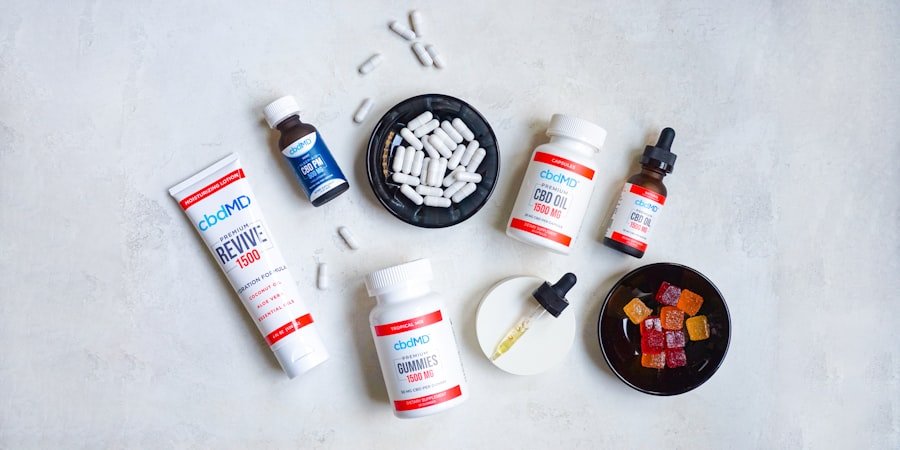
While internal factors are crucial, your external skincare routine plays a vital supporting role in preventing and managing hormonal acne. The goal is to keep pores clear, reduce inflammation, and support your skin barrier without overdoing it.
Gentle Yet Effective Cleansing
The first step in any good skincare routine is cleansing. For hormonal acne, it’s about removing impurities without stripping your skin’s natural oils, which can lead to increased oil production in a bid to compensate.
- Choose a Mild Cleanser: Opt for a gentle, sulfate-free cleanser. Look for ingredients like ceramides or hyaluronic acid, which help maintain skin hydration.
- Consider Foaming or Gel Cleansers: These can be effective for oily or acne-prone skin, but ensure they are not overly harsh.
- Avoid Harsh Scrubs: While exfoliation is important, aggressive scrubbing can irritate inflamed skin and worsen breakouts.
- Wash Twice Daily: Cleanse your face in the morning to remove excess oil and sweat that may have accumulated overnight, and again in the evening to remove makeup, dirt, and pollution.
- Don’t Overwash: Washing your face too frequently can strip your skin of its natural oils, leading to irritation and increased sebum production. Stick to twice a day.
- Be Gentle with Your Skin: When cleansing, use lukewarm water and your fingertips. Avoid harsh rubbing or scrubbing. Pat your skin dry with a soft towel; don’t rub vigorously.
Targeted Treatments for Hormonal Acne
Once your skin is clean, you can introduce targeted treatments that address the specific concerns of hormonal acne. These ingredients work to unclog pores, reduce inflammation, and prevent future breakouts.
- Salicylic Acid (BHA): This oil-soluble beta-hydroxy acid is a star ingredient for acne. It penetrates deep into pores to dissolve excess sebum and dead skin cells, preventing clogs.
- Look for it in: Cleansers, toners, serums, and spot treatments. Start with a lower concentration (1-2%) and gradually increase if needed.
- Benzoyl Peroxide: A powerful antibacterial agent that kills acne-causing bacteria and helps to reduce inflammation. It can be quite drying, so use it cautiously.
- Start Low and Slow: Begin with a lower concentration (2.5-5%) and apply it as a spot treatment or a thin layer on affected areas, perhaps every other day, before building up to daily use if tolerated.
- Be Aware of Bleaching: Benzoyl peroxide can bleach fabrics, so be mindful of pillowcases and towels.
- Retinoids (Retinol, Retin-A): These vitamin A derivatives are gold standard for acne treatment and prevention. They speed up cell turnover, preventing pores from becoming clogged, and have anti-inflammatory properties.
- Prescription vs. Over-the-Counter: Retin-A (tretinoin) is a prescription-strength retinoid. Over-the-counter retinol is a milder, yet still effective, alternative.
- Start with a Low Concentration: Begin using retinoids a few times a week at night and gradually increase frequency as your skin builds tolerance.
- Expect a “Purge”: In the initial weeks of using retinoids, you might experience an increase in breakouts as clogged pores come to the surface. This is normal and usually temporary.
- Use Sunscreen Diligently: Retinoids make your skin more sensitive to the sun.
- Niacinamide (Vitamin B3): This versatile ingredient offers multiple benefits for acne-prone skin, including reducing inflammation, regulating sebum production, and improving skin barrier function. It’s generally well-tolerated and can be used by most skin types.
- Azelaic Acid: Another excellent ingredient for reducing inflammation and redness associated with acne. It also has mild exfoliating properties and can help with hyperpigmentation.
Moisturizing: The Importance of Hydration
It might seem counterintuitive to moisturize oily, acne-prone skin, but it’s a crucial step. Skipping moisturizer can actually lead to your skin producing more oil to compensate for dryness, exacerbating breakouts.
- Choose Oil-Free, Non-Comedogenic Formulas: These moisturizers are designed not to clog pores. Look for lightweight, gel-based or water-based options.
- Hydrate Even Oily Skin: Oily skin still needs hydration. Proper hydration can help balance sebum production.
- Look for Soothing Ingredients: Ingredients like hyaluronic acid, glycerin, and ceramides can help attract and retain moisture without feeling heavy.
- Don’t Forget Sunscreen: Sun exposure can worsen inflammation and hyperpigmentation. Always apply a broad-spectrum SPF 30 or higher daily, even on cloudy days. Look for “non-comedogenic” and “oil-free” formulations.
Nutritional Support and Supplements
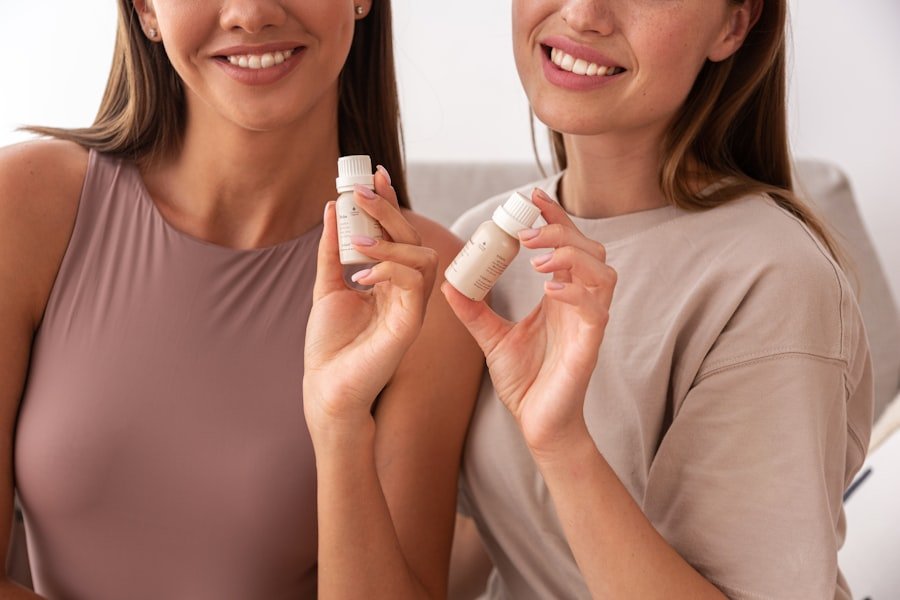
While a balanced diet is your primary source of nutrients, certain supplements can offer additional support in your journey to conquer hormonal acne. Always consult with a healthcare professional before starting any new supplement regimen, especially if you have underlying health conditions or are taking medications.
Essential Vitamins and Minerals for Skin Health
Certain vitamins and minerals play crucial roles in skin health, inflammation regulation, and hormonal balance.
- Zinc: This mineral is a powerhouse for skin. It has anti-inflammatory properties, helps regulate sebum production, and plays a role in wound healing.
- Dietary Sources: Oysters, beef, pumpkin seeds, chickpeas.
- Supplementation: If your dietary intake is insufficient, a zinc supplement (e.g., zinc picolinate or zinc gluconate) can be beneficial. Be aware of potential side effects like nausea.
- Vitamin D: Often called the “sunshine vitamin,” Vitamin D is vital for immune function and can help reduce inflammation. Studies have suggested a link between Vitamin D deficiency and acne severity.
- Dietary Sources: Fatty fish, fortified dairy and plant milks, eggs.
- Sun Exposure: Safe, moderate sun exposure is a great way to boost Vitamin D levels.
- Supplementation: If you have limited sun exposure or a deficiency, a Vitamin D supplement may be recommended.
- Omega-3 Fatty Acids: As mentioned earlier, these are potent anti-inflammatories. While found in fish, flaxseeds, and walnuts, consistent intake can be challenging through diet alone for some.
- Supplementation: Fish oil or algae-based omega-3 supplements are readily available and can help reduce inflammation throughout the body, including in the skin.
- Probiotics: A healthy gut microbiome is increasingly linked to overall health, including skin health. Imbalances in gut bacteria can contribute to inflammation.
- Dietary Sources: Yogurt with live and active cultures, kefir, sauerkraut, kimchi.
- Supplementation: Probiotic supplements can help restore balance to your gut flora. Look for diverse strains and a good CFU (colony-forming unit) count.
Herbal and Other Supplements to Consider
Beyond essential vitamins and minerals, several herbs and natural compounds have shown promise in addressing hormonal acne.
- Spearmint Tea: Several small studies suggest that drinking spearmint tea can help to reduce androgen levels, particularly in women with PCOS, leading to a reduction in acne. Aim for 2 cups per day.
- Chasteberry (Vitex agnus-castus): This herb has been traditionally used to help balance the female reproductive hormones, particularly progesterone. It may be helpful for acne related to PMS or hormonal imbalances. It’s often taken in supplement form.
- Evening Primrose Oil: Rich in gamma-linolenic acid (GLA), an omega-6 fatty acid, evening primrose oil is believed to help regulate hormones and reduce inflammation. It’s typically taken as a supplement.
- Adaptogens (e.g., Ashwagandha, Rhodiola): These herbs are known for their ability to help the body adapt to stress and support adrenal function. By reducing cortisol levels, they can indirectly help to rebalance hormones. Use cautiously and start with low doses.
Seeking Professional Guidance and When to Worry
| Prevention Tips | Details |
|---|---|
| Keep skin clean | Wash face twice a day with a gentle cleanser |
| Avoid harsh products | Avoid using harsh scrubs or exfoliants |
| Use non-comedogenic products | Choose makeup and skincare products labeled non-comedogenic |
| Manage stress | Practice stress-reducing activities like yoga or meditation |
| Healthy diet | Eat a balanced diet with plenty of fruits and vegetables |
While many hormonal acne concerns can be managed with diligent lifestyle and skincare practices, there are times when professional help is essential. Don’t hesitate to consult with healthcare professionals; they are your allies in achieving and maintaining healthy skin.
Dermatologists: Your Skin’s Best Friends
Dermatologists are medical doctors who specialize in skin, hair, and nail conditions. They are invaluable in diagnosing and treating acne, especially persistent or severe forms.
- Accurate Diagnosis: A dermatologist can confirm if your acne is indeed hormonal and rule out other underlying conditions.
- Prescription Treatments: They can prescribe stronger topical or oral medications, such as prescription retinoids, oral antibiotics, or hormonal therapies like birth control pills or spironolactone (an anti-androgen medication).
- Spironolactone: This is a common and effective treatment for hormonal acne in women, as it works by blocking the effects of androgens.
- Oral Contraceptives: Certain types of birth control pills can help regulate the hormonal fluctuations that trigger acne.
- Personalized Treatment Plans: Dermatologists can create a tailored treatment plan based on your specific skin type, acne severity, and individual needs.
- Monitoring and Adjustments: They will monitor your progress and adjust your treatment as needed, ensuring optimal results and managing any side effects.
When to See Your Doctor About Hormonal Acne
While a monthly breakout might not warrant an immediate doctor’s visit, there are certain signs and symptoms that suggest you should seek professional advice.
- Persistent or Severe Acne: If your acne doesn’t improve with over-the-counter treatments or lifestyle changes, or if it’s causing significant distress, it’s time to consult a doctor.
- Deep, Painful Cysts: Nodular and cystic acne can be particularly painful and can lead to scarring if not treated properly.
- Acne Appearing Later in Life: Adult-onset acne, especially if it appears suddenly or is accompanied by other symptoms, might indicate an underlying hormonal imbalance like PCOS.
- Other Symptoms of Hormonal Imbalance: If your acne is accompanied by irregular periods, excess hair growth (hirsutism), significant weight changes, or hair thinning, it’s important to see a doctor to investigate potential hormonal disorders.
- Concerns About Scarring: If you are worried about acne scarring, early intervention and appropriate treatment from a dermatologist can significantly minimize its appearance.
The Importance of a Holistic Approach
Remember, hormonal acne is often a reflection of your overall health. A holistic approach that combines targeted skincare, a balanced diet, stress management, and, when necessary, medical intervention, is the most effective way to achieve lasting clarity and a healthy, radiant complexion. Your body is a complex interconnected system, and by understanding and nurturing it, you empower yourself to tackle hormonal acne head-on.
FAQs
What is hormonal acne?
Hormonal acne is acne that is primarily caused by fluctuations in hormone levels, particularly androgens such as testosterone. This type of acne often appears on the lower part of the face, jawline, and neck.
What are some prevention tips for hormonal acne?
Some prevention tips for hormonal acne include maintaining a healthy diet, managing stress levels, getting enough sleep, and using non-comedogenic skincare products. Additionally, some individuals may benefit from hormonal treatments prescribed by a healthcare professional.
How does diet affect hormonal acne?
Certain foods, such as those high in refined sugars and dairy products, can potentially exacerbate hormonal acne. It is recommended to consume a balanced diet rich in fruits, vegetables, whole grains, and lean proteins to help manage hormonal acne.
Can stress contribute to hormonal acne?
Yes, stress can contribute to hormonal acne by triggering the release of cortisol, a stress hormone, which can in turn lead to increased oil production and inflammation in the skin. Managing stress through relaxation techniques and regular exercise may help reduce the occurrence of hormonal acne.
Are there any medical treatments for hormonal acne?
Yes, there are medical treatments for hormonal acne, including oral contraceptives, anti-androgen medications, and other hormonal therapies that can help regulate hormone levels and improve acne symptoms. It is important to consult with a healthcare professional to determine the most appropriate treatment plan.