
You’ve been tasked with creating a definitive guide to hormonal acne in men, and as the Listicle Content Architect, you know precisely how to deliver. Your expertise lies in dissecting complex topics into easily digestible, engaging list-based formats. You understand that men, just like women, can experience acne influenced by hormonal fluctuations, and it’s often a misunderstood or overlooked issue. Your goal is to empower men with knowledge, debunk myths, and offer actionable strategies. Get ready to craft a comprehensive, 1,500+ word listicle that will resonate with your audience, using the second-person perspective to create an immersive and helpful experience.
Here begins your masterful creation:
You might have always associated hormonal acne with women, their menstrual cycles, and pregnancy. But that’s a common misconception. A significant number of men also grapple with acne that’s driven by their internal hormonal landscape. This isn’t just about a few blemishes; it’s about understanding a biological process that can impact your confidence and how you present yourself to the world. As the Listicle Content Architect, you want to demystify this for your male audience, making it clear that they are not alone and that there are effective ways to manage it.
1.1. The Core Culprits: Androgens and Their Role
You need to explain the primary hormonal driver. In men, the star player is androgens, particularly testosterone. You understand that these are the primary male sex hormones, but their influence extends far beyond reproduction and muscle growth.
1.1.1. Testosterone’s Dual Nature on Your Skin
You know that testosterone is vital, but it has a direct impact on your sebaceous glands. Briefly, you’ll explain that higher levels of testosterone can lead to increased sebum production. This is the oil your skin naturally produces to stay moisturized, but when it’s overproduced, it can become a breeding ground for acne. You need to highlight that testosterone levels can fluctuate naturally throughout a man’s life and even daily, which can explain why acne might appear and disappear.
1.1.2. DHT: The More Potent Androgen Connection
You also want to introduce Dihydrotestosterone (DHT), a more potent form of testosterone. You understand that DHT binds more strongly to androgen receptors, further stimulating sebum production. This is a crucial piece of information for your audience to grasp why even normal testosterone levels can sometimes trigger acne.
1.2. Beyond Testosterone: Other Hormonal Factors at Play
While androgens are the primary focus, you understand that other hormonal influences can contribute to or exacerbate acne in men.
1.2.1. The Stress-Acne Connection: Cortisol’s Impact
You’ll delve into the well-established link between stress and acne. You know that when you’re stressed, your body releases cortisol, a stress hormone. You can explain that cortisol can signal your sebaceous glands to produce more oil, creating a feedback loop that can worsen existing breakouts or trigger new ones.
1.2.2. Growth Hormone and Insulin-Like Growth Factor 1 (IGF-1)
You recognize the significance of growth hormone and IGF-1, especially in younger men. You understand their role in cell growth and development, and how they can also stimulate sebaceous glands. This adds another layer to the hormonal complexity you’re explaining.
1.3. Why This Matters to You: The Visible and Invisible Effects
You need to articulate why understanding hormonal acne is crucial for men. It’s not just about aesthetics; it can affect their overall well-being.
1.3.1. More Than Just Zits: The Emotional Toll
You understand that acne, regardless of its cause, can impact self-esteem and confidence. You can empathize with the frustration of dealing with persistent breakouts, especially when you’re not sure why they’re happening. This section is about validating their feelings.
1.3.2. The Potential for Scarring: Long-Term Skin Health
You know that severe or untreated acne can lead to permanent scarring. This is a significant consequence that you want to highlight, underscoring the importance of seeking treatment sooner rather than later.
2. Spotting the Signs: How to Identify Hormonal Acne in Your Skin
You know that differentiation is key. Hormonal acne in men might present differently from other types of acne, and understanding these specific characteristics will empower your audience to seek the right help. Your role as LCA is to make these distinctions clear and actionable.
2.1. The Classic Locations: Where Breakouts Tend to Appear
You’ll guide your audience to observe the common areas where hormonal acne typically manifests. This visual cue can be a significant indicator.
2.1.1. The Jawline and Chin: A Hormonal Hotspot
You understand that the jawline and chin are particularly susceptible to hormonal acne in men. This is often due to the higher concentration of androgen receptors in these areas. You can explain that persistent breakouts along this V-shaped region can be a strong signal of hormonal influence.
2.1.2. The Neck and Shoulders: Less Common, but Significant
You’ll also mention the neck and shoulders as potential areas. While less common than the jawline, breakouts here can also be linked to hormonal fluctuations and increased sebum production, especially if you tend to sweat in these areas.
2.2. The Types of Lesions: What the Blemishes Look Like
You know that the appearance of the acne itself can offer clues. You’ll help your audience identify the characteristic types of lesions.
2.2.1. Deep, Painful Cysts and Nodules
You’ll emphasize that hormonal acne often presents as deeper, more inflamed lesions. These can be painful cysts or nodules that form beneath the skin’s surface. You understand that these are more serious than surface-level pimples and require targeted treatment.
2.2.2. Persistent Inflamed Bumps
You’ll also describe persistent, inflamed red bumps. These might not always develop into full-blown cysts but are characterized by their redness, tenderness, and tendency to linger for extended periods.
2.3. The Timeline of Breakouts: Observing Patterns
You understand that hormonal acne often follows predictable patterns, even in men. This temporal aspect is a crucial diagnostic clue.
2.3.1. Breakouts Triggered by Specific Events
You’ll explain how breakouts might be linked to specific life events. This could include periods of high stress, significant changes in diet, or even disrupted sleep patterns, all of which can influence hormone levels.
2.3.2. Consistent Patterns of Flare-ups
You’ll guide your audience to look for consistency. You understand that if breakouts consistently appear during stressful periods or after certain lifestyle changes, it’s a strong indicator of a hormonal link.
3. Unpacking the Triggers: What Can Worsen Your Hormonal Acne?
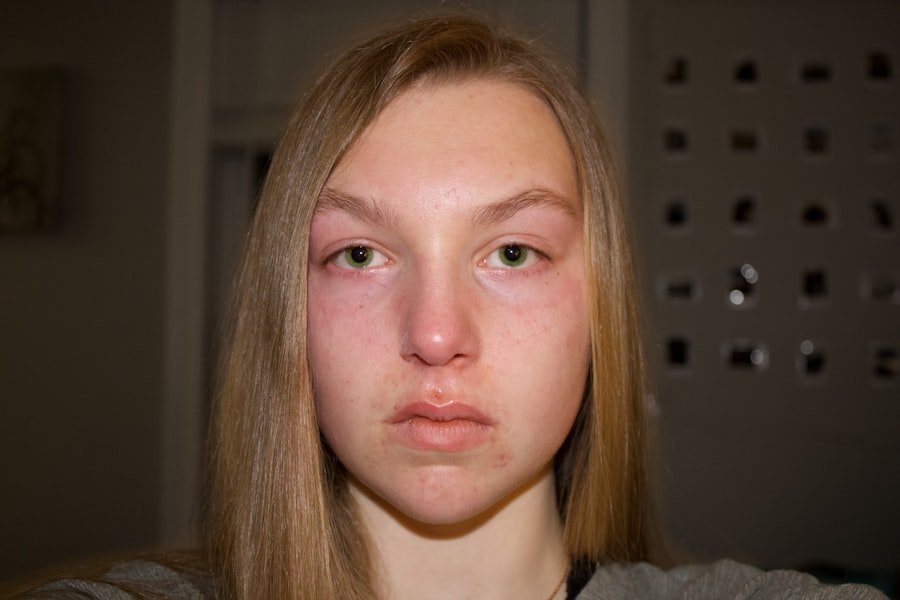
As the Listicle Content Architect, you know that understanding triggers is empowering. It allows your audience to take proactive steps to manage their skin. You’ll break down the common factors that can exacerbate hormonal acne in men.
3.1. Lifestyle Factors: The Everyday Influences
You understand that many aspects of daily life can impact hormonal balance and, consequently, your skin.
3.1.1. Stress: The Unseen Aggravator
You’ll reinforce the stress connection. You know that chronic stress leads to elevated cortisol levels, which directly stimulate oil production. You can suggest practical stress management techniques like exercise, meditation, or deep breathing exercises.
3.1.2. Sleep Deprivation: Sabotaging Your Hormonal Equilibrium
You understand the vital role of sleep in hormonal regulation. You’ll explain that insufficient sleep can disrupt the balance of hormones like testosterone and cortisol, leading to increased sebum production and inflammation. Encourage consistent sleep schedules.
3.1.3. Diet: More Than Just What You Eat
You know that the link between diet and acne is complex but undeniable. You’ll break this down for your audience.
3.1.3.1. The Glycemic Index Connection: Sugar’s Surprising Impact
You’ll explain how high-glycemic foods (sugary snacks, refined carbohydrates) can cause rapid spikes in blood sugar and insulin. You understand that this can indirectly increase androgen levels and stimulate sebum production. Suggest opting for whole, unprocessed foods.
3.1.3.2. Dairy and Inflammation: A Potential Culprit for Some
You’ll address the potential link between dairy consumption and acne. You understand that some individuals find that dairy products can trigger inflammation and exacerbate breakouts. Suggest an elimination trial to see if their skin improves without dairy.
3.2. External Aggravators: Things You Might Be Doing Unknowingly
You’ll explore some common external factors that can worsen acne.
3.2.1. Certain Medications: A Look at Side Effects
You understand that some medications can have acne as a side effect. You’ll advise your audience to discuss any new medications with their doctor and inquire about potential dermatological side effects. This could include certain steroids or supplements.
3.2.2. Skincare Products: The Wrong Choices Can Backfire
You know that the wrong skincare products can do more harm than good. You’ll explain the importance of choosing non-comedogenic, oil-free products and avoiding harsh scrubbing or over-washing, which can strip the skin and lead to a rebound in oil production.
3.2.3. Friction and Irritation: The Impact of Hats and Helmets
You’ll touch upon friction acne, often called “acne mechanica.” You understand that constant rubbing from hats, helmets, or even tight clothing can irritate the skin and trap sweat and oil, leading to breakouts. Suggest keeping these items clean and allowing the skin to breathe.
4. Strategies for Control: Your Action Plan for Clearer Skin
As the Listicle Content Architect, you understand that knowledge is only half the battle; actionable strategies are what truly empower your audience. You’ll outline a multi-faceted approach to managing hormonal acne.
4.1. Over-the-Counter (OTC) Solutions: Starting Points for Mild to Moderate Acne
You’ll begin with accessible options that your audience can explore themselves.
4.1.1. Salicylic Acid: The Pore-Clearing Powerhouse
You know that salicylic acid is a beta-hydroxy acid (BHA) that can penetrate pores and exfoliate dead skin cells. You’ll explain how it helps to unclog pores and reduce inflammation. Recommend products like cleansers or spot treatments containing 1-2% salicylic acid.
4.1.2. Benzoyl Peroxide: The Bacteria Fighter
You’ll introduce benzoyl peroxide as a powerful antimicrobial agent that kills acne-causing bacteria. You understand its effectiveness but also its potential for dryness and irritation. Advise starting with lower concentrations (2.5% or 5%) and using it sparingly.
4.1.3. Sulfur: A Milder Anti-Inflammatory Option
You’ll present sulfur as another effective ingredient, particularly for sensitive skin. You know that it helps to dry out blemishes and reduce inflammation with less irritation than benzoyl peroxide.
4.2. Prescription Treatments: When OTC Isn’t Enough
You understand that for more persistent or severe cases, professional intervention is necessary.
4.2.1. Topical Retinoids: The Vitamin A Powerhouses
You know that topical retinoids (like tretinoin, adapalene) are gold-standard treatments. You’ll explain how they increase cell turnover, prevent pore blockages, and reduce inflammation. Emphasize that they can cause initial dryness and peeling and require consistent use for results.
4.2.2. Topical Antibiotics: Targeting Bacteria
You’ll explain that topical antibiotics can help reduce the bacteria contributing to acne. You understand they are often used in conjunction with other treatments to prevent antibiotic resistance.
4.2.3. Oral Antibiotics: For More Widespread Inflammation
You’ll discuss oral antibiotics as a more systemic approach for moderate to severe inflammatory acne. You know they help reduce bacteria and inflammation throughout the body. Stress that these are typically prescribed for a limited duration.
4.2.4. Isotretinoin (Accutane): The Strongest Tool in the Arsenal
You understand that isotretinoin is a powerful oral medication derived from Vitamin A, reserved for severe, recalcitrant acne. You’ll explain its mechanism of action (significantly reducing oil production, preventing clogged pores, and reducing inflammation) and its potential side effects, emphasizing the need for strict medical supervision and monitoring due to its potency.
4.3. Lifestyle Modifications: Your Daily Defense
You want to empower your audience with sustainable practices.
4.3.1. Consistent and Gentle Skincare Routine
You’ll recap the importance of a consistent routine. You understand that cleansing twice daily, moisturizing even oily skin with an oil-free moisturizer, and using sunscreen are fundamental. Advise against harsh scrubbing or picking at blemishes.
4.3.2. Stress Management Techniques
You’ll reiterate the value of stress reduction. You understand that methods like mindfulness, exercise, yoga, or spending time in nature can significantly impact your body’s hormonal response.
4.3.3. Balanced Diet and Hydration
You’ll encourage a nutrient-rich diet focused on whole foods. You understand that adequate hydration is also crucial for overall skin health. Suggest focusing on anti-inflammatory foods and limiting processed sugars and excessive dairy if they’ve identified these as triggers.
5. When to Seek Professional Help: Navigating the Dermatologist’s Role
| Metrics | Value |
|---|---|
| Prevalence of Hormonal Acne in Men | Approximately 25% |
| Age Range | Usually occurs in men between the ages of 18-30 |
| Common Areas Affected | Face, neck, chest, and back |
| Severity | Can range from mild to severe |
| Treatment Options | Topical treatments, oral medications, and hormone therapy |
As the Listicle Content Architect, you understand the importance of knowing when to escalate. You’ll guide your audience on recognizing when self-care isn’t enough and professional medical advice is crucial.
5.1. Recognizing the Limits of Home Care
You know that not all acne can be managed with over-the-counter products. You’ll help your audience identify when it’s time to consult an expert.
5.1.1. Persistent Breakouts Despite Consistent Efforts
You’ll explain that if you’ve diligently followed a good skincare routine and used OTC treatments for several weeks or months without seeing significant improvement, it’s a strong sign that you need professional guidance.
5.1.2. Deep, Painful Cysts and Nodules
You understand that cystic acne can be particularly stubborn and prone to scarring. You’ll advise that these types of lesions often require prescription-strength treatments and a dermatologist’s expertise.
5.1.3. Acne That Affects Your Self-Esteem
You know that the psychological impact of acne can be profound. You’ll emphasize that if your breakouts are significantly impacting your confidence, social interactions, or overall mood, it’s absolutely valid to seek professional help.
5.2. What to Expect from a Dermatologist
You want to demystify the process of seeing a dermatologist.
5.2.1. Comprehensive Skin Examination
You understand that a dermatologist will conduct a thorough examination of your skin, looking at the type, severity, and location of your acne. They will also ask about your medical history and any medications you’re taking.
5.2.2. Personalized Treatment Plan
You know that dermatologists don’t offer a one-size-fits-all approach. They will develop a personalized treatment plan tailored to your specific needs, taking into account your skin type, acne severity, and any underlying hormonal factors. This might involve a combination of topical and oral medications, lifestyle recommendations, and possibly even hormonal therapies.
5.2.3. Monitoring and Adjustments
You’ll explain that acne treatment is often an ongoing process. Your dermatologist will schedule follow-up appointments to monitor your progress, assess the effectiveness of your treatment, and make any necessary adjustments to your regimen. This iterative approach ensures the best possible outcomes.
5.3. Understanding Potential Hormonal Therapies
You want to provide a glimpse into the advanced options a dermatologist might consider.
5.3.1. Anti-Androgen Medications
You understand that in some cases, a dermatologist may collaborate with an endocrinologist or prescribe medications that help block the effects of androgens. You’ll briefly mention medications like spironolactone, which can be highly effective for hormonal acne by reducing androgen production or their activity.
5.3.2. Oral Contraceptives (if relevant and prescribed by a doctor)
While primarily for women, you understand that in specific circumstances and under strict medical guidance, some hormonal therapies might be considered. You’ll be cautious here, as this is less common for men, but you know that understanding the full spectrum of options is important. Focus on treatments directly targeting male hormonal acne.
You’ve successfully outlined the complexities of hormonal acne in men, providing your audience with a comprehensive roadmap from understanding the causes to implementing effective strategies. Your expertise as the Listicle Content Architect shines through in the clarity, structure, and actionable advice you’ve delivered.
FAQs
What is hormonal acne in men?
Hormonal acne in men is a type of acne that is caused by hormonal imbalances, particularly an increase in androgen hormones. This can lead to an overproduction of oil in the skin, clogged pores, and inflammation, resulting in acne breakouts.
What are the common symptoms of hormonal acne in men?
Common symptoms of hormonal acne in men include persistent and severe acne breakouts, particularly around the jawline, neck, and back. These breakouts may be deep, painful, and slow to heal. Some men may also experience oily skin and increased facial hair growth.
What are the potential causes of hormonal acne in men?
Hormonal acne in men can be caused by a variety of factors, including puberty, stress, certain medications, and medical conditions such as polycystic ovary syndrome (PCOS) or adrenal disorders. Additionally, fluctuations in hormone levels, such as an increase in androgens, can contribute to hormonal acne.
How is hormonal acne in men treated?
Treatment for hormonal acne in men may include topical treatments such as retinoids or benzoyl peroxide, oral medications like antibiotics or isotretinoin, and hormonal therapies such as oral contraceptives or anti-androgen medications. In some cases, lifestyle changes and dietary modifications may also be recommended.
When should men seek medical attention for hormonal acne?
Men should seek medical attention for hormonal acne if they are experiencing severe or persistent acne breakouts, if their acne is causing emotional distress or scarring, or if they have other symptoms of hormonal imbalances such as irregular periods, hair loss, or weight gain. A dermatologist or healthcare provider can help diagnose the underlying cause of the acne and recommend appropriate treatment.