
You’ve tried everything. Every over-the-counter cream, every miraculous serum, every cleansing balm that promised to purify your pores. Yet, here you are, staring in the mirror, a familiar landscape of red, angry bumps stubbornly clinging to your skin. This isn’t just a breakout; it’s an invasion. It’s the kind of ongoing acne that makes you question your entire skincare routine, your diet, your life choices.
As the Listicle Content Architect, I understand the frustration that comes with persistent acne. You’re looking for answers, for solutions, and most importantly, for a way to reclaim your complexion. This isn’t about quick fixes; it’s about understanding the layers of this stubborn problem and equipping you with the knowledge to tackle it head-on. So, let’s dive into the reasons why your acne might be putting up such a fight, and what you can do about it.
Before we get into the nitty-gritty of stubborn acne, it’s crucial to revisit the foundations. Many times, persistent breakouts aren’t necessarily a sign of a complex underlying issue, but rather an intensification of common triggers that you might not be fully addressing. Think of it as your skin sending out increasingly urgent SOS signals.
a. Your Current Skincare Routine: Friend or Foe?
Your bathroom cabinet is likely a treasure trove of products. But are they all working in harmony, or are some actively contributing to your acne woes? It’s easy to fall into the trap of “more is more” when dealing with breakouts, but this can backfire spectacularly.
i. Over-Cleansing: Stripping Your Skin Bare
You might think that scrubbing your face more vigorously or using harsher cleansers will blast away the acne. This is a common misconception. Over-cleansing can strip your skin of its natural oils, its protective barrier. When this barrier is compromised, your skin can actually produce more oil to compensate, leading to a vicious cycle of clogged pores and inflammation. Think of it like over-washing a greasy pan – you might remove some grease, but you also remove the non-stick coating, making it more prone to sticking in the future.
- Look out for: Cleansers with high concentrations of alcohol or sulfates, which can be overly drying and irritating.
- Consider: Gel or foam cleansers that are gentle and formulated for acne-prone skin. Aim for a double cleanse in the evening if you wear makeup or SPF, using an oil-based cleanser followed by a water-based one. This ensures thorough removal without stripping.
ii. The Wrong Ingredients: A Mismatch for Your Skin
Not all acne-fighting ingredients are created equal, and what works for one person might not work for another. Furthermore, some ingredients, while beneficial in moderation, can be too much when combined or used too frequently.
- Too much exfoliation: Using multiple exfoliating products (like AHAs, BHAs, and physical scrubs) in the same routine can lead to micro-tears in the skin, increasing inflammation and redness.
- Irritating actives: High concentrations of retinoids or benzoyl peroxide can cause dryness, peeling, and sensitivity, all of which can exacerbate acne.
- Comedogenic ingredients: Certain moisturizing or makeup ingredients can clog pores. Look for products labeled “non-comedogenic” or “oil-free.”
iii. Forgetting the Fundamentals: Moisturizing and Sun Protection
It might seem counterintuitive to moisturize acne-prone skin, but it’s essential. Dehydration can trigger increased sebum production. Similarly, skipping sunscreen can lead to post-inflammatory hyperpigmentation (dark spots) and can even make existing acne more noticeable and inflamed due to UV damage.
- Choose wisely: Opt for lightweight, oil-free, non-comedogenic moisturizers.
- SPF is non-negotiable: Use a broad-spectrum SPF 30 or higher every single day, even when it’s cloudy. Gel or fluid formulations are often best for oily and acne-prone skin.
b. Your Lifestyle Choices: The Unseen Culprits
Beyond your topical routine, your daily habits can play a significant role in the persistence of your acne. These are the often-overlooked factors that can undermine even the most diligent skincare efforts.
i. Diet: The Myth and the Reality
The link between diet and acne is a hotly debated topic, and for good reason – it’s complex and highly individual. While there’s no single food that universally causes acne, certain dietary patterns are associated with increased breakouts.
- High Glycemic Index Foods: Foods that rapidly spike blood sugar, such as white bread, sugary drinks, and processed snacks, can lead to hormonal fluctuations that may increase sebum production and inflammation.
- Dairy: For some individuals, dairy products, particularly skim milk, have been linked to acne. This could be due to hormones present in milk or other factors.
- Western Diet Patterns: Diets rich in processed foods, unhealthy fats, and sugar, and low in fruits, vegetables, and fiber, are often associated with a higher prevalence of acne.
ii. Stress: The Great Inflammer
You’ve heard it before: stress can cause breakouts. But why? When you’re stressed, your body releases cortisol, a stress hormone. Cortisol can stimulate your sebaceous glands to produce more oil, which can then clog pores and lead to acne. Chronic stress can also disrupt your immune system and increase inflammation throughout your body, making existing acne worse and harder to heal.
iii. Sleep: Your Skin’s Repair Time
While you’re dreaming, your skin is busy regenerating and repairing itself. Lack of quality sleep can disrupt this process, leading to increased inflammation and impaired wound healing. This can make your acne take longer to go away and contribute to a duller complexion.
iv. Hygiene Habits: More Than Just Washing Your Face
Beyond your skincare routine, other hygiene practices can contribute to acne.
- Touching your face: Your hands carry bacteria and oils. Constantly touching your face transfers these to your skin, potentially clogging pores and spreading bacteria.
- Dirty pillowcases and phone screens: These are often overlooked breeding grounds for bacteria. Regularly changing your pillowcase and wiping down your phone can make a difference.
- Hair products: Some hair products, especially those containing heavy oils, can transfer to your face while you sleep or when your hair brushes against your skin, leading to breakouts along your hairline or forehead.
2. Underlying Medical Conditions: When Acne is a Symptom
If your acne is truly persistent, widespread, and resistant to typical treatments, it’s time to consider that it might be a symptom of an underlying medical condition. This is where professional diagnosis becomes crucial.
a. Hormonal Imbalances: The Root of Many Issues
Hormones are powerful chemical messengers, and when they are out of sync, they can wreak havoc on your skin. This is particularly common during puberty, menstruation, pregnancy, and menopause, but imbalances can occur at any time.
i. Polycystic Ovary Syndrome (PCOS): A Common Culprit
PCOS is a hormonal disorder that affects women of reproductive age. It’s characterized by irregular periods, excess androgen levels (male hormones), and polycystic ovaries. Excess androgens can lead to increased sebum production, thickened skin, and inflammation, all of which contribute to acne.
- Other PCOS symptoms: Beyond acne, look out for irregular periods, excess facial or body hair (hirsutism), thinning hair on your scalp, weight gain, and difficulty getting pregnant.
- Diagnosis and Treatment: A doctor can diagnose PCOS through a physical exam, blood tests, and ultrasound. Treatment often involves lifestyle changes, oral contraceptives, and anti-androgen medications.
ii. Thyroid Issues: More Than Just Metabolism
Both an overactive thyroid (hyperthyroidism) and an underactive thyroid (hypothyroidism) can affect your skin. Hormonal imbalances associated with thyroid dysfunction can influence sebum production and skin cell turnover, potentially leading to acne.
- Hypothyroidism symptoms: Fatigue, weight gain, dry skin, and hair loss can accompany acne.
- Hyperthyroidism symptoms: Anxiety, weight loss, rapid heartbeat, and sometimes acne can be present.
- Diagnosis and Treatment: Thyroid function is assessed through blood tests. Treatment typically involves medication to regulate thyroid hormone levels.
iii. Adrenal Gland Disorders: The Stress Connection
The adrenal glands produce hormones like cortisol and androgens. Imbalances in these hormones, often linked to stress or specific adrenal gland conditions, can directly impact your skin and contribute to acne.
b. Medications: An Unintended Side Effect
Certain medications, even those prescribed for other conditions, can have acne as a side effect. This is because they can alter hormone levels, increase inflammation, or interfere with skin cell turnover.
i. Corticosteroids: A Double-Edged Sword
While topical corticosteroids are sometimes used to reduce inflammation in severe acne, oral corticosteroids taken for other conditions can actually trigger or worsen acne due to their direct impact on hormone levels.
ii. Certain Antidepressants and Anticonvulsants
Some medications used to treat depression and epilepsy have been known to cause acne as a side effect. If you notice a clear correlation between starting a new medication and your acne worsening, it’s worth discussing with your prescribing doctor.
iii. Hormonal Birth Control: Not Always the Answer
While hormonal birth control can be prescribed to manage acne by regulating hormones, some types can actually exacerbate or even cause acne in certain individuals. This is highly dependent on the specific hormones and their balance within the pill.
3. The Role of Inflammation: The Hidden Driver of Stubborn Acne
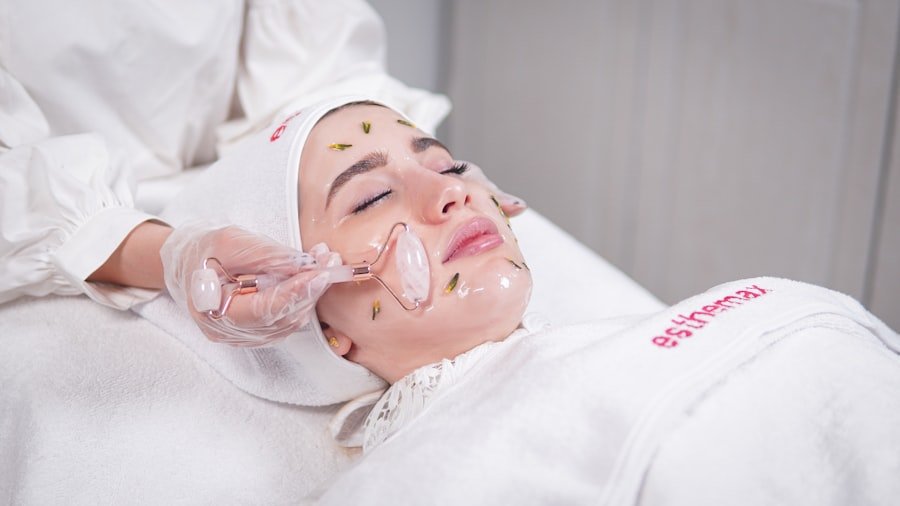
Inflammation is your body’s natural response to injury or infection, but in the case of acne, it can become a chronic, self-perpetuating problem. Stubborn acne is often characterized by significant inflammation, leading to redness, swelling, and persistent lesions.
a. Different Types of Inflamed Acne
It’s not just about pimples; the nature of your inflamed acne can indicate its severity and potential underlying causes.
i. Cysts and Nodules: The Deepest Players
These are the most severe forms of acne, characterized by large, painful, deep-seated bumps. Cysts are filled with pus, while nodules are hard, solid lumps. They are notoriously difficult to treat with topical medications because they reside deeper within the skin.
- Why they’re stubborn: Their depth makes it challenging for topical treatments to penetrate effectively. They also have a higher propensity for scarring.
- Treatment considerations: Often require oral medications like antibiotics, isotretinoin, or hormonal therapies.
ii. Post-Inflammatory Hyperpigmentation (PIH) and Erythema (PIE): The Lingering Evidence
Even after the pimple itself has healed, the inflammation can leave behind unwelcome remnants.
- PIH: Dark spots that occur after an inflammatory lesion. These are more common in individuals with darker skin tones.
- PIE: Red or purplish marks that occur after an inflammatory lesion. These are more common in individuals with lighter skin tones.
- Their stubbornness: These marks can persist for months, even years, and resist conventional acne treatments. They require specific treatments to fade.
b. The Gut-Skin Axis: A Deeper Connection
Emerging research highlights a strong connection between your gut health and the health of your skin – the gut-skin axis. An imbalanced gut microbiome (dysbiosis) can lead to increased inflammation throughout the body, including the skin.
i. Leaky Gut and Inflammation
If your gut lining is compromised (often referred to as “leaky gut”), undigested food particles and toxins can enter your bloodstream, triggering an inflammatory response. This systemic inflammation can manifest on your skin as persistent acne.
ii. The Microbiome’s Influence
Your gut is home to trillions of bacteria, both good and bad. When the balance is tipped towards the bad bacteria, it can impair nutrient absorption, reduce immune function, and increase inflammation.
- Dietary impact: A diet high in sugar and processed foods can feed the “bad” bacteria, while a diet rich in fiber, prebiotics, and probiotics can promote a healthier gut microbiome.
4. When to Seek Professional Help: Your Dermatologist is Your Ally

You’ve tried the home remedies, you’ve tinkered with your routine, and still, the acne persists. It’s at this point that consulting a dermatologist isn’t a sign of defeat, but a strategic move towards effective solutions. They have the expertise and tools to diagnose and treat even the most stubborn cases.
a. Signs You Should See a Dermatologist
Don’t wait until your acne is unbearable to seek professional advice. Here are some clear indicators that it’s time to book an appointment:
i. Severe or Cystic Acne
If you’re experiencing deep, painful cysts or nodules that don’t respond to over-the-counter treatments, it’s crucial to see a dermatologist. These types of acne are more prone to scarring and require stronger interventions.
ii. Acne That Leaves Scars or Hyperpigmentation
If your acne is consistently leading to scarring or persistent dark spots (PIH), a dermatologist can help you manage the active breakouts and treat the existing marks. Early intervention can significantly reduce the risk of permanent scarring.
iii. Acne That Affects Your Mental Health
Acne can have a profound impact on self-esteem and mental well-being. If your acne is causing you significant distress, anxiety, or depression, seeking professional help is essential. A dermatologist can offer effective treatments and, if necessary, refer you to mental health professionals.
iv. Acne That Appears Suddenly or Unusually
If you experience a sudden onset of acne, especially if it’s accompanied by other symptoms like hair loss, irregular periods, or fatigue, it could be an indicator of an underlying medical condition that needs to be investigated.
v. Acne That Doesn’t Improve After Months of Home Treatment
You’ve been diligent with your routine for at least 3-6 months, religiously applying products and making lifestyle changes, but you’re not seeing any significant improvement. This is a strong signal that you need a more targeted approach.
b. What to Expect During a Dermatologist Appointment
Your first visit to the dermatologist might feel daunting, but understanding the process can ease your concerns.
i. The Consultation: A Thorough Assessment
The dermatologist will ask you detailed questions about your medical history, your current skincare routine, your diet, your stress levels, and the onset and progression of your acne. They will visually examine your skin, noting the type, location, and severity of your breakouts.
ii. Diagnosis and Treatment Plan: Tailored to You
Based on your assessment, the dermatologist will diagnose the type of acne and its potential causes. They will then develop a personalized treatment plan, which may include:
- Prescription Topicals: Stronger versions of retinoids, benzoyl peroxide, topical antibiotics, or azelaic acid.
- Oral Medications: Antibiotics, hormonal therapies (like birth control pills or spironolactone), or isotretinoin (for severe, recalcitrant acne).
- In-Office Procedures: Chemical peels, corticosteroid injections for large cysts, or light and laser therapies.
iii. Follow-Up Appointments: Monitoring Progress
Acne treatment is often an ongoing process. You’ll likely have follow-up appointments to monitor your progress, adjust your treatment plan as needed, and address any side effects. Consistency and patience are key.
5. Advanced Treatment Options: When the Standard Isn’t Enough
| Metrics | Data |
|---|---|
| Number of patients with persistent acne | 200 |
| Age range of patients | 15-40 |
| Commonly affected areas | Face, chest, back |
| Duration of acne | 6 months to 5 years |
| Treatment success rate | 60% |
For those persistent cases, where the usual suspects and basic professional interventions haven’t yielded the desired results, there are more advanced and targeted treatment options available. These are typically reserved for moderate to severe, or treatment-resistant acne.
a. Isotretinoin (Accutane): The Gold Standard for Severe Acne
Isotretinoin is a powerful oral retinoid that is incredibly effective for severe, cystic, or scarring acne that hasn’t responded to other treatments. It works by drastically reducing sebum production, minimizing pore clogging, and reducing inflammation.
i. How it Works: A Multi-Pronged Attack
Isotretinoin targets all the major causes of acne:
- Reduces sebum production: It shrinks the oil glands, significantly cutting down on the excess oil that can clog pores.
- Prevents clogged pores: It normalizes the shedding of skin cells, preventing them from accumulating and blocking follicles.
- Reduces inflammation: It has anti-inflammatory properties that help calm active breakouts.
- Kills acne-causing bacteria: It reduces the population of Cutibacterium acnes bacteria on the skin.
ii. The Importance of Medical Supervision
Due to its potent nature and potential side effects, isotretinoin is only available by prescription and requires strict medical supervision. You will need regular blood tests and pregnancy tests (for women) to monitor your health during treatment.
iii. Potential Side Effects: What to Expect
Common side effects include dry lips, dry skin, dry eyes, increased sensitivity to the sun, and temporary hair thinning. Less common but more serious side effects can occur, which is why ongoing monitoring is crucial. The rare but serious risk of birth defects means that strict contraception measures are mandatory for women of childbearing potential.
b. Hormonal Therapies: Targeting the Androgen Connection
For women, particularly those with acne that flares around their menstrual cycle or is accompanied by other signs of elevated androgens, hormonal therapies can be a game-changer.
i. Oral Contraceptives (Specific Types)
Certain birth control pills that are formulated to reduce androgen levels can be highly effective in managing hormonal acne. These typically contain estrogen and a progestin that has anti-androgen effects.
ii. Spironolactone: An Anti-Androgen Powerhouse
Spironolactone is a medication primarily used to treat high blood pressure, but it also has significant anti-androgen properties. It works by blocking the effects of androgens on the skin, thereby reducing sebum production and inflammation.
- Who it’s for: Often prescribed for adult women with persistent, cyclical, or jawline acne.
- Considerations: Can cause increased urination, dizziness, and menstrual irregularities.
c. Topical Retinoids: Beyond the Over-the-Counter
While you might have tried over-the-counter retinols, prescription-strength topical retinoids are in a league of their own when it comes to tackling stubborn acne.
i. Tretinoin and Adapalene: The Power Players
Tretinoin (Retin-A) and higher strengths of adapalene (Differin, now available OTC in some formulations but prescription in higher concentrations) are Vitamin A derivatives that are significantly more potent than over-the-counter retinols.
- How they work: They accelerate skin cell turnover, preventing pores from becoming clogged. They also have anti-inflammatory properties and can help fade post-inflammatory hyperpigmentation.
- Usage: Typically used at night, and it’s crucial to introduce them slowly to minimize irritation. Sunscreen application during the day is non-negotiable.
ii. Combining Actives for Synergistic Effects
Dermatologists often prescribe topical retinoids in combination with other active ingredients like benzoyl peroxide or clindamycin (an antibiotic) to create a powerful, multi-pronged attack on acne. This combination approach can be more effective than using individual treatments.
6. Lifestyle Adjustments for Long-Term Skin Health
While medical interventions are often necessary for persistent acne, sustainable skin health also hinges on consistent lifestyle adjustments. These are the habits you cultivate that support your skin from the inside out, preventing future flare-ups and promoting a clearer complexion.
a. Diet as Medicine: Nourishing Your Skin
Revisiting your diet with a focus on anti-inflammatory and nutrient-dense foods can have a profound impact.
i. Embrace Whole Foods: The Foundation
Build your diet around whole, unprocessed foods. This means plenty of:
- Fruits and Vegetables: Rich in antioxidants, vitamins, and minerals that combat inflammation and support skin repair. Aim for a variety of colors to ensure a broad spectrum of nutrients.
- Lean Proteins: Essential for skin cell regeneration and repair. Include sources like fish, chicken, beans, and lentils.
- Healthy Fats: Omega-3 fatty acids, found in fatty fish, flaxseeds, and walnuts, are powerful anti-inflammatories. Avocados and olive oil also provide beneficial fats.
ii. Hydration: More Than Just Water
Staying hydrated is crucial for overall health, and your skin is no exception. Dehydration can make your skin appear dull and can even trigger increased oil production.
- Water intake: Aim for at least 8 glasses of water a day, more if you’re active or in a hot climate.
- Hydrating foods: Many fruits and vegetables, like watermelon, cucumber, and strawberries, have high water content.
iii. Probiotics and Prebiotics: The Gut-Skin Connection
Support your gut health to support your skin.
- Probiotics: Found in fermented foods like yogurt (with live active cultures), kefir, sauerkraut, and kimchi. They introduce beneficial bacteria to your gut.
- Prebiotics: Found in foods like garlic, onions, leeks, asparagus, and bananas. They act as food for the beneficial bacteria in your gut.
b. Stress Management: Unwinding the Tension
Chronic stress is a major contributor to inflammation and breakouts. Finding effective ways to manage stress is not just good for your mental health, but for your skin too.
i. Mindfulness and Meditation: Calming the Mind
Even a few minutes of daily mindfulness or meditation can help reduce cortisol levels and promote a sense of calm. There are numerous apps and guided meditations available to get you started.
ii. Regular Exercise: The Natural Stress Reliever
Physical activity is a fantastic way to release pent-up stress and improve circulation. Aim for at least 30 minutes of moderate-intensity exercise most days of the week. Remember to cleanse your skin after sweating to prevent clogged pores.
iii. Prioritizing Sleep: Your Skin’s Essential Recharge
Adequate, quality sleep is non-negotiable for skin repair and regeneration.
- Aim for 7-9 hours: Establish a consistent sleep schedule, even on weekends.
- Create a relaxing bedtime routine: This could include a warm bath, reading a book, or gentle stretching.
- Optimize your sleep environment: Ensure your bedroom is dark, quiet, and cool.
c. Mindful Product Usage: Less is Often More
Even with the best intentions, your skincare routine can sometimes be working against you. Re-evaluating your product usage with a focus on simplicity and effectiveness is key.
i. The Power of Fewer Products: The Minimalist Approach
Consider simplifying your routine. Instead of layering multiple treatments, focus on a few high-quality, targeted products that address your specific concerns. Over-processing your skin can lead to irritation and barrier disruption.
ii. Listen to Your Skin: Reacting to Redness and Irritation
Your skin will tell you what it needs. If you experience increased redness, dryness, peeling, or stinging after using a product, it’s a sign that your skin is not tolerating it well. Scale back your use, or consider discontinuing the product.
iii. Consistency: The Unsung Hero
The most effective skincare routines are consistent ones. It takes time for ingredients to work and for your skin to adapt. Stick with your chosen routine for at least 3-6 months before deciding if it’s not working.
Your journey with persistent acne can feel isolating and frustrating, but you are not alone. By understanding the multifaceted nature of acne and by working strategically with professional guidance and mindful lifestyle choices, you can indeed achieve clearer, healthier skin. Remember, this is a marathon, not a sprint, and every step you take towards understanding and treating your acne brings you closer to your goal.
FAQs
What causes acne that won’t go away?
Acne that won’t go away can be caused by a variety of factors, including hormonal imbalances, genetics, certain medications, and lifestyle factors such as diet and stress.
How can acne that won’t go away be treated?
Treatment for persistent acne may include topical or oral medications, such as retinoids, antibiotics, or hormonal therapy. In some cases, procedures like chemical peels, laser therapy, or extraction of cysts may be recommended.
When should I see a dermatologist for acne that won’t go away?
If over-the-counter treatments have not been effective in clearing persistent acne, it is advisable to see a dermatologist. Additionally, if acne is causing scarring, significant emotional distress, or is accompanied by other symptoms, a dermatologist should be consulted.
Are there lifestyle changes that can help with acne that won’t go away?
Making certain lifestyle changes can help manage persistent acne. These may include adopting a healthy diet, managing stress, avoiding certain skincare products, and practicing good hygiene habits.
Can acne that won’t go away be a sign of an underlying health condition?
In some cases, persistent acne may be a symptom of an underlying health condition, such as polycystic ovary syndrome (PCOS) or hormonal imbalances. It is important to consult a healthcare professional to rule out any potential underlying health issues.