
You’re staring at your reflection, and it’s the same old story. Another breakout. You’ve tried every over-the-counter cream, every DIY remedy whispered on the internet, and you’re still facing a barrage of blemishes. You understand that acne isn’t just a teenage rite of passage; for many, it’s a persistent, often frustrating, skin condition that can impact your confidence and well-being. You’ve probably wondered, “When is it time to admit defeat to my bathroom cabinet and call in the professionals?” As your Listicle Content Architect, I’m here to guide you through the tell-tale signs that signal it’s time to book that appointment with a dermatologist. Forget the guesswork; we’re diving deep into the clear signs that your acne needs a medical expert’s attention.
You’ve become a connoisseur of ingredients. You can recite the benefits of salicylic acid, benzoyl peroxide, and even the more obscure sulfur masks in your sleep. You’ve diligently followed a skincare routine, morning and night, for weeks, if not months. You’ve switched products, adjusted your diet, and even tried to manage your stress levels, all in pursuit of clearer skin. Yet, the landscape of your face, chest, or back stubbornly remains dotted with inflammation, oil, and those persistent bumps. This is where your dermatologist truly shines. They have a deeper arsenal of treatments and diagnostic tools at their disposal.
A. The Persistence Problem: Six Weeks is the Benchmark
You might be thinking, “It’s just a few stubborn breakouts, I can handle it.” But when you’ve been battling the same acne for an extended period, it’s a strong indicator that your current approach isn’t working. Dermatologists generally recommend giving over-the-counter (OTC) treatments at least six to eight weeks to show significant improvement. If you’ve diligently followed a consistent regimen with OTC products for this timeframe and see little to no change, or even a worsening of your acne, it’s a clear signal to seek professional advice. This isn’t about giving up; it’s about recognizing when a more potent and targeted approach is necessary.
B. The Cycle of Ineffectiveness: Constant Swapping and Minimal Results
Have you found yourself constantly switching between different acne-fighting products, hoping the next one will be the magic bullet? While it’s natural to search for solutions, this constant churn can actually hinder progress. Your skin needs time to respond to a treatment. Furthermore, without understanding the underlying cause of your acne, you might be applying treatments that are either too harsh, not potent enough, or simply not addressing the root issue. A dermatologist can identify if your acne is hormonal, bacterial, inflammatory, or a combination of factors, and then prescribe treatments that directly target those specific causes, rather than a scattergun approach.
C. Frustration as a Metric: When Your Mood is as Oily as Your T-Zone
Beyond the physical manifestation of acne, consider how it’s affecting your emotional and mental well-being. If you find yourself feeling increasingly frustrated, self-conscious, or even depressed about your skin, that’s a significant emotional metric that warrants professional help. Acne can have a profound impact on self-esteem, social interactions, and overall quality of life. A dermatologist isn’t just treating your skin; they’re helping you to feel better about yourself. Their goal is to not only clear your skin but also to restore your confidence.
2. When Your Acne is More Than Just a Pimple or Two
You’re well aware of the occasional zit that pops up before a big event. Annoying, yes, but manageable with a dab of spot treatment. However, the acne you’re currently dealing with goes far beyond that. It’s a pervasive presence, a landscape of various inflammatory lesions that seem to multiply overnight. This is not the occasional inconvenience; this is a significant skin concern that demands expert evaluation.
A. Nodules and Cysts: The Deep, Painful Invaders
You know the difference between a surface-level whitehead and those deeper, more sinister lesions that throb beneath the skin. Nodules and cysts are the more severe forms of acne. Nodules are hard, painful lumps that form deep within the skin, while cysts are even larger, pus-filled sacs that can be exquisitely tender. These types of acne are particularly likely to cause scarring because they involve deeper inflammation within the skin. OTC treatments are rarely effective against nodules and cysts, and trying to treat them yourself can worsen inflammation and increase the risk of permanent damage. A dermatologist can offer treatments like oral antibiotics, hormonal therapies, or even direct injections of corticosteroids into the lesions to reduce inflammation and prevent scarring.
B. Widespread Breakouts: The Epidemic on Your Forehead, Cheeks, and Beyond
If your acne isn’t confined to a small area but is spread across your face, neck, chest, and even your back, it’s considered widespread. This extensive involvement suggests a more significant underlying issue, whether it’s hormonal or a more aggressive inflammatory response. Treating such widespread acne with OTC products can be incredibly challenging and often leads to frustration. Dermatologists can prescribe topical or oral medications that can address inflammation and bacterial overgrowth across larger areas of the skin more effectively and efficiently.
C. The Inflammation Factor: Redness and Tenderness as Red Flags
Beyond the visible bumps, pay attention to the underlying inflammation. Is your acne consistently red, swollen, and tender to the touch? This level of inflammation indicates a more active and potentially damaging process occurring within the skin. Chronic inflammation can lead to long-term issues like post-inflammatory hyperpigmentation (dark spots) and scarring. A dermatologist can prescribe anti-inflammatory medications, both topical and oral, to calm this inflammatory response. They can also assess the severity of the inflammation and tailor a treatment plan to prevent further damage.
3. When Your Acne is Leaving a Permanent Mark
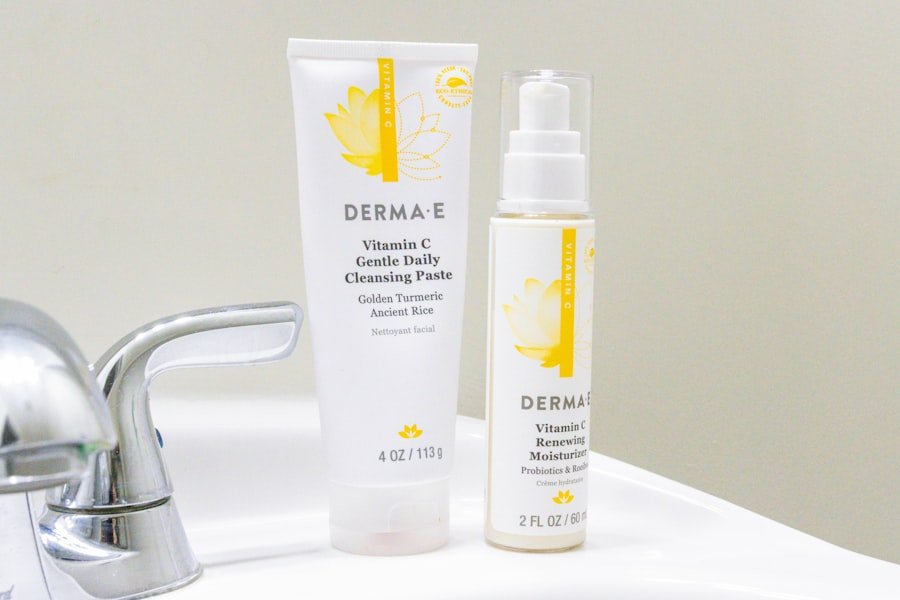
You’re not just concerned about the active breakouts; you’re increasingly worried about the aftermath. You’ve noticed persistent dark spots, red marks, and even deep indentations that were left behind by past blemishes. These scars are a stark reminder that your acne hasn’t been a fleeting problem, and the damage extends beyond the visible pimples. This is a critical juncture where seeing a dermatologist is paramount.
A. The Shadow of Scarring: Pockmarks and Depressions
Acne scarring is a common and often distressing complication of moderate to severe acne. These scars can manifest in various forms, including:
- Atrophic scars: These are the most common type, characterized by a loss of tissue, creating depressions in the skin. Examples include ice pick scars (small, deep pits), boxcar scars (broader, U-shaped depressions), and rolling scars (wave-like depressions).
- Hypertrophic scars and keloids: Less common with acne, these are raised scars caused by an overproduction of collagen during the healing process.
The longer you wait to address acne that is prone to scarring, the more entrenched these marks can become, making them harder to treat. A dermatologist can not only help manage active acne to prevent further scarring but also offer a range of treatments to improve the appearance of existing scars, such as chemical peels, laser therapy, microneedling, and fillers.
B. Post-Inflammatory Hyperpigmentation (PIH): The Lingering Dark Spots
Whether you have darker or lighter skin tones, you might be experiencing post-inflammatory hyperpigmentation (PIH). This occurs when the skin produces more melanin (pigment) in response to inflammation from acne. The result is dark spots or patches that can persist long after the pimple has healed. While PIH is not true scarring, it can significantly impact your skin’s overall appearance and be quite frustrating to manage with OTC products alone. Dermatologists can prescribe potent lightening agents, chemical peels, and other treatments that are specifically designed to accelerate the fading of PIH.
C. Post-Inflammatory Erythema (PIE): The Persistent Redness
Similar to PIH, post-inflammatory erythema (PIE) is another common aftermath of acne, particularly in individuals with fair skin. This is characterized by persistent redness in areas where acne lesions have healed. PIE is caused by damage or dilation of small blood vessels in the skin during the inflammatory process. While it may fade over time, it can be very slow to disappear and can make your skin look perpetually congested or irritated. Treatments like certain topical medications, laser therapy, and even specific skincare ingredients can help to calm this redness and speed up its resolution.
4. When Your Acne Fluctuation Points to Underlying Health Issues
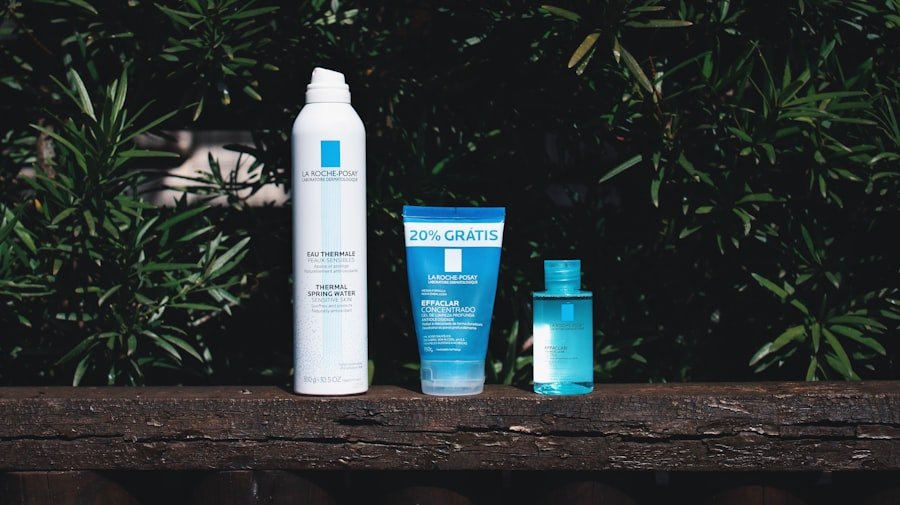
You’ve noticed a pattern. Your acne isn’t just random; it seems to be tied to other bodily changes, or it behaves in ways that suggest something more than just clogged pores. This is where you start to consider if your skin is a mirror reflecting a deeper biological process, and a dermatologist can help you connect those dots.
A. Hormonal Havoc: The Menstrual Connection or Beyond
For many people, particularly women, acne can be heavily influenced by hormones. If you experience consistent breakouts that flare up around your menstrual cycle, or if your acne is most prominent on your jawline and lower cheeks, it could be a sign of hormonal acne. This type of acne is often more persistent and resistant to topical treatments. A dermatologist can assess your hormonal profile, and if necessary, work with your primary physician or an endocrinologist to explore treatment options ranging from oral contraceptives to spironolactone, which can help regulate hormones and reduce acne.
B. Polycystic Ovary Syndrome (PCOS) and Other Endocrine Disruptions
Acne can sometimes be a prominent symptom of underlying endocrine disorders, most notably Polycystic Ovary Syndrome (PCOS). If your acne is accompanied by other symptoms like irregular periods, excessive hair growth (hirsutism), weight gain, or hair thinning on your scalp, it’s crucial to see a dermatologist. They can help identify if your acne is a manifestation of PCOS or another endocrine condition. Early diagnosis and management of these conditions are vital for overall health and can significantly improve acne management.
C. Reaction to Medications or New Products: A Chemical Culprit?
Have you recently started a new medication, supplement, or even a new skincare product? Some medications, such as corticosteroids, certain anticonvulsants, and androgenic drugs, can trigger or worsen acne. Similarly, some ingredients in cosmetics or skincare can cause a breakout, known as acne cosmetica. If you suspect a medication or a new product might be the culprit, your dermatologist can help you identify the trigger and recommend an alternative or a treatment to manage the resulting breakouts.
5. When Your Acne is Significantly Impacting Your Life
| Severity of Acne | When to See a Dermatologist |
|---|---|
| Mild | If over-the-counter treatments are not effective after 2 months |
| Moderate | If acne is causing emotional distress or scarring |
| Severe | Immediately, to prevent severe scarring and psychological effects |
| Persistent | If acne does not improve with any treatment |
You’re not just dealing with a few spots; your acne has become a constant source of anxiety and has begun to dictate your social life and self-perception. It’s more than just a cosmetic concern; it’s affecting your daily experiences and your overall sense of self. This is a very valid reason to seek professional help.
A. Social Withdrawal and Confidence Crisis: Hiding from the World
If you find yourself avoiding social gatherings, going on dates, or even making eye contact because of your acne, it’s a clear sign that it’s impacting your mental and emotional well-being. The embarrassment and self-consciousness associated with severe or persistent acne can lead to social isolation and a significant dip in confidence. A dermatologist can provide effective treatments that not only improve your skin but also help you regain your self-esteem and engage more fully in your life.
B. Constant Discomfort and Pain: Beyond Surface Blemishes
If your acne is causing significant pain, itching, or discomfort, it’s more than just an aesthetic issue. Deep, inflamed lesions can be incredibly painful, making it difficult to sleep, eat, or even wear certain clothing. Persistent itching can also lead to scratching, which can worsen inflammation and scarring. Dermatologists can prescribe treatments to reduce inflammation, pain, and itching, making your skin more comfortable and promoting healing.
C. The Cycle of Ineffectiveness Breeds Despair: Feeling Hopeless
When you’ve exhausted all the avenues you can think of, and your acne persists, it’s easy to fall into a cycle of despair. You might feel hopeless, believing that clear skin is an unattainable dream. This feeling of hopelessness is a powerful indicator that you need professional intervention. A dermatologist can offer a renewed sense of hope by introducing you to effective treatments you may not have access to or considered before. They have the knowledge and the tools to break the cycle of ineffectiveness and guide you towards clearer, healthier skin.
Ultimately, your skin is a vital organ, and when it’s consistently causing you distress, pain, or impacting your confidence, it’s time to bring in the experts. You’ve invested time and effort into your skin, and sometimes, that’s not enough. Recognizing these signs is the first step towards taking control of your acne and reclaiming your skin’s health and your own well-being.
FAQs
What is acne?
Acne is a common skin condition that occurs when hair follicles become clogged with oil and dead skin cells, leading to the formation of pimples, blackheads, and whiteheads.
When should I see a dermatologist for acne?
It is recommended to see a dermatologist for acne if over-the-counter treatments have not been effective after 6-8 weeks, if acne is severe and causing scarring, or if it is impacting your self-esteem and quality of life.
What can I expect during a dermatologist visit for acne?
During a dermatologist visit for acne, the dermatologist will assess the severity of the acne, discuss treatment options, and may prescribe topical or oral medications, perform procedures such as extractions or chemical peels, and provide guidance on skincare routines.
What are the common treatments for acne prescribed by dermatologists?
Common treatments for acne prescribed by dermatologists include topical retinoids, benzoyl peroxide, oral antibiotics, hormonal therapy, isotretinoin, and in-office procedures such as chemical peels, laser therapy, and extractions.
How can I prevent acne flare-ups?
To prevent acne flare-ups, it is important to maintain a consistent skincare routine, avoid picking or squeezing pimples, use non-comedogenic skincare and makeup products, manage stress levels, and follow a healthy diet.