
You’re staring in the mirror, and a familiar frustration surfaces. That stubborn dark spot, the lingering reminder of a pimple that’s long gone, or perhaps a scratch you barely remember getting. You’re not alone. This is Post-Inflammatory Hyperpigmentation, or PIH, and understanding it is your first step towards a clearer complexion. As your Listicle Content Architect, I’m here to break down everything you need to know, so you can confidently navigate this common skin concern.
Let’s start with the root cause: inflammation. For you to truly combat PIH, you need to understand what triggers it in the first place. Think of your skin as a highly responsive organism, a finely tuned defense system. When it encounters something it perceives as a threat – be it a zit, an injury, or even certain cosmetic procedures – its primary response is inflammation.
What Exactly is Skin Inflammation?
When your skin is injured or irritated, your body springs into action. This involves a complex cascade of immune responses. Blood vessels dilate to increase blood flow, bringing in immune cells to repair the damage and fight off potential infections. You might see this as redness, swelling, warmth, or even pain at the site of injury. For the purpose of PIH, this inflammatory response is the critical precursor.
Common Triggers for Skin Inflammation Leading to PIH
You’re likely already familiar with many of these triggers, but recognizing them as the initiators of PIH is key.
- Acne (Pimples and Zits): This is arguably the most common culprit. When a pore becomes blocked with oil, dead skin cells, and bacteria, it leads to inflammation. The body’s immune system rushes to the site to clear the infection, and in the process, can overstimulate melanin production. This is especially true for more severe or cystic acne. Even picking or squeezing pimples exacerbates this inflammatory response, making PIH more likely and more pronounced.
- Skin Injuries and Trauma: This encompasses a broad range of incidents. Scratches, cuts, burns, insect bites, and even ingrown hairs can all initiate an inflammatory response. The deeper the injury, the more significant the inflammation, and thus the higher the risk of PIH.
- Eczema and Psoriasis: These chronic inflammatory skin conditions, by their very nature, involve significant and recurring inflammation. The repeated irritation and damage to the skin barrier can lead to periods of hyperpigmentation, even after the flare-up has subsided.
- Allergic Reactions: Contact with irritants or allergens, such as certain skincare ingredients, metals, or even plant matter, can cause contact dermatitis. This localized inflammation can manifest as redness, itching, and swelling, and if severe enough, can result in PIH.
- Certain Cosmetic Procedures: While often beneficial, some dermatological treatments can intentionally cause controlled inflammation to stimulate skin regeneration. Examples include chemical peels, laser treatments, microneedling, and microdermabrasion. When these procedures are not performed correctly, or if your skin is particularly sensitive, the resulting inflammation can lead to PIH.
- Friction (Chafing): Persistent rubbing, like from tight clothing or certain sports, can irritate the skin, leading to inflammation and, over time, darker patches, particularly in areas prone to this friction.
2. Decoding the “Hyperpigmentation” Aspect: Melanin’s Role
Now, let’s dive into “hyperpigmentation.” This word describes an excess of pigment. In your skin, this pigment is called melanin, and understanding its normal function and how it goes into overdrive is crucial to addressing PIH.
Melanin: Your Skin’s Natural Protector
Melanin is a pigment produced by specialized cells called melanocytes, primarily located in the epidermis (the outermost layer of your skin). Its main job is to protect your skin from the damaging effects of ultraviolet (UV) radiation from the sun. When exposed to UV rays, melanocytes produce more melanin, which absorbs and scatters UV light, acting as a natural sunscreen. This is why you tan.
How Inflammation Tricks Your Melanocytes
This is where the “post-inflammatory” part really comes into play. When your skin experiences inflammation, it sends signals that directly or indirectly stimulate your melanocytes.
- Direct Stimulation: Inflammatory mediators released during the initial injury or irritation can directly signal melanocytes to increase melanin production.
- Indirect Stimulation: As immune cells work to repair the damaged skin, they can also release substances that influence melanocyte activity.
- Melanin Transfer: Once produced, melanin can be transferred from melanocytes to keratinocytes, the primary skin cells. In areas of inflammation and wound healing, this transfer can be more pronounced, leading to a visible accumulation of pigment in the epidermis.
- Melanocyte Activation: In some cases, particularly with deeper injuries or in individuals with darker skin tones, melanocytes themselves may become overactive and proliferate in the affected area, contributing to the darker pigmentation.
Key Differences: PIH vs. Sunspots and Melasma
It’s important for you to distinguish PIH from other common forms of hyperpigmentation, as the treatment approaches can differ.
- Post-Inflammatory Hyperpigmentation (PIH): Caused by a prior inflammatory event. The pigmentation follows the pattern of the original injury or breakout. It can appear as any shade of brown, gray, or even almost black, depending on your skin tone.
- Sunspots (Solar Lentigines): These are caused by prolonged and cumulative sun exposure. They tend to be well-defined, flat, and appear on sun-exposed areas like the face, décolletage, and backs of hands. They are a direct result of UV-induced damage to melanocytes.
- Melasma: This is a more complex condition characterized by larger, often symmetrical, patches of hyperpigmentation, typically on the face. It’s influenced by a combination of factors, including genetics, sun exposure, and hormonal changes (making it common during pregnancy or with hormonal birth control). Melasma can affect deeper layers of the skin (dermal melasma) or superficial layers (epidermal melasma), or both.
Recognizing these distinctions will help you and your dermatologist tailor the most effective treatment plan.
3. Identifying PIH: What Your Skin is Telling You
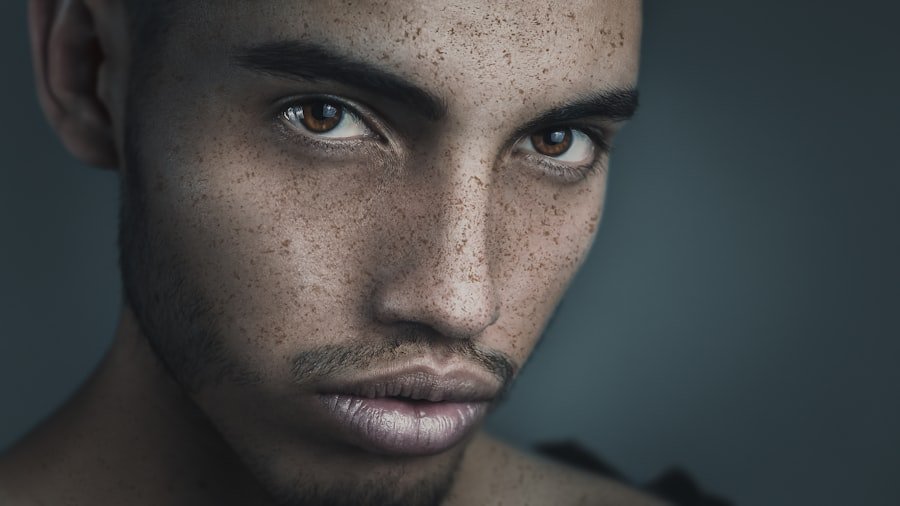
You’ve experienced an inflammatory event; now you’re noticing a discoloration. Understanding what to look for is critical. PIH isn’t always a uniform brown; its appearance can vary, and its location is a crucial clue.
The Tell-Tale Signs: Color and Texture
PIH typically manifests as:
- Darker Patches: These can range in color from light brown to dark brown, gray, or even black, depending on your natural skin tone. More melanin means darker marks.
- Flat Spots: Unlike raised scars, PIH lesions are generally flat against the skin.
- Absence of Scarring (Usually): While PIH can occur alongside scarring, it itself is usually not a scar. A true scar would involve a change in the texture of the skin, such as being raised (hypertrophic scar) or indented (atrophic scar). PIH is primarily a pigmentary issue.
- Varying Shades: You might notice different shades of darkness within the same patch of PIH, especially if the original inflammation was uneven.
Where to Look: Location, Location, Location
The location of your PIH is a significant indicator of its cause.
- Face: This is the most common area due to acne, shaving irritation, or even certain skincare reactions. You’ll likely see it on the cheeks, forehead, chin, and jawline – the classic acne-prone zones.
- Chest and Back: Another frequent location for acne breakouts, leading to PIH in these areas.
- Neck: Shaving irritation or friction can lead to PIH on the neck.
- Extremities: Scratches, insect bites, burns, or even friction from clothing can cause PIH on arms and legs.
Skin Tone Matters: How PIH Appears on Different Complexions
The way PIH presents itself is significantly influenced by your natural skin tone. This is because individuals with more melanin have more active melanocytes.
- Lighter Skin Tones (Fitzpatrick Types I-III): PIH may appear as lighter brown or pinkish-red marks. The contrast with your natural skin is often less dramatic than in deeper skin tones. While less common than in darker skin, it can still occur.
- Medium Skin Tones (Fitzpatrick Types IV-V): PIH is very common in these skin tones. The marks are typically a more pronounced brown, and they can be quite noticeable. The healing process often involves an overproduction of melanin.
- Deeper Skin Tones (Fitzpatrick Type VI): While often more resilient to sun damage, these skin tones are also highly susceptible to PIH following inflammation. The resulting marks can be very dark, appearing deep brown or almost black, and can take longer to fade naturally. The risk of developing PIH is often higher and more persistent.
Understanding your skin tone in the Fitzpatrick scale (a way to classify skin types based on their reaction to sun exposure) can help you predict your susceptibility and anticipate the appearance of PIH.
4. The Healing Journey: How Long Does PIH Last?
The good news is that PIH is often temporary. Your skin has a remarkable ability to heal and regenerate. However, the timeline for fading varies significantly from person to person and depends on several factors. Patience is key!
The Natural Fading Process: Skin Cell Turnover
Your skin is constantly shedding old cells and replacing them with new ones. This process, known as skin cell turnover, is your body’s natural way of moving pigmented cells to the surface to be exfoliated away.
- Epidermal PIH: When the melanin is primarily in the epidermis (the top layer of skin), PIH tends to fade more quickly. This process can take several months to a year or more, as the pigmented cells are gradually shed.
- Dermal PIH: If the inflammation affected deeper layers of the skin, including the dermis, the melanin can be deposited deeper too. This makes it much harder for the body to naturally exfoliate the pigment. Dermal PIH can take significantly longer to fade, sometimes years, and may require more active intervention.
Factors Influencing the Fade Time
Several variables play a role in how quickly your PIH disappears.
- Severity of Inflammation: The more intense or prolonged the initial inflammation, the more melanin is produced and deposited, leading to darker and more persistent PIH. Deep cystic acne or significant burns will take longer to resolve than a minor scratch.
- Your Skin Tone: As mentioned earlier, darker skin tones have more active melanocytes, which can lead to a more vigorous (and sometimes overzealous) melanin response. This can mean PIH is more pronounced and takes longer to fade naturally compared to lighter skin tones.
- Sun Exposure: This is a critical factor! UV radiation is a potent stimulator of melanin production. Even after the inflammation has healed, continued sun exposure will darken existing PIH and can even trigger new pigmentation, significantly hindering the fading process. This is why sun protection is non-negotiable.
- Genetics: Individual genetic predispositions can influence how your skin responds to inflammation and how quickly it regenerates.
- Hormonal Fluctuations: For some individuals, hormonal shifts, such as those during pregnancy or with certain medications, can impact melanin production and potentially prolong the fading of PIH.
- Picking and Scratching: Any habit of picking at blemishes, scabs, or even itchy spots will re-ignite inflammation and introduce more pigment, undoing any progress made by the natural fading process.
Setting Realistic Expectations
It’s crucial for you to understand that PIH is not an overnight fix. While some minor marks might fade in a few months, significant PIH can take 12-24 months, or even longer, to diminish significantly without intervention. Be patient with your skin and avoid aggressive treatments that can cause further inflammation and worsen the problem.
5. Your Action Plan: Minimizing and Treating Post-Inflammatory Hyperpigmentation
| Factors | Explanation |
|---|---|
| Cause | Occurs after inflammation or injury to the skin, such as acne, eczema, or psoriasis |
| Symptoms | Darkened patches or spots on the skin |
| Treatment | Topical creams, chemical peels, laser therapy, or microdermabrasion |
| Prevention | Protecting the skin from sun exposure and avoiding picking or squeezing acne |
Now for the most empowering part: what can you do about it? Fortunately, there are many effective strategies for both preventing PIH and fading existing marks. The key is a combination of diligent skincare, sun protection, and, if necessary, targeted treatments.
Prevention is Key: Stop it Before it Starts
The best way to deal with PIH is to prevent it from occurring in the first place.
- Manage Acne Promptly and Gently: If you struggle with acne, seek effective treatments sooner rather than later. Avoid picking, popping, or squeezing blemishes. Use gentle, non-comedogenic skincare products. Consult a dermatologist if your acne is severe or persistent.
- Protect Your Skin from Injury: Be mindful of activities that could lead to cuts, scrapes, or burns. When exercising or engaging in sports, wear protective gear if necessary.
- Be Cautious with Certain Treatments: If you’re considering cosmetic procedures like chemical peels or laser treatments, ensure you choose a qualified and experienced practitioner. Discuss your skin history and sensitivity beforehand.
- Avoid Irritants and Allergens: Pay attention to your skin’s reactions to new skincare products or environmental factors. If you notice redness or irritation, stop using the product or avoid the irritant.
Topical Treatments for Fading PIH
Once PIH has developed, several topical ingredients can help to improve its appearance.
- Hydroquinone: This is a potent skin-lightening agent that inhibits melanin production. It’s often prescribed by dermatologists. It needs to be used under medical supervision due to potential side effects and its efficacy being dependent on consistent use. It’s not recommended for long-term, unsupervised use.
- Retinoids (Retinol, Tretinoin, Adapalene): These vitamin A derivatives work by increasing skin cell turnover, helping to shed pigmented cells more quickly. They also have anti-inflammatory properties. Prescription-strength retinoids (like tretinoin) are generally more potent than over-the-counter retinol. Start slowly to avoid irritation.
- Vitamin C (Ascorbic Acid): A powerful antioxidant that can help to brighten the skin and inhibit melanin production. It also acts as an anti-inflammatory and can help protect against UV damage. Look for stable forms of vitamin C in serums.
- Niacinamide (Vitamin B3): This versatile ingredient can help to reduce inflammation, improve skin barrier function, and reduce the transfer of melanin to skin cells. It’s well-tolerated by most skin types.
- Azelaic Acid: This ingredient has anti-inflammatory and mild exfoliating properties. It can also help to suppress melanin production, making it effective for PIH. It’s often a good option for sensitive skin.
- Alpha Hydroxy Acids (AHAs) and Beta Hydroxy Acids (BHAs): Glycolic acid, lactic acid (AHAs), and salicylic acid (BHA) work as chemical exfoliants, helping to remove the top layer of pigmented skin cells. Salicylic acid is particularly helpful for acne-related PIH as it can also penetrate pores. Use these cautiously, as overuse can lead to irritation.
- Kojic Acid, Arbutin, Licorice Extract: These are other popular ingredients that inhibit melanin production and can help to lighten dark spots.
Professional Treatments for Faster Results
For more stubborn or extensive PIH, professional treatments can offer more significant and rapid improvements.
- Chemical Peels: These involve applying a chemical solution to the skin to exfoliate the top layers. Different strengths of peels are available, from superficial to deep, targeting different depths of PIH.
- Laser Therapy: Various lasers, such as fractional lasers or Q-switched lasers, can target and break down pigment in the skin. The type of laser used will depend on your skin tone and the depth of the PIH.
- Microneedling: This treatment uses fine needles to create controlled micro-injuries, stimulating collagen production and encouraging skin regeneration. When combined with topical serums, it can help to improve the appearance of PIH.
- Intense Pulsed Light (IPL): While not a laser, IPL devices use broad-spectrum light to target pigment. It can be effective for superficial PIH, but caution is advised for darker skin tones to avoid adverse reactions.
The Non-Negotiable: Sun Protection
I can’t stress this enough: sunscreen is your most important weapon against PIH. Daily, diligent use of broad-spectrum SPF 30 or higher is paramount. Reapply every two hours if you’re outdoors. Wearing wide-brimmed hats and seeking shade will also significantly contribute to protecting your skin and allowing the PIH to fade. Without consistent sun protection, any efforts to treat PIH will be significantly hampered.
By understanding PIH from its inflammatory origins to its pigmentary effects, and by arming yourself with knowledge about its causes, timeline, and treatment options, you are well on your way to achieving a more even and radiant complexion. Remember, consistency and patience are your allies in this journey.
FAQs
What is post-inflammatory hyperpigmentation (PIH)?
Post-inflammatory hyperpigmentation (PIH) is a skin condition that occurs after an inflammatory injury or trauma to the skin, such as acne, eczema, or a cut. It is characterized by the darkening of the skin in the affected area.
What causes post-inflammatory hyperpigmentation?
PIH is caused by an overproduction of melanin, the pigment that gives skin its color, in response to inflammation or injury. This excess melanin production leads to the darkening of the skin in the affected area.
Who is at risk for developing post-inflammatory hyperpigmentation?
Individuals with darker skin tones are more prone to developing PIH, as their skin produces more melanin in response to inflammation or injury. However, anyone can develop PIH after experiencing skin trauma or inflammation.
How is post-inflammatory hyperpigmentation treated?
Treatment for PIH may include topical creams or gels containing ingredients such as hydroquinone, retinoids, or azelaic acid to lighten the darkened skin. Chemical peels, microdermabrasion, and laser therapy may also be used to reduce the appearance of PIH.
Can post-inflammatory hyperpigmentation be prevented?
Preventing PIH involves taking steps to minimize skin trauma and inflammation, such as avoiding picking or squeezing acne lesions, using gentle skincare products, and wearing sunscreen to protect the skin from further damage. Prompt treatment of inflammatory skin conditions can also help prevent the development of PIH.