
- The Unseen Battlefield: Understanding the Initial Scarring Process
As the Listicle Content Architect, your mission is to dissect complex topics and present them in an easily digestible, engaging format. Today, you’re tackling a persistent problem: post-inflammatory hyperpigmentation, or as your audience knows it, those stubborn dark marks left behind by acne. You’re going to explain why they happen, not just that they happen, and arm your readers with knowledge.
The Culprit: Inflammation’s Aftermath
You know that acne isn’t just about a pimple erupting. It’s a complex inflammatory process. When a pore gets clogged with oil and dead skin cells, it creates a breeding ground for bacteria. Your body’s immune system mobilizes to fight this invasion, triggering a cascade of inflammatory responses. This is the redness, swelling, and discomfort you associate with a zit. But what happens after the inflammation subsides is where the dark marks begin their insidious formation. Think of it as the battlefield after the war: the immediate conflict is over, but the landscape is altered, and the scars tell the story.
Melanocytes: The Unsung Heroes (and Sometimes Villains)
Underneath the visible layers of your skin, you have specialized cells called melanocytes. Their primary job is to produce melanin, the pigment that gives your skin its color. Melanin acts as a natural sunscreen, protecting your skin from harmful UV radiation. When your skin experiences trauma or inflammation – as it does with acne – melanocytes go into overdrive. They interpret the injury signal and respond by producing more melanin in the affected area. This is your skin’s natural, albeit sometimes overzealous, defense mechanism. The dark mark you see is essentially an overproduction of pigment in the exact spot where the acne lesion once resided.
The Role of the Immune System’s Response
Let’s delve a bit deeper into how your immune system contributes. When an inflammatory acne lesion forms, your body sends immune cells, like neutrophils and macrophages, to the site. These cells work to clear out the debris and bacteria. In their efforts, they release chemical messengers and enzymes that can further signal the melanocytes. This constant communication and a tug-of-war between your immune system and your skin cells creates an environment ripe for pigment changes. It’s a bit like a frantic emergency response: the goal is to fix the problem, but in the process, some collateral damage, in the form of excess pigment, occurs.
- Melanin’s Misguided Mission: Understanding Post-Inflammatory Hyperpigmentation (PIH)
You’re the LCA, you know that clarity is key. When explaining PIH, you need to break it down so it’s not just a string of scientific jargon. It’s a phenomenon your audience experiences daily, and they deserve a clear, relatable explanation.
The Definition: More Than Just a Stain
Post-Inflammatory Hyperpigmentation (PIH) is the medical term for the dark spots or patches that appear on your skin after an inflammatory injury. While acne is the most common culprit for PIH, you know it can also result from other skin irritations like eczema, psoriasis, insect bites, cuts, or burns. The key is that the darkness is a consequence of the inflammation, not a permanent scar in the traditional sense of raised or indented skin. It’s a temporary discoloration that, while frustratingly persistent, can eventually fade.
The Color Spectrum: Why Are They Brown, Red, or Purple?
You’ve seen them. They aren’t all the same shade, are they? The color of the PIH depends on a few factors, primarily your skin tone and the depth of the inflammation.
For Lighter Skin Tones: The Pinkish and Reddish Hues
In individuals with lighter skin, the inflammation can cause increased blood flow to the area, leading to erythema (redness). This is often the initial discoloration you see. As the inflammation subsides, some melanocytes might still be triggered, leading to a more purplish or greyish hue. But don’t get too hung up on this; the underlying mechanism is still melanin.
For Deeper Skin Tones: The Rich Browns and Greys
This is where you’ll often see the classic PIH. In individuals with medium to darker skin tones, the melanocytes are naturally more active. When triggered by inflammation, they produce significantly more melanin, leading to distinct brown, dark brown, or even greyish-black marks. The darker the original skin tone, the more pronounced and longer-lasting the PIH tends to be. This is because there’s simply more melanin to begin with, and the melanocytes are more efficient at producing it in response to triggers.
The Time Factor: Why Some Marks Linger Longer
Here’s a crucial point your audience wants to know: why do some marks disappear in weeks while others seem to stick around for months, or even years? As the LCA, you know it’s about location and depth.
Epidermal vs. Dermal PIH
This distinction is vital for understanding treatment and timeline.
- Epidermal PIH: This type of hyperpigmentation occurs in the epidermis, the outermost layer of your skin. These marks are typically more superficial and tend to fade faster as your skin naturally exfoliates and regenerates. Think of it as the pigment being closer to the surface.
- Dermal PIH: This occurs deeper in the dermis, the layer beneath the epidermis. Dermal PIH is more stubborn because the pigment is further from the surface, and the skin’s natural turnover rate is slower in this layer. It takes a much longer time for the body to break down and remove this deeper pigment. When acne inflames the deeper layers of the skin, you’re more likely to end up with dermal PIH, which can indeed be a significant challenge.
- The Aggravating Factors: Habits That Worsen Dark Marks
You know that effective content isn’t just about explaining the problem; it’s about empowering your audience with actionable insights. Here, you’ll highlight the common mistakes that make PIH worse, turning a solvable issue into a persistent one.
The Temptation to Pick and Pop: A Dermatologist’s Nightmare
This is probably the biggest no-no you’ll address. You’ve seen the dramatic selfies and heard the whispered confessions. The urge to squeeze a pimple is almost primal. But as the LCA, you know this is exactly what you need to warn against. Picking and popping an acne lesion intensifies the inflammation. It essentially tears the skin, introducing more potential for injury and, consequently, more signals for your melanocytes to go into overdrive. This creates a vicious cycle: the more you pick, the worse the inflammation, and the darker and more persistent the PIH. It’s like adding fuel to the fire.
Sun Exposure: The Ultimate PIH Amplifier
Sunlight is the enemy of anyone dealing with PIH. You know this intuitively, but you need to explain why. Ultraviolet (UV) radiation from the sun is a powerful stimulant for melanin production. When your skin is already prone to PIH due to past inflammation, sun exposure will not only darken existing marks but can also trigger new ones. It’s like taking a light brown stain and exposing it to direct heat – it intensifies. This is why sun protection—broad-spectrum SPF 30 or higher, applied diligently every single day, regardless of cloud cover—is non-negotiable for managing and preventing PIH. You need to drill this point home.
Harsh Skincare Products: Stripping Away Protection
In your quest to clear acne and its aftermath, you might be tempted by strong, harsh skincare products, thinking they’ll “zap” the problem faster. However, many over-the-counter acne treatments contain ingredients like high concentrations of salicylic acid or benzoyl peroxide that can be overly drying and irritating to the skin. When your skin is already compromised and inflamed, using these products can further strip its natural protective barrier, leading to more irritation and, you guessed it, more PIH. Balance is key – effective but gentle.
Inadequate or Improper Treatment of Acne Itself
Sometimes, the PIH is a direct result of not treating the initial acne effectively. If acne lesions are allowed to fester or become infected without proper intervention, the inflammatory response will be more severe and prolonged, leading to more prominent dark marks. Conversely, using treatments that are too aggressive can also cause irritation and PIH. It’s about finding the right balance and seeking professional advice when needed, especially for moderate to severe acne.
- The Genetic and Hormonal Influence: Factors Beyond Your Immediate Control
As the LCA, you understand that not everything is a simple cause and effect. There are underlying predispositions that make some individuals more susceptible to PIH.
Skin Type: The Chromatic Blueprint
You’ve touched upon this in the PIH section, but it bears repeating and expanding. Your skin type, which is largely determined by genetics, plays a significant role in your propensity for PIH. As previously discussed, individuals with higher Fitzpatrick skin types (Fitzpatrick III-VI), meaning medium to darker skin tones, are inherently more prone to developing PIH. This is because their melanocytes are more active and produce a richer supply of melanin. It’s not that their skin is “bad,” it’s just that their melanin production system is more robust and responds more dramatically to inflammatory signals.
Hormonal Fluctuations: The Internal Drivers
Hormones are powerful influencers of skin health. Fluctuations in hormones, particularly androgens, can trigger increased sebum production, leading to acne. This initial acne breakout, driven by hormonal shifts (think puberty, menstrual cycles, pregnancy, or conditions like PCOS), sets the stage for PIH. The increased acne activity caused by hormonal surges means more opportunities for inflammation and, consequently, more chances for dark marks to form. While you can’t directly control your hormones, understanding their influence helps explain why acne might be more persistent or inflammatory at certain times, leading to more PIH.
Underlying Medical Conditions: The Unseen Connections
You know that sometimes, the skin is just a billboard for what’s happening internally. While less common than direct inflammatory response, certain underlying medical conditions can influence skin pigmentation and the healing process, potentially exacerbating PIH. For instance, conditions that affect your immune system or hormone balance can indirectly influence how your skin reacts to acne and heals afterward. This underscores the importance of a holistic approach to skin health. If you suspect an underlying issue, consulting a dermatologist or physician is always the best course of action.
- The Hopeful Horizon: Strategies for Fading Dark Marks
This is where your expertise truly shines. After explaining why PIH happens, you must provide solutions. As the LCA, you know that a listicle is a promise of actionable advice, and the final section should deliver on that promise with optimism and clear guidance.
Consistent Sun Protection: Your Non-Negotiable First Line of Defense
You’ve mentioned it before, but it bears its own section because it’s THAT crucial. Reiterate: daily, broad-spectrum SPF 30 or higher. It’s not just about preventing new marks; it actively prevents existing marks from darkening and becoming more resistant to treatment. Think of it as putting a leash on the pigmentation process. Make it a habit, a non-negotiable part of your morning routine. Your audience needs to hear this repeatedly.
Topical Treatments: The Power Players in Your Skincare Arsenal
This is where the science meets the skincare aisle. You know the ingredients that are proven to help with PIH:
Ingredients That Target Melanin Production
- Niacinamide (Vitamin B3): A superstar ingredient, niacinamide is a potent anti-inflammatory that also works to inhibit melanosome transfer (the process by which pigment is spread to skin cells). It can improve skin barrier function and reduce redness, making it a triple threat for PIH.
- Vitamin C (Ascorbic Acid): A powerful antioxidant, Vitamin C is known for its skin-brightening properties. It works by inhibiting tyrosinase, an enzyme crucial for melanin production, and can also help to neutralize free radicals that contribute to inflammation. Look for stable forms of Vitamin C.
- Kojic Acid and Azelaic Acid: These ingredients are also effective at inhibiting tyrosinase, helping to lighten hyperpigmented areas. Azelaic acid also has anti-inflammatory and antibacterial properties, making it beneficial for both acne and PIH.
- Alpha Arbutin: Derived from hydroquinone (though much gentler), alpha arbutin is a skin-lightening agent that works by inhibiting tyrosinase. It’s a popular choice for targeting dark spots.
Exfoliants for Skin Turnover
- Alpha Hydroxy Acids (AHAs) like Glycolic Acid and Lactic Acid: AHAs work on the surface of the skin to gently break down the bonds between dead skin cells, promoting exfoliation. This helps to shed pigmented cells and reveal brighter, more evenly toned skin underneath.
- Beta Hydroxy Acids (BHAs) like Salicylic Acid: While primarily known for penetrating pores to treat acne, BHAs can also offer mild exfoliation and anti-inflammatory benefits, indirectly helping with PIH.
- Retinoids (Retinol, Tretinoin): These are vitamin A derivatives that accelerate skin cell turnover significantly. By speeding up the removal of pigmented cells and promoting collagen production, retinoids are incredibly effective at fading dark marks over time. Prescription-strength tretinoin is often the gold standard.
In-Office Treatments: When Topical Solutions Need a Boost
Sometimes, stubborn PIH requires professional intervention. You know these treatments can be effective, but it’s crucial to manage expectations and costs.
Chemical Peels
Chemical peels use higher concentrations of acids than are typically found in at-home products. They work by deeply exfoliating the skin, removing the topmost layers where pigment resides and stimulating new cell growth. Different strengths of peels are available, targeting superficial to moderate PIH.
Laser and Light Therapies
Modern laser and light-based treatments can be highly effective for PIH. These technologies target the excess pigment, breaking it down for the body to clear.
- IPL (Intense Pulsed Light): Can be effective for superficial PIH, particularly in lighter skin tones.
- Q-Switched Lasers and Fractional Lasers: These are often used for deeper PIH and more stubborn marks. They deliver controlled energy to break down melanin or create micro-injuries that stimulate collagen remodeling, improving both pigment and texture. It’s important to note that some laser treatments carry a risk of causing or worsening PIH, especially in darker skin tones, so choosing an experienced provider is paramount.
Patience and Persistence: The Ultimate Treatment
You, as the LCA, understand that educating your audience about the timeline is as important as educating them about the ingredients. PIH doesn’t disappear overnight. It takes time, consistency, and a well-rounded approach. Emphasize that visible results from topical treatments can take several weeks to months, and in-office procedures also require a course of treatment. Encourage your readers to be patient with their skin and to celebrate small victories. Your goal is to build their confidence in the process, not just in the products.
FAQs
What causes dark marks after acne?
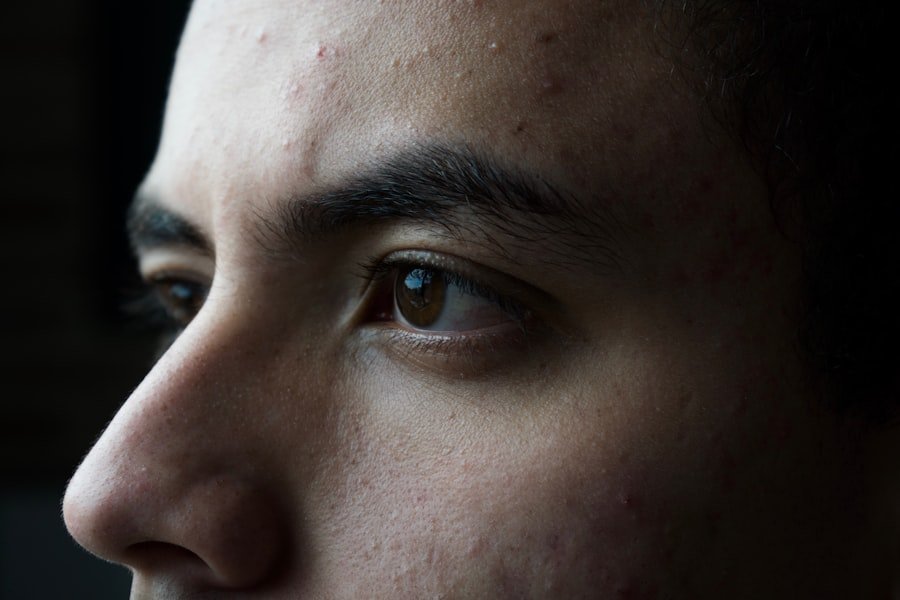
Acne leaves dark marks, also known as post-inflammatory hyperpigmentation, due to the inflammation and irritation of the skin caused by acne lesions. This leads to an overproduction of melanin, the pigment that gives skin its color, resulting in dark spots.
How can dark marks from acne be prevented?
Preventing dark marks from acne involves treating the acne early and effectively to minimize inflammation and irritation. Using sunscreen daily can also help prevent dark marks from worsening due to sun exposure.
What are the treatment options for dark marks from acne?
Treatment options for dark marks from acne include topical creams containing ingredients like retinoids, hydroquinone, or azelaic acid, chemical peels, microdermabrasion, laser therapy, and microneedling. It’s important to consult a dermatologist to determine the best treatment for individual skin types and severity of dark marks.
How long do dark marks from acne typically take to fade?
Dark marks from acne can take several months to years to fade on their own. However, with proper treatment and skincare, the fading process can be expedited. It’s important to be patient and consistent with treatment to see results.
Are there any home remedies for dark marks from acne?
Some home remedies for dark marks from acne include using products with ingredients like vitamin C, niacinamide, and licorice extract, as well as applying aloe vera or honey to the affected areas. However, it’s important to note that these remedies may not be as effective as medical treatments and may not work for everyone.