
You’re tossing and turning, another night of discomfort etched into your weary mind. The familiar ache in your back is a constant companion, and the thought of shelling out a fortune for a mattress to alleviate it feels like another source of stress. But fear not! As your dedicated Listicle Content Architect (LCA), I’m here to guide you through the labyrinth of budget-friendly mattress options that can bring sweet relief to your achy spine. Forget those days of compromise; you absolutely can find a mattress that’s kind to your back and your wallet. This isn’t about settling for less; it’s about smart, strategic shopping. Let’s dive in and uncover the secrets to a restful night’s sleep without breaking the bank.
Before we start browsing, it’s crucial to grasp why your mattress plays such a pivotal role in your back health, especially when you’re on a budget. It’s not just about softness or firmness; it’s about support, alignment, and pressure relief. When you invest in the right mattress, you’re investing in the natural curvature of your spine. A mattress that’s too soft will let your hips sink too low, throwing your spine out of alignment. Conversely, a mattress that’s too firm can create pressure points, particularly around your shoulders and hips, leading to discomfort and pain. A good budget mattress for back pain strikes that delicate balance, offering enough support to keep your spine neutral while cushioning your body to relieve pressure.
Understanding Spinal Alignment
Your spine has a natural S-curve. When you sleep, your mattress should help maintain this curve. Imagine looking at someone from the side while they’re lying down. Their spine should appear relatively straight, with no significant dips or bows. A mattress that’s too soft allows the heavier parts of your body, like your hips and shoulders, to sink too far, creating an unnatural curve. This prolonged misalignment can strain muscles, ligaments, and even discs in your back.
The Importance of Pressure Relief
Pressure points occur when certain parts of your body bear the brunt of your weight. For back pain sufferers, this can be especially problematic as these pressure points can exacerbate existing discomfort or even create new areas of soreness. A good budget mattress will have materials that contour to your body, distributing your weight more evenly. This reduces concentrated pressure on sensitive areas like your hips, shoulders, and lower back, leading to a more comfortable and pain-free sleeping experience.
Why Too Firm vs. Too Soft Matters
It’s a common misconception that a harder mattress is always better for back pain. While some support is essential, a mattress that’s excessively firm can be just as detrimental as one that’s too soft. Too firm means no give, no contouring, and significant pressure build-up. Too soft means no support, leading to a saggy, misaligned spine. The sweet spot for most back pain sufferers, especially on a budget, is a medium-firm mattress that offers both support and a degree of cushioning.
2. Navigating the Budget Mattress Landscape: Materials That Matter
When you’re watching your budget, understanding the materials used in a mattress can help you make informed decisions. Not all materials are created equal, and some offer better bang for your buck when it comes to back support and pressure relief. You don’t need to spend a fortune to get decent quality. Focus on mattresses that utilize these budget-friendly yet effective materials.
Innerspring Mattresses: The Classic Choice
Innerspring mattresses have been around for a long time, and for good reason. They are often the most affordable option and can provide good support. The core of an innerspring mattress is a system of coils. The type and arrangement of these coils significantly impact the mattress’s feel and support.
Bonnell Coils: The Traditional and Affordable Option
Bonnell coils are the oldest and most common type of innerspring. They are hour-glass shaped and connected to each other, meaning that when you press on one coil, others around it will also compress. This can lead to a “motion transfer” if you sleep with a partner. However, for a budget mattress, Bonnell coils offer a solid foundational support that can be adequate for many back pain sufferers, especially when combined with a supportive top layer.
Pocketed Coils: The Upgrade for Motion Isolation
Pocketed coils (also known as individually wrapped coils) are a step up. Each coil is encased in its own fabric pocket, allowing it to move independently. This greatly reduces motion transfer, making them ideal if you share a bed. Pocketed coils also tend to offer better contouring and pressure relief than Bonnell coils, as they can respond more precisely to your body’s curves. While generally more expensive, you can often find budget-friendly models with pocketed coils, especially during sales.
Foam Mattresses: Contouring Comfort on a Budget
Foam mattresses have gained immense popularity due to their contouring abilities and pressure relief. The key here is to understand the different types of foam and how they are used in budget-friendly options.
Polyfoam: The Workhorse of Budget Mattresses
Polyfoam (polyurethane foam) is a widely used and relatively inexpensive foam. It’s often used as the comfort layer or the base support layer in mattresses. Higher-density polyfoam provides better durability and support. When looking at budget foam mattresses, pay attention to the density of the polyfoam; higher density generally means better support and longevity.
Memory Foam: The Pressure Reliever
Memory foam is known for its excellent ability to contour to your body and relieve pressure points. However, pure memory foam mattresses can be expensive. On a budget, you’ll often find mattresses that use a combination of polyfoam and a thinner layer of memory foam. This allows you to benefit from the pressure-relieving properties of memory foam without the premium price tag. Look for certifications like CertiPUR-US, which ensures the foam is made without harmful chemicals.
3. Key Features to Prioritize for Back Pain Relief on a Budget
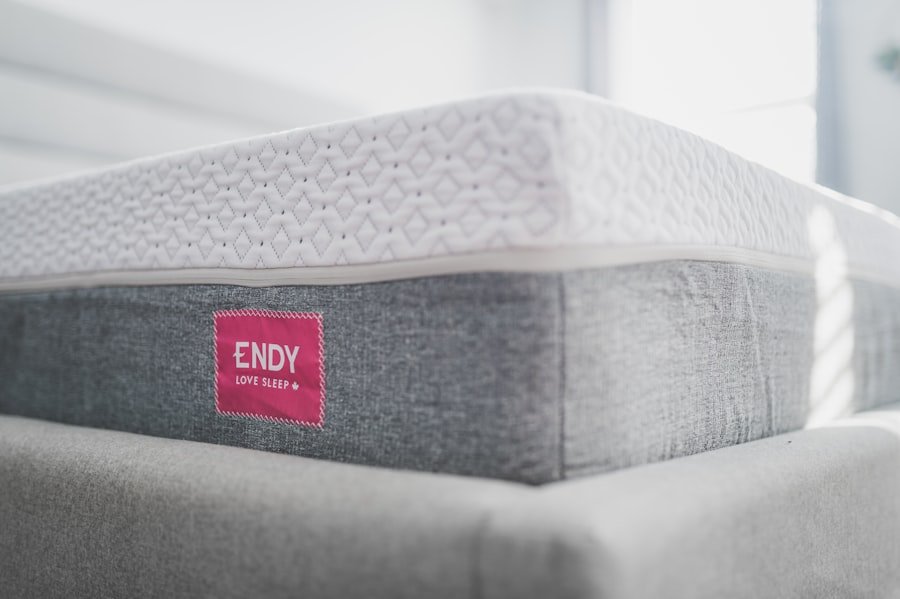
When you’re scrutinizing budget mattresses, certain features will stand out as particularly beneficial for your back. Don’t get swayed by fancy marketing; focus on these core elements that directly impact your comfort and pain levels.
Firmness Level: The “Just Right” Zone
As we touched upon, the firmness of your mattress is paramount. For most people suffering from back pain, a medium-firm mattress is the sweet spot. It provides enough support to keep your spine aligned without being so hard that it creates painful pressure points. Many budget mattresses will clearly state their firmness level, often on a scale of 1 to 10. Aim for a 6-7 on this scale.
Medium-Firm: The Universal Recommendation
This is often the most recommended firmness level for back pain. It offers a balance of support and cushioning. It’s firm enough to prevent your hips from sinking too deeply, which is crucial for maintaining spinal alignment, but it also has enough give to conform to your body’s natural curves.
Firm vs. Extra Firm: When to Consider (and When to Avoid)
While some individuals with severe back issues might benefit from a firmer mattress, it’s generally not the first recommendation for budget shoppers. Extra-firm mattresses can lack the necessary contouring and pressure relief, potentially exacerbating pain. Always consult with a healthcare professional if you have specific concerns about firmness.
Support Core: The Foundation of Your Rest
The support core is the backbone of any mattress, literally. It’s what prevents you from sinking too deeply and provides the essential structure for spinal alignment. Whether you choose an innerspring or a foam mattress on a budget, pay attention to the quality of the support core.
High-Density Foam Base
For all-foam mattresses, a high-density polyfoam base is crucial for providing adequate support. Lower-density foams can sag over time, diminishing their supportive qualities. Look for mattresses that specify the density of their base foam if possible.
Coil Count and Gauge (for Innersprings)
For innerspring mattresses, a higher coil count generally indicates better support and responsiveness. However, the gauge of the coils (the thickness of the wire) is also important. Thicker gauge wire means a firmer coil. On a budget, aim for a decent coil count in a moderate gauge.
Edge Support: Don’t Underestimate Its Value
Edge support is often overlooked, especially in budget mattresses, but it’s incredibly important if you tend to sleep near the edge of your bed or use the edge to sit on. Good edge support prevents the mattress from collapsing when you put pressure on it. This not only makes the usable surface area of the mattress larger but also adds to the overall stability and support of the mattress, preventing that “rolling off” sensation that can disrupt your sleep.
Reinforced Edges
Some mattresses, even budget ones, will feature reinforced edge support. This is typically achieved with thicker coils around the perimeter or a foam encasement. This adds durability and prevents premature sagging, making your investment last longer.
4. Smart Shopping Strategies for Budget-Friendly Back Pain Mattresses
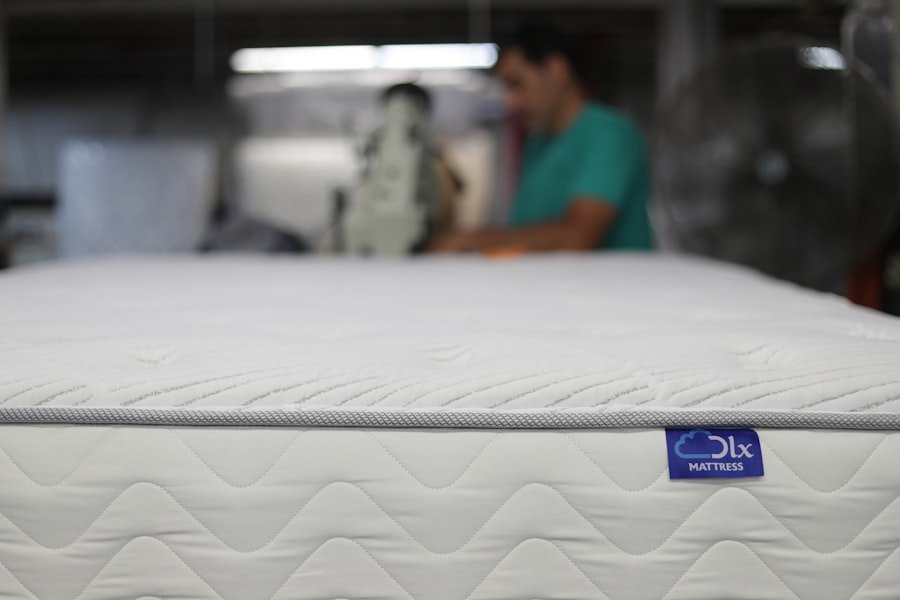
Finding a great mattress for back pain on a budget requires a strategic approach. It’s not just about picking the cheapest option; it’s about identifying value and making smart choices. Several tactics can significantly increase your chances of finding a high-quality mattress without overspending.
Embrace Online Retailers and Direct-to-Consumer Brands
The rise of online mattress companies has been a game-changer for budget shoppers. They often cut out the middlemen (retail stores), passing the savings directly onto you. These companies typically offer competitive pricing, generous trial periods, and free shipping, making it easier to try a mattress risk-free from the comfort of your home.
The Comfort of Online Shopping
Online retailers have democratized mattress buying. You can now access a wider variety of options, read countless reviews, and compare prices with ease. Many direct-to-consumer (DTC) brands specialize in budget-friendly, high-quality mattresses, focusing on smart material choices and efficient production.
Trial Periods: Your Best Friend
Many online mattress companies offer generous sleep trials, often ranging from 90 to 365 nights. This is invaluable when you’re dealing with back pain. It allows you to truly test the mattress in your own environment and see if it’s providing the relief you need. If it’s not, you can typically return it for a full refund.
Leverage Sales and Promotions to Your Advantage
Mattress sales are ubiquitous, but knowing when and where to look can save you a significant amount of money. Holidays are your best friend when it comes to finding deep discounts. Keep an eye out for major sale events throughout the year.
Holiday Sales: Black Friday, Cyber Monday, and More
Major holidays like Black Friday, Cyber Monday, Memorial Day, Labor Day, and Presidents’ Day are prime times for mattress sales. Retailers often slash prices significantly during these periods. Planning your purchase around these events can lead to substantial savings.
Seasonal Clearances and Brand-Specific Promotions
Beyond major holidays, keep an eye out for seasonal clearance events as retailers make room for new inventory. Many brands also run their own promotions throughout the year, so signing up for email newsletters from your favorite brands can alert you to upcoming discounts.
Read Reviews Critically: Focus on Back Pain Experiences
Reviews are a goldmine of information, especially when you’re looking for a mattress that addresses specific needs like back pain. Don’t just skim the star ratings; dive deep into what other customers are saying.
Look for Reviews from Similar Sleepers
Prioritize reviews from individuals who report similar sleeping positions, body weights, and, most importantly, back pain issues. Their experiences will be more relevant to your needs.
Pay Attention to Longevity and Durability
When reading reviews for budget options, it’s also important to look for comments on how the mattress has held up over time. A cheap mattress that sags after a year isn’t a good long-term investment.
5. Top Budget-Friendly Mattress Types for Back Pain Relief (Examples)
| Brand | Material | Firmness Level | Price Range | Customer Rating |
|---|---|---|---|---|
| Zinus | Memory Foam | Medium-Firm | 200 – 400 | 4.5/5 |
| Linenspa | Hybrid (Memory Foam & Innerspring) | Medium-Firm | 150 – 300 | 4.3/5 |
| Signature Sleep | Memory Foam | Firm | 250 – 400 | 4.4/5 |
| Lucid | Memory Foam | Medium-Firm | 250 – 500 | 4.2/5 |
While I can’t recommend specific brands or models as those can change rapidly and vary by region, I can guide you on the types of mattresses that consistently offer good value and effective back pain relief on a budget. These categories represent excellent starting points for your search.
Hybrid Mattresses: The Best of Both Worlds
Hybrid mattresses combine the support of an innerspring coil system with the comfort and contouring of foam layers (like memory foam or latex). This combination often provides an excellent balance of support and pressure relief, making them a top choice for back pain sufferers, and you can find some surprisingly affordable options.
Balancing Coil Support with Foam Comfort
The innerspring base provides robust support, preventing excessive sinking and maintaining spinal alignment. The foam layers on top conform to your body, relieving pressure points. This synergy is ideal for back pain.
Pocketed Coils for Enhanced Performance
Look for hybrid mattresses with pocketed coils. This feature enhances motion isolation and allows the coils to adapt better to your body’s contours, further improving pressure relief and support. Even in budget models, pocketed coils can be a significant advantage.
Affordable Memory Foam Mattresses with Strategic Layering
You can find excellent value with memory foam mattresses if you know what to look for. The key is looking beyond pure memory foam and understanding how layers are constructed to provide both comfort and support.
Density and Thickness of Memory Foam Layers
A thin layer of responsive memory foam over a dense, supportive polyfoam base can offer significant pressure relief without the high cost of a thick memory foam mattress. The density of the base foam is critical here for overall support.
Gel-Infused or Open-Cell Foams for Cooling
Many budget memory foam mattresses now incorporate cooling technologies like gel infusions or open-cell structures to combat the tendency of traditional memory foam to trap heat. This is an important consideration for a more comfortable sleep.
Innerspring Mattresses with Enhanced Comfort Layers
A traditional innerspring mattress can still be a viable option for back pain relief if it’s designed with a good comfort layer. Avoid mattresses that are just a firm coil unit with a thin fabric cover; look for those that have at least a few inches of cushioning on top.
Firm Innerspring Core for Support
The foundation of a good budget innerspring for back pain is a robust innerspring unit that provides consistent support and prevents the mattress from sagging.
Plush Top or Pillow Top for Pressure Relief
A plush or pillow top layer can add the necessary cushioning to an innerspring mattress, mitigating pressure points and providing a more comfortable sleeping surface. Ensure this top layer isn’t so thick that it compromises the underlying support.
By understanding these categories and focusing on the core principles of support, alignment, and pressure relief, you’re well on your way to finding a mattress that offers significant back pain relief without straining your budget. Remember, patience and smart shopping are your allies in this journey. Happy mattress hunting!
FAQs
What are the key features to look for in a good mattress for back pain on a budget?
When looking for a mattress for back pain on a budget, it’s important to consider features such as firmness, support, and pressure relief. Look for a mattress that provides adequate support for your spine and promotes proper alignment.
What type of mattress is best for back pain on a budget?
A memory foam mattress is often recommended for back pain on a budget as it provides excellent support and pressure relief. Additionally, hybrid mattresses that combine memory foam with innerspring coils can also be a good option for those on a budget.
What is the ideal firmness level for a mattress for back pain on a budget?
The ideal firmness level for a mattress for back pain on a budget is typically medium-firm. This level of firmness provides the necessary support for the spine while still offering some cushioning for pressure points.
Are there any specific mattress brands that offer good options for back pain on a budget?
There are several mattress brands that offer affordable options for back pain, including Zinus, Linenspa, and Signature Sleep. These brands offer mattresses with supportive memory foam and hybrid designs at budget-friendly prices.
What are some additional tips for finding a good mattress for back pain on a budget?
When shopping for a mattress for back pain on a budget, consider looking for sales, discounts, and promotions from reputable retailers. Additionally, reading customer reviews and considering trial periods or warranties can help ensure you find a quality mattress at an affordable price.