
Birds are amazing creatures to observe, with their colorful feathers and melodious songs. However, there is one thing about them that is not as enchanting – the possibility of avian flu. Avian flu, also known as bird flu, is a highly contagious viral disease that primarily affects birds but can also be transmitted to humans. In this article, you will discover simple yet effective measures that you can take to prevent the spread of avian flu and safeguard the health of both bird populations and yourself. So, let’s soar into the world of prevention and keep avian flu at bay!
Maintaining Personal Hygiene
Wash hands frequently
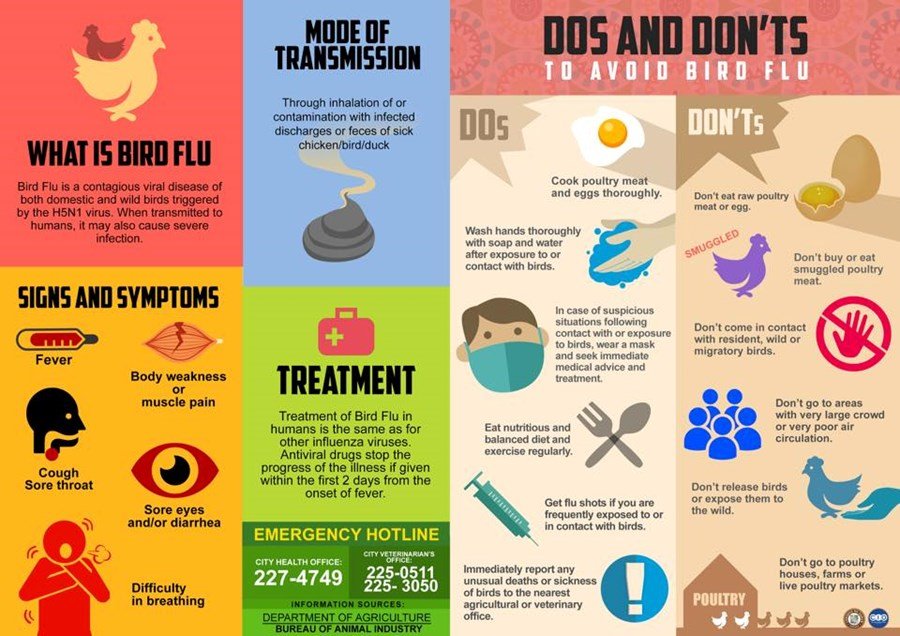
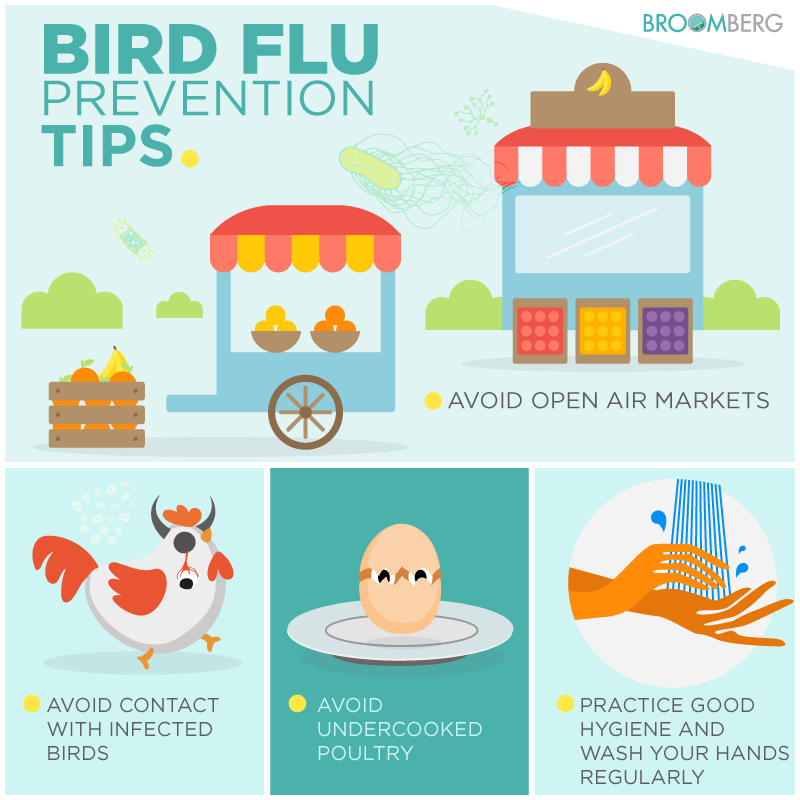
To prevent the transmission of avian flu, it is crucial to maintain good personal hygiene. One of the simplest yet most effective ways to protect yourself is by washing your hands frequently. Make sure to use soap and clean running water, and thoroughly scrub your hands for at least 20 seconds. Pay particular attention to cleaning the areas between your fingers, your palms, and the backs of your hands. Remember to dry your hands completely using a clean towel or an air dryer.
Cover mouth and nose when coughing or sneezing
Avian flu can spread through respiratory droplets when infected birds cough or sneeze. To reduce the risk of transmission, it is essential to cover your mouth and nose when you cough or sneeze, even if you are not experiencing flu-like symptoms. Use a tissue or the inside of your elbow to cover your mouth and nose, rather than using your hands. This practice helps prevent the spread of the virus by containing respiratory droplets and minimizing the risk of contaminating surfaces or others around you.
Avoid touching face, especially eyes, nose, and mouth
Another vital step in maintaining personal hygiene and preventing the transmission of avian flu is to avoid touching your face, particularly your eyes, nose, and mouth. These areas are entry points for the virus, and touching them with contaminated hands can facilitate its transmission. While it may be challenging to break this habit, being mindful and conscious of your actions can significantly reduce the risk of infection. If you need to touch your face, make sure to wash your hands thoroughly beforehand and afterward.
Implementing Proper Sanitation Practices
Clean and disinfect frequently-touched surfaces
To reduce the risk of avian flu transmission, it is essential to regularly clean and disinfect frequently-touched surfaces. This includes doorknobs, light switches, countertops, and other surfaces that come into frequent contact with hands. Use household disinfectants that are effective against the avian flu virus and follow the instructions on the product label for proper usage. Regularly cleaning these surfaces helps eliminate any potential virus particles that may have landed on them, reducing the chances of transmission.
Use appropriate cleaning agents
When implementing proper sanitation practices, it is important to use cleaning agents that are suitable for killing avian flu viruses. Look for disinfectants that are specifically labeled as effective against avian flu viruses or those registered with the appropriate regulatory agencies. Read the instructions carefully and follow the recommended dilution ratios and contact times to ensure the cleaning agent’s effectiveness. By using appropriate cleaning agents, you can help ensure the complete removal and inactivation of the virus from surfaces in your environment.
Dispose of waste properly
Proper waste disposal is crucial to prevent the spread of avian flu and maintain a sanitary environment. Make sure to dispose of waste, such as tissues used for coughing or sneezing, in a lined trash bin. Use gloves or a tissue to handle waste that may be contaminated. Remember to tie up the garbage bag tightly before disposing of it in an appropriate waste container. Regularly empty and clean the waste containers to minimize the risk of virus survival and transmission through contaminated waste.
Handling Poultry and Bird Products
Cook poultry and eggs thoroughly
One of the critical steps in preventing avian flu infection is to ensure that poultry and eggs are cooked thoroughly before consumption. Heating them to the correct internal temperature destroys any potential avian flu viruses that may be present. Make sure to use a food thermometer to ensure that poultry reaches an internal temperature of at least 165°F (74°C) and eggs are cooked until the yolks and whites are firm. Avoid consuming raw or undercooked poultry or eggs, as they may contain live avian flu viruses that can cause illness.
Avoid cross-contamination
Preventing cross-contamination is essential when handling poultry and bird products to reduce the risk of avian flu transmission. Keep raw poultry and eggs separate from other food items in your refrigerator to prevent any potential contamination. Use separate cutting boards, utensils, and plates for raw and cooked food to avoid transferring any viruses from raw poultry or eggs to cooked food items. Thoroughly clean and sanitize these items after use to eliminate any lingering viruses.
Handle raw poultry with caution
When handling raw poultry, proper caution is necessary to prevent the spread of avian flu. Wear disposable gloves while handling raw poultry, and wash your hands thoroughly with soap and water after removing the gloves. Avoid touching other surfaces or objects while handling raw poultry to avoid potential contamination. Always clean and sanitize countertops, utensils, and cutting boards after they come into contact with raw poultry. By taking these precautions, you significantly reduce the risk of avian flu transmission through proper handling of raw poultry.
Maintaining Healthy Bird Habits
Restrict access to domesticated and wild birds
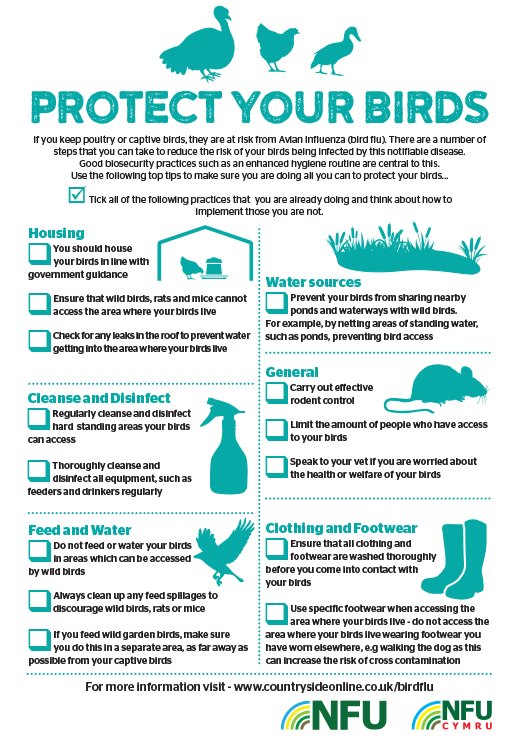
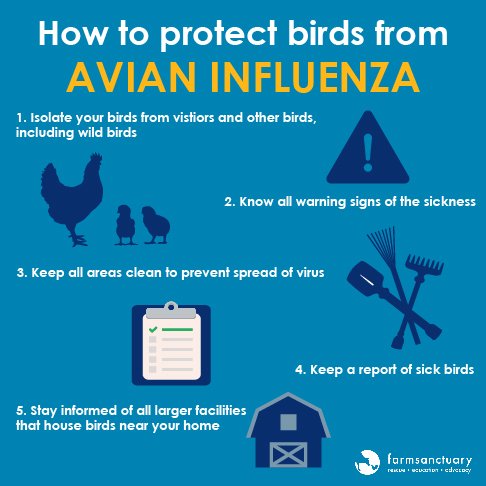
Limiting access to domesticated and wild birds is crucial in preventing the introduction and spread of avian flu. Implement protective measures, such as establishing physical barriers or enclosures, to prevent direct contact between birds and potential carriers of the virus. This includes both people and animals. By restricting access, you reduce the likelihood of avian flu transmission and protect the health of both your birds and yourself.
Keep domesticated birds in clean and controlled environments
Maintaining a clean and controlled environment for domesticated birds is essential in preventing the spread of avian flu. Regularly clean and disinfect the bird housing areas, ensuring that their living spaces are free from potential sources of contamination. Provide proper ventilation to minimize the buildup of moisture, as damp environments can create favorable conditions for the survival and spread of avian flu viruses. Implement effective biosecurity measures within the bird premises to prevent the introduction and transmission of the virus.
Monitor for signs of avian flu in birds
Vigilance and regular monitoring for signs of avian flu in birds are crucial in early detection and prevention of its spread. Familiarize yourself with the symptoms of avian flu in birds, which may include respiratory distress, decreased egg production, diarrhea, and swelling of the head, comb, or wattles. If any suspicious signs are observed, seek veterinary assistance promptly. Early detection and reporting of avian flu cases can help prevent further spread and protect both bird populations and human health.
Implementing Biosecurity Measures
Set up designated clean and dirty zones
Establishing designated clean and dirty zones within poultry farms or bird premises is a key biosecurity measure. This helps prevent the introduction and spread of avian flu by controlling the movement of people, animals, and equipment. Clearly mark and separate areas where birds are housed and cared for from areas where potentially contaminated materials or individuals may be present. Implement strict protocols for entering and leaving the clean zone to ensure minimal risk of virus transmission.
Restrict access to poultry farms or bird premises
To prevent the introduction of avian flu viruses, it is essential to restrict access to poultry farms or bird premises. Implement controlled entry points with proper security measures to ensure that only authorized personnel enter the premises. Visitors should be strictly regulated, and proper hygiene practices should be enforced, such as handwashing and wearing dedicated protective clothing and footwear. By limiting access, you significantly reduce the risk of avian flu introduction and transmission within your facility.
Control movement of people, vehicles, and equipment
Controlling the movement of people, vehicles, and equipment is critical in preventing the spread of avian flu within poultry farms or bird premises. Implement strict protocols for movements within the premises, including designated pathways and restrictions on unnecessary movement between zones. Ensure that all visitors, as well as staff, are aware of and adhere to the established protocols. Monitor and regulate the use of vehicles and equipment to prevent potential contamination and the accidental introduction or spread of avian flu viruses.
Vaccination and Disease Control
Follow vaccination recommendations for poultry
Vaccination plays a crucial role in preventing and controlling avian flu in poultry populations. Follow the vaccination recommendations provided by veterinary authorities or experts in avian health. Vaccinating birds can help reduce the severity of avian flu outbreaks, minimize transmission, and protect the overall health of the flock. Work closely with a veterinarian to ensure that proper vaccination protocols, including timing and vaccine selection, are followed.
Cooperate with avian flu surveillance and control programs
Active participation and cooperation with avian flu surveillance and control programs are essential in preventing the spread of the virus. Stay informed about local and regional avian flu surveillance initiatives and report any suspected cases promptly. Follow the guidelines and protocols provided by veterinary authorities or public health agencies to contribute to the monitoring and control efforts. By working together, we can collectively enhance our ability to detect and respond to potential avian flu outbreaks swiftly.
Report suspected cases promptly
Early detection and reporting of suspected avian flu cases are crucial in preventing the spread of the virus and facilitating timely control measures. If you observe any signs of avian flu in your birds, such as sudden deaths, respiratory distress, or a decline in egg production, report it to the appropriate veterinary authorities promptly. Provide accurate and detailed information to assist in the investigation and response efforts. By reporting suspected cases promptly, you contribute to the overall surveillance and control of avian flu.
Educating and Training
Provide training on avian flu prevention measures
Education and training are instrumental in ensuring proper implementation of avian flu prevention measures. Provide comprehensive training to poultry farmers, bird handlers, and relevant personnel on the steps and protocols for avian flu prevention. Cover topics such as personal hygiene, proper sanitation practices, handling of poultry and bird products, and disease surveillance. Regular refresher courses should be conducted to reinforce knowledge and ensure that individuals stay updated with the latest information and best practices.
Raise awareness among poultry farmers and bird handlers
In addition to training, raising awareness among poultry farmers and bird handlers is essential in preventing avian flu outbreaks. Distribute educational materials, such as brochures or posters, that highlight key prevention measures and the importance of early detection and reporting. Organize seminars or workshops where experts can share insights and experiences, fostering a sense of community among poultry farmers and bird handlers. By increasing awareness, we empower individuals to take proactive steps in protecting their flocks and preventing the spread of avian flu.
Promote knowledge dissemination
To prevent avian flu effectively, knowledge dissemination is crucial. Establish platforms for sharing information and encourage the exchange of best practices among poultry farmers, bird handlers, and relevant stakeholders. This can be done through online forums, conferences, or publications that address avian flu prevention measures, emerging research, and innovative techniques. By promoting knowledge dissemination, we can collectively enhance our understanding of avian flu prevention and contribute to the development of effective strategies.
Monitoring and Surveillance
Establish systems for early detection
Early detection of avian flu is essential to prevent its spread and minimize the impact on both birds and humans. Establish systems for regular monitoring and surveillance of poultry farms, bird premises, and wild bird populations. Work closely with veterinary authorities, health organizations, and research institutions to gather data on potential avian flu outbreaks and identify any unusual patterns or trends. By implementing early detection systems, we can respond swiftly and effectively to potential avian flu threats.
Monitor local and global avian flu outbreaks
Staying informed about local and global avian flu outbreaks is crucial in proactively addressing the risks associated with the virus. Monitor official reports, research articles, and updates from veterinary and health organizations to stay updated on the prevalence and spread of avian flu. Understand the various strains and subtypes of the virus, as well as their respective characteristics and potential implications. By monitoring avian flu outbreaks, we can enhance our preparedness and response strategies.
Collaborate with veterinary authorities and health organizations
Effective monitoring and surveillance require collaboration and cooperation with veterinary authorities and health organizations. Establish strong partnerships with these entities to exchange information, coordinate surveillance efforts, and implement joint strategies for prevention and control. Regularly communicate with veterinary authorities and health organizations to share data, insights, and best practices. By working together, we can pool our resources, expertise, and technologies to enhance our collective ability to mitigate the risks associated with avian flu.
Regulating International Trade
Ensure compliance with import/export regulations
Regulating international trade is critical in preventing the introduction and spread of avian flu through the movement of birds, poultry products, and related materials. Ensure strict compliance with import and export regulations set by national and international authorities. These regulations include health certifications, quarantine periods, and screening procedures. Implement robust systems to monitor and inspect incoming and outgoing shipments to detect any potential avian flu risks. By adhering to import/export regulations, we can help safeguard global poultry populations and prevent the international spread of avian flu.
Screen and quarantine imported birds
A key measure in regulating international trade is to screen and quarantine imported birds. Before introducing new birds into your flock or premises, conduct thorough health screenings to ensure they are free from avian flu and other diseases. Isolate and quarantine imported birds for the appropriate period, as recommended by veterinary authorities and experts in avian health. Monitor their health closely during the quarantine period to detect any signs of illness or infection. By implementing rigorous screening and quarantine measures, you mitigate the risk of introducing avian flu into existing populations.
Cooperate with international organizations in sharing information
Cooperation and information sharing with international organizations are essential in preventing and controlling avian flu on a global scale. Collaborate with organizations such as the World Organisation for Animal Health (OIE) and the World Health Organization (WHO) to exchange information, insights, and best practices. Participate in international forums, conferences, and initiatives that focus on avian flu prevention, surveillance, and control. By cooperating with international organizations, we contribute to the collective efforts aimed at minimizing the threats posed by avian flu.
Promoting Research and Innovation
Invest in avian flu research
Investing in avian flu research is crucial in expanding our understanding of the virus and developing effective prevention and control measures. Support research institutions, universities, and scientific organizations engaged in avian flu research. Allocate resources for studies that focus on avian flu epidemiology, virus behavior, treatment options, and vaccine development. By investing in research, we can advance our knowledge and enhance our preparedness to tackle avian flu outbreaks effectively.
Encourage development of effective vaccines and treatments
The development of effective vaccines and treatments is key to preventing and controlling avian flu. Encourage scientific institutions and pharmaceutical companies to prioritize research and development efforts in this field. Support initiatives aimed at discovering novel vaccine candidates and antiviral drugs that can effectively combat avian flu. By fostering innovation and collaboration, we increase the chances of developing effective tools to curb the spread of avian flu.
Foster collaboration among scientists and experts
Collaboration among scientists and experts is instrumental in advancing avian flu research and innovation. Promote interdisciplinary collaboration by organizing conferences, workshops, and research networks that bring together researchers, veterinarians, physicians, and public health professionals. Encourage the exchange of ideas, data, and methodologies to foster innovation and scientific breakthroughs. By fostering collaboration, we leverage the collective knowledge and expertise to drive advancements in avian flu prevention, treatment, and control strategies.
In conclusion, preventing avian flu requires a multi-faceted approach that encompasses personal hygiene, proper sanitation practices, responsible handling of poultry and bird products, maintaining healthy bird habits, implementing biosecurity measures, vaccination, education, monitoring and surveillance, international trade regulation, and research and innovation. By following these comprehensive guidelines and working together, we can effectively prevent the transmission and spread of avian flu, safeguarding both animal and human health.
