
Hey there! You’ve probably heard of bladder cancer before, but did you know that there are steps you can take to reduce your risk of developing it? In this article, we’ll explore some helpful strategies and lifestyle changes that can help you prevent bladder cancer. From maintaining a healthy diet to avoiding harmful chemicals, you’ll find practical tips to incorporate into your daily routine. So let’s dive in and learn how to keep your bladder healthy and cancer-free!
Understanding Bladder Cancer
Bladder cancer is a type of cancer that develops in the cells of the bladder, which is responsible for storing urine. It is important to have a good understanding of this disease in order to take necessary steps for prevention and early detection. There are different types of bladder cancer, including transitional cell carcinoma, squamous cell carcinoma, and adenocarcinoma. Each type can have different treatment options and outcomes, so it is essential to consult with a healthcare professional for proper diagnosis and management.
Types of bladder cancer
- Transitional cell carcinoma: This is the most common type of bladder cancer, accounting for about 90% of cases. It begins in the transitional cells that line the bladder and can spread to other parts of the urinary system if left untreated.
- Squamous cell carcinoma: This type of bladder cancer develops in the thin, flat cells on the surface of the bladder. It is often associated with chronic inflammation and certain infections.
- Adenocarcinoma: Adenocarcinoma of the bladder is a rare type of bladder cancer that starts in the glandular cells of the bladder lining. It is often more aggressive and has a higher risk of spreading to other organs.

Causes and risk factors
While the exact cause of bladder cancer is not known, several factors can increase the risk of developing this disease. Some common causes and risk factors include:
- Smoking: Smoking is the leading cause of bladder cancer, responsible for about half of all cases. The harmful chemicals present in tobacco smoke can enter the bloodstream and accumulate in the bladder, increasing the risk of cellular damage and cancerous growth.
- Chemical exposure: Exposure to certain chemicals, such as those used in the manufacturing industry or in the production of rubber, textiles, and dyes, can increase the risk of bladder cancer. These chemicals can be absorbed through the skin, inhaled, or ingested, and prompt precautions should be taken to minimize exposure.
- Chronic bladder inflammation: Chronic irritation or inflammation of the bladder lining can increase the risk of bladder cancer. This can be caused by conditions such as urinary tract infections or long-term use of indwelling catheters.
- Age and gender: Bladder cancer is more common in older adults, with the average age of diagnosis being around 73. Men tend to have a higher risk of developing bladder cancer compared to women.
- Family history: Having a family history of bladder cancer can increase the risk of developing the disease. Certain genetic mutations can be inherited and predispose individuals to bladder cancer.
- Race and ethnicity: Bladder cancer is more common in Caucasians than in other racial and ethnic groups. However, it can still occur in individuals of all races and ethnicities.
Promoting a Healthy Lifestyle
Maintaining a healthy lifestyle can significantly reduce the risk of bladder cancer and improve overall well-being. Here are some lifestyle tips to consider:
Maintaining a well-balanced diet
A well-balanced diet plays a crucial role in promoting good health and reducing the risk of various types of cancer, including bladder cancer. Incorporating a variety of fruits, vegetables, whole grains, and lean proteins into your meals can provide essential nutrients and antioxidants that support a healthy immune system.
Staying physically active
Regular physical activity is not only beneficial for maintaining a healthy weight but also helps lower the risk of bladder cancer. Engaging in moderate-intensity activities, such as brisk walking, swimming, or cycling, for at least 150 minutes per week can contribute to overall health and reduce cancer risks.
Avoiding tobacco products
The single most important step you can take to prevent bladder cancer is to avoid tobacco products altogether. Smoking is the leading cause of bladder cancer, and quitting smoking can significantly reduce the risk. If you are a smoker, consider seeking professional help or joining a cessation program to increase your chances of quitting successfully.
Limiting alcohol consumption
Excessive alcohol consumption has been associated with an increased risk of bladder cancer. To minimize your risk, it is recommended to limit your alcohol intake. Moderate drinking is defined as up to one drink per day for women and up to two drinks per day for men.
Maintaining a healthy weight
Obesity is a known risk factor for various types of cancer, including bladder cancer. It is important to maintain a healthy weight through a balanced diet and regular exercise. Monitoring portion sizes, making healthy food choices, and seeking guidance from a healthcare professional if weight management is a concern can contribute to reducing your risk.

Minimizing Exposure to Carcinogens
Reducing exposure to carcinogens, substances that can cause cancer, is vital in preventing bladder cancer. By taking the following precautions, you can minimize your risk:
Reducing exposure to harmful chemicals
Be aware of your surroundings and potential exposure to harmful chemicals. If you work with or handle chemicals known to be linked to bladder cancer, use proper protective measures. Follow safety guidelines, wear appropriate personal protective equipment (PPE), and take necessary precautions to reduce direct contact with chemicals.
Using protective measures at work
If you work in an environment where you may be exposed to hazardous substances or carcinogens, it is crucial to follow proper occupational safety protocols. Employers should provide appropriate training, protective gear, and a safe working environment to minimize the risk of exposure.
Avoiding unnecessary radiation
Limiting exposure to unnecessary radiation, such as from excessive medical imaging scans or prolonged sun exposure, can help reduce the risk of bladder cancer. It is important to follow medical recommendations for scans and wear appropriate sun protection, including sunscreen and protective clothing.
Being cautious with medications
Some medications, such as certain pain relievers and diabetes medications, have been linked to an increased risk of bladder cancer. It is important to discuss any concerns or questions you have about medications with your healthcare provider and weigh the potential risks and benefits.
Maintaining Proper Hydration
Proper hydration is essential for overall health and plays a vital role in preventing bladder cancer. Here are some tips to maintain proper hydration:
Drinking an adequate amount of water
One of the easiest ways to stay properly hydrated is by drinking an adequate amount of water throughout the day. It is recommended to drink at least 8 cups (64 ounces) of water daily. You may need more if you engage in strenuous physical activity or are in a hot climate.
Choosing healthier beverage options
While water should be the main source of hydration, you can also consume other healthier beverage options such as herbal teas, unsweetened fruit juices, and low-fat milk. These alternatives can provide additional nutrients without added sugars or excessive calories.
Limiting consumption of sugary drinks
It’s important to limit the consumption of sugary drinks like soda, fruit juices with added sugars, and energy drinks. These beverages not only contribute to dehydration but also increase the risk of obesity and other health issues. Opting for water or healthier alternatives can reduce the risk of bladder cancer and promote overall well-being.
Taking Care of the Urinary System
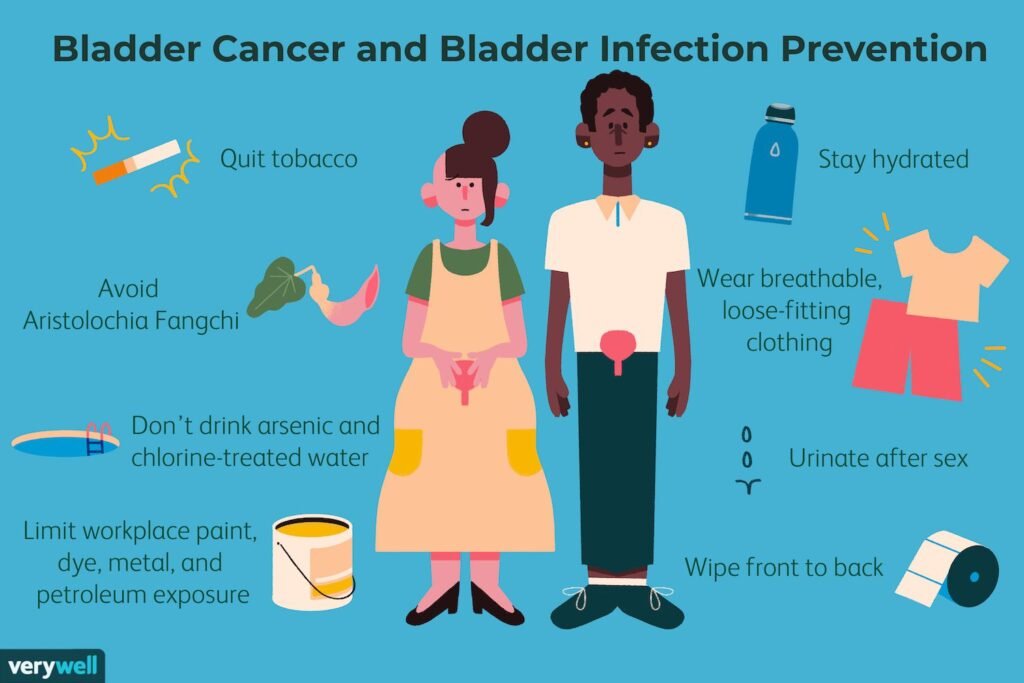
Proper care of the urinary system can help maintain its health and reduce the risk of bladder cancer. Consider the following tips:
Regularly emptying the bladder
Ensure that you regularly empty your bladder throughout the day. Holding urine for long periods can expose the bladder lining to potential toxins and increase the risk of bacterial growth or infection.
Urinating after intercourse
After sexual intercourse, it is advisable to urinate to help flush out any bacteria that may have entered the urinary tract. This can reduce the risk of urinary tract infections, which may contribute to bladder cancer development if left untreated.
Maintaining proper hygiene
Maintaining proper hygiene is crucial for preventing urinary tract infections and promoting bladder health. Clean the genital area before and after sexual activity, and always wipe from front to back after using the toilet to minimize the risk of introducing bacteria into the urinary tract.
Reducing the Risk of Infection
Preventing infections is an important aspect of bladder cancer prevention. Follow these steps to reduce the risk of bladder infections:
Practicing good hygiene
Practicing good hygiene is key to preventing infections. Wash your hands regularly with soap and water, especially before eating or touching your face. Avoid close contact with people who are sick, and cover your mouth and nose when coughing or sneezing to prevent the spread of germs.
Avoiding UTIs
Urinary tract infections (UTIs) can increase the risk of bladder cancer if left untreated. To prevent UTIs, drink plenty of water, urinate frequently, and maintain proper hygiene. If you experience symptoms such as pain or burning during urination, cloudy urine, or frequent urination, seek medical attention promptly.
Treating infections promptly
If you develop a urinary tract infection or any other infection, it is important to seek prompt medical treatment. Untreated infections can lead to complications, including the potential for the infection to spread to the bladder and increase the risk of bladder cancer.

Annual Check-ups and Screening
Regular medical check-ups and screening tests are essential for early detection and prevention of bladder cancer. Consider the following aspects:
Importance of regular medical check-ups
Routine medical check-ups allow healthcare professionals to assess your overall health and detect any potential issues. They provide an opportunity to discuss risk factors, receive personalized recommendations, and ensure early intervention if necessary.
Understanding the role of screening tests
Screening tests can help detect bladder cancer at an early stage, even before symptoms arise. These tests may include urine cytology, imaging scans, or cystoscopy. Consult with your healthcare provider to understand which screening tests are recommended for you based on your age, gender, and risk factors.
Discussing risk factors with your doctor
During your regular check-ups, discuss your risk factors for bladder cancer with your healthcare provider. This can include family history, occupational exposure, or any other relevant factors. Your doctor can provide personalized advice and recommendations based on your unique circumstances.
Adhering to recommended screening guidelines
It is important to adhere to recommended screening guidelines for bladder cancer. Regularly follow up with your healthcare provider and attend scheduled screenings as advised. Early detection and treatment significantly improve outcomes and can increase the chances of successful treatment.
Awareness and Early Detection
Being aware of the potential symptoms of bladder cancer and seeking medical attention for unusual signs can make a significant difference in early detection. Consider the following:
Recognizing the symptoms of bladder cancer
Common symptoms of bladder cancer include blood in the urine (hematuria), frequent urination, pain or discomfort during urination, and back or pelvic pain. If you experience any of these symptoms, it is important to consult with a healthcare professional for proper evaluation.
Seeking medical attention for unusual signs
If you notice any unusual changes in your urinary habits or experience symptoms that persist or worsen, do not hesitate to seek medical attention. Early detection increases the chances of successful treatment and a positive prognosis.
Understanding the importance of early detection
Early detection of bladder cancer can significantly improve treatment outcomes. Prompt diagnosis and intervention can help prevent the spread of cancer to other parts of the body and increase the chances of successful treatment.
Occupational Safety Measures
For individuals who work in occupations with potential exposure to carcinogens or harmful substances, following occupational safety measures is crucial. Consider the following:
Following safety protocols at work
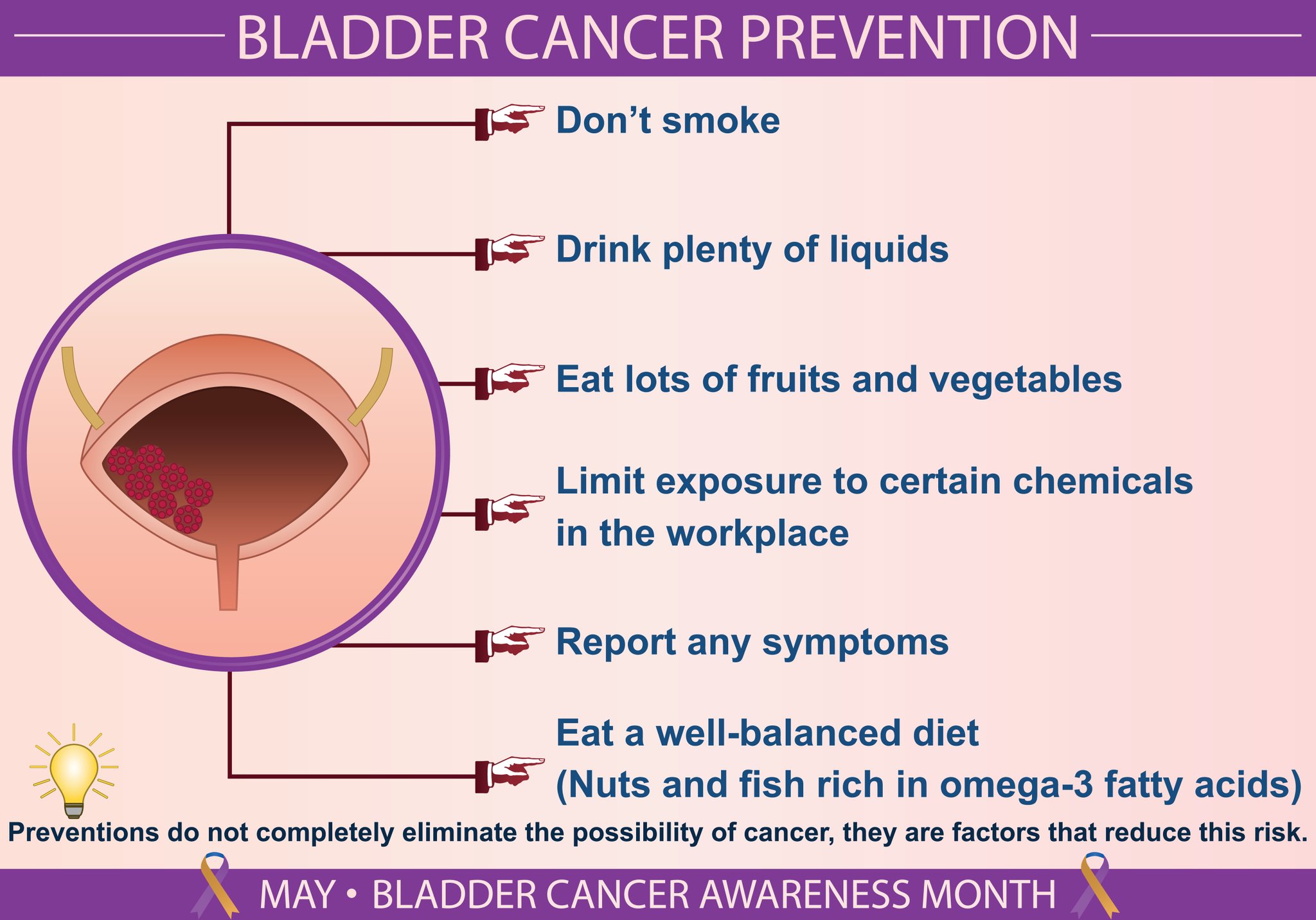
Always adhere to safety protocols and guidelines provided by your workplace. Ensure proper ventilation, use of protective equipment, and safe handling procedures for chemicals or materials that may increase the risk of bladder cancer.
Using appropriate protective gear
Depending on your occupation, it may be necessary to wear personal protective equipment (PPE) such as gloves, masks, or goggles. Ensure you are properly trained on the correct usage and maintenance of PPE to minimize exposure to harmful substances.
Understanding occupational risks
Be aware of the potential occupational risks associated with your specific job. If you work in an industry known for a higher risk of bladder cancer, such as certain chemical manufacturing or rubber production sectors, take extra precautions and stay informed about the latest safety and exposure reduction practices.
Family History and Genetic Counselling
Understanding the impact of family history and considering genetic counseling can provide essential insights for preventing bladder cancer. Consider the following:
Understanding the impact of family history
Having a family history of bladder cancer can increase your own risk for developing the disease. Inform your healthcare provider about your family history and discuss any additional screening or preventive measures that may be recommended.
Consulting a genetic counselor
If you have a strong family history of bladder cancer, you may benefit from consulting a genetic counselor. Genetic counselors specialize in assessing the likelihood of inherited cancer risks and can provide personalized guidance and recommendations based on your specific situation.
Screening for hereditary bladder cancer
In some cases, genetic testing may be recommended to identify potential gene mutations associated with hereditary bladder cancer. This can help determine if you are at an increased risk and inform your healthcare provider regarding preventive measures or more frequent screening.