
Bulimia Nervosa is a serious eating disorder that affects many individuals, causing harmful physical and emotional effects. This article aims to shed light on effective strategies to prevent Bulimia Nervosa, offering practical tips and guidance. By fostering a supportive environment, promoting positive body image, and encouraging open communication, we can all play a crucial role in preventing this destructive disorder and ensuring the well-being of ourselves and others.
Understanding Bulimia Nervosa
Definition of Bulimia Nervosa
Bulimia Nervosa is an eating disorder characterized by recurrent episodes of excessive eating, followed by behaviors aimed at compensating for the consumed calories. These compensatory behaviors often involve self-induced vomiting, excessive exercise, or the misuse of laxatives or diuretics. Individuals with bulimia nervosa typically experience a sense of lack of control during binge episodes and are deeply concerned with their body weight and shape.
Description of Bulimia Nervosa
Bulimia Nervosa can have significant physical, emotional, and social consequences on the individuals who struggle with it. Binge eating episodes in bulimia nervosa are associated with feelings of guilt, shame, and distress, leading to a vicious cycle of unhealthy behaviors. The disorder often manifests in secrecy, making it challenging to detect or seek help. If left untreated, bulimia nervosa can result in severe medical complications and even be life-threatening.
Causes of Bulimia Nervosa
Bulimia Nervosa is a complex disorder caused by various factors. While the exact cause is unknown, genetic, environmental, and psychological influences play a role in its development. Certain biological and genetic factors may increase the vulnerability to developing an eating disorder. Additionally, societal pressure, unrealistic beauty standards, and cultural factors contribute to the risk. Psychological factors such as perfectionism, low self-esteem, and a negative body image also play a significant role in the onset of bulimia nervosa.
Recognizing the Risk Factors
Genetic Predisposition
Research suggests that some individuals may have a genetic predisposition to developing eating disorders, including bulimia nervosa. Having a family history of eating disorders, depression, or other mental health conditions can increase one’s susceptibility to developing the disorder.
Dieting and Weight Obsession
Engaging in strict diets or constantly striving for a specific weight can contribute to the development of bulimia nervosa. Restrictive eating patterns and an obsession with weight and body shape can trigger binge eating episodes, leading to a cycle of compensatory behaviors and guilt.
Body Image Dissatisfaction
Poor body image and dissatisfaction with one’s appearance are common risk factors for bulimia nervosa. Societal pressure to conform to unrealistic beauty standards, along with comparisons to idealized images portrayed in the media, can greatly impact body image perception and trigger disordered eating behaviors.
Perfectionism and Low Self-Esteem
Individuals with perfectionistic tendencies and low self-esteem are at a higher risk of developing bulimia nervosa. The need for control and the pursuit of perfection can translate into an excessive focus on food, weight, and body shape, leading to disordered eating patterns and harmful behaviors.
Promoting a Healthy Body Image
Fostering Positive Self-Talk
One way to promote a healthy body image and prevent bulimia nervosa is to encourage positive self-talk. Help individuals develop a compassionate and accepting inner dialogue, focusing on their strengths and uniqueness rather than solely on appearance. Remind them that they are more than their physical appearance and are deserving of love and respect.
Encouraging Self-Acceptance
Promoting self-acceptance is crucial in preventing the development of bulimia nervosa. Encourage individuals to embrace their bodies at every shape and size. Help them cultivate a mindset that places value on personal growth, health, and overall well-being rather than solely on physical appearance or societal expectations.
Promoting Media Literacy
Educating individuals about media literacy can help them critically analyze and challenge the unrealistic beauty ideals portrayed in the media. Encourage individuals to question and examine media messages, emphasizing that these images are often heavily edited and do not reflect real-life diversity. Promote the importance of consuming media that promotes body positivity and inclusivity.
Avoiding Negative Body Comparisons
Discourage individuals from engaging in negative body comparisons, as this can contribute to poor body image and the development of disordered eating patterns. Encourage them to focus on their own unique qualities and achievements rather than constantly comparing themselves to others. Emphasize that true beauty comes in all shapes and sizes.
Developing Healthy Eating Habits
Emphasizing Balanced Nutrition
Promoting a balanced approach to nutrition is key in preventing bulimia nervosa. Encourage individuals to prioritize wholesome, nutrient-rich foods while maintaining a flexible and inclusive approach to eating. Emphasize the importance of consuming a variety of foods from all food groups to ensure adequate nutrient intake.
Avoiding Strict Diets
Strongly discourage individuals from engaging in strict diets or extreme food restriction. Restrictive diets often trigger feelings of deprivation, leading to increased vulnerability to binge eating episodes. Encourage them to adopt a sustainable approach to eating that focuses on nourishing their bodies rather than adhering to rigid rules.
Eating Mindfully
Encourage individuals to practice mindful eating, which involves paying attention to physical hunger and fullness cues, as well as savoring and enjoying food. Mindful eating promotes a healthy relationship with food, helping individuals tune in to their body’s natural signals and make choices that support their well-being.
Listening to Hunger and Fullness Cues
Teach individuals to listen to and trust their body’s hunger and fullness cues. Encourage them to eat when hungry and stop when comfortably full. Reinforce the idea that everyone’s hunger and fullness levels are unique, and it is essential to honor their body’s needs rather than following external cues or societal norms.

Encouraging Emotional Well-being
Promoting Healthy Coping Mechanisms
Encourage individuals to develop healthy coping mechanisms for managing stress and negative emotions. Help them explore and discover activities that bring joy, relaxation, and fulfillment. Promote self-care practices such as engaging in hobbies, spending time in nature, practicing mindfulness, or seeking support from trusted friends or professionals.
Building Strong Support Networks
Supportive relationships can play a vital role in preventing and managing bulimia nervosa. Encourage individuals to build a strong network of friends, family, or support groups who can provide understanding, empathy, and encouragement. Healthy social connections can offer emotional support during challenging times and help individuals feel less isolated.
Teaching Effective Stress Management
Learning effective stress management techniques is crucial in preventing bulimia nervosa. Encourage individuals to develop healthy strategies for coping with stress, such as practicing relaxation techniques, engaging in regular physical activity, getting sufficient sleep, and seeking professional help if needed. Stress reduction can positively impact overall well-being and reduce the risk of engaging in unhealthy behaviors.
Addressing Emotional Triggers
Help individuals identify and address emotional triggers that may contribute to their disordered eating patterns. Encourage open communication and provide a safe space for them to express their feelings and emotions. Assist them in finding healthier and more constructive ways to cope with emotional challenges, such as seeking therapy, journaling, or exploring creative outlets.
Educating about the Dangers
Raising Awareness of Health Consequences
It is essential to raise awareness about the severe health consequences associated with bulimia nervosa. Educate individuals about the physical effects of the disorder, such as nutritional deficiencies, electrolyte imbalances, dental problems, gastrointestinal issues, and hormonal disturbances. Highlighting these dangers can motivate individuals to seek help and make positive changes.
Highlighting the Long-Term Effects
Emphasize the long-term effects that bulimia nervosa can have on both physical and mental health. Chronic bulimia nervosa can lead to complications like heart problems, kidney dysfunction, osteoporosis, fertility issues, and increased risk of other mental health disorders. Communicating the potential long-term consequences can help individuals understand the seriousness of the disorder and the importance of early intervention.
Explaining the Risks of Purging
Educate individuals about the risks associated with purging behaviors, such as self-induced vomiting or misuse of laxatives. Explain how these behaviors can lead to dehydration, electrolyte imbalances, damage to the esophagus and teeth, and disruption of the body’s natural digestive processes. Reinforce the message that purging is not an effective or safe means of weight control.
Providing Information on Medical Complications
Offer comprehensive information on the medical complications that can arise from bulimia nervosa. Increase awareness about how the disorder can affect various body systems, including cardiovascular, gastrointestinal, endocrine, and skeletal. Ensure individuals understand the importance of seeking medical attention to address any potential health issues and restore their overall well-being.

Improving Body Confidence
Encouraging Exercise for Fun and Well-being
Promote physical activity as a means of enhancing well-being rather than solely for weight control. Encourage individuals to engage in activities they enjoy and find fulfilling, whether it be dancing, hiking, swimming, or practicing yoga. Help them shift their focus from achieving a certain body shape or size to improving strength, flexibility, and overall fitness.
Celebrating Body Diversity
Cultivating a culture that celebrates body diversity is crucial in preventing the development of eating disorders. Encourage individuals to embrace and appreciate the beauty in all body shapes, sizes, and colors. Challenge societal beauty ideals that perpetuate narrow standards and advocate for inclusivity and acceptance of diverse bodies.
Focusing on Strength and Abilities
Shift the focus from physical appearance to an appreciation of strength, abilities, and personal achievements. Encourage individuals to recognize their bodies’ capabilities and the amazing things it allows them to do. Promote a mindset that values health, functionality, and overall well-being rather than solely on meeting external ideals.
Challenging Societal Beauty Standards
Help individuals challenge societal beauty standards that contribute to poor body image and disordered eating. Encourage critical thinking and foster discussions about diverse representations of beauty. Advocate for media that showcases authentic and inclusive images and supports campaigns that promote body positivity.
Creating Supportive Environments
Encouraging Open Dialogue
Create an environment that fosters open dialogue about body image, eating habits, and mental health. Encourage individuals to share their concerns and experiences without fear of judgment or stigma. When open conversations are normalized, it becomes easier for individuals to seek support and raise awareness about potential problems.
Reducing Weight Stigmatization
Combat weight stigmatization and promote a weight-inclusive environment. Educate society about the harmful effects of weight-based discrimination and bias. Encourage individuals to focus on health and well-being rather than weight. Recognize and address weight-related discrimination to create a safe space for all individuals, regardless of their size or shape.
Enhancing Access to Treatment
Improve access to timely and appropriate treatment for individuals struggling with bulimia nervosa. Advocate for increased funding and resources for mental health services, including specialized eating disorder treatment centers. Ensure that individuals have access to qualified healthcare professionals who are knowledgeable about eating disorders and can provide evidence-based treatment.
Promoting Early Intervention
Highlight the importance of early intervention in preventing the escalation of bulimia nervosa. Encourage individuals to seek help as soon as they notice signs or symptoms of an eating disorder. Promote awareness about available resources and encourage individuals to reach out to mental health professionals, support groups, or helplines specialized in eating disorder recovery.

Identifying Warning Signs
Changes in Eating Patterns
Be vigilant about changes in eating patterns as they may indicate the presence of bulimia nervosa. Look for signs of frequent episodes of overeating, followed by secretive behaviors like excessive bathroom use after meals or hoarding of food. Pay attention if an individual starts avoiding social situations that involve food or shows rigid eating patterns and irrational food rules.
Unusual Behaviors around Food
Take note of any unusual behaviors or attitudes related to food. This includes excessive or compulsive preoccupation with food, strict calorie counting, food rituals, or extreme fear of certain types of food. Food-related anxiety or distress may also be evident when an individual displays tension or discomfort when confronted with eating situations.
Physical Signs of Bulimia Nervosa
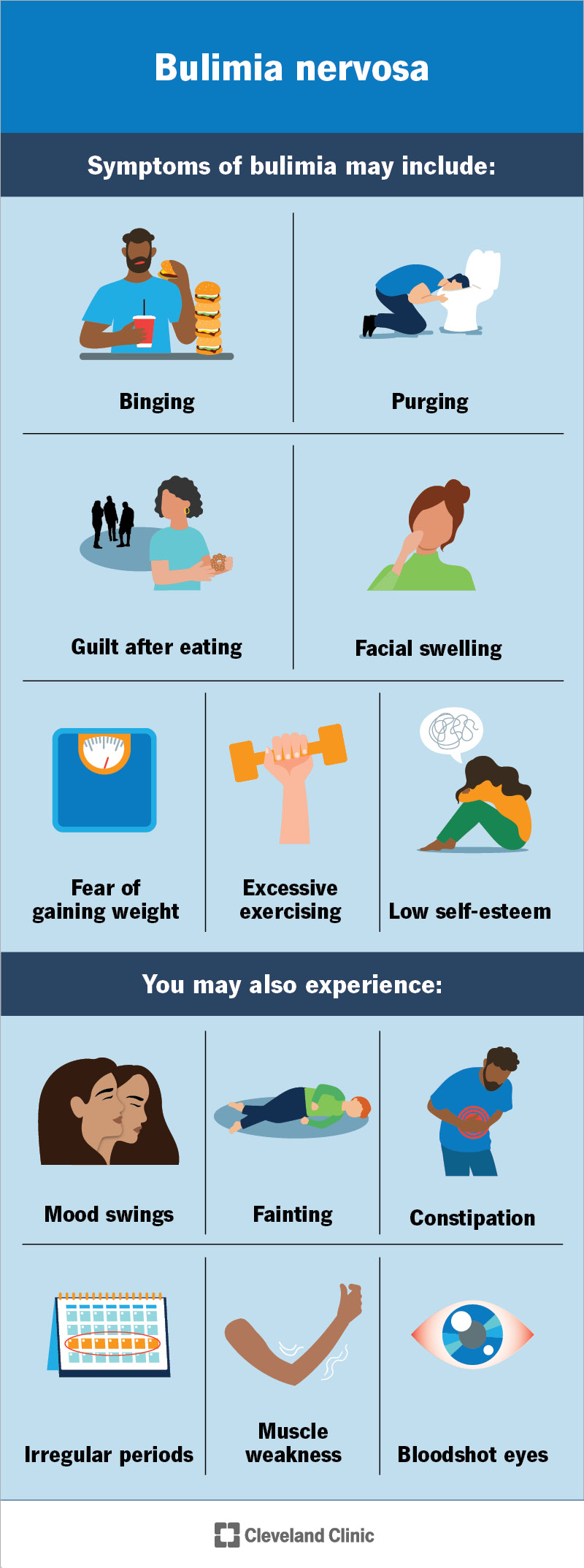
Keep an eye out for physical signs that may indicate bulimia nervosa. Frequent fluctuations in weight, evidence of binge eating (e.g., large amounts of food disappearing suddenly), and recurrent episodes of self-induced vomiting or laxative or diuretic misuse are all red flags. Physical signs such as swollen cheeks, dental erosion, scars on the back of the hand from induced vomiting, or calluses on the knuckles might also be present.
Psychological and Emotional Symptoms
Be aware of psychological and emotional symptoms associated with bulimia nervosa. This may include intense fear of gaining weight, a preoccupation with body shape and weight, mood swings, irritability, depression, or withdrawal from social activities. Individuals with bulimia nervosa may also exhibit low self-esteem, inflexible thinking patterns, and a distorted body image.
Seeking Professional Help
Recognizing the Importance of Treatment
It is crucial for individuals with bulimia nervosa to understand the importance of seeking professional help. Help them recognize that recovery is possible and that treatment can significantly improve their physical and psychological well-being. Encourage them to view seeking help as a sign of strength and courage rather than a personal failure.
Accessing Mental Health Experts
Guide individuals toward mental health experts who specialize in eating disorders. These professionals may include psychiatrists, psychologists, registered dietitians, or licensed therapists. Ensure that the chosen professionals have experience and training in treating bulimia nervosa to ensure effective and appropriate care.
Exploring Psychotherapy Options
Psychotherapy, particularly evidence-based therapies such as Cognitive-Behavioral Therapy (CBT), has been shown to be effective in treating bulimia nervosa. Encourage individuals to explore therapy options and consider working with a therapist who specializes in eating disorders. Therapy can help individuals develop healthier coping strategies, challenge negative thoughts and behaviors, and foster a positive body image.
Considering Medication as an Adjunct
In some cases, medication may be prescribed as part of the treatment plan for bulimia nervosa. Antidepressants, such as selective serotonin reuptake inhibitors (SSRIs), have shown efficacy in reducing binge-eating episodes and improving overall mood. Encourage individuals to consult with a psychiatrist or medical professional to determine if medication could be a beneficial addition to their treatment.
Preventing bulimia nervosa requires a multifaceted approach that addresses both the individual’s internal factors and external influences. By promoting a healthy body image, developing healthy eating habits, encouraging emotional well-being, educating about the dangers, improving body confidence, creating supportive environments, identifying warning signs, and seeking professional help, we can work towards minimizing the incidence of this serious eating disorder. Remember, prevention starts with understanding, compassion, and a commitment to promoting overall well-being and self-acceptance for everyone.
