
Are you or someone you know struggling with addiction? In today’s fast-paced world, it’s all too common to find ourselves caught in the grip of addiction, whether it be to drugs, alcohol, or even technology. But fret not, for there is hope! In this article, we will explore a natural remedy for addiction that offers a glimmer of light in the darkest of times. With its gentle yet powerful properties, this remedy seeks to restore balance and provide a path towards healing. So, read on and discover the possibilities that lie ahead on your journey to recovery.
Understanding Addiction
Definition of Addiction
Addiction is a complex and chronic condition characterized by the compulsive and uncontrollable use of substances or engagement in specific behaviors despite the negative consequences. It is often marked by cravings, physical dependence, and a loss of control over one’s actions. Whether it is drug addiction, alcohol addiction, or behavioral addiction, the impact on individuals and their loved ones can be devastating.
Causes and Risk Factors
The development of addiction is influenced by a combination of genetic, environmental, and psychological factors. Genetics plays a significant role, as certain individuals may be more predisposed to developing addiction due to genetic variations. Environmental factors such as exposure to drugs or a chaotic home environment can also contribute to the development of addiction. Psychological factors like stress, trauma, and mental health disorders often co-occur with addiction, making individuals more susceptible to substance abuse.
Types of Addiction
Addiction can manifest in various forms, including substance addictions and behavioral addictions. Substance addictions involve the misuse of drugs or alcohol, leading to physical and psychological dependence. Common substances of abuse include opioids, stimulants, alcohol, and benzodiazepines. On the other hand, behavioral addictions involve addictive behaviors such as gambling, gaming, internet use, shopping, or excessive exercise. These addictive behaviors can disrupt daily life and lead to negative consequences just like substance addictions.
Traditional Approaches to Addiction Treatment
Medication-Assisted Treatment
Medication-assisted treatment (MAT) is a widely recognized and effective approach to addiction treatment. It involves the use of medications, in combination with counseling and behavioral therapies, to address the physical and psychological aspects of addiction. Medications such as methadone, buprenorphine, or naltrexone are often prescribed for opioid addiction, while medications like disulfiram or acamprosate are used for alcohol addiction. MAT can help reduce cravings, alleviate withdrawal symptoms, and promote long-term recovery.
Psychotherapy and Counseling
Psychotherapy and counseling are essential components of addiction treatment. These therapeutic approaches aim to identify and address the underlying emotional, psychological, and behavioral factors contributing to addiction. Various techniques are employed, such as cognitive-behavioral therapy (CBT), dialectical behavior therapy (DBT), motivational interviewing (MI), and family therapy. By working with trained therapists, individuals can gain insight, develop coping skills, and learn healthier ways to handle triggers and cravings.
Support Groups
Support groups, such as Alcoholics Anonymous (AA) or Narcotics Anonymous (NA), provide individuals with addiction a platform to connect, share their experiences, and receive support from peers who have faced or are facing similar struggles. These groups follow a 12-step recovery program that emphasizes personal accountability, acceptance, and spirituality. Support groups foster a sense of community and can be a valuable source of ongoing support and encouragement throughout the recovery journey.
Benefits of Natural Remedies
Holistic Approach
One of the primary benefits of natural remedies for addiction is their holistic approach to healing. Unlike traditional approaches that focus solely on the physical or psychological aspects of addiction, natural remedies take into account the whole person – mind, body, and spirit. By addressing all aspects of an individual’s well-being, natural remedies encourage a balanced and comprehensive recovery.
Fewer Side Effects
Another advantage of natural remedies is the potential for fewer side effects compared to medications commonly used in addiction treatment. Natural remedies often include herbal supplements, aromatherapy, acupuncture, exercise, and nutritional therapy, which are generally safe and well-tolerated when used appropriately. This can be particularly beneficial for individuals who may have sensitivities to pharmaceutical drugs or those seeking natural alternatives.
Addressing Root Causes
Natural remedies for addiction also aim to address the root causes of addiction, rather than solely treating the symptoms. They often focus on promoting overall health and wellness, strengthening the body’s natural healing mechanisms, and addressing imbalances that may contribute to addictive behaviors. By identifying and addressing the underlying causes, natural remedies provide individuals with the tools they need to achieve sustainable recovery.
Natural Remedies for Addiction
1. Herbal Supplements
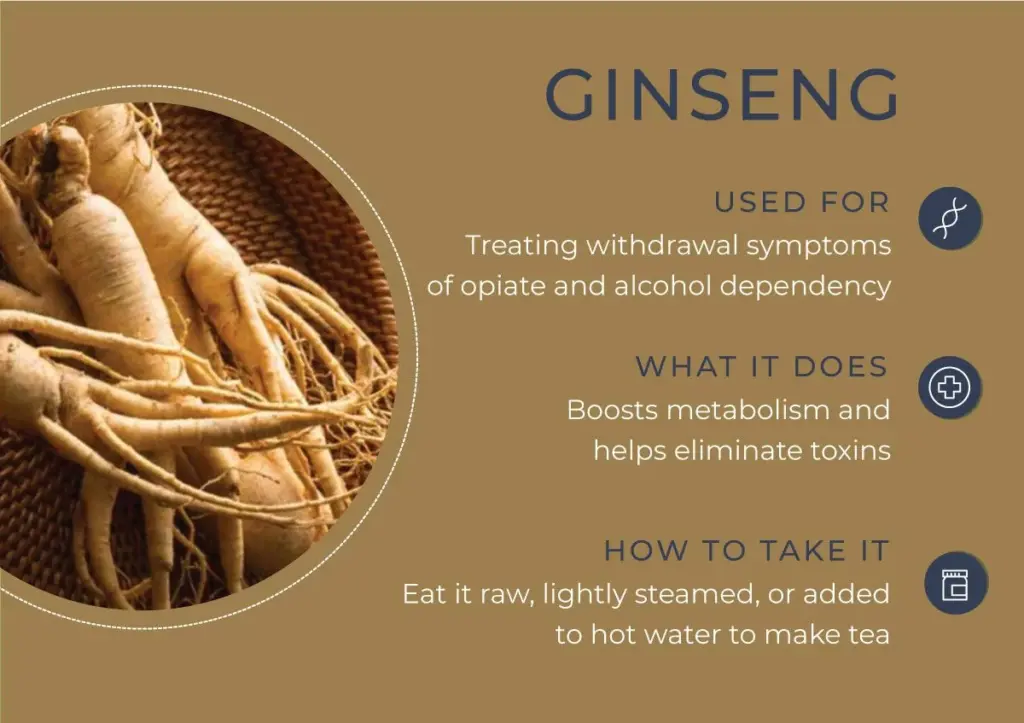
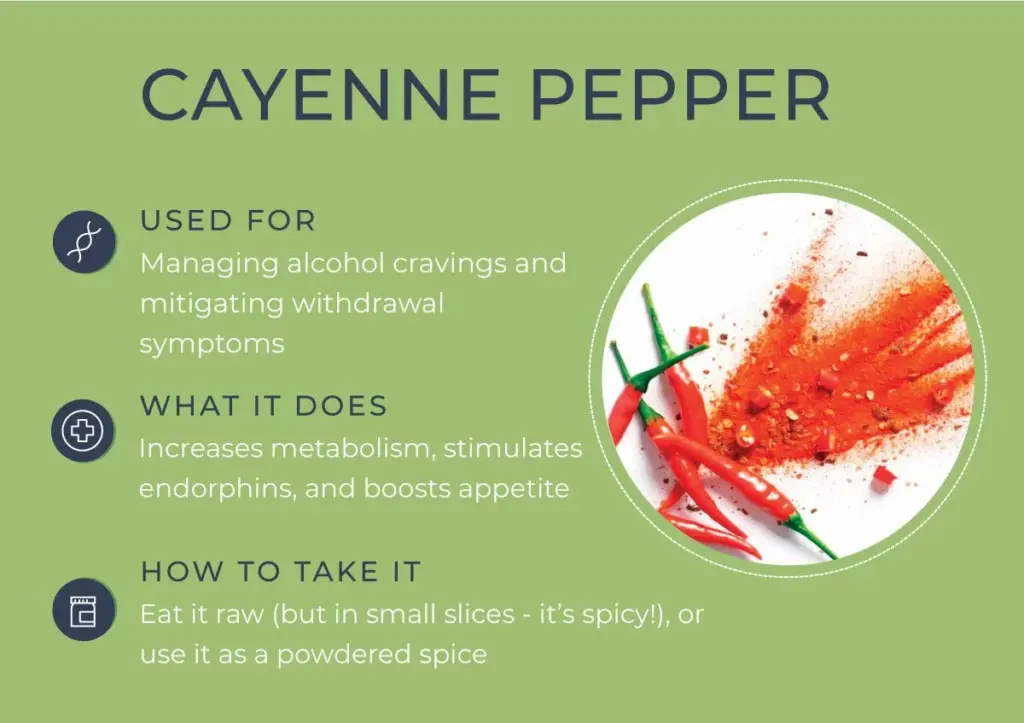
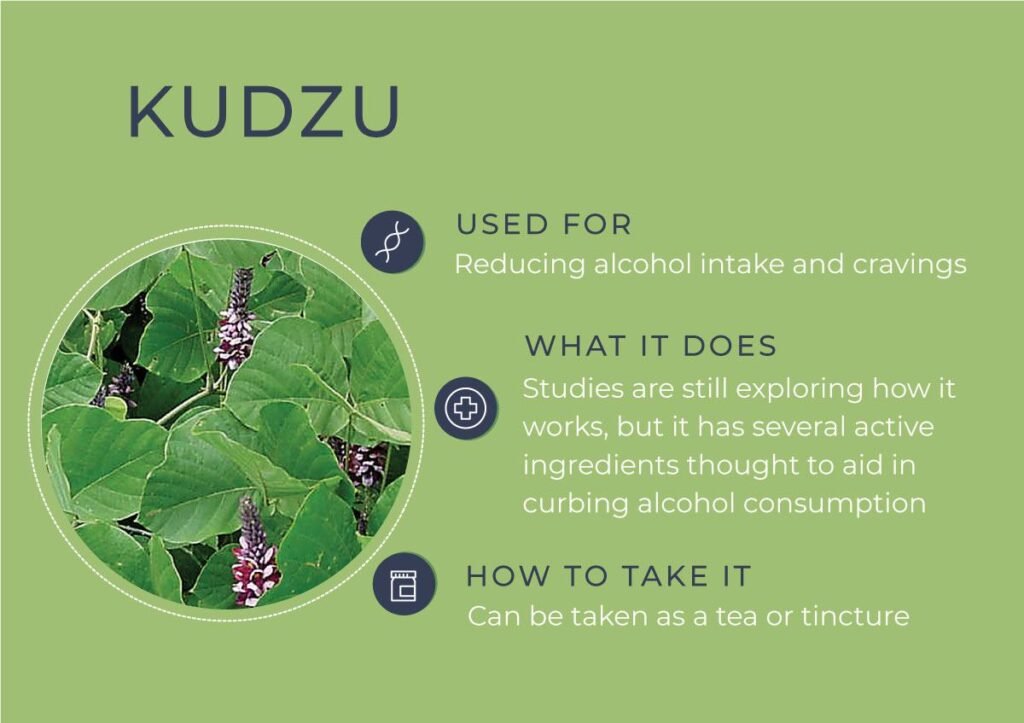
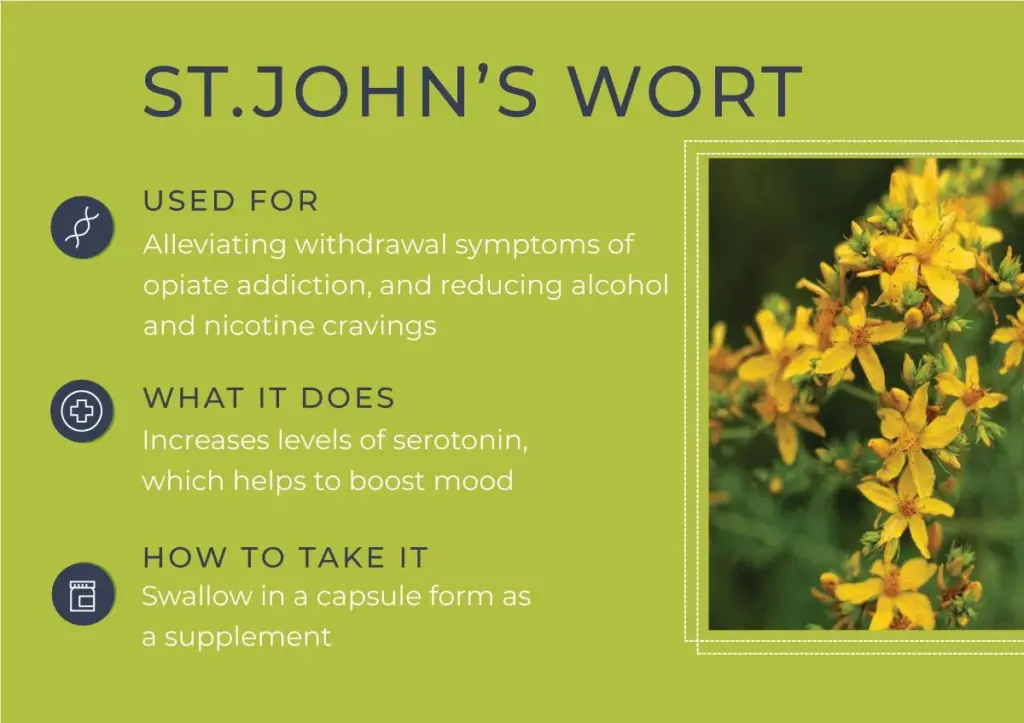
Herbal supplements have long been used in alternative medicine to support various aspects of health and well-being. In the context of addiction treatment, certain herbs may help reduce cravings, support detoxification, improve sleep quality, and alleviate anxiety or depression. Examples of herbal supplements commonly used include St. John’s Wort, kava, valerian root, and milk thistle. However, it is crucial to consult with a healthcare professional or herbalist to ensure safe and appropriate use of herbal supplements.
2. Aromatherapy
Aromatherapy involves the use of essential oils derived from plants to promote physical and emotional well-being. Certain essential oils, such as lavender, chamomile, and peppermint, have calming or invigorating properties that can support relaxation, reduce stress, and alleviate cravings. Aromatherapy can be incorporated into daily routines through diffusers, inhalers, or topical applications, providing a natural and pleasant way to manage addiction-related symptoms.
3. Acupuncture
Acupuncture, an ancient Chinese practice, involves the insertion of thin needles into specific points on the body to restore energy flow and balance. In addiction treatment, acupuncture can help reduce cravings, ease withdrawal symptoms, relieve stress, and promote overall well-being. By stimulating specific acupuncture points, this treatment modality encourages the body’s natural healing response and may help individuals recover from addiction.
4. Exercise and Physical Activity
Regular exercise and physical activity have been shown to have numerous benefits for individuals in addiction recovery. Physical activity releases endorphins, which are natural mood lifters and can help reduce cravings and improve overall well-being. Incorporating activities such as walking, jogging, yoga, or swimming into one’s daily routine can provide a healthy outlet for stress, promote self-discipline, and improve both physical and mental health.
5. Meditation and Mindfulness
Meditation and mindfulness practices offer individuals in addiction recovery the opportunity to cultivate a calm and focused state of mind. By learning to observe thoughts and emotions without judgment, individuals can develop greater self-awareness, manage cravings, and reduce stress. Meditation and mindfulness techniques can be practiced through guided meditation apps, classes, or simply by setting aside a few minutes each day for quiet reflection.
6. Yoga and Tai Chi
Yoga and tai chi are ancient practices that combine physical movements, breathing exercises, and mindfulness to promote overall well-being. These mind-body disciplines can help individuals in addiction recovery reconnect with their bodies, reduce stress, improve self-regulation, and promote relaxation. Whether through attending classes or following online tutorials, incorporating yoga or tai chi into one’s routine can have profound benefits in addiction recovery.
7. Art and Music Therapy
Art and music therapy tap into creative expression to help individuals cope with emotions, process trauma, and enhance self-awareness. Engaging in artistic activities such as drawing, painting, or playing a musical instrument can provide a cathartic outlet for emotions and contribute to personal growth. Art and music therapy programs are often offered in addiction treatment centers and provide individuals with a unique and expressive way to navigate their recovery journey.
8. Nutritional Therapy
Nutritional therapy focuses on improving an individual’s overall health and well-being by addressing nutritional imbalances and supporting the optimal functioning of the body. In addiction recovery, proper nutrition is crucial for healing the body, replenishing essential nutrients, and stabilizing mood. A qualified nutritionist or dietitian can assess an individual’s specific nutritional needs and develop a tailored plan to support their recovery.
9. Homeopathic Treatments
Homeopathy is a system of medicine developed in the 18th century that utilizes highly diluted substances to stimulate the body’s natural self-healing mechanisms. Homeopathic remedies can address physical and emotional symptoms associated with addiction, including withdrawal symptoms, anxiety, depression, and cravings. However, it is important to consult with a trained homeopathic practitioner to ensure safe and appropriate use of homeopathic treatments.
10. Equine-Assisted Therapy
Equine-assisted therapy involves interactions with horses and can be a powerful therapeutic tool in addiction recovery. Working with horses can promote self-awareness, emotional regulation, and interpersonal skills. This experiential therapy allows individuals to develop trust, build a sense of responsibility, and develop healthy coping strategies. Equine-assisted therapy is often offered in specialized treatment centers and can complement other natural and traditional approaches to addiction recovery.
Effectiveness and Considerations
Research on Natural Remedies
While natural remedies for addiction show promise, it is important to note that more research is needed to establish their efficacy and safety. Limited scientific studies have been conducted on specific natural remedies, and results may vary depending on the individual and the specific addiction being addressed. It is advisable to consult healthcare professionals or addiction specialists for evidence-based guidance on incorporating natural remedies into one’s recovery plan.
Potential Interactions and Risks
Natural remedies, like any other treatments, may interact with other medications or have contraindications for certain medical conditions. Some herbal supplements or homeopathic remedies may have potential side effects or allergic reactions. It is crucial to inform healthcare professionals and practitioners about any existing medical conditions, medications, or ongoing treatments to ensure the safe and appropriate use of natural remedies.
Individualized Treatment Plans
Every individual’s journey to recovery is unique, and the same applies to incorporating natural remedies into addiction treatment. A personalized treatment plan, tailored to an individual’s specific needs, is essential. This may involve a combination of natural remedies, traditional approaches, and ongoing assessments to ensure optimal outcomes. Working closely with medical and addiction specialists can provide guidance and support in developing an individualized treatment plan.
Combining Natural Remedies with Traditional Approaches
Natural remedies can work synergistically with traditional approaches to addiction treatment. Rather than viewing natural remedies as standalone alternatives, they can be integrated into a comprehensive treatment plan that includes medication-assisted treatment, psychotherapy, counseling, and support groups. Combining natural remedies and traditional approaches allows for a holistic and personalized approach to addiction recovery.
Integration of Natural Remedies into Addiction Recovery
Holistic Treatment Centers
Holistic treatment centers are facilities that prioritize a comprehensive approach to addiction recovery, incorporating natural remedies, traditional therapies, and supportive services. These centers provide an environment conducive to healing and offer a range of natural remedies, such as herbal supplements, acupuncture, yoga, and nutritional therapy. Holistic treatment centers often employ multidisciplinary teams of healthcare professionals who specialize in various natural remedies and traditional approaches.
Outpatient Services
Many natural remedies can be incorporated into outpatient addiction treatment programs. Outpatient services allow individuals to receive treatment while maintaining their everyday responsibilities and support systems. Outpatient programs may include counseling and therapy sessions where natural remedies such as meditation, acupuncture, or nutritional counseling can be integrated into the treatment plan. Outpatient services provide flexibility and ongoing support for individuals seeking a natural approach to addiction recovery.
Self-Care Practices
Self-care practices are essential in addiction recovery and can encompass various natural remedies. Engaging in activities that promote physical, emotional, and mental well-being, such as exercise, meditation, or aromatherapy, can help individuals manage stress, reduce cravings, and improve overall self-care. Incorporating these self-care practices into daily routines can provide individuals with the necessary tools to support their recovery journey.
Support from Healthcare Professionals
While exploring natural remedies for addiction, it is crucial to seek support and guidance from healthcare professionals with expertise in addiction treatment and natural therapies. Consulting with addiction specialists, naturopathic doctors, herbalists, or other qualified practitioners can ensure the safe and effective incorporation of natural remedies into the recovery process. These professionals can provide valuable insights, personalized recommendations, and ongoing support throughout the journey of addiction recovery.
Importance of Professional Guidance
Consulting with Medical Experts
When considering natural remedies for addiction, it is essential to consult with medical experts to ensure safe and appropriate usage. Healthcare professionals, such as addiction specialists, integrative medicine doctors, or pharmacists, can provide expert advice on the potential benefits and risks of natural remedies. They can also assess an individual’s medical history, current medications, and individual needs to guide them toward effective and personalized treatment approaches.
Finding Qualified Practitioners
Finding qualified practitioners who specialize in natural remedies for addiction is crucial for optimal outcomes. These may include licensed acupuncturists, herbalists, homeopaths, nutritionists, or practitioners of other natural modalities. Seeking practitioners with appropriate credentials, experience, and a comprehensive understanding of addiction and natural remedies can ensure the highest level of care and support throughout the recovery process.
Monitoring Progress and Adjusting Treatments
Regular monitoring and assessment of an individual’s progress are essential when incorporating natural remedies into addiction recovery. This can be done through ongoing check-ins with healthcare professionals or practitioners. By closely monitoring an individual’s response to natural remedies, adjustments can be made to the treatment plan, ensuring that the chosen natural remedies are effective, safe, and aligned with the individual’s recovery goals.
Personalizing the Natural Remedy Approach
Identifying Individual Needs
Personalization is key when incorporating natural remedies into addiction recovery. Each individual’s needs, preferences, and circumstances must be taken into account. This involves a thorough assessment of an individual’s addiction history, current mental and physical health, and any other factors that may influence the choice and effectiveness of natural remedies. By identifying an individual’s unique needs, a more tailored and effective natural remedy approach can be developed.
Combining Multiple Natural Remedies
Natural remedies for addiction often work best when combined, addressing multiple aspects of an individual’s well-being. Combining several natural remedies, such as herbal supplements, meditation, and exercise, can have a synergistic effect, providing a comprehensive approach to recovery. However, it is essential to consult with healthcare professionals or practitioners to ensure safe combinations and avoid potential interactions between natural remedies.
Developing a Comprehensive Recovery Plan
Incorporating natural remedies into addiction recovery requires developing a comprehensive recovery plan that integrates natural remedies with traditional approaches. This plan should be individualized, taking into account an individual’s unique needs, treatment goals, and available resources. A comprehensive recovery plan encompasses various natural remedies, traditional therapies, support systems, and ongoing evaluations to ensure progress and long-term success.
Building a Supportive Environment
Involving Loved Ones
Building a supportive environment greatly contributes to the success of addiction recovery. Involving loved ones, such as family members, close friends, or support groups, can provide individuals with encouragement, understanding, and accountability. Loved ones can participate in therapy sessions, attend support group meetings, and actively participate in the recovery process alongside the individual. This support network can help reduce relapse rates and promote overall well-being.
Creating a Sober Living Space
Having a sober living space is essential for individuals in addiction recovery. Creating an environment free from triggers and substances can support the recovery journey. Removing any paraphernalia or reminders of substance use, enhancing cleanliness and organization, and infusing the space with positive energy can contribute to a healthy and supportive living environment. A sober living space acts as a sanctuary, promoting relaxation, self-reflection, and personal growth.
Establishing Healthy Habits
Incorporating healthy habits into daily routines is crucial for maintaining recovery long-term. This includes establishing regular sleep patterns, practicing good nutrition, engaging in regular exercise, and managing stress effectively. By cultivating healthy habits, individuals can build a solid foundation for sustainable recovery and improve their overall physical and mental health.
Seeking Peer Support
Peer support can play a vital role in addiction recovery. Joining support groups, participating in group therapy sessions, or connecting with others who have faced or are facing similar struggles can provide a sense of belonging and understanding. Peer support offers a safe space to share experiences, gain insights, and receive non-judgmental support from those who have walked a similar path. Seeking peer support can contribute to a strong support system during the recovery process.
The use of natural remedies in addiction recovery offers individuals a comprehensive and holistic approach to healing. By addressing the physical, emotional, and spiritual aspects of addiction, natural remedies can support long-term recovery and overall well-being. While the efficacy and safety of natural remedies require further research, the potential benefits, such as fewer side effects, addressing root causes, and personalizing treatment plans, make them a valuable addition to addiction treatment. By integrating natural remedies with traditional approaches, consulting with medical experts, and developing personalized recovery plans, individuals can embark on a transformative journey toward lasting recovery. With the right support, guidance, and self-care, individuals can overcome addiction and embrace a healthier, more fulfilling life.

Related Terms About Natural Remedy For Addiction
Best Natural Remedies For Alcohol Addiction, Best Natural Treatment For Alcohol Addiction, Herbal Remedies For Sugar Addiction, Herbal Remedy For Alcohol Addiction, Home Remedy For Stopping Alcohol Addiction, Home Remedy For Weed Addiction, Natural Addiction Treatment, Natural Healing For Alcohol Addiction, Natural Herbs For Addiction, Natural Remedies For Addiction, Natural Remedies For Alcohol Addiction