
Have you ever experienced those pesky black dots or lightning-like flashes that seem to float across your vision? They can be quite bothersome and affect your daily life. But fret not, because there is a natural remedy for these eye floaters and eye flashes that may just be the solution you’ve been searching for. In this article, we will explore an effective method to alleviate these annoying visual disturbances and help you regain clear, uninterrupted vision. So say goodbye to those distracting spots and flashes, and let’s dive into the world of natural remedies for eye floaters and eye flashes.
Understanding Eye Floaters and Eye Flashes
Eye floaters and eye flashes are common visual disturbances that many people experience at some point in their lives. While they are generally not harmful, understanding these conditions can help alleviate any concerns you may have and provide insight into potential causes and remedies.
What are eye floaters?
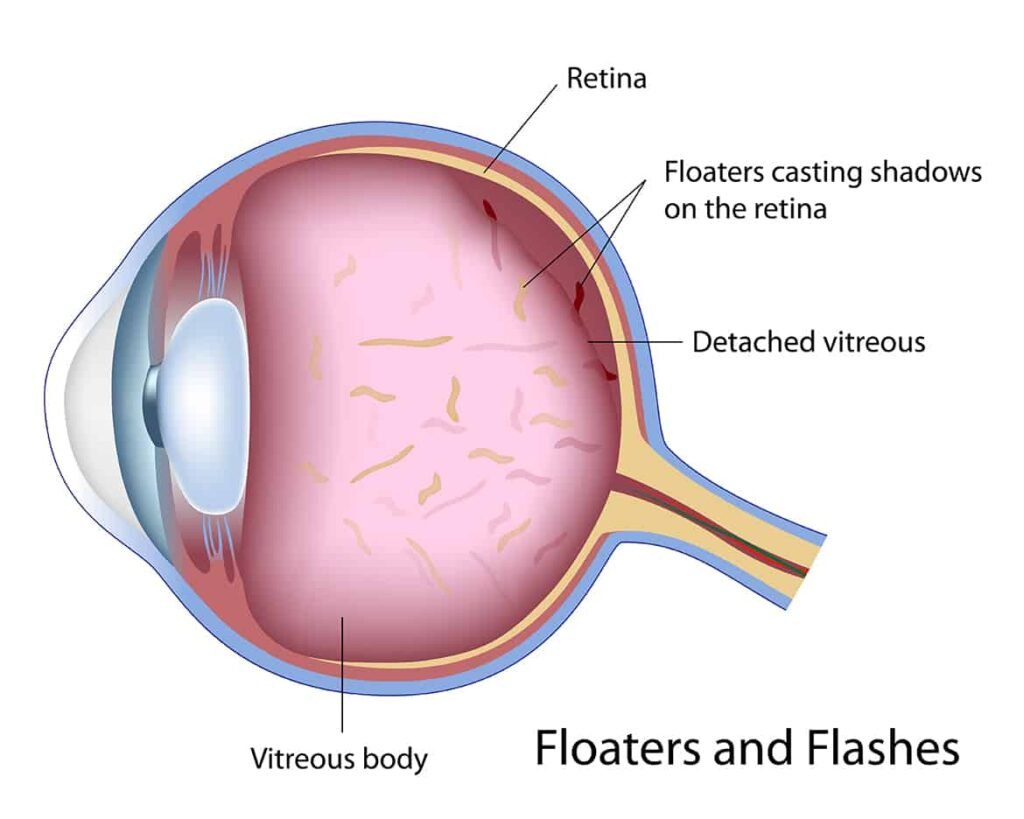
Eye floaters are tiny specks or spots that appear in your field of vision. They can vary in size, shape, and transparency and may look like small dots, lines, or cobwebs drifting across your visual field. These floaters are actually tiny particles or clumps of gel-like substance called vitreous, which fill the center of your eye. When this gel-like substance shrinks and becomes more liquid with age, it can cast shadows on your retina, leading to the perception of floaters.
What are eye flashes?
Eye flashes, also known as photopsia, are brief bursts of light or flashes that occur within your visual field. These flashes can appear as streaks, sparks, or lightning bolts and are typically quick and fleeting. Unlike floaters, which are caused by physical particles in the eye, eye flashes are caused by the stimulation of the retina or the optic nerve. Common triggers for eye flashes include sudden eye movement, changes in blood flow, or pressure on the retina.
Causes of eye floaters and eye flashes
Eye floaters are often a normal part of the aging process and become more common as you get older. However, there are other factors that can contribute to the development of eye floaters and eye flashes. Some common causes include:
- Posterior vitreous detachment: This occurs when the vitreous gel in the eye shrinks and separates from the back of the eye, leading to the appearance of floaters.
- Eye injuries: Trauma or injury to the eye can cause the release of blood or foreign particles into the vitreous humor, resulting in floaters or flashes.
- Retinal detachment or tear: If the retina becomes detached or torn, it can lead to the perception of floaters or flashes.
- Eye infections or inflammation: Conditions such as uveitis or eye infections can cause floaters and flashes as a result of inflammation in the eye.
- Medical conditions: Certain medical conditions, such as diabetes or high blood pressure, can increase the risk of developing eye floaters and flashes.
Symptoms and Diagnosis
Recognizing the symptoms of eye floaters and eye flashes is important for the proper diagnosis and management of these conditions.
Symptoms of eye floaters
Eye floaters often appear as small specks or strands that float across your visual field. They may become more noticeable when looking at a bright background, such as a blue sky or a white wall. While most floaters are harmless, they can be bothersome and interfere with your vision, especially if they become more numerous or increase in size.
Symptoms of eye flashes
Eye flashes are typically described as brief flickers or bursts of light in the periphery of your vision. They are often more noticeable in dim lighting conditions or when you close your eyes. Although eye flashes are generally harmless, it is important to pay attention to any sudden increase in frequency or intensity, as it may indicate an underlying issue.
Diagnosing eye floaters and eye flashes
If you experience persistent or concerning symptoms of eye floaters or eye flashes, it is recommended to seek a comprehensive eye examination. An eye care professional will evaluate your symptoms, examine your eyes, and perform additional tests if necessary. These tests may include a visual acuity test, dilated eye exam, and imaging tests such as an optical coherence tomography (OCT) scan to assess the retina and vitreous.
Prevention and Lifestyle Changes
While it may not be possible to completely prevent the development of eye floaters and eye flashes, there are steps you can take to reduce your risk and promote overall eye health.
Maintaining a healthy lifestyle
Adopting a healthy lifestyle can have a positive impact on the health of your eyes. Eat a balanced diet rich in fruits, vegetables, and omega-3 fatty acids, and stay hydrated to ensure good eye hydration. Regular exercise can also improve blood circulation to the eyes and help maintain optimal eye health.
Protecting your eyes from trauma
Taking precautions to protect your eyes from injury can reduce the risk of developing eye floaters and flashes. Wear protective eyewear when engaging in activities that pose a risk of eye injury, such as sports or working with tools and chemicals.
Avoiding excessive screen time
Spending long hours in front of digital screens can strain your eyes and contribute to eye fatigue. To minimize the risk of eye floaters and eye flashes, take regular breaks from screen time, practice the 20-20-20 rule (look away from the screen every 20 minutes and focus on an object 20 feet away for 20 seconds), and adjust screen settings to reduce glare.
Using proper lighting
Proper lighting can significantly reduce eye strain and minimize the appearance of eye floaters and flashes. Ensure adequate lighting when reading or working on tasks that require focused visual attention. Avoid reading or using screens in dim lighting conditions, as this can increase eye strain and exacerbate symptoms.
Practicing good eye hygiene
Maintaining good eye hygiene is essential for preventing eye infections and inflammation that can contribute to the development of eye floaters and flashes. Avoid touching or rubbing your eyes with dirty hands, regularly clean and replace contact lenses as recommended, and follow proper eye care practices, such as removing eye makeup before sleeping.
Natural Remedies for Eye Floaters
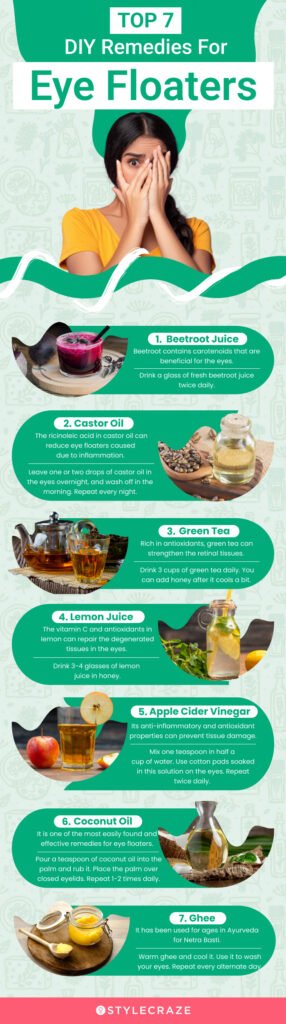
While there is no definitive cure for eye floaters, there are natural remedies that may help alleviate symptoms and improve overall eye health. Here are ten natural remedies to consider:
1. Healthy Diet and Hydration
Eating a nutrient-rich diet that includes fruits and vegetables can support eye health and reduce the risk of eye floaters. Include foods rich in antioxidants, such as leafy greens, citrus fruits, and berries, as well as foods high in omega-3 fatty acids, such as fish or chia seeds. Additionally, staying hydrated by drinking an adequate amount of water can help maintain the hydration of your eyes.
2. Bilberry Extract
Bilberry extract, derived from the bilberry fruit, has antioxidant and anti-inflammatory properties that may be beneficial for eye health. It is believed to improve blood circulation to the eyes and protect the retina. Consult with a healthcare professional for appropriate dosage and usage guidelines.
3. Gingko Biloba
Gingko Biloba is an herb known for its potential benefits in promoting healthy blood flow, including to the eyes. It may help reduce the risk of eye floaters by improving blood circulation in the retina. As with any supplement, consult with a healthcare professional before starting ginkgo biloba.
4. Milk Thistle
Milk thistle is a herb that has been used traditionally for various health conditions, including supporting liver function. It is believed that a healthy liver can help improve eye health and reduce the appearance of eye floaters. However, scientific evidence supporting this claim is limited, so further research is needed.
5. Omega-3 Fatty Acids
Omega-3 fatty acids, found in fish, flaxseed, and walnuts, have been shown to have anti-inflammatory properties and may help reduce inflammation in the eyes. Including these foods in your diet or taking omega-3 supplements may help support overall eye health.
6. Antioxidant-rich Foods
Antioxidant-rich foods, such as green tea, dark chocolate, and tomatoes, may help protect the eyes from oxidative stress and damage. Consuming these foods as part of a balanced diet can contribute to maintaining healthy eyes.
7. Exercise and Eye Movements
Regular exercise and eye movements can promote blood circulation and help maintain optimal eye health. Engaging in eye exercises, such as focusing on various distances or shifting your gaze from one point to another, may help reduce the perception of eye floaters.
8. Stress Reduction Techniques
Stress can contribute to eye strain and exacerbate the symptoms of eye floaters. Incorporating stress reduction techniques, such as meditation, deep breathing exercises, or yoga, into your daily routine may help alleviate stress and minimize the impact on your eyes.
9. Adequate Sleep
Getting enough sleep is crucial for overall health and well-being, including good eye health. Aim for a consistent sleep schedule and ensure you are getting the recommended amount of quality sleep each night to help reduce eye strain and support optimal eye health.
10. Homeopathic Remedies
Some individuals find relief from eye floaters with the use of homeopathic remedies. Consult with a qualified homeopathic practitioner to determine the appropriate remedy and dosage for your specific symptoms.
Natural Remedies for Eye Flashes
Eye flashes can also be managed with natural remedies and lifestyle changes. Here are ten natural remedies to consider:
1. Managing Blood Sugar Levels
Maintaining stable blood sugar levels is important for overall eye health. If you have diabetes or prediabetes, work with your healthcare provider to manage your blood sugar levels through diet, exercise, and medication if necessary.
2. Vitamin C and Antioxidants
Vitamin C and other antioxidants have been shown to have a protective effect on the eyes. Consuming foods high in vitamin C, such as citrus fruits, bell peppers, and strawberries, may help reduce the risk of eye flashes and support overall eye health.
3. Vitamin E
Vitamin E is another antioxidant that may help protect the eyes from oxidative stress. Including foods rich in vitamin E, such as nuts, seeds, and vegetable oils, in your diet may contribute to maintaining healthy eyes.
4. Flaxseed Oil
Flaxseed oil contains omega-3 fatty acids, which have anti-inflammatory properties and can help reduce inflammation in the eyes. Taking flaxseed oil supplements or including flaxseed in your diet may provide benefits for eye health.
5. Reduce Stress and Anxiety
Stress and anxiety can contribute to the occurrence of eye flashes. Practicing stress reduction techniques, such as mindfulness, deep breathing, or engaging in relaxing activities, may help manage stress and minimize the frequency of eye flashes.
6. Acupuncture
Some people find relief from eye flashes through acupuncture treatments. Acupuncture, a traditional Chinese medicine practice, involves the insertion of thin needles into specific points in the body to promote balance and healing. Consult with a qualified acupuncturist for appropriate treatment.
7. Eye Massage
Gentle eye massages can help improve blood circulation and alleviate eye strain, potentially reducing the occurrence of eye flashes. Consult with an eye care professional or do research to learn proper eye massage techniques to avoid causing harm or discomfort to your eyes.
8. Cold Compress
Applying a cold compress to your closed eyes can help soothe irritated eyes and reduce eye flashes. Use a clean, soft cloth or a cold eye mask and apply gently to your closed eyelids for a few minutes at a time.
9. Aloe Vera Gel
Aloe vera gel has soothing and cooling properties that may help reduce eye inflammation and provide relief from eye flashes. Apply a small amount of pure aloe vera gel around your eyes, avoiding contact with the eyes themselves. Make sure to use a high-quality, pure aloe vera gel.
10. Regular Eye Exams
Regular eye exams are essential for maintaining good eye health and detecting any underlying issues that may contribute to the occurrence of eye flashes. Your eye care professional can monitor your eyes and provide appropriate guidance and treatment options.
When to Seek Medical Help
While most cases of eye floaters and eye flashes are harmless, there are situations where medical attention is necessary. It is important to seek medical help if you experience any of the following:
Persistent or worsening eye floaters
If you notice a sudden increase in the number of eye floaters or if they significantly impact your vision, it is important to consult with an eye care professional. This may indicate a more serious underlying condition, such as a retinal tear or detachment, which requires prompt medical attention.
A sudden increase in eye flashes
Eye flashes that suddenly increase in frequency or intensity, especially if accompanied by other visual disturbances or changes, should be evaluated by an eye care professional. This may indicate an issue with the retina or optic nerve that requires further investigation.
Other concerning symptoms
If you experience any other concerning symptoms, such as loss of vision, eye pain, or redness, it is important to seek immediate medical attention. These symptoms may indicate a more serious underlying problem and should not be ignored.
Importance of regular eye check-ups
Even if you do not experience any significant symptoms, regular eye check-ups are crucial for maintaining good eye health. Your eye care professional can monitor your eyes for any changes, provide appropriate guidance, and detect any potential issues early on.
Conclusion
Understanding eye floaters and eye flashes can alleviate concerns and help you manage these common visual disturbances. While natural remedies and lifestyle changes may provide relief, it is important to consult with an eye care professional for proper diagnosis and guidance. By adopting a healthy lifestyle, practicing good eye hygiene, and seeking medical attention when necessary, you can promote optimal eye health and minimize the impact of eye floaters and eye flashes on your vision.
Related Terms About Natural Remedy For Eye Floaters-Eye Flashes
Home Remedies For Eye Floaters And Flashes, How To Reduce Eye Floaters And Flashes, How To Treat Eye Floaters And Flashes Naturally, Natural Cure For Eye Floaters And Flashes, Natural Remedies For Eye Flashes, Natural Remedies For Eye Floaters And Flashes