
You’ve probably experienced those pesky little specks or cobweb-like strands that seem to float across your vision from time to time. They’re called eye floaters, and while they may be harmless, they can certainly be annoying. In this article, we’ll explore some helpful tips and remedies to deal with eye floaters, as well as discuss the occasional companion known as eye flashes. So, if you’re tired of these unwelcome visitors obstructing your vision, read on for some practical advice to keep your eyes clear and comfortable.
Causes of Eye Floaters
Natural aging process
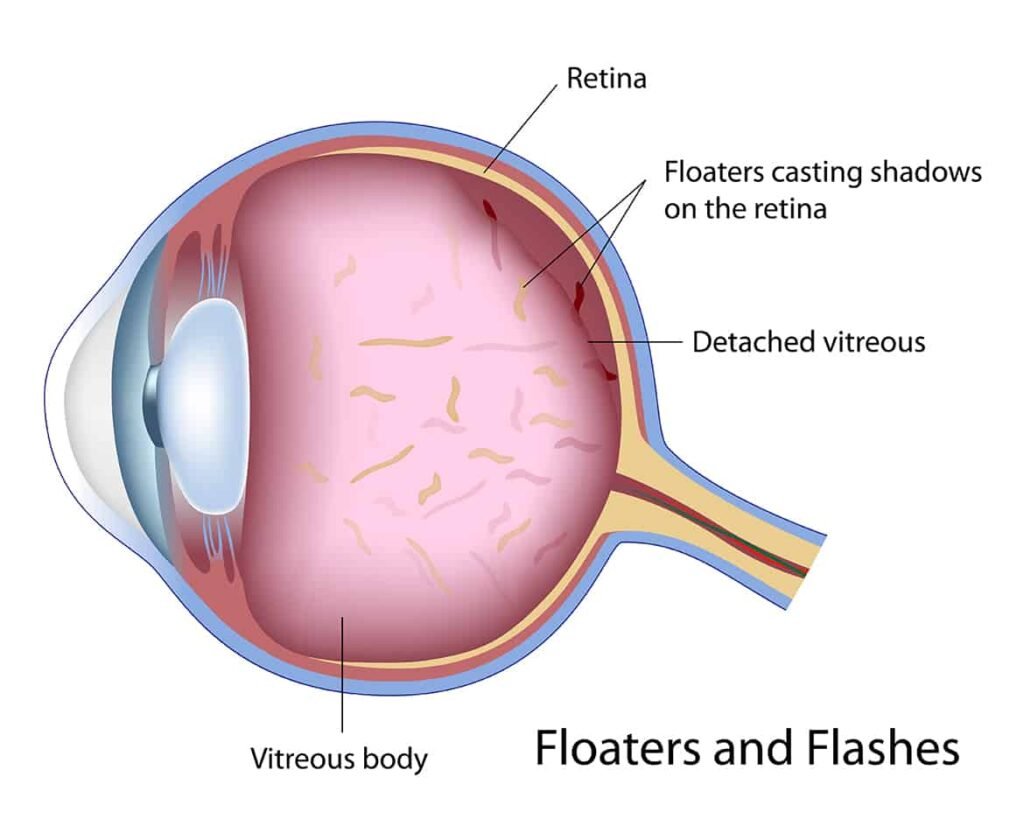
As you age, the gel-like substance in your eyes called the vitreous begins to shrink and become more liquid. This can cause the formation of tiny clumps within the vitreous, which cast shadows on the retina and appear as floaters in your vision. This is a natural and common part of the aging process.
Posterior vitreous detachment
Posterior vitreous detachment occurs when the vitreous separates from the retina. This process is also more likely to occur with age and can lead to the development of floaters as the vitreous pulls away from the retina.
Eye injuries or trauma
Eye injuries or trauma, such as being hit in the eye or experiencing a blow to the head, can cause floaters to occur. This is because the impact can disrupt the vitreous and cause it to release clumps of collagen or blood cells into the eye, resulting in floaters.
Eye surgeries
Certain eye surgeries, particularly those that involve removing or replacing the vitreous humor, can lead to the development of floaters. This is because the surgery can cause changes in the structure of the vitreous, leading to the formation of floaters.
Diabetic retinopathy
Diabetic retinopathy is a complication of diabetes that affects the blood vessels in the retina. As the blood vessels become damaged, they can leak blood into the vitreous, resulting in the development of floaters.
Retinal detachment
Retinal detachment occurs when the retina becomes separated from the underlying tissue. This can be a serious condition that requires immediate medical attention. Floaters can occur as a result of the detachment, caused by the movement of the vitreous in the eye.
Inflammation in the eye
Inflammation in the eye, such as uveitis or posterior uveitis, can lead to the development of floaters. This inflammation can cause debris or cells to enter the vitreous, resulting in the appearance of floaters in your vision.
Eye tumors or cysts
Rarely, eye tumors or cysts can lead to the development of floaters. Tumors or cysts can cast shadows on the retina, causing floaters to appear in your vision.
Symptoms
Spots or specks in your vision
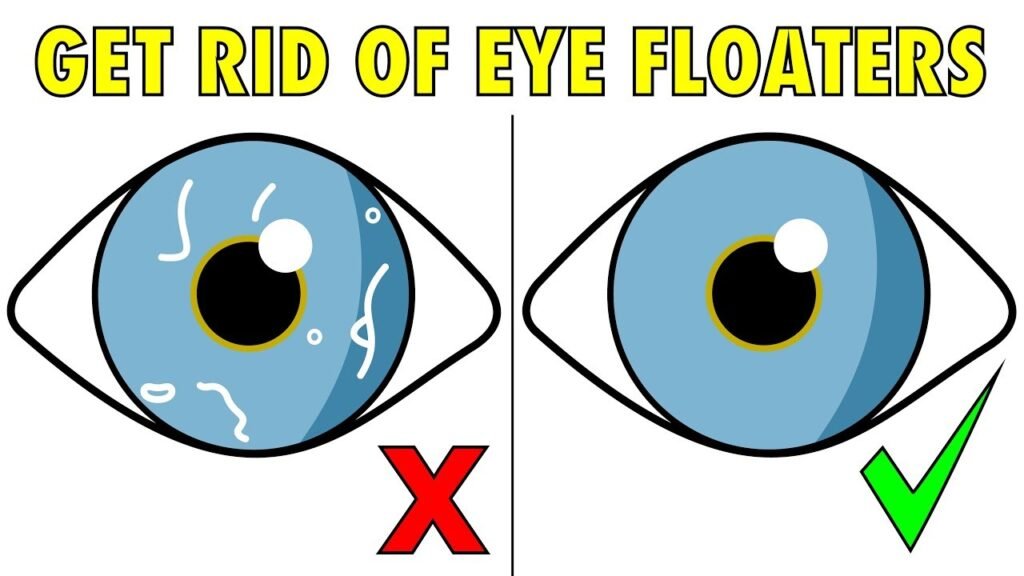
One of the most common symptoms of eye floaters is the presence of spots or specks in your vision. These spots may appear as small dots, cobwebs, or dark threads floating across your field of vision.
Floaters that move as your eyes move
Floaters are typically mobile and move as your eyes move. They may float across your field of vision, only to eventually settle in one spot before moving again.
Shadowy shapes floating in your peripheral vision
Floaters can also appear as shadowy shapes floating in your peripheral vision. These shapes may seem to dart away when you try to focus on them directly.
Flashes of light
In some cases, along with the floaters, you may also experience flashes of light. These flashes can appear as brief streaks or bursts of light in your vision and are often accompanied by floaters.
When to See a Doctor
Sudden increase in floaters
If you experience a sudden increase in the number or severity of floaters in your vision, it’s important to see a doctor. This could be a sign of a more serious condition, such as a retinal tear or detachment.
Flashes of light
Flashes of light, especially if they are persistent or accompanied by other symptoms, should prompt a visit to the doctor. This could indicate a problem with the retina that requires immediate attention.
Loss of peripheral vision
A sudden loss of peripheral vision can be a sign of a serious condition, such as a retinal tear or detachment. If you notice this symptom, it’s important to seek medical help right away.
Curtain-like shadow over your visual field
If you experience a curtain-like shadow over your visual field that obstructs your vision, it could be a sign of a retinal tear or detachment. This is a medical emergency and requires immediate attention.
Eye pain or redness
Eye pain or redness could be a sign of inflammation or infection in the eye, which may be related to the floaters. It’s important to have this evaluated by a doctor to determine the cause and appropriate treatment.
Seeing a dark spot in the center of your vision
If you notice a dark spot or a significant decrease in vision in the center of your field of view, it could be a symptom of a serious condition, such as a macular hole. Prompt medical attention is necessary.
Diagnosis
Eye examination and medical history
When you visit a doctor for an evaluation of your floaters, they will likely perform a comprehensive eye examination. This will include an assessment of your visual acuity, a measurement of the pressure inside your eyes, and an examination of the structures of your eyes using specialized instruments.
Pupil dilation
To get a better view of the back of your eye, your doctor may use eye drops to dilate your pupils. This will allow them to examine the retina and vitreous more thoroughly.
Ultrasound of the eye
In some cases, your doctor may use ultrasound imaging to evaluate the structures of your eye. This can help determine if there are any abnormalities or conditions, such as retinal detachment or tumors, that may be causing your floaters.
Fluorescein angiography
Fluorescein angiography is a procedure that involves injecting a dye into your arm and taking photographs as the dye circulates through the blood vessels in your eye. This can help identify any abnormalities in the blood vessels that may be contributing to your floaters.
Optical coherence tomography
Optical coherence tomography is a non-invasive imaging test that uses light waves to create detailed images of the structures in your eyes. This can provide your doctor with valuable information about the retina and vitreous and help in diagnosing any underlying conditions.
Prevention
Protect your eyes from injury
To reduce the risk of eye injuries that can lead to floaters, it’s important to wear appropriate eye protection when engaging in activities that pose a risk, such as playing sports, working with power tools, or participating in high-impact activities.
Manage underlying health conditions
If you have underlying health conditions, such as diabetes or high blood pressure, it’s important to manage them effectively. This can help reduce the risk of developing conditions, like diabetic retinopathy, that can contribute to the development of floaters.
Control blood sugar levels
If you have diabetes, it’s crucial to keep your blood sugar levels under control. Uncontrolled diabetes can lead to complications, including diabetic retinopathy, which can cause the development of floaters.
Avoid smoking and excessive alcohol consumption
Smoking and excessive alcohol consumption can increase the risk of eye problems and contribute to the development of floaters. Quitting smoking and moderating alcohol intake can help protect your eyes.
Follow a healthy diet rich in antioxidants
A diet rich in antioxidants, obtained from fruits and vegetables, can help protect your eyes from damage caused by oxidative stress. Including foods like dark leafy greens, berries, and citrus fruits in your diet may be beneficial.
Wear protective eyewear
When engaging in activities that put your eyes at risk, such as playing sports or working in an environment with airborne particles, it’s important to wear protective eyewear. This can help prevent eye injuries that may lead to the development of floaters.
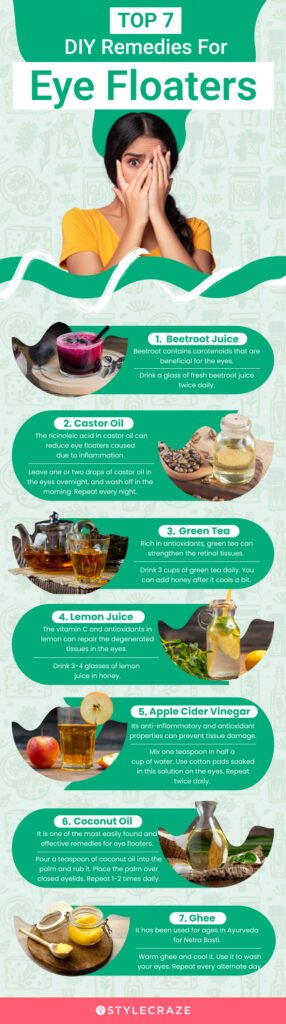
Natural Remedies
Eye exercises
Some individuals find that certain eye exercises can help reduce the perception of floaters. These exercises typically involve movement of the eyes in different directions, and they may help to disperse the floaters temporarily.
Sunflower lecithin
Sunflower lecithin is a natural supplement that may help to break down the floaters and improve their appearance. It is believed to work by enhancing the metabolism of lipids in the body.
Vitamin C
Vitamin C is an antioxidant that is important for eye health. It helps to strengthen the blood vessels in the eyes and may help reduce the appearance of floaters. Including foods rich in vitamin C, such as citrus fruits and bell peppers, in your diet may be beneficial.
Bilberry extract
Bilberry extract is a natural supplement that contains compounds called anthocyanins, which have antioxidant properties. These compounds may help to improve overall eye health and reduce the appearance of floaters.
Ginkgo biloba
Ginkgo biloba is an herb that is believed to improve blood flow to the eyes and promote eye health. Some individuals find that taking ginkgo biloba supplements can help reduce the appearance of floaters.
Omega-3 fatty acids
Omega-3 fatty acids, found in fatty fish like salmon and sardines, have been shown to have anti-inflammatory properties and may help reduce inflammation in the eyes. Including omega-3-rich foods in your diet or taking fish oil supplements may be beneficial.
Adequate hydration
Staying hydrated is important for overall eye health. Drinking enough water can help prevent dehydration, which can contribute to dry eyes and increase the perception of floaters.
Reduce eye strain
Eye strain can worsen the perception of floaters. Taking regular breaks from activities that require intense focus, such as reading or working on a computer, can help reduce eye strain and alleviate symptoms.
Healthy sleep habits
Getting adequate sleep is crucial for maintaining overall eye health. Poor sleep can lead to dry eyes and increased eye strain, which can worsen the appearance of floaters. Establishing a regular sleep schedule and practicing good sleep hygiene can help promote healthy eyes.
Stress reduction techniques
Stress can contribute to eye strain and worsen symptoms of floaters. Engaging in stress reduction techniques, such as meditation, deep breathing exercises, or yoga, can help promote relaxation and reduce the perception of floaters.

Medical Treatments
Vitrectomy
A vitrectomy is a surgical procedure that involves removing the vitreous gel from the eye and replacing it with a clear saline solution. This can be an effective treatment for severe floaters that significantly impact vision.
Laser therapy
Laser therapy involves using a laser to break up large floaters into smaller pieces, making them less noticeable. This is a non-invasive procedure that can be performed in an outpatient setting.
Cryotherapy
Cryotherapy involves freezing the vitreous to break up large floaters. This procedure is typically done in combination with laser therapy and may be used for certain types of floaters that are difficult to treat with other methods.
Intravitreal injections
In some cases, intravitreal injections of medication may be used to treat certain underlying conditions that are contributing to the development of floaters. These injections can help reduce the symptoms of floaters by addressing the underlying cause.
Medication for underlying conditions
If the floaters are caused by an underlying condition, such as diabetic retinopathy or uveitis, treating the underlying condition with medication can help alleviate the symptoms of floaters.
Dietary Considerations
Include foods rich in antioxidants
To support overall eye health and reduce the appearance of floaters, it’s important to include foods rich in antioxidants in your diet. These include fruits and vegetables such as berries, dark leafy greens, carrots, and bell peppers.
Avoid processed and sugary foods
Processed and sugary foods can contribute to inflammation and oxidative stress in the body, which can affect eye health. Avoiding these types of foods and opting for whole foods can help reduce the risk of developing floaters.
Increase intake of omega-3 fatty acids
Omega-3 fatty acids have anti-inflammatory properties and can help reduce inflammation in the eyes. Including foods rich in omega-3 fatty acids, such as fatty fish like salmon and sardines, in your diet can be beneficial.
Stay hydrated
Drinking enough water and staying properly hydrated is important for maintaining healthy eyes. Dehydration can lead to dry eyes, which can worsen the appearance of floaters.
Limit caffeine and alcohol
Excessive caffeine and alcohol consumption can contribute to eye problems and worsen the appearance of floaters. It’s important to moderate your intake of these substances for optimal eye health.
Lifestyle Adjustments
Use appropriate lighting
Using proper lighting when reading or working can help reduce eye strain and minimize the perception of floaters. Ensure that your workspace is well-lit and avoid excessive glare or harsh lighting.
Adjust computer and device settings
Adjusting the settings on your computer or electronic devices can help reduce eye strain and alleviate the appearance of floaters. Adjust the brightness, contrast, and font size to reduce eye fatigue.
Take regular breaks from screen time
Taking regular breaks from prolonged screen time can help reduce eye strain and alleviate the perception of floaters. Follow the 20-20-20 rule, which involves looking at an object 20 feet away for 20 seconds every 20 minutes.
Maintain a good posture
Maintaining good posture when sitting, standing, and working can help reduce neck and shoulder strain, which can contribute to eye strain and worsen the perception of floaters. Sit up straight and ensure that your workstation is ergonomically designed.
Avoid high-risk activities
Engaging in high-risk activities, such as contact sports or activities that increase the chance of eye injuries, can lead to the development of floaters. Take appropriate precautions and wear protective eyewear when engaging in such activities.
Manage stress levels
Chronic stress can contribute to eye strain and worsen the appearance of floaters. Implement stress reduction techniques, such as exercise, meditation, or deep breathing exercises, to help manage stress levels and promote eye health.
Conclusion
Eye floaters are a common phenomenon that can be caused by various factors, including natural aging, eye injuries, and underlying health conditions. While floaters are typically harmless, they can sometimes be a sign of a more serious problem, such as a retinal tear or detachment. If you experience a sudden increase in floaters, flashes of light, or any other concerning symptoms, it’s important to consult a doctor for a proper diagnosis and appropriate treatment. In the meantime, adopting preventive measures, incorporating natural remedies, and making lifestyle adjustments can help manage floaters and promote overall eye health. Remember to prioritize your eye health and seek medical advice when necessary to ensure the best possible care for your eyes.