
If you’ve ever experienced the sharp and stabbing pain that comes with pleurisy, you know just how uncomfortable it can be. But fear not, because there is a natural remedy that may offer relief. Pleurisy, an inflammation of the lining surrounding the lungs, can make breathing difficult and hinder your daily activities. However, by incorporating certain herbs and practices into your routine, you may find that the discomfort eases and your overall well-being improves. In this article, we’ll explore a natural remedy for pleurisy that could help alleviate your symptoms and get you back to feeling your best.
What is Pleurisy
Definition of Pleurisy
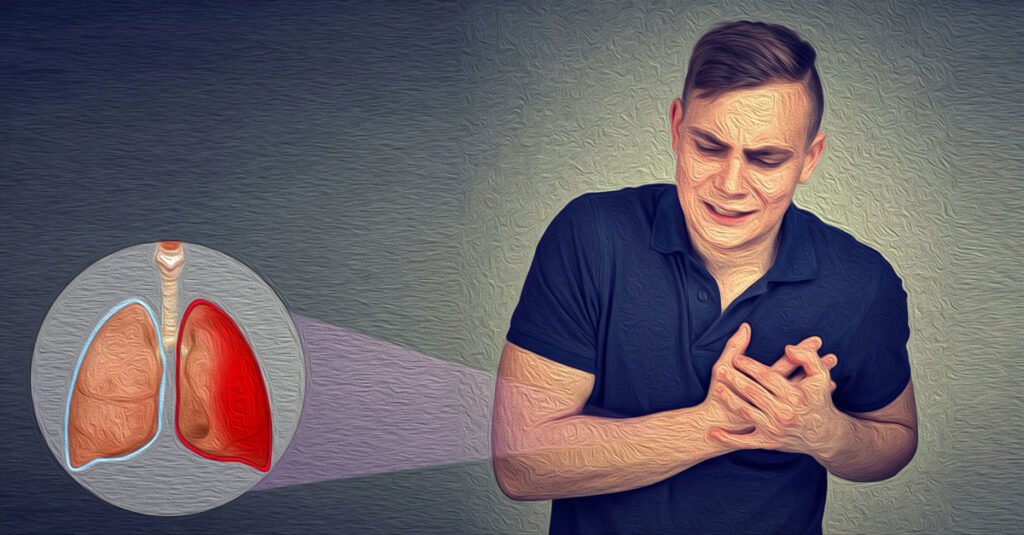
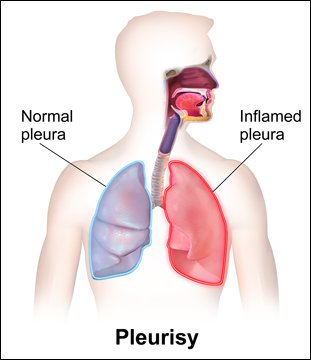
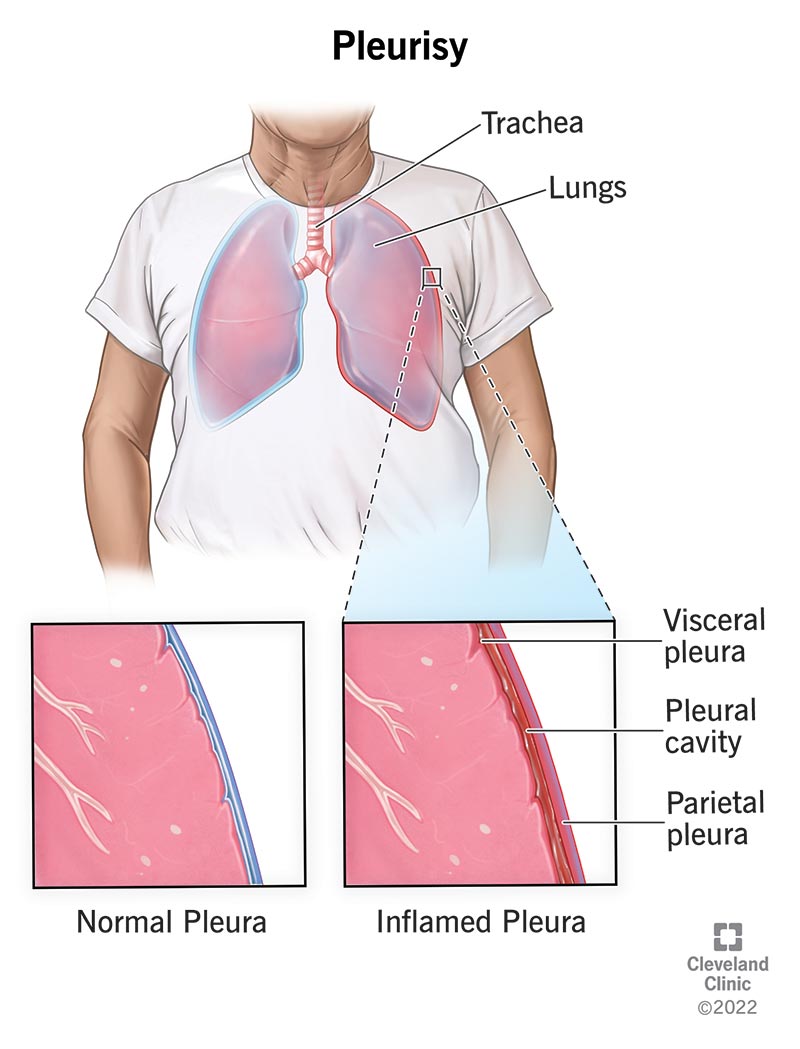
Pleurisy, also known as pleuritis, is a condition characterized by inflammation of the pleura, which is the double-layered membrane that surrounds the lungs and lines the chest cavity. The pleura consists of two layers: the visceral pleura, which covers the lungs, and the parietal pleura, which lines the chest wall. When these layers become inflamed, it can cause sharp, stabbing chest pain, known as pleuritic pain.
Causes of Pleurisy
Pleurisy can be caused by a variety of factors, including:
- Infection: Viral, bacterial, or fungal infections can lead to pleurisy. Common examples include viral respiratory infections such as influenza or pneumonia.
- Autoimmune Disorders: Certain autoimmune conditions, such as lupus or rheumatoid arthritis, can trigger pleurisy.
- Injury or Trauma: Chest injuries, such as fractured ribs or punctured lungs, can cause pleurisy.
- Certain Medications: Some medications, such as certain anti-inflammatories or drugs used in chemotherapy, may have pleurisy as a potential side effect.
- Other Medical Conditions: Pleurisy can also occur as a complication of other medical conditions, such as pulmonary embolism, lung cancer, or tuberculosis.
Symptoms of Pleurisy
The primary symptom of pleurisy is sharp, intense chest pain that worsens with breathing, coughing, or sneezing. The pain is often described as a stabbing or piercing sensation and may be felt on one or both sides of the chest. Other common symptoms may include:
- Shallow breathing or reduced breath sounds
- Fever and chills
- Cough
- Shortness of breath
- Fatigue
- Rapid heartbeat
Conventional Treatments for Pleurisy
Medications
When it comes to conventional treatments for pleurisy, medications are often prescribed to relieve pain and reduce inflammation. Nonsteroidal anti-inflammatory drugs (NSAIDs) such as ibuprofen or aspirin may be recommended to alleviate pain and reduce inflammation. In some cases, corticosteroids may be prescribed to reduce inflammation more effectively, especially for individuals with severe pleuritic pain.
Pain Management
Managing the pain associated with pleurisy is crucial for a person’s comfort and well-being. Over-the-counter pain relievers, such as acetaminophen, can be taken to help alleviate the discomfort. Additionally, applying heat or cold therapy to the affected area can provide temporary relief. This can be done by using a heating pad or taking a warm shower for heat therapy, or by placing an ice pack wrapped in a cloth on the chest for cold therapy.
Antibiotics
If the cause of pleurisy is determined to be a bacterial infection, antibiotics may be prescribed. Bacterial pleurisy typically presents with symptoms such as high fever, productive cough with green or yellow phlegm, and a rapid onset. In such cases, antibiotics are essential to treat the underlying infection and reduce inflammation.
Natural Remedies for Pleurisy
While conventional treatments are often effective in managing pleurisy symptoms, some individuals may also seek natural remedies to supplement their treatment plan. These natural remedies aim to reduce pain, and inflammation, and promote overall healing.
1. Herbal Remedies
Certain herbal remedies may help alleviate the symptoms of pleurisy. Some herbs, such as mullein, elecampane, or coltsfoot, have traditionally been used to soothe respiratory conditions and reduce inflammation. These herbs can be consumed as teas or taken in supplement form, but it is important to consult with a healthcare professional before starting any herbal treatment.
2. Breathing Exercises
Engaging in deep breathing exercises can help ease pleuritic pain and improve lung function. Slowly inhaling and exhaling deeply can stretch the chest muscles, increase oxygen flow, and promote relaxation. Techniques such as diaphragmatic breathing or pursed-lip breathing may be beneficial for individuals with pleurisy. Consulting with a respiratory therapist or healthcare provider can provide guidance on specific breathing exercises.
3. Hot and Cold Therapy
Hot and cold therapy can provide relief for pleurisy symptoms. Applying a warm compress or using a heating pad on the affected area can help relax the chest muscles, reduce pain, and promote circulation. Conversely, cold therapy with an ice pack wrapped in a cloth can help numb the area and reduce inflammation. Alternate between hot and cold therapy for optimal relief, but be mindful of not applying extreme temperatures directly to the skin.
4. Garlic
Garlic is known for its antimicrobial and anti-inflammatory properties, making it a potential natural remedy for pleurisy. Consuming garlic regularly or taking garlic supplements may help support the immune system and reduce inflammation. However, individuals taking blood-thinning medications should exercise caution, as garlic can also have mild blood-thinning effects.
5. Turmeric
Turmeric contains a compound called curcumin, which has potent anti-inflammatory and antioxidant properties. Incorporating turmeric into your diet or taking curcumin supplements may help reduce inflammation associated with pleurisy. However, it’s important to note that curcumin supplements may interfere with certain medications, so consulting with a healthcare professional is advisable.
6. Ginger
Ginger has long been used for its medicinal properties and can provide relief for pleuritic pain. Its anti-inflammatory and analgesic properties can help reduce inflammation and alleviate discomfort. Ginger can be consumed as tea or added to meals and may be particularly beneficial for individuals experiencing coughing or respiratory symptoms.
7. Honey
Honey is known for its soothing properties and can be helpful in managing symptoms of pleurisy. It can help alleviate coughing and soothe an irritated throat. Consuming a teaspoon of honey or adding it to warm herbal tea can provide relief and promote overall respiratory health.
8. Essential Oils
Certain essential oils have been used for their therapeutic properties and may provide relief for pleurisy symptoms. Oils such as eucalyptus, lavender, or peppermint can be inhaled by adding a few drops to a diffuser or diluted with a carrier oil and applied topically to the chest. These oils can help reduce inflammation, open up the airways, and promote relaxation.
9. Rest and Relaxation
Rest is crucial for the body’s healing process. When experiencing pleurisy, it is important to allow the body time to recover. Adequate rest and relaxation can help reduce inflammation, promote healing, and alleviate symptoms. Engaging in activities that promote relaxation, such as meditation or gentle stretching, can also be beneficial.
10. Healthy Diet and Hydration
Maintaining a healthy diet and staying hydrated is essential for overall health and can support the healing process. A diet rich in fruits, vegetables, whole grains, and lean proteins can provide essential nutrients and antioxidants necessary for proper immune function. Additionally, staying hydrated by drinking an adequate amount of water can help thin mucus secretions and promote easier breathing.
Preventing Pleurisy
While pleurisy may sometimes be unavoidable, there are steps you can take to reduce your risk of developing this condition.
Maintaining a Strong Immune System
A strong immune system plays a vital role in preventing and fighting infections that could potentially lead to pleurisy. Adopting a healthy lifestyle that includes regular exercise, a balanced diet, adequate sleep, and managing stress can all contribute to maintaining a strong immune system.
Practicing Good Hygiene
Practicing good hygiene is crucial in preventing the spread of respiratory infections that can lead to pleurisy. Regularly washing your hands with soap and water, avoiding close contact with individuals who have respiratory infections, and covering your mouth and nose with a tissue or your elbow when coughing or sneezing can help minimize the risk of infection.
Avoiding Smoking
Smoking damages the respiratory system and weakens the immune system, making individuals more susceptible to respiratory infections and pleurisy. Quitting smoking or avoiding exposure to secondhand smoke can significantly reduce the risk of developing pleurisy and other respiratory conditions.
When to Seek Medical Assistance
While many cases of pleurisy can be managed with home remedies and over-the-counter pain relievers, there are instances when medical assistance should be sought.
Severity and Duration of Symptoms
If the symptoms of pleurisy are severe, persistent, or worsening despite home remedies, it is important to seek medical attention. Severe chest pain, high fever, difficulty breathing, or coughing up blood are signs that require immediate medical evaluation. Additionally, if the pain is interfering with daily activities or is accompanied by other concerning symptoms, it is advisable to consult a healthcare professional.
Complications
In some cases, pleurisy can lead to complications that require medical intervention. These can include the accumulation of excess fluid in the pleural space (pleural effusion), the development of an abscess, or lung collapse (pneumothorax). If any of these complications occur, prompt medical attention is necessary.
Underlying Health Conditions
If pleurisy is suspected to be associated with an underlying health condition, such as lung cancer, tuberculosis, autoimmune disorders, or other serious illnesses, medical evaluation is crucial to determine the appropriate course of treatment.
Conclusion
Pleurisy, characterized by inflammation of the pleura, can cause sharp chest pain and discomfort. While conventional treatments such as medications and pain management techniques are commonly used, natural remedies can also provide relief and support the healing process. Herbal remedies, breathing exercises, hot and cold therapy, and certain foods like garlic and turmeric can all contribute to reducing inflammation and easing symptoms. Additionally, maintaining a strong immune system, practicing good hygiene, and avoiding smoking can help prevent pleurisy. If symptoms are severe, persistent, or associated with complications or underlying health conditions, seeking medical assistance is important. By combining conventional treatments with natural remedies and making lifestyle changes, individuals can find relief and support their journey toward recovery.
Related Terms About Natural Remedy For Pleurisy.
Home Remedy For Aspiration Pneumonia In Dogs, Natural Treatment For Calf Pneumonia, What Helps Pleurisy Pain Naturally