
Keratosis Pilaris, a common skin condition that causes rough, bumpy patches on the skin, can be quite bothersome and frustrating. If you’ve been struggling with finding an effective solution to this pesky problem, look no further! In this article, we’ll explore a natural remedy that can help soothe and reduce the appearance of Keratosis Pilaris, leaving your skin feeling smoother and looking healthier. Say goodbye to those bumpy patches and hello to renewed confidence in your skin!
Understanding Keratosis Pilaris
What is Keratosis Pilaris?
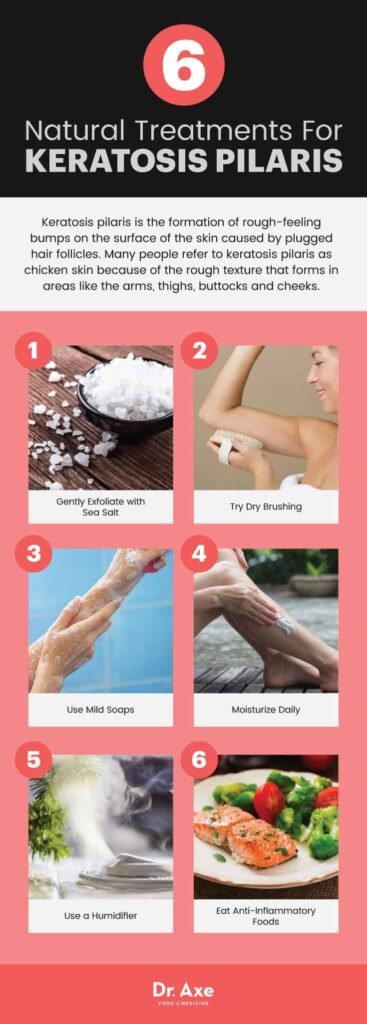
Keratosis Pilaris, also known as “chicken skin,” is a common skin condition that affects many individuals. It is characterized by small, rough bumps on the skin, typically on the arms, thighs, buttocks, and sometimes the face. These bumps are caused by a buildup of keratin, a protein that protects the skin from infections and other external damage. While keratosis pilaris is harmless, it can be a cosmetic concern for some people.
Causes of Keratosis Pilaris
The exact cause of keratosis pilaris is unknown, but there are several factors that contribute to its development. One of the main causes is the overproduction of keratin, which leads to the formation of small, rough bumps on the skin. Other factors that can contribute to the condition include dry skin, genetic predisposition, and certain skin conditions like eczema.
Common Symptoms of Keratosis Pilaris
The most common symptom of keratosis pilaris is the presence of small, rough bumps on the skin. These bumps may be flesh-colored or slightly red and can give the skin a bumpy or “goosebump” appearance. They are often accompanied by dry, rough, or flaky skin in the affected areas. Most people with keratosis pilaris do not experience any pain or itching, but the appearance of the bumps can cause self-consciousness and dissatisfaction with one’s skin.
Dietary Changes
Balanced Diet for Healthy Skin
Maintaining a balanced diet is essential for overall health, and it can also have a positive impact on the appearance of your skin, including keratosis pilaris. Eating a variety of nutrient-dense foods is key to providing your body with the necessary vitamins and minerals it needs to support healthy skin. Include plenty of fruits, vegetables, whole grains, lean proteins, and healthy fats in your diet.
Foods to Avoid
Certain foods may exacerbate the symptoms of keratosis pilaris, so it’s important to be mindful of your dietary choices. Avoiding excessive consumption of processed foods, refined sugars, and unhealthy fats can help reduce inflammation in the body, which may indirectly improve the appearance of your skin. Additionally, some individuals may find that avoiding dairy or gluten can alleviate their keratosis pilaris symptoms, so it may be worth trying an elimination diet to see if these food groups are triggering your condition.
Beneficial Foods for Keratosis Pilaris
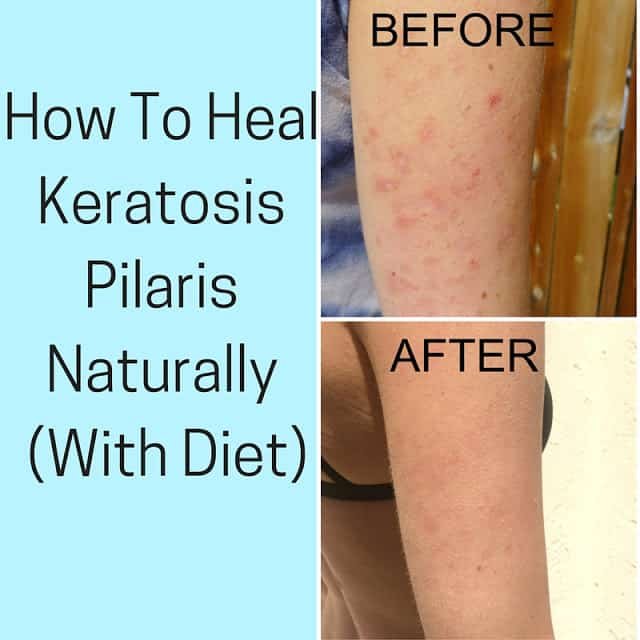
While there is no specific diet that can cure keratosis pilaris, incorporating certain foods known for their skin-friendly properties may help improve the condition. Foods rich in omega-3 fatty acids, such as fatty fish, walnuts, and flaxseeds, can help reduce inflammation in the body and promote healthy skin. Vitamin A-rich foods, such as carrots, sweet potatoes, and spinach, may also be beneficial as vitamin A plays a crucial role in skin health. Additionally, consuming foods high in probiotics, like yogurt or sauerkraut, can support a healthy gut microbiome, which is linked to overall skin health.

Lifestyle Modifications
Moisturizing the Skin
Moisturizing the skin is crucial for individuals with keratosis pilaris as it helps keep the skin hydrated and reduces dryness and flakiness. Opt for moisturizers that contain ingredients like urea, lactic acid, or alpha-hydroxy acids, as these can help exfoliate and soften the skin. Apply moisturizer to the affected areas at least twice a day, preferably after showering or bathing when the skin is still slightly damp.
Gentle Exfoliation
Regular exfoliation can help remove dead skin cells and unclog pores, which can improve the appearance of keratosis pilaris. However, it’s important to exercise caution and avoid harsh scrubbing, as this can further irritate the skin. Instead, use a gentle exfoliating scrub or a body brush with soft bristles to buff away the dead skin cells. Be consistent with your exfoliation routine, but avoid excessive scrubbing, as it may lead to skin irritation.
Avoiding Excessive Heat or Cold
Extreme temperatures can aggravate keratosis pilaris, so it’s important to protect your skin from excessive heat or cold. Avoid prolonged exposure to hot water during showers or baths, as this can strip the skin of its natural oils and worsen dryness. Similarly, exposing your skin to extreme cold temperatures can further dry out and irritate the skin. When outdoors in cold weather, bundle up and protect your skin with moisturizer and appropriate clothing.
Home Remedies
Coconut Oil
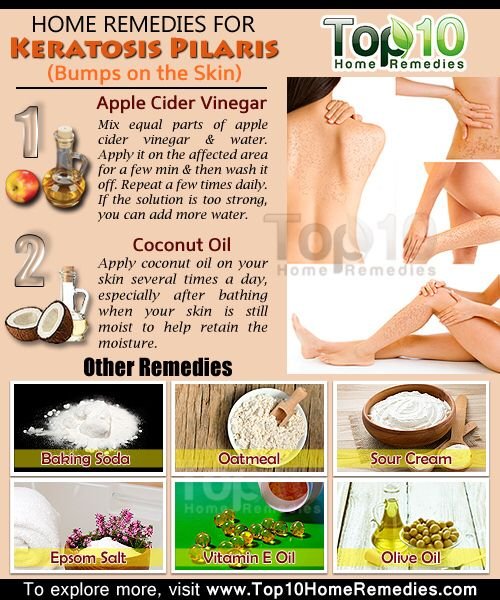
Coconut oil is a popular home remedy for keratosis pilaris due to its moisturizing properties. The medium-chain fatty acids in coconut oil can penetrate the skin and help reduce dryness and inflammation. Apply a small amount of coconut oil to the affected areas and massage it gently into the skin. Leave it on for a few minutes before rinsing off or leave it overnight for maximum hydration.
Apple Cider Vinegar
Apple cider vinegar is known for its antimicrobial properties and can help balance the skin’s pH level. It can also exfoliate the skin and reduce itchiness and inflammation. Dilute apple cider vinegar with water in a 1:1 ratio and apply it to the affected areas using a cotton ball. Leave it on for a few minutes before rinsing off. Be cautious as the acidity of the vinegar may cause irritation on sensitive skin, so it’s advisable to do a patch test beforehand.
Oatmeal
Oatmeal can provide relief from the itchiness and inflammation associated with keratosis pilaris. It contains compounds that can soothe and moisturize the skin. To use oatmeal as a home remedy, grind it into a fine powder and mix it with warm water to create a paste. Apply this paste to the affected areas and leave it on for 15-20 minutes before rinsing off.
Baking Soda Paste
Baking soda has exfoliating properties that can help remove dead skin cells and unclog pores. It also has anti-inflammatory properties that can reduce redness and irritation. Mix baking soda with water to create a paste and gently massage it onto the affected areas in circular motions. Rinse off the paste thoroughly and moisturize afterward to prevent dryness.
Aloe Vera Gel
Aloe vera gel is well-known for its soothing and anti-inflammatory properties. It can help calm irritation and reduce redness associated with keratosis pilaris. Apply pure aloe vera gel directly to the affected areas and leave it on for about 15 minutes before rinsing off. Regular use of aloe vera gel can help improve the overall appearance and texture of the skin.
Tea Tree Oil
Tea tree oil has antimicrobial and anti-inflammatory properties that can benefit individuals with keratosis pilaris. Dilute tea tree oil with a carrier oil, such as coconut oil or olive oil, and apply it to the affected areas using a cotton ball. Leave it on for a few minutes before rinsing off. It’s important to note that tea tree oil may cause skin sensitivities, so it’s recommended to do a patch test before using it extensively.
Supplements and Vitamins
Omega-3 Fatty Acids
Omega-3 fatty acids are essential fats that play a crucial role in maintaining healthy skin. They can help reduce inflammation and improve the overall health of the skin barrier. Incorporating omega-3-rich foods into your diet, such as fatty fish, chia seeds, and walnuts, or taking omega-3 supplements, can be beneficial for individuals with keratosis pilaris.
Vitamin D
Vitamin D deficiency has been linked to various skin conditions, including keratosis pilaris. Increasing vitamin D intake through sunlight exposure or taking supplements can potentially improve the symptoms of keratosis pilaris. However, it’s important to consult with a healthcare professional before starting any new supplement regimen.
Vitamin A
Vitamin A is vital for maintaining healthy skin and can help reduce keratosis pilaris symptoms. Consuming foods rich in vitamin A, such as carrots, sweet potatoes, and leafy greens, or taking vitamin A supplements under the guidance of a healthcare professional, may be beneficial for individuals with keratosis pilaris.
Zinc
Zinc is an important mineral for skin health and can aid in the healing and regeneration of the skin. It also has anti-inflammatory properties that can potentially alleviate the symptoms of keratosis pilaris. Including zinc-rich foods like oysters, pumpkin seeds, and beef in your diet or taking zinc supplements may be helpful for managing the condition.
Probiotics
Probiotics are beneficial bacteria that can support a healthy gut microbiome, which in turn influences overall skin health. Incorporating probiotic-rich foods, such as yogurt, kefir, and sauerkraut, or taking probiotic supplements can help improve the symptoms of keratosis pilaris.
Evening Primrose Oil
Evening primrose oil contains gamma-linolenic acid (GLA), an essential fatty acid that can reduce inflammation and promote healthy skin. Taking evening primrose oil supplements may help alleviate the symptoms of keratosis pilaris. However, it’s important to consult with a healthcare professional before starting any new supplement regimen.
Skin Care Products
Choosing the Right Cleanser
When it comes to keratosis pilaris, choosing the right cleanser is essential. Look for gentle, fragrance-free cleansers that are free from harsh chemicals and sulfates. Avoid excessive scrubbing or using rough washcloths, as this can further irritate the skin. Opt for cleansers that contain ingredients like salicylic acid or glycolic acid, as these can help exfoliate the skin and unclog pores.
Moisturizers for Keratosis Pilaris
Moisturizing regularly is crucial for individuals with keratosis pilaris to minimize dryness and improve skin texture. Look for moisturizers that are specifically formulated for dry or sensitive skin. Ingredients like urea, lactic acid, or ceramides can help moisturize and soften the skin. Apply moisturizer immediately after showering or bathing to lock in moisture.
Exfoliating Products
Exfoliating products can help remove dead skin cells and smooth rough skin. Look for chemical exfoliants like alpha-hydroxy acids (AHAs) or beta-hydroxy acids (BHAs), as these can effectively exfoliate without the need for harsh physical scrubs. Be cautious not to over-exfoliate, as this can irritate the skin. Start with a low concentration and gradually increase if needed.
Avoiding Harsh Chemicals
Harsh chemicals and irritants can worsen the symptoms of keratosis pilaris, so it’s important to avoid products that contain ingredients like fragrance, alcohol, or sulfates. These can strip the skin of its natural oils and cause further dryness and irritation. Look for products labeled as “gentle,” “fragrance-free,” or “hypoallergenic” to minimize the risk of irritation.

Avoiding Irritants
Avoiding Hot Showers or Baths
As mentioned earlier, excessive heat can exacerbate keratosis pilaris symptoms. Therefore, it’s advisable to avoid hot showers or baths, which can strip the skin of its natural oils and lead to dryness. Opt for lukewarm water instead and limit the duration of your showers or baths. Moisturize immediately after bathing to seal in moisture.
Using Fragrance-Free Products
Fragrances added to skincare products may contain irritants that can worsen the symptoms of keratosis pilaris. To minimize the risk of irritation, opt for fragrance-free products. These products are formulated without added fragrances, reducing the chances of skin reactions or allergies.
Avoiding Tight Clothing
Wearing tight clothing can aggravate the symptoms of keratosis pilaris, especially in areas where friction occurs (such as the underarms or thighs). Tight clothing can trap sweat and bacteria, leading to further irritation and potential infection. Choose loose-fitting, breathable clothing made from natural fabrics like cotton to allow your skin to breathe and minimize friction.
Protecting Your Skin from the Sun
Exposure to the sun’s harmful UV rays can worsen the appearance of keratosis pilaris and potentially increase the risk of skin damage. Protect your skin by wearing sunscreen with a high SPF and seeking shade during peak sun hours. Additionally, consider wearing lightweight clothing that covers the affected areas when spending prolonged periods outdoors.
Stress Management
Understanding the Impact of Stress
Stress can exacerbate various skin conditions, including keratosis pilaris. When we experience stress, our bodies release cortisol, a hormone that can contribute to inflammation and other skin issues. Understanding the impact of stress on your skin can help you develop coping mechanisms and strategies to manage it effectively.
Practicing Relaxation Techniques
Engaging in relaxation techniques can help reduce stress levels and promote overall well-being. Deep breathing exercises, meditation, yoga, or mindfulness practices can all be valuable tools to incorporate into your daily routine. These techniques can help calm the mind, reduce stress, and potentially improve the symptoms of keratosis pilaris.
Engaging in Regular Exercise
Regular exercise not only benefits your overall health but can also have a positive impact on the appearance of your skin. Exercise promotes healthy blood circulation, which can help nourish the skin and improve its overall tone and texture. Find activities you enjoy, whether it’s going for a walk, swimming, or dancing, and aim for at least 30 minutes of moderate exercise most days of the week.
Getting Adequate Sleep
Adequate sleep is essential for maintaining healthy skin. Lack of sleep can increase stress levels and impair the body’s ability to repair and regenerate the skin. Aim for 7-9 hours of quality sleep each night to ensure your skin and body have sufficient time to rejuvenate. Establish a bedtime routine, create a peaceful sleep environment, and prioritize sleep as a vital component of your overall health.
Professional Treatments
Topical Retinoids
Topical retinoids, such as tretinoin or adapalene, can be prescribed by a dermatologist to help improve the symptoms of keratosis pilaris. These medications work by increasing cell turnover and promoting the shedding of dead skin cells, unclogging the pores. It’s crucial to follow the dermatologist’s instructions and use these medications as directed, as they can cause skin irritation or dryness if not used correctly.
Chemical Peels
Chemical peels are professional treatments that involve the application of a chemical solution to the skin, which helps exfoliate and rejuvenate the skin’s appearance. A dermatologist or skincare professional can recommend specific chemical peels to target keratosis pilaris. These treatments remove dead skin cells and unclog pores, resulting in smoother, more even skin.
Laser Therapy
Laser therapy is another option for individuals seeking professional treatment for keratosis pilaris. Different types of lasers can be used to target the affected areas and reduce the appearance of the bumps. Laser therapy can also stimulate collagen production, improving the overall texture and appearance of the skin. Multiple sessions may be required to achieve optimal results.
Microdermabrasion
Microdermabrasion is a non-invasive procedure that uses a device to exfoliate and remove the outermost layer of dead skin cells. This treatment can effectively improve the texture and appearance of the skin affected by keratosis pilaris. It’s important to note that microdermabrasion may not be suitable for everyone, and a consultation with a dermatologist or skincare professional is necessary to determine if it’s an appropriate treatment option for you.
When to Seek Medical Advice
While keratosis pilaris is generally a harmless condition, there are instances where medical advice should be sought.
Severe Symptoms or Pain
If you experience severe symptoms such as intense itching, pain, or discomfort associated with keratosis pilaris, it is advisable to seek medical advice. A dermatologist can evaluate your condition and recommend appropriate treatments or medications to alleviate your symptoms.
Worsening of Keratosis Pilaris
If your keratosis pilaris symptoms worsen despite adopting home remedies and lifestyle modifications, it is important to consult a healthcare professional. They can provide further guidance and recommend alternative treatments or interventions to manage your condition effectively.
Psychological Impact
Keratosis pilaris can have a significant psychological impact on some individuals, affecting their self-esteem and body image. If you find that your condition is causing emotional distress or affecting your quality of life, it’s essential to seek support from a mental health professional who can provide guidance and strategies to improve your well-being.
Other Medical Conditions
Sometimes, keratosis pilaris may occur alongside other underlying medical conditions, such as atopic dermatitis or ichthyosis. If you have a known skin condition or suspect that there may be an underlying cause for your keratosis pilaris, it is advisable to consult with a dermatologist. They can assess your condition comprehensively and recommend appropriate treatment options based on your specific needs.
In conclusion, keratosis pilaris is a common skin condition that can be managed effectively with various lifestyle modifications, home remedies, and professional treatments. By adopting a balanced diet, using gentle skincare products, and incorporating stress management techniques into your daily routine, you can improve the appearance and texture of your skin affected by keratosis pilaris. If your symptoms persist or worsen, it’s always advisable to seek medical advice to ensure an accurate diagnosis and appropriate treatment plan. Remember, each person’s experience with keratosis pilaris may vary, and finding the right approach that works for you may require some trial and error. Stay patient, be consistent with your self-care routine, and embrace your skin’s uniqueness.
Related Terms About Natural Remedy For Keratosis Pilaris.
Any Home Remedies For Keratosis Pilaris, Home Remedies For Keratosis Pilaris, Best Natural Treatment For Keratosis Pilaris, Cure Keratosis Pilaris Naturally, Home Remedies For Keratosis Pilaris In Toddlers, Home Remedies For Keratosis Pilaris On Face, Home Remedies For Keratosis Pilaris On Hand, Home Remedies For Keratosis Pilaris Treatment, Home Remedy For Keratosis Pilaris On Arms, Home Treatment For Keratosis Pilaris On Face