
If you or someone you know is living with multiple sclerosis, you’ll want to read this. In this article, we’ll be exploring a natural remedy that has shown promising results in managing the symptoms of multiple sclerosis. This remedy, backed by scientific research, has gained popularity among individuals seeking alternative treatments. By the end of this article, you’ll have a better understanding of how this natural remedy may provide relief and improve the quality of life for those living with multiple sclerosis. So, let’s dive straight in and discover the power of nature in combating this challenging condition.

Diagnosis of Multiple Sclerosis
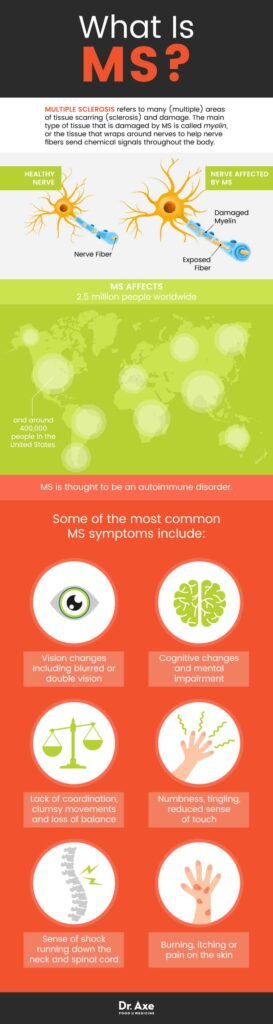
Multiple sclerosis (MS) is a complex autoimmune disease that affects the central nervous system. It can be difficult to diagnose as its symptoms can vary greatly from person to person. If you are experiencing symptoms that may indicate MS, it is important to seek medical attention for a proper diagnosis.
Symptoms of Multiple Sclerosis
The symptoms of multiple sclerosis can be diverse and can differ from person to person. Some common symptoms include fatigue, difficulty walking, numbness or tingling sensations, muscle weakness, problems with coordination and balance, vision problems, bladder and bowel dysfunction, and cognitive difficulties. If you are experiencing any of these symptoms, it is important to consult with a healthcare professional for an accurate diagnosis.
Types of Multiple Sclerosis
There are several different types of multiple sclerosis that can affect individuals differently. The most common types include relapsing-remitting MS (RRMS), secondary progressive MS (SPMS), primary progressive MS (PPMS), and progressive-relapsing MS (PRMS). Each type has its own unique characteristics and progression patterns. It is important to work closely with your healthcare provider to determine the specific type of MS that you have in order to develop an appropriate treatment plan.
Diagnostic Tests for Multiple Sclerosis
To diagnose multiple sclerosis, healthcare providers may utilize several tests. These tests include magnetic resonance imaging (MRI) scans, which can detect areas of inflammation or damage in the central nervous system. Another common diagnostic tool is a spinal tap or lumbar puncture, which involves obtaining a sample of the cerebrospinal fluid to check for abnormal immune system activity. Additionally, evoked potential tests may be used to measure the electrical activity in the brain and spinal cord. These diagnostic tests, along with a comprehensive evaluation of your symptoms and medical history, can help your healthcare provider make an accurate diagnosis of multiple sclerosis.
Conventional Treatments for Multiple Sclerosis
While there is no cure for multiple sclerosis, there are several conventional treatment options available to manage the symptoms and slow down the progression of the disease. These treatments aim to reduce inflammation, manage symptoms, and improve quality of life for individuals living with MS.
Medications for Managing MS Symptoms
There are various medications available to help manage the symptoms associated with multiple sclerosis. These medications may include corticosteroids to reduce inflammation during MS relapses, muscle relaxants to alleviate muscle spasms, and medications to help with bladder and bowel dysfunction. Additionally, there are medications available to alleviate pain, fatigue, and depression that can often accompany MS.
Disease-Modifying Therapies
Disease-modifying therapies (DMTs) are a type of medication used to slow down the progression of multiple sclerosis and reduce the frequency and severity of relapses. These therapies work by modifying the immune system’s response, reducing inflammation, and preventing further damage to the central nervous system. There are several different types of DMTs available, and the choice of medication depends on the individual’s specific type of MS, medical history, and overall health.
Physical and Occupational Therapy
Physical and occupational therapy plays a crucial role in the management of multiple sclerosis. Physical therapy can help improve mobility, strength, and balance, while occupational therapy focuses on adapting daily activities to accommodate any physical limitations caused by MS. These therapies can help individuals with MS maintain independence, manage symptoms, and improve their overall quality of life.

The Importance of Natural Remedy for Multiple Sclerosis
While conventional treatments for multiple sclerosis can be effective in managing symptoms and slowing the progression of the disease, they may have limitations and potential side effects. This is why many individuals with MS turn to natural remedies as complementary or alternative treatments.
Limitations of Conventional Treatments
Conventional treatments for multiple sclerosis may not be suitable for everyone, and they may have limitations in terms of addressing all aspects of the disease. Some individuals may experience intolerable side effects from certain medications, while others may not respond adequately to disease-modifying therapies. Additionally, conventional treatments may not address other symptoms commonly associated with MS, such as fatigue, cognitive difficulties, and emotional well-being.
Possible Benefits of Natural Remedy
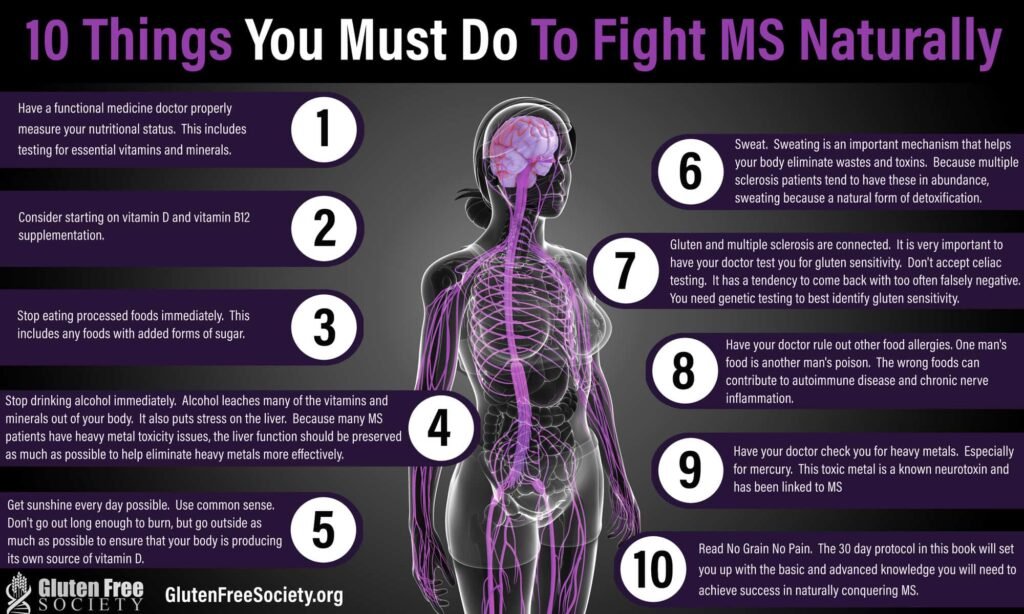
Natural remedies, such as dietary changes, supplements, physical activity, stress management techniques, and alternative therapies, can be beneficial for individuals with multiple sclerosis. These remedies can help support overall health, reduce inflammation, improve symptom management, and enhance quality of life. While natural remedies should not replace conventional treatments, they can be used as complementary approaches to enhance the effectiveness of conventional treatments and promote holistic well-being.
Dietary Changes for MS Management
The role of diet in multiple sclerosis management is an area of growing interest. While no specific diet has been proven to cure or treat MS, certain dietary changes may help alleviate symptoms and improve overall health.
The Role of Diet in Multiple Sclerosis
Research has shown that certain dietary factors may have an impact on the development and progression of multiple sclerosis. Some studies suggest that diets rich in fruits, vegetables, whole grains, and healthy fats, such as the Mediterranean diet, may have a protective effect against MS. On the other hand, diets high in saturated fats, processed foods, and sugar may contribute to inflammation and worsen MS symptoms.
Foods to Include in an MS Diet
Including certain foods in your diet may help support MS management. These foods include antioxidant-rich fruits and vegetables, omega-3 fatty acids from sources like fatty fish or flaxseeds, whole grains, lean proteins, and healthy fats like olive oil and nuts. It is also important to stay hydrated by drinking plenty of water.
Foods to Avoid in an MS Diet
Certain foods may trigger or worsen symptoms in individuals with multiple sclerosis. These foods include processed foods, sugary snacks and beverages, high-sodium foods, saturated and trans fats found in fried foods and processed meats, and foods containing gluten, dairy, or artificial additives. It is important to listen to your body identify any foods that may exacerbate your symptoms, and limit or avoid them accordingly.

Supplements for Supporting MS Health
Supplements can play a role in supporting overall health and well-being in individuals with multiple sclerosis. While supplements should not replace a well-balanced diet, they can help fill in any nutrient gaps and provide additional support.
Vitamin D
Vitamin D deficiency has been linked to an increased risk of developing multiple sclerosis and worsening of symptoms. Supplementation with vitamin D may help regulate immune function and reduce inflammation in individuals with MS. It is important to consult with a healthcare provider to determine the appropriate dosage of vitamin D based on your specific needs.
Omega-3 Fatty Acids
Omega-3 fatty acids have anti-inflammatory properties and may help reduce inflammation and ease symptoms in individuals with multiple sclerosis. Sources of omega-3 fatty acids include fatty fish like salmon and mackerel, flaxseeds, chia seeds, and walnuts. If dietary intake is insufficient, omega-3 supplements can be considered under the guidance of a healthcare provider.
Turmeric
Turmeric contains a compound called curcumin, which has anti-inflammatory and antioxidant properties. Some studies suggest that curcumin may help reduce inflammation and alleviate symptoms in individuals with multiple sclerosis. However, more research is needed to determine its effectiveness and optimal dosage.
Ginkgo Biloba
Ginkgo biloba is an herb that has been traditionally used for its cognitive-enhancing properties. Some individuals with multiple sclerosis may experience cognitive difficulties, and ginkgo biloba may help improve cognitive function. However, it is important to consult with a healthcare provider before starting any new supplements, as they may interact with other medications.
Coenzyme Q10
Coenzyme Q10 is a nutrient that plays a role in cellular energy production and has antioxidant properties. Some studies suggest that supplementation with coenzyme Q10 may help reduce fatigue and improve overall energy levels in individuals with multiple sclerosis. It is important to consult with a healthcare provider before starting any new supplements to ensure safety and appropriate dosage.
Physical Activity and Exercise
Physical activity and exercise are important components of managing multiple sclerosis. Regular exercise can help improve strength, flexibility, balance, and overall well-being.
Benefits of Exercise for MS
Engaging in regular physical activity and exercise can provide numerous benefits for individuals with multiple sclerosis. Exercise helps maintain and improve muscle strength, which can be beneficial for individuals experiencing muscle weakness or spasticity. It can also improve cardiovascular fitness, enhance mood and mental well-being, and help manage other symptoms such as fatigue and depression.
Types of Exercise Suitable for MS Patients
There are various types of exercises that are suitable for individuals with multiple sclerosis. These include aerobic exercises such as walking, swimming, or cycling, which can improve cardiovascular fitness and endurance. Strength training and resistance exercises can help improve muscle strength and tone. Balance exercises like tai chi or yoga can improve balance and coordination. It is important to choose exercises that suit your individual abilities and to start slowly and gradually increase intensity and duration.
Exercise Precautions for MS Patients
While exercise can be beneficial for individuals with multiple sclerosis, certain precautions should be taken. It is important to listen to your body and avoid pushing yourself too hard, as overexertion can worsen symptoms. It is also important to ensure proper hydration, maintain a comfortable temperature, and take breaks as needed. If you have any concerns or specific physical limitations, it is recommended to consult with a healthcare professional or a physical therapist who specializes in MS.
Stress Management Techniques
Stress and multiple sclerosis can have a complex relationship, with stress potentially triggering or exacerbating symptoms. Therefore, managing stress is an important aspect of MS management.
The Link Between Stress and MS
Stress can have a profound impact on the immune system and can potentially worsen symptoms in individuals with multiple sclerosis. Additionally, living with a chronic illness like MS can be stressful in itself. It is important to manage stress effectively to help reduce symptom flare-ups and improve overall well-being.
Relaxation Techniques
Relaxation techniques can help reduce stress and promote a sense of calmness and well-being. Techniques such as deep breathing exercises, progressive muscle relaxation, guided imagery, and mindfulness meditation can be effective in managing stress levels. These techniques can be practiced on a daily basis or during times of increased stress. It is important to find relaxation techniques that work best for you and to incorporate them into your daily routine.
Mind-Body Practices
Mind-body practices, such as yoga and tai chi, can be beneficial for individuals with multiple sclerosis. These practices combine physical movement, deep breathing, and mindfulness, which can help reduce stress, improve flexibility and balance, and promote overall well-being. It is important to consult with a qualified instructor who has experience working with individuals with MS, as they can tailor the practice to your specific needs and abilities.
Alternative Therapies for MS Symptom Relief
In addition to conventional treatments, alternative therapies can be considered complementary approaches for managing symptoms associated with multiple sclerosis.
Acupuncture
Acupuncture is an ancient Chinese therapy that involves the insertion of thin needles into specific points on the body. It is believed to help restore the flow of energy, or qi, and promote healing. Some individuals with multiple sclerosis may find acupuncture helpful in managing symptoms such as pain, fatigue, and muscle spasms. It is important to seek out a qualified acupuncturist who has experience working with individuals with neurological conditions.
Chiropractic Care
Chiropractic care focuses on the alignment of the spine and nervous system, with the goal of improving overall health and well-being. Some individuals with multiple sclerosis may find chiropractic adjustments helpful in managing symptoms such as muscle stiffness, joint pain, and overall mobility. It is important to consult with a chiropractor who has experience working with individuals with MS and to communicate any specific concerns or limitations.
Magnetic Field Therapy
Magnetic field therapy involves the use of magnetic fields to promote healing and reduce pain and inflammation. It is believed to work by stimulating cellular repair and enhancing circulation. Some individuals with multiple sclerosis may find magnetic field therapy beneficial in managing symptoms such as pain, muscle spasms, and fatigue. It is important to consult with a healthcare provider before starting any new therapies, as they may interact with other treatments or medications.
Massage Therapy
Massage therapy can be a valuable tool for managing symptoms associated with multiple sclerosis. It can help reduce muscle tension, improve circulation, alleviate pain, and promote relaxation and overall well-being. It is important to seek out a licensed and experienced massage therapist who has knowledge and understanding of multiple sclerosis and its associated symptoms.
Yoga and Tai Chi
Yoga and tai chi are mind-body practices that combine movement, deep breathing, and mindfulness. They can help improve flexibility, balance, strength, and overall well-being. Some individuals with multiple sclerosis may find yoga or tai chi beneficial in managing symptoms such as muscle weakness, spasticity, and balance difficulties. It is important to work with a qualified instructor who has experience working with individuals with MS, as they can modify the practice to suit your individual needs and abilities.
Herbal Remedies for MS
Herbal remedies have been used for centuries to support various health conditions, including multiple sclerosis. While more research is needed to determine their effectiveness, some herbal remedies may offer potential benefits for individuals with MS.
Gingko Biloba
Gingko biloba is an herbal supplement that has been traditionally used to improve cognitive function and enhance memory. Some individuals with multiple sclerosis may experience cognitive difficulties, and gingko biloba may help support cognitive health. It is important to consult with a healthcare provider before starting any new supplements, as they may interact with other medications.
Milk Thistle
Milk thistle is an herbal supplement that has been used for its liver-protective properties. Some individuals with multiple sclerosis may develop liver abnormalities as a result of certain medications or comorbidities. Milk thistle may help support liver function and reduce the risk of liver damage. It is important to consult with a healthcare provider before starting any new supplements to ensure safety and appropriate dosage.
St. John’s Wort
St. John’s wort is an herbal supplement that has been traditionally used to alleviate symptoms of depression. Depression is a common comorbidity in individuals with multiple sclerosis, and St. John’s wort may offer some relief. However, it is important to consult with a healthcare provider before starting any new supplements, as they may interact with other medications.
Licorice Root
Licorice root is an herbal supplement that has been used for its anti-inflammatory and immune-supportive properties. Some studies suggest that licorice root may help reduce inflammation and modulate the immune response in individuals with multiple sclerosis. However, it is important to consult with a healthcare provider before starting any new supplements, as they may interact with other medications.
Supportive Therapies and Symptom Management Strategies
In addition to the various treatment options available, there are supportive therapies and symptom management strategies that can help individuals with multiple sclerosis improve their overall quality of life.
Heat and Cold Therapies
Heat and cold therapies can be beneficial in managing certain symptoms associated with multiple sclerosis. Applying heat, such as with warm compresses or hot baths, can help alleviate muscle stiffness and reduce pain. On the other hand, applying cold, such as with ice packs or cold compresses, can help reduce inflammation and relieve muscle spasms. It is important to listen to your body and find the temperature and duration that works best for you.
Assistive Devices
Assistive devices can help individuals with multiple sclerosis maintain independence and improve their overall functioning. These devices may include mobility aids such as canes, walkers, or wheelchairs, as well as adaptive equipment for activities of daily living, such as dressing aids, reachers, or jar openers. Working with an occupational therapist can help determine the appropriate assistive devices for your specific needs.
Bladder and Bowel Management
Bladder and bowel dysfunction are common symptoms of multiple sclerosis. Effective management strategies may include timed voiding schedules, dietary modifications, pelvic floor exercises, and medication interventions. Working with a healthcare provider or a specialist in urology or gastroenterology can help develop an individualized treatment plan.
Pain Management Techniques
Living with multiple sclerosis can often involve experiencing varying degrees of pain. Pain management techniques can include physical therapies such as heat or cold therapy, massage, and stretching exercises, as well as medications such as analgesics or muscle relaxants. Working closely with a healthcare provider or pain management specialist can help develop a comprehensive pain management plan tailored to your specific needs.
In conclusion, multiple sclerosis is a complex autoimmune disease that requires a comprehensive approach to management. While conventional treatments, such as medications and therapies, are essential in managing the symptoms and progression of MS, natural remedies, including dietary changes, supplements, exercise, stress management techniques, alternative therapies, herbal remedies, and supportive strategies, can be valuable additions to enhance overall well-being and symptom relief. It is important to consult with a healthcare provider or a team of healthcare professionals experienced in treating multiple sclerosis to determine the most appropriate treatment plan for your specific needs. With a multifaceted management approach, individuals with multiple sclerosis can strive for improved quality of life and better disease management.
Related Terms About Natural Remedy For Multiple Sclerosis.
Best Treatment For Multiple Sclerosis In India, Cure For Multiple Sclerosis Symptoms, How Does Treatment For Multiple Sclerosis Work, How To Fix Multiple Sclerosis, How To Get Rid Of Multiple Sclerosis, How To Improve Multiple Sclerosis, How To Overcome Multiple Sclerosis, How To Reduce Multiple Sclerosis, New Treatment For Multiple Sclerosis Research, Treat Multiple Sclerosis Interferon Beta