
Living with multiple sclerosis (MS) can be challenging, not only for the individual diagnosed with the disease but also for their loved ones. As a caregiver to someone with MS, your role is invaluable in providing support and assistance in navigating the complexities of this condition. This article aims to offer guidance and practical tips on how to effectively care for and support your loved one with MS, ensuring that both of you can face the challenges of this journey together. From understanding the symptoms and treatment options to helping with daily activities and offering emotional support, this guide will empower you to be the best caregiver possible.
Understanding Multiple Sclerosis
Multiple sclerosis (MS) is a chronic and often disabling neurological disease that affects the central nervous system (CNS). It occurs when the immune system mistakenly attacks the protective covering of nerve fibers, called myelin, which disrupts the communication between the brain and the rest of the body. While the exact cause of MS is still unknown, researchers believe that a combination of genetic and environmental factors plays a role in its development.
What is multiple sclerosis?
Multiple sclerosis is a complex condition that affects each person differently. The symptoms and progression of the disease can vary widely from individual to individual. Common symptoms include fatigue, difficulty walking, numbness or tingling in the limbs, muscle weakness, problems with coordination and balance, cognitive difficulties, and changes in mood and emotional well-being.
Different types of multiple sclerosis
There are several different types of MS, each with its own unique characteristics. The most common types include relapsing-remitting MS (RRMS), secondary-progressive MS (SPMS), primary-progressive MS (PPMS), and progressive-relapsing MS (PRMS). RRMS is characterized by periods of relapse or acute exacerbation followed by periods of remission. SPMS is a stage that typically follows RRMS, where symptoms worsen over time with or without relapses. PPMS is characterized by a gradual progression of disability from the onset, without distinct relapses or remissions. PRMS is the least common type, characterized by a steady progression of symptoms with occasional relapses.
Causes and risk factors for multiple sclerosis
The exact cause of multiple sclerosis is still unknown, but researchers believe that a combination of genetic and environmental factors contribute to its development. People with a family history of MS are at a slightly higher risk of developing the disease. Additionally, certain environmental factors such as infections, smoking, low vitamin D levels, and exposure to certain toxins may increase the risk of developing MS. However, it is important to note that having these risk factors does not necessarily mean that someone will develop MS, as the disease is complex and not fully understood.
Diagnosis and Treatment
Symptoms of multiple sclerosis
Multiple sclerosis can present a wide range of symptoms, and they can vary from person to person. Some of the common symptoms include fatigue, difficulty walking, numbness or tingling in the limbs, muscle weakness, problems with coordination and balance, cognitive difficulties, and changes in mood and emotional well-being. Symptoms may come and go, or they may gradually worsen over time. It is important to remember that these symptoms can be caused by other conditions as well, so it is crucial to consult with a healthcare professional for a proper diagnosis.
Getting diagnosed with multiple sclerosis
Diagnosing multiple sclerosis can be a complex process, as there is no specific test to definitively diagnose the disease. Healthcare professionals use a combination of medical history, physical examination, and diagnostic tests to rule out other possible causes of the symptoms and to identify the characteristic patterns of MS. These tests may include magnetic resonance imaging (MRI) scans, cerebrospinal fluid analysis, and neurological exams. It is essential to work closely with healthcare professionals to ensure an accurate diagnosis.
Treatment options for multiple sclerosis
While there is no cure for multiple sclerosis, there are various treatment options available to manage symptoms, slow down disease progression, and improve quality of life. The treatment plan will depend on the type and severity of MS, as well as the individual’s preferences and medical history. Treatment options may include disease-modifying therapies (DMTs), which aim to reduce the frequency and severity of relapses and slow down the progression of the disease. Additionally, symptom management strategies such as physical therapy, occupational therapy, speech therapy, and medications can also be incorporated into the treatment plan.

The Role of a Caregiver
Importance of a caregiver
As a caregiver for someone with multiple sclerosis, your role is crucial in providing support and assistance to your loved one. MS can be a challenging and unpredictable disease, and having a caregiver who understands the needs and limitations of the individual can greatly improve their well-being and overall quality of life. By offering emotional support, assisting with daily activities, and advocating for their needs, caregivers play a vital role in maintaining the physical and emotional well-being of their loved ones.
Challenges faced by caregivers
Caring for someone with multiple sclerosis can present various challenges. Some of the common challenges include managing the physical demands of caregiving, dealing with unpredictable symptoms and relapses, balancing caregiving responsibilities with other commitments, and coping with the emotional toll of seeing a loved one struggle with the disease. Additionally, caregivers may also face financial and logistical challenges, such as coordinating medical appointments, navigating the healthcare system, and accessing necessary resources and support.
Coping strategies for caregivers
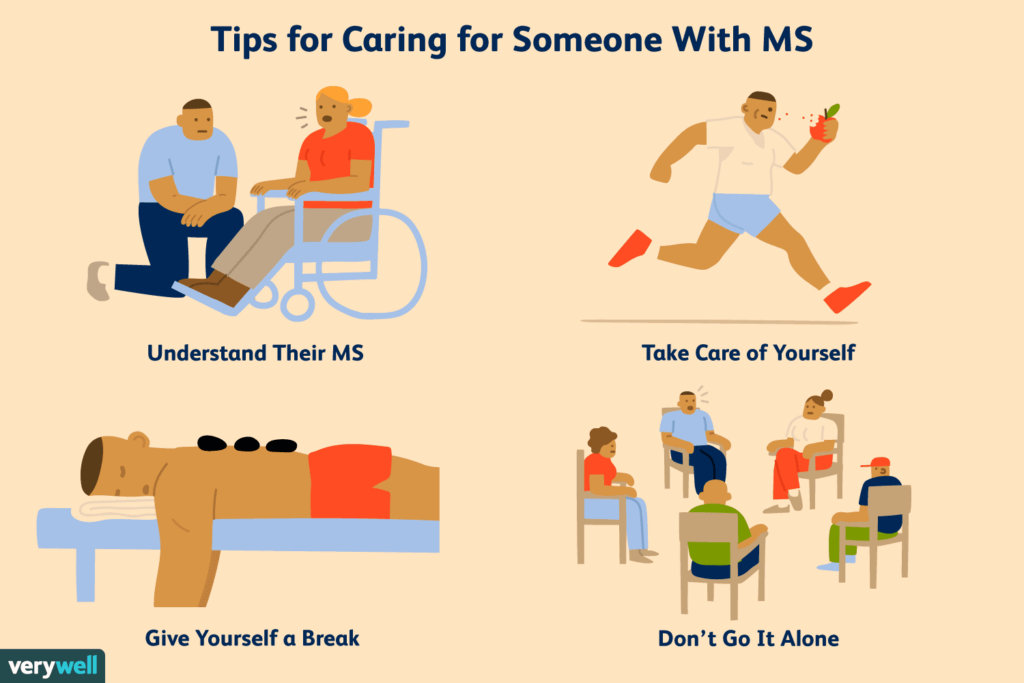
Taking care of your own well-being as a caregiver is essential to effectively support your loved one with MS. It is important to establish a support network of family, friends, and fellow caregivers who can offer understanding and assistance. Seeking out educational resources, support groups, and counseling services specific to MS can also help caregivers navigate the challenges they may face. Prioritizing self-care activities, maintaining a healthy lifestyle, and seeking respite care when needed are additional ways to manage stress and prevent burnout.
Educating Yourself
Learning about multiple sclerosis
Educating yourself about multiple sclerosis can empower you as a caregiver and help you better understand the disease and its impact on your loved one. Online resources, books, and reputable medical websites can provide valuable information about MS, its symptoms, treatment options, and coping strategies for both the individual with MS and their caregivers. Additionally, attending support groups or educational events specifically for caregivers can give you the opportunity to connect with others who may be experiencing similar challenges.
Understanding the prognosis
Understanding the prognosis of multiple sclerosis can help caregivers anticipate potential changes and challenges that may arise in the future. However, it is important to keep in mind that the course of MS can vary greatly from person to person, and it is not possible to predict how the disease will progress in an individual. Regular communication with healthcare professionals and staying informed about new research and treatment options can provide a better understanding of the possible outcomes and help you adapt your caregiving approach accordingly.
Knowing the available resources
As a caregiver, it is important to be aware of the available resources and support services that can assist you in providing the best care for your loved one with MS. These resources can include support groups, educational programs, respite care providers, specialized healthcare professionals, and financial assistance programs. Connecting with local MS organizations or contacting healthcare professionals specializing in MS can help you access the resources that are available in your community.

Providing Emotional Support
Listening and empathizing
One of the most valuable ways to provide emotional support to your loved one with MS is through active listening and empathizing with their experiences. Taking the time to genuinely listen to their concerns and frustrations can provide them with a sense of validation and understanding. Offering empathy by acknowledging their emotions and expressing your support can reassure them that they are not alone in their journey and that you are there to support them every step of the way.
Encouraging independence
While it is important to offer assistance and support, it is equally important to encourage and empower your loved one to maintain their independence to the best of their abilities. Encouraging them to participate in activities they enjoy, promoting hobbies and interests, and involving them in decision-making processes can foster a sense of autonomy and boost their confidence. By focusing on their abilities rather than their limitations, you can help them maintain their sense of identity and self-worth.
Managing stress and burnout
Caring for someone with MS can be physically and emotionally demanding, and it is crucial for caregivers to prioritize their own well-being to avoid burnout. Practicing stress management techniques such as deep breathing exercises, mindfulness, and engaging in hobbies or activities that bring joy and relaxation can help caregivers reduce stress and maintain their own mental and emotional well-being. Additionally, seeking respite care or asking for assistance from other family members or friends can provide caregivers with much-needed rest and rejuvenation.
Assisting with Activities of Daily Living
Mobility and accessibility
Mobility is often affected in individuals with multiple sclerosis, and it is important to ensure that their living environment is accessible and supportive of their needs. This can include making modifications to the home, such as installing handrails and ramps, rearranging furniture to allow for easier navigation, and ensuring that assistive devices such as walkers or wheelchairs are readily available. Regular communication with healthcare professionals and occupational therapists can provide guidance on creating a safe and accommodating living space.
Assistance with personal care
As MS progresses, individuals may require assistance with personal care activities such as bathing, dressing, and grooming. As a caregiver, you can provide assistance by developing a routine that promotes independence and respects their privacy and dignity. Encouraging their participation in personal care activities to the extent possible, and utilizing assistive devices such as grab bars or shower chairs, can enhance their sense of autonomy while ensuring their safety and well-being.
Managing medications
Medication management is an important aspect of caring for someone with multiple sclerosis. It is crucial to develop a system for organizing and administering medications to ensure they are taken as prescribed. This can include creating a medication schedule, setting reminders, and using pill organizers. Regular communication with healthcare professionals and pharmacists can help caregivers stay updated on any changes in medication regimens and address any concerns or questions.
Creating a Supportive Environment
Modifying the living space
Modifying the living space to accommodate the changing needs of someone with MS can greatly enhance their comfort and independence. This can include removing potential hazards, decluttering the space to allow for easier mobility, and ensuring that furniture is positioned to facilitate accessibility. Installing assistive devices such as grab bars, shower chairs, and raised toilet seats in the bathroom can also contribute to a safer and more supportive environment.
Managing the effects of fatigue
Fatigue is a common symptom of multiple sclerosis and can significantly impact an individual’s daily functioning. As a caregiver, it is important to recognize and understand the effects of fatigue and create strategies to manage and conserve energy. This may involve scheduling regular rest periods throughout the day, encouraging the use of energy-saving techniques such as pacing activities, and assisting with planning and prioritizing tasks to minimize exhaustion.
Promoting physical activity and exercise
Physical activity and exercise can be beneficial for individuals with multiple sclerosis, as they can help improve strength, flexibility, and overall well-being. As a caregiver, you can play a vital role in supporting and encouraging your loved one to engage in physical activity that is appropriate for their abilities and preferences. This can include gentle exercises, like stretching or yoga, and activities such as swimming or tai chi that can be adapted to accommodate physical limitations.
Nutrition and Multiple Sclerosis
Understanding the impact of nutrition
Nutrition plays a vital role in overall health and well-being, and it can have a significant impact on individuals with multiple sclerosis. A healthy diet can help manage symptoms, support the immune system, and optimize overall functioning. While there is no specific diet that is proven to prevent or cure MS, adopting a balanced and varied diet rich in fruits, vegetables, whole grains, lean proteins, and healthy fats can provide essential nutrients and promote overall health.
Dietary recommendations for multiple sclerosis
While there is no one-size-fits-all approach to nutrition for individuals with multiple sclerosis, certain dietary recommendations can help optimize their health and well-being. It is important to consult a healthcare professional or a registered dietitian who specializes in MS to develop a personalized nutrition plan. Some general recommendations include maintaining a healthy weight, staying adequately hydrated, consuming anti-inflammatory foods, and managing specific symptoms such as bowel or bladder issues through dietary modifications.
Helpful dietary strategies
In addition to following general dietary recommendations, there are several specific strategies that can be helpful for individuals with multiple sclerosis. These may include incorporating omega-3 fatty acids, such as those found in fatty fish or flaxseeds, which have anti-inflammatory properties. Additionally, maintaining a stable blood sugar level by consuming regular, balanced meals and avoiding excessive sugars or refined carbohydrates can help manage fatigue and energy levels. Experimenting with a gluten-free or dairy-free diet, under the guidance of a healthcare professional, may also be beneficial for some individuals.

Managing Cognitive and Emotional Changes
Cognitive challenges faced by individuals with multiple sclerosis
Cognitive changes, such as difficulties with memory, attention, problem-solving, and processing speed, are common in individuals with multiple sclerosis. These cognitive challenges can have a significant impact on daily functioning and quality of life. It is important to be patient and understanding when supporting someone with cognitive difficulties, as they may experience frustration or self-doubt due to these changes.
Supporting cognitive function
While cognitive challenges can be frustrating, there are strategies that can help support cognitive function. Encouraging the use of calendars, to-do lists, and reminders can assist with memory and organization. Breaking tasks down into smaller, more manageable steps and allowing for frequent breaks can help individuals with MS cope with reduced processing speed. Engaging in brain-stimulating activities, such as puzzles or reading, can also help maintain cognitive function.
Addressing emotional changes and depression
Emotional changes, including mood swings, anxiety, and depression, are common among individuals with multiple sclerosis. The impact of the disease on the central nervous system can lead to chemical imbalances that affect emotional well-being. As a caregiver, it is important to provide emotional support and create a safe space for your loved one to express their feelings and concerns. Encouraging them to seek professional mental health support, such as therapy or counseling services, can also be beneficial in managing emotional changes and promoting overall well-being.
Navigating the Healthcare System
Advocating for your loved one
Navigating the healthcare system can be complex, but as a caregiver, you play a vital role in advocating for your loved one with multiple sclerosis. This involves actively participating in medical appointments, asking questions, and seeking clarification when needed. It is important to communicate any changes or concerns to healthcare professionals and to ensure that your loved one’s needs are addressed. Keeping organized records of medical information, such as medication lists and test results, can also be helpful in facilitating effective communication with healthcare providers.
Understanding insurance and financial aspects
The financial aspect of managing multiple sclerosis can be overwhelming, as the cost of treatments, medications, and supportive services can quickly add up. It is important to understand the coverage and benefits provided by insurance plans and to explore available financial assistance programs. Familiarize yourself with the terms and conditions of the insurance policy, and communicate with insurance representatives or social workers to gain a thorough understanding of the coverage and reimbursement processes. If needed, seek guidance from professionals specializing in financial planning for individuals with chronic illnesses.
Coordinating medical appointments
Coordinating medical appointments can be challenging, especially when multiple healthcare providers are involved in the care of someone with multiple sclerosis. As a caregiver, you can help by keeping track of appointment schedules, ensuring transportation arrangements, and assisting with any necessary paperwork or documentation. It is important to communicate with healthcare professionals and to keep them informed about any changes or developments in your loved one’s condition. Utilizing technology such as calendar apps or reminder systems can be helpful in managing and organizing medical appointments.