
Living with lupus can be challenging, but there is hope. In this article, you will discover a natural remedy for lupus that could potentially alleviate symptoms and improve your quality of life. Whether you have just been diagnosed or have been battling lupus for years, this solution offers a holistic and gentle approach to managing the condition. Say goodbye to constant reliance on medications and explore the power of nature in finding relief for lupus symptoms. Let’s embark on this journey together and discover a natural remedy that could make a world of difference for you.

What is Lupus
Lupus, also known as systemic lupus erythematosus (SLE), is a chronic autoimmune disease that can affect various parts of the body, including the skin, joints, kidneys, heart, and lungs. In lupus, the immune system becomes overactive and mistakenly attacks healthy tissues and organs instead of protecting them. This can lead to inflammation, pain, and damage to organs.
Definition of Lupus
Lupus is a complex and unpredictable disease that can present with a wide range of symptoms. The most common symptoms include fatigue, joint pain, skin rashes, fever, and swollen lymph nodes. However, lupus can also affect other parts of the body, such as the kidneys, heart, lungs, and brain. It is important to understand that lupus is a chronic condition that requires ongoing management and care.
Types of Lupus
There are several types of lupus, including systemic lupus erythematosus (SLE), discoid lupus erythematosus (DLE), subacute cutaneous lupus erythematosus (SCLE), and drug-induced lupus. Systemic lupus erythematosus (SLE) is the most common and severe form of lupus, affecting multiple organs and systems in the body. Discoid lupus erythematosus (DLE) primarily affects the skin and can cause disfiguring rashes. Subacute cutaneous lupus erythematosus (SCLE) also affects the skin, but the rashes tend to be less severe. Drug-induced lupus is caused by certain medications and usually resolves once the medication is stopped.
Causes of Lupus
The exact cause of lupus is unknown, but it is believed to be a combination of genetic, environmental, and hormonal factors. Some studies suggest that certain genes may predispose individuals to develop lupus, although not everyone with these genes will develop the disease. Environmental factors, such as infections, certain medications, and exposure to sunlight, can also trigger lupus in susceptible individuals. Hormonal factors, such as estrogen, may play a role in the development and flares of lupus. However, it is important to note that lupus is not contagious and cannot be transmitted from person to person.
Traditional Treatment for Lupus
Traditional treatment for lupus aims to manage symptoms, prevent flares, and minimize organ damage. It usually involves a combination of medication and lifestyle modifications. While these treatments can be effective, they often come with side effects that can be unpleasant and long-term.
Medication
Medication is a cornerstone of lupus treatment and can help control inflammation, reduce pain, and suppress the overactive immune system. Nonsteroidal anti-inflammatory drugs (NSAIDs), such as ibuprofen, can relieve pain and inflammation, while corticosteroids, such as prednisone, can help suppress the immune system and control severe symptoms. Immunosuppressants, such as azathioprine and methotrexate, are often prescribed to help reduce the activity of the immune system and prevent organ damage. Antimalarial drugs, like hydroxychloroquine, are also commonly used to manage symptoms and prevent flares.
Side Effects of Traditional Treatment
While traditional treatment can be effective in managing lupus, it is important to be aware of the potential side effects. Corticosteroids, when used long-term or in high doses, can cause weight gain, increased blood pressure, thinning of the bones, and increased susceptibility to infections. Immunosuppressants can also suppress the immune system, making individuals more susceptible to infections and increasing the risk of serious side effects. Antimalarial drugs can sometimes cause stomach upset, skin rashes, and retinal damage. It is essential to work closely with a healthcare professional to carefully monitor the benefits and risks of medication.

Natural Remedies for Lupus
In addition to traditional treatments, many individuals with lupus also explore natural remedies to help manage their symptoms and improve their overall well-being. While natural remedies may not replace traditional medications, they can complement conventional treatment and provide additional support.
Dietary Changes
Making dietary changes can be an important aspect of managing lupus symptoms. Incorporating anti-inflammatory foods and avoiding certain trigger foods can help reduce inflammation and minimize flare-ups.
Anti-Inflammatory Foods
Including anti-inflammatory foods in your diet can help reduce inflammation and promote overall health. Foods rich in omega-3 fatty acids, such as fatty fish (salmon, mackerel, sardines), flaxseeds, and chia seeds, have been shown to have anti-inflammatory effects. Additionally, incorporating colorful fruits and vegetables, whole grains, legumes, and nuts can provide essential nutrients and antioxidants that support the immune system.
Foods to Avoid
It is important to identify and avoid trigger foods that may worsen lupus symptoms. Common trigger foods can include processed foods, refined sugars, saturated fats, and foods high in sodium. Additionally, some individuals with lupus may have specific trigger foods that are unique to their condition. Keeping a food diary and working with a healthcare professional or registered dietitian can help identify specific trigger foods and personalize dietary recommendations.
Supplements
Supplements can be a useful addition to a comprehensive treatment plan for lupus. While supplements cannot cure lupus, certain ones have shown potential in managing symptoms and supporting overall health.
Vitamin D
Vitamin D deficiency is common in individuals with lupus and has been associated with increased disease activity. Adequate vitamin D levels are important for bone health, immune function, and overall well-being. While it is always best to get nutrients from food sources first, vitamin D supplements may be recommended for individuals with lupus who are deficient.
Omega-3 Fatty Acids
Omega-3 fatty acids have anti-inflammatory properties and may help reduce inflammation in individuals with lupus. As mentioned earlier, incorporating fatty fish or taking fish oil supplements can be beneficial. However, it is important to consult with a healthcare professional before starting any new supplement, as some medications and conditions may interact with omega-3 supplements.
Turmeric
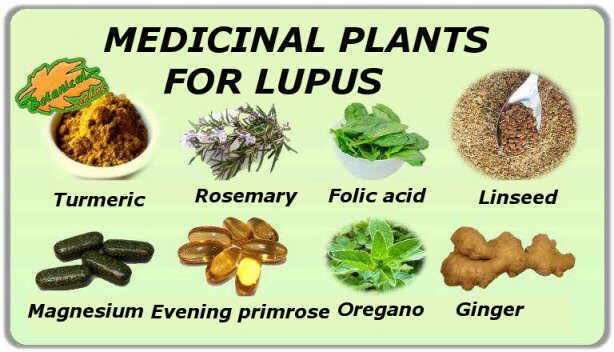
Turmeric is a traditional spice with potent anti-inflammatory properties. Curcumin, the active compound in turmeric, has been shown to inhibit inflammation and reduce pain. Adding turmeric to your diet or taking curcumin supplements under the guidance of a healthcare professional may help manage lupus symptoms.
Ginger
Ginger has long been used for its anti-inflammatory and analgesic properties. It may help reduce pain, inflammation, and swelling associated with lupus. Including ginger in your diet, drinking ginger tea, or taking ginger supplements can be beneficial. However, it is important to note that ginger can interact with certain blood-thinning medications, so it is essential to consult with a healthcare professional before starting ginger supplements.
Probiotics
Probiotics are beneficial bacteria that can help restore and maintain a healthy balance of gut bacteria. Imbalances in gut bacteria have been associated with autoimmune diseases, including lupus. Consuming probiotic-rich foods, such as yogurt or sauerkraut, or taking a probiotic supplement may help support gut health and immune function.
Lifestyle Modifications
In addition to dietary changes and supplements, lifestyle modifications can play a crucial role in managing lupus symptoms and improving overall well-being.
Stress Management
Stress can trigger lupus flares and worsen symptoms. Therefore, finding effective stress management techniques is essential. Incorporating relaxation techniques, exercise, sleep and rest, supportive relationships, and mindfulness practices can help reduce stress levels and promote a sense of well-being.
Relaxation Techniques
Engaging in relaxation techniques, such as deep breathing exercises, progressive muscle relaxation, or guided imagery, can help reduce stress and promote relaxation. These techniques can be practiced regularly or during times of increased stress or flare-ups.
Exercise
Regular exercise can have numerous benefits for individuals with lupus. It can improve cardiovascular health, strengthen muscles and bones, reduce fatigue, and enhance overall well-being. However, it is important to choose low-impact activities, such as walking, swimming, or yoga, and to listen to your body’s limits.
Sleep and Rest
Getting adequate sleep and rest is crucial for individuals with lupus. Fatigue is a common symptom of lupus, and ensuring quality sleep can help manage fatigue and support overall health. Establishing a regular sleep schedule, creating a relaxing bedtime routine, and addressing any sleep disturbances, such as sleep apnea or insomnia, can significantly improve sleep quality.
Supportive Relationships
Building a strong support network is important for individuals with lupus. Surrounding yourself with understanding and supportive family members, friends, or support groups can provide emotional support and a sense of belonging. It is essential to communicate your needs and limitations with your loved ones and to seek professional help when needed.
Mindfulness and Meditation
Practicing mindfulness and meditation can help individuals with lupus cope with stress, manage pain, and improve overall well-being. Mindfulness involves being fully present in the moment and accepting it without judgment. Meditation practices, such as focused breathing or guided meditations, can help promote relaxation and reduce anxiety and stress.
Herbal Remedies
Herbal remedies have been used for centuries in traditional medicine systems to manage various health conditions, including lupus. While herbal remedies should be used with caution and under the guidance of a healthcare professional, some herbs may offer potential benefits for individuals with lupus.
Astragalus
Astragalus is an herb commonly used in traditional Chinese medicine. It has immune-modulating properties and may help support the immune system. However, astragalus can interact with certain medications and may not be suitable for everyone, especially those with autoimmune conditions. Consultation with a healthcare professional is important before using Astragalus.
Cat’s Claw
Cat’s claw is a vine native to the Amazon rainforest. It has anti-inflammatory and immune-enhancing properties and may help reduce inflammation associated with lupus. However, a cat’s claw may interact with certain medications, including blood thinners and immune-suppressing drugs. It is essential to work with a healthcare professional before using a cat’s claw.
Sarsaparilla
Sarsaparilla is a plant commonly used in traditional medicine for its anti-inflammatory and immune-stimulant properties. It may help reduce inflammation and support immune function in individuals with lupus. However, sarsaparilla can interact with certain medications and should not be used by individuals with kidney disease. Consultation with a healthcare professional is necessary before using sarsaparilla.
Licorice Root
Licorice root is a popular herb known for its anti-inflammatory properties. It may help reduce inflammation and support adrenal health in individuals with lupus. However, licorice root can interact with certain medications, increase blood pressure, and cause electrolyte imbalances. It is essential to consult with a healthcare professional before using licorice root.
Ginkgo Biloba
Ginkgo biloba is a well-known herb that has antioxidant and anti-inflammatory properties. It may help improve cognitive function and reduce inflammation in individuals with lupus. However, ginkgo biloba can interact with certain medications, increase the risk of bleeding, and may not be suitable for everyone. Consultation with a healthcare professional is necessary before using ginkgo biloba.
Echinacea
Echinacea is an herb commonly used to support the immune system and reduce the duration and severity of colds and respiratory infections. Some individuals with lupus may use echinacea to support immune function. However, echinacea can stimulate the immune system and may not be suitable for individuals with autoimmune conditions. It is important to consult with a healthcare professional before using echinacea.
Green Tea
Green tea is a popular beverage known for its antioxidant properties. It contains compounds called polyphenols, which have been shown to have anti-inflammatory effects. Incorporating green tea into your diet can provide additional antioxidant support. However, green tea contains caffeine and may interact with certain medications. It is important to consume green tea in moderation and consult with a healthcare professional if you have any concerns.
Chamomile
Chamomile is a gentle herb commonly used for its calming and anti-inflammatory properties. It may help reduce stress, promote relaxation, and relieve inflammation associated with lupus. Drinking chamomile tea or using chamomile-based products can be a soothing addition to a comprehensive lupus management plan.
Alternative Therapies
In addition to natural remedies, certain alternative therapies can provide additional support for individuals with lupus. These therapies focus on the body’s natural healing abilities and can help promote physical, mental, and emotional well-being.
Acupuncture
Acupuncture is a traditional Chinese medicine technique that involves inserting thin needles into specific points on the body. It is believed to balance the flow of energy, or qi, and promote overall well-being. Acupuncture may help reduce pain, manage stress, and support immune function in individuals with lupus.
Massage Therapy
Massage therapy can be beneficial for individuals with lupus by helping to reduce pain, improve circulation, and promote relaxation. Different massage techniques, such as Swedish massage, deep tissue massage, or aromatherapy massage, can be tailored to individual needs and preferences.
Yoga
Yoga combines physical postures, breathing exercises, and meditation to promote physical and mental well-being. It can help improve flexibility, strength, and balance, as well as reduce stress and anxiety. Yoga can be adapted to accommodate the specific needs and limitations of individuals with lupus.
Tai Chi
Tai chi is an ancient Chinese martial art that involves slow and gentle movements, deep breathing, and mindfulness. It can improve balance, flexibility, and overall physical and mental well-being. Tai chi is low-impact and can be suitable for individuals with lupus.
Meditation
Meditation practices, such as mindfulness meditation or guided visualization, can help individuals with lupus manage stress, reduce anxiety, and promote relaxation. Regular meditation can also improve focus, concentration, and overall mental well-being.
Chiropractic Care
Chiropractic care focuses on the relationship between the spine and the nervous system. It involves gentle adjustments of the spine to correct misalignments and improve overall health. Chiropractic care can help manage pain, improve mobility, and promote well-being in individuals with lupus.
Aromatherapy
Aromatherapy involves the use of essential oils to promote physical and emotional well-being. Certain essential oils, such as lavender, eucalyptus, or peppermint, can help reduce pain, ease stress, and promote relaxation. However, it is important to use essential oils with caution and follow proper dilution and usage guidelines.
Managing Lupus Flares
Managing lupus flares is an important aspect of living with the condition. Flares can be unpredictable and vary in severity, but there are strategies that can help minimize their impact.
Identifying Triggers
Identifying triggers that can worsen lupus symptoms or lead to flares is essential. Triggers can vary from person to person but may include exposure to sunlight, certain medications, stress, infections, and hormonal changes. Keeping a symptom and trigger diary can help identify patterns and enable proactive management.
Avoiding Triggers
Once triggers are identified, it is important to take steps to avoid or minimize exposure to them. This may involve using sunscreen and protective clothing when going out in the sun, avoiding known allergens or irritants, managing stress levels, and staying on top of vaccinations and preventive measures to avoid infections.
Rest and Relaxation
During a flare, it is crucial to give your body the rest and relaxation it needs. Restorative rest, such as taking naps or getting a good night’s sleep, can help reduce fatigue and support healing.
Pain Management
Pain is a common symptom of lupus, especially during flares. Over-the-counter pain relievers, such as acetaminophen or NSAIDs, may provide temporary relief for mild to moderate pain. However, it is important to consult with a healthcare professional before taking any medication, as they can have side effects or interact with other medications.
Cold and Hot Therapy
Applying cold packs or using cold compresses can help reduce inflammation, swelling, and pain during flares. On the other hand, applying heat packs or taking warm baths can help relax muscles, ease stiffness, and provide comfort. It is important to listen to your body and use the temperature that feels most soothing.
Hydration
Staying hydrated is important for overall health and can help flush out toxins from the body. During flares, it is especially important to drink enough water to support the immune system and maintain optimal organ function.
Balanced Workload
Managing energy levels and avoiding overexertion is crucial during flares. Balancing work, household tasks, and other responsibilities with adequate rest and self-care can help prevent exacerbation of symptoms and promote healing.

Consulting with a Healthcare Professional
While natural remedies and alternative therapies can be beneficial in managing lupus, it is important to consult with a healthcare professional before making any changes to your treatment plan. A healthcare professional with knowledge and experience in lupus can provide guidance, monitor your progress, and ensure that any natural remedies or therapies you choose are safe and effective.
Discussing Natural Remedies
Before starting any natural remedies or supplements, it is important to discuss them with your healthcare professional. They can provide insight into potential benefits and risks, assess their suitability for your specific condition, and help tailor a treatment plan that complements your traditional medications.
Monitoring Progress
Regular check-ups with your healthcare professional are important to monitor your progress and ensure that your treatment plan is effective. They can assess the impact of natural remedies on your symptoms, adjust medications if necessary, and provide guidance for ongoing management.
Potential Interactions
Some natural remedies and supplements can interact with medications or have potential side effects. It is essential to disclose all the natural remedies, supplements, and medications you are taking to your healthcare professional so that they can assess potential interactions and provide appropriate guidance.
Integrating Natural and Traditional Treatment
Natural remedies and alternative therapies should not replace traditional treatment for lupus. However, when used appropriately and under the guidance of a healthcare professional, they can complement traditional treatment and provide additional support. It is important to take a holistic approach and work with your healthcare professional to find the most effective and individualized treatment plan for you.
Personal Testimonials
Personal testimonials from individuals with lupus can provide insights into their experiences and strategies they have found helpful in managing their condition. While personal experiences can vary, they can offer encouragement and inspiration to others living with lupus.
Experiences of Individuals with Lupus
Many individuals with lupus have shared their experiences with the condition, detailing their struggles, triumphs, and strategies for managing symptoms. These stories can help others with lupus feel understood, find support, and gain new perspectives on coping with the challenges of the disease.
Success Stories Using Natural Remedies
Some individuals with lupus have found success in managing their symptoms by incorporating natural remedies into their treatment plans. While the effectiveness of natural remedies can vary from person to person, hearing success stories can provide hope and motivation for exploring these options in collaboration with a healthcare professional.

Conclusion
Natural remedies, lifestyle modifications, and alternative therapies can be valuable additions to the management of lupus. While they may not replace traditional treatment, they can provide additional support, reduce symptoms, and improve overall well-being. It is important to work closely with a healthcare professional to ensure the safe and effective use of natural remedies, monitor progress, and integrate them into a holistic approach. Each person’s experience with lupus can vary, so it is crucial to find the strategies that work best for you. By taking a proactive and individualized approach to managing lupus, you can enhance your quality of life and empower yourself to live well with the condition.
Related Terms About Natural Remedy For Lupus.
Best Treatment For Lupus Erythematosus, Best Treatment For Lupus In India, Cure For Cutaneous Lupus, Cure For Lupus Found, Cure For Lupus Rash, Cure For Lupus Sle, Cure For Systemic Lupus Erythematosus, Curing Lupus With Diet, How To Ease Lupus Symptoms