Living with Parkinson’s Disease can be challenging, but did you know that there is a natural remedy that can help alleviate its symptoms? In this article, discover an effective and accessible solution that could make a significant difference in managing the impacts of Parkinson’s Disease. By incorporating this natural remedy into your daily routine, you may find relief and improve your quality of life.
Parkinson’s Disease: Understanding the Condition
Parkinson’s Disease is a neurological disorder that primarily affects the motor system, causing symptoms such as tremors, stiffness, and difficulty with movement. This condition occurs due to the degeneration and loss of dopamine-producing cells in a specific region of the brain called the substantia nigra. As a result, there is a disruption in the brain’s ability to coordinate and control movement, leading to the characteristic symptoms of Parkinson’s Disease.
What is Parkinson’s Disease?
Parkinson’s Disease is a progressive disorder that affects the nervous system, particularly the motor system. It is named after James Parkinson, the English physician who first described the condition in 1817. This chronic and debilitating condition impacts approximately 1% of people over the age of 60, making it the second most common neurodegenerative disorder after Alzheimer’s Disease.
Causes of Parkinson’s Disease
The exact cause of Parkinson’s Disease remains unknown. However, researchers believe that it is caused by a combination of genetic and environmental factors. Certain genetic mutations have been identified as risk factors for developing Parkinson’s, although they are relatively rare. Exposure to certain toxins, such as pesticides and herbicides, has also been linked to an increased risk of Parkinson’s Disease. Additionally, advanced age and a family history of the condition are considered risk factors.
Symptoms and Progression
Parkinson’s Disease typically starts with mild and subtle symptoms that gradually worsen over time. The early signs of Parkinson’s can be easily overlooked or attributed to normal aging. The primary symptoms of Parkinson’s include tremors, stiffness, bradykinesia (slowness of movement), and postural instability. Alongside these motor symptoms, individuals with Parkinson’s may experience non-motor symptoms such as depression, anxiety, sleep disturbances, and cognitive changes.
The progression of Parkinson’s Disease varies from person to person. Some individuals may experience a slow and gradual progression, while others may have a more rapid decline in function. As the disease advances, it can significantly impact daily activities and quality of life. It is important to note that Parkinson’s is a chronic condition with no known cure; however, there are treatments available to manage symptoms and slow down the progression of the disease.
Conventional Treatments and Limitations
Conventional treatments primarily focus on managing the symptoms of Parkinson’s Disease. The most common medication prescribed is levodopa, a precursor of dopamine that helps replenish the brain’s dopamine levels. Other medications, such as dopamine agonists and MAO-B inhibitors, are also prescribed to manage motor symptoms. In some cases, deep brain stimulation surgery may be recommended to alleviate tremors and other motor symptoms.
While these conventional treatments can be effective in managing symptoms, they often come with limitations. Medications may lose their effectiveness over time or cause side effects such as nausea, dizziness, and dyskinesias (involuntary movements). Additionally, surgery is not suitable for everyone, and it carries risks and potential complications. As a result, many individuals with Parkinson’s Disease seek alternative approaches to manage their condition and improve their quality of life.
Alternative Approaches to Parkinson’s Disease
As a complementary approach to conventional treatment, many individuals with Parkinson’s Disease explore alternative therapies and natural remedies. These approaches focus on enhancing overall well-being, reducing symptoms, and improving the body’s ability to cope with the effects of the disease. While these alternative approaches may not replace conventional treatments, they can provide additional support and offer potential benefits for individuals living with Parkinson’s.
Overview of Natural Remedies
Natural remedies for Parkinson’s Disease involve using various plant-based products, dietary changes, exercise, and relaxation techniques to promote overall health and alleviate symptoms. These remedies often incorporate the use of herbs, supplements, essential oils, and mind-body practices. It is important to note that while these natural remedies can be beneficial, they should be used under the guidance of healthcare professionals and should not replace or interfere with prescribed medications.
Benefits of Natural Remedies
Natural remedies for Parkinson’s Disease offer several potential benefits. Many herbs and supplements used in these remedies contain compounds that have antioxidant and anti-inflammatory properties, which may help protect brain cells from damage and reduce inflammation in the brain. Additionally, certain herbal remedies and essential oils have been found to have neuroprotective effects and can enhance neurotransmitter function. Moreover, incorporating dietary changes, exercise, and relaxation techniques can improve overall well-being and help manage symptoms such as stiffness, tremors, and depression.
Considerations and Precautions
While natural remedies can be beneficial, it is essential to approach them with caution and consider potential interactions with prescription medications. It is important to consult with a healthcare professional before starting any natural remedy or supplement to ensure it is safe and appropriate for individual circumstances. Additionally, not all natural remedies have been extensively studied or regulated, so it is crucial to seek reputable sources and use them judiciously.
Dietary Changes and Nutritional Supplements
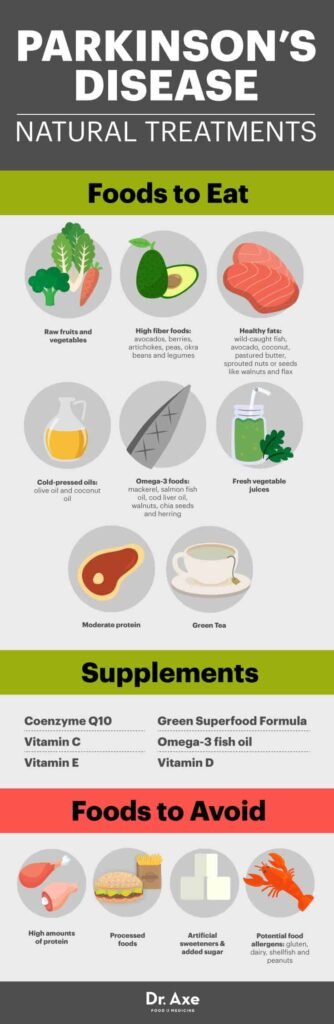
Diet plays a significant role in managing Parkinson’s Disease. Certain foods and nutrients can support overall brain health, reduce inflammation, and optimize medication efficacy. Making dietary changes and incorporating specific nutritional supplements can help individuals with Parkinson’s improve their symptoms and overall well-being.
The Role of Diet in Parkinson’s Disease
A well-balanced and nutrient-rich diet is crucial for individuals with Parkinson’s Disease. A healthy diet can provide the necessary nutrients to support brain health, boost energy levels, and maintain a healthy weight. Additionally, certain foods have been shown to have neuroprotective properties and can help reduce inflammation in the brain.
Recommended Nutritional Approaches
One dietary approach that has gained attention in Parkinson’s research is the Mediterranean diet. This eating pattern focuses on whole foods such as fruits, vegetables, whole grains, lean proteins, and healthy fats. The Mediterranean diet is rich in antioxidants, anti-inflammatory compounds, and essential nutrients that can support brain health.
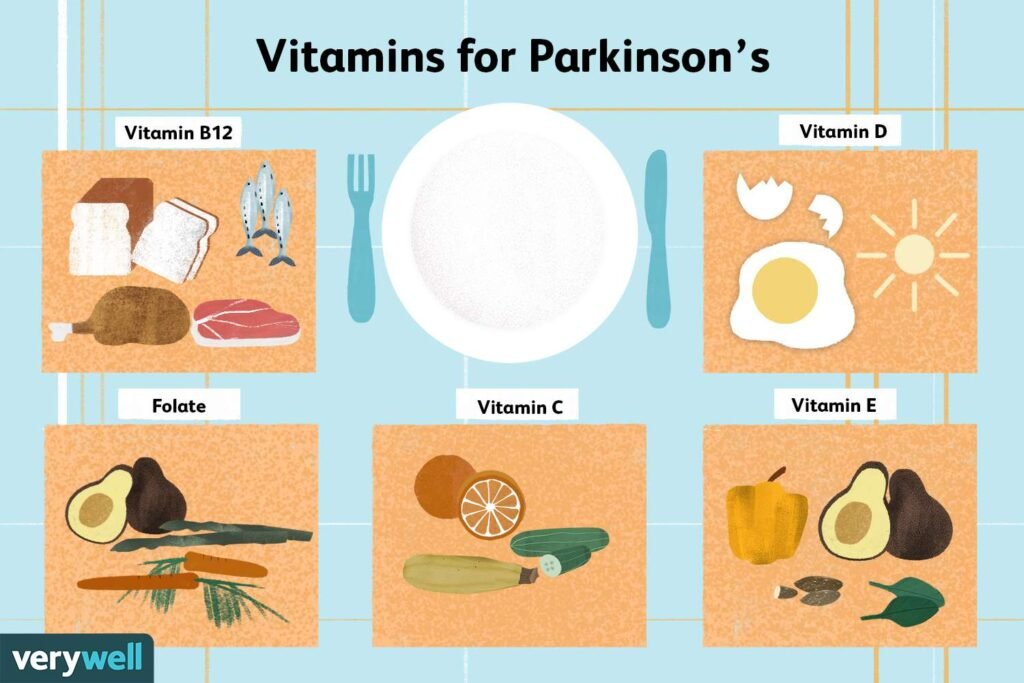
Furthermore, incorporating specific nutrients such as omega-3 fatty acids, vitamin D, and antioxidants through dietary sources or supplements can be beneficial for individuals with Parkinson’s. Omega-3 fatty acids, found in fatty fish, walnuts, and flaxseeds, have anti-inflammatory properties and can support brain health. Vitamin D, obtained through sunlight exposure and fortified foods, is essential for bone health and has been linked to a reduced risk of Parkinson’s. Antioxidants, present in fruits and vegetables, can help combat oxidative stress and protect brain cells.
Essential Nutrients and Supplements
In addition to a balanced diet, certain nutritional supplements may offer further support for individuals with Parkinson’s Disease. Coenzyme Q10, which acts as an antioxidant and energy enhancer, has shown promising results in improving motor symptoms and slowing the progression of the disease. Creatine, an amino acid found in red meat and fish or available as a supplement, has also been studied for its potential neuroprotective effects in Parkinson’s. However, it is important to consult with a healthcare professional before starting any supplements to ensure proper dosage and to consider potential interactions with medications.
Exercise and Physical Therapy
Exercise is a vital component in managing Parkinson’s Disease. Regular physical activity can improve mobility, balance, strength, and overall well-being. Additionally, exercise releases endorphins, which promote a sense of well-being and help manage symptoms of depression and anxiety commonly associated with Parkinson’s Disease.
Exercise as a Complementary Treatment
Exercise is often recommended as a complementary treatment for Parkinson’s Disease due to its positive effects on motor symptoms, cardiovascular health, and mental well-being. Engaging in regular exercise can improve muscle strength, flexibility, balance, and coordination, ultimately enhancing mobility and reducing the risk of falls.
Types of Exercise Beneficial for Parkinson’s Patients
There are several types of exercises that have been found to be beneficial for individuals with Parkinson’s Disease. Aerobic exercises, such as walking, jogging, cycling, and dancing, increase overall cardiovascular fitness and can help improve mobility and reduce stiffness. Strength training exercises, using resistance bands or weights, can enhance muscle strength and endurance, contributing to improved functional abilities.
Furthermore, flexibility exercises, such as yoga or tai chi, promote flexibility, balance, and relaxation. These mind-body practices can also help individuals with Parkinson’s manage stress and anxiety. Finally, balance and gait training exercises, often performed under the guidance of a physical therapist, can help improve stability and reduce the risk of falls.
Physical Therapy Techniques
Physical therapy plays a crucial role in managing Parkinson’s Disease. A physical therapist can design a personalized exercise program and provide guidance on proper technique and progression. They can also teach specific techniques such as the Lee Silverman Voice Treatment (LSVT) Big and Loud programs, which focus on improving coordination, voice clarity, and overall motor function.
Physical therapists may also utilize manual therapy techniques, such as massage and stretching, to relieve muscle tension, improve flexibility, and reduce pain. Additionally, they can educate individuals on safe movements and strategies to compensate for movement difficulties, ensuring optimal functional independence.

Herbal Remedies and Traditional Medicine
Herbal remedies and traditional medicine have been used for centuries to manage various health conditions, including Parkinson’s Disease. These approaches often involve the use of specific herbs and traditional practices that have shown potential in relieving symptoms and supporting overall well-being.
Exploring Herbal Remedies
Herbs have been used in traditional medicine systems such as Ayurveda, Traditional Chinese Medicine, and Western herbalism to support neurological health and manage symptoms associated with Parkinson’s Disease. Certain herbs contain compounds that have been found to protect neurons, reduce inflammation, and enhance neurotransmitter function.
It is important to note that while some studies suggest potential benefits of herbal remedies for Parkinson’s, more research is needed to establish their efficacy and safety. Additionally, herbal remedies should be used under the guidance of a qualified practitioner to ensure proper dosage, minimize potential interactions with medications, and consider individual health conditions.
Promising Herbs for Parkinson’s Disease
Several herbs show promise in managing symptoms and supporting overall well-being for individuals with Parkinson’s Disease. Mucuna pruriens, also known as velvet bean, is a natural source of levodopa, the precursor to dopamine. It has been found to alleviate motor symptoms and improve quality of life.
Another herb commonly used in traditional medicine is Ginkgo biloba. Its antioxidant properties and its ability to improve blood circulation have been associated with improvements in cognitive function and overall brain health. Additionally, ashwagandha, an herb used in Ayurvedic medicine, has shown neuroprotective effects and can help reduce stress and anxiety commonly experienced by individuals with Parkinson’s.
Traditional Medicine Approaches
Traditional medicine systems such as Ayurveda and Traditional Chinese Medicine (TCM) offer holistic approaches to managing Parkinson’s Disease. These systems focus on balancing the body, supporting overall health, and addressing the root cause of the disease rather than just its symptoms.
In Ayurveda, a personalized treatment plan is developed based on an individual’s unique constitution, known as doshas. Through diet, lifestyle modifications, herbal remedies, and specific treatments such as Panchakarma therapy, Ayurveda aims to restore balance and strengthen the body’s innate healing abilities.
TCM, on the other hand, views Parkinson’s Disease as a disruption in the flow of Qi (vital energy) and blood. Treatment may involve acupuncture, herbal medicine, Qi Gong exercises, and dietary recommendations. Acupuncture, in particular, has been found to reduce tremors, alleviate pain, and improve motor function in individuals with Parkinson’s.
While these traditional medicine approaches offer potential benefits, it is important to consult with trained practitioners who have experience in treating Parkinson’s Disease and to integrate these approaches with conventional medical care.
Acupuncture and Acupressure
Acupuncture and acupressure are traditional Chinese healing modalities that aim to restore the balance of Qi (vital energy) in the body. These practices involve the stimulation of specific points along energy pathways, known as meridians, to promote healing, alleviate pain, and improve overall well-being.
Overview of Acupuncture
Acupuncture involves the insertion of thin needles into specific points on the body to stimulate Qi flow and restore balance. This practice is based on the belief that when Qi is disrupted or blocked, it can manifest as physical or emotional symptoms. By targeting specific acupuncture points, an acupuncturist aims to restore the flow of Qi and promote healing.
How Acupuncture Can Help Parkinson’s Patients
Acupuncture has shown promise in managing symptoms associated with Parkinson’s Disease. Research suggests that acupuncture can help reduce tremors, stiffness, and bradykinesia (slowness of movement). It may also improve overall motor function and quality of life.
Acupuncture sessions are typically tailored to an individual’s specific symptoms and needs. The frequency and duration of treatment will vary depending on the severity of the condition. Results may vary, but many individuals with Parkinson’s report a reduction in motor symptoms, improved sleep, decreased anxiety, and increased overall well-being after undergoing acupuncture.
Acupressure Techniques
Acupressure is a non-invasive alternative to acupuncture that involves applying pressure to specific acupoints using fingers, hands, or specialized tools. This technique works on the same principles as acupuncture, stimulating Qi flow to restore balance and relieve symptoms.
Individuals with Parkinson’s can learn acupressure techniques to perform on themselves at home. Using gentle but firm pressure on specific points, they can promote relaxation, reduce pain, and manage symptoms such as tremors or stiffness. Acupressure can be combined with other natural remedies and self-care practices to enhance overall well-being.
Maintaining Mental Health and Well-being
Parkinson’s Disease not only affects physical health but can also have a significant impact on mental health and overall well-being. Managing stress, anxiety, depression, and cognitive changes is crucial for individuals living with Parkinson’s. Several therapeutic approaches can support mental health and enhance overall well-being.
The Importance of Mental Health
Maintaining good mental health is essential for individuals with Parkinson’s Disease, as the condition can lead to increased stress, anxiety, depression, and cognitive changes. These mental health challenges can worsen symptoms, impact daily functioning, and reduce the overall quality of life.
Mindfulness and Meditation Practices
Practicing mindfulness and meditation techniques can help individuals with Parkinson’s manage stress, reduce anxiety, and improve mental well-being. Mindfulness involves paying attention to the present moment without judgment, fostering an attitude of acceptance and compassion. Meditation practices, such as focused breathing or loving-kindness meditation, can induce relaxation, improve emotional resilience, and enhance overall mental health.
Regular mindfulness and meditation practices can provide individuals with Parkinson’s the tools to better cope with the challenges of their condition. These practices can also improve focus, attention, and cognitive function, which may aid in reducing cognitive decline associated with Parkinson’s Disease.
Other Therapeutic Approaches
Several other therapeutic approaches can support mental health and well-being for individuals with Parkinson’s Disease. Cognitive-behavioral therapy (CBT) can help individuals identify and change negative thought patterns, reduce anxiety and depression, and improve overall coping skills.
Support groups and counseling can also be valuable resources for individuals with Parkinson’s and their caregivers. These groups provide a sense of community, emotional support, and the opportunity to share experiences and learn from others facing similar challenges.
Engaging in meaningful activities and hobbies can provide a sense of purpose, promote social connections, and improve overall well-being. Activities such as art therapy, music therapy, and horticultural therapy have shown potential in enhancing mood, reducing stress, and improving quality of life for individuals with Parkinson’s.
Aromatherapy and Essential Oils
Aromatherapy, the therapeutic use of essential oils, can offer support and symptom relief for individuals with Parkinson’s Disease. Essential oils, derived from aromatic plants, possess various therapeutic properties that can promote relaxation, reduce stress, relieve pain, and alleviate certain symptoms associated with Parkinson’s.
Essential Oils for Parkinson’s Symptoms
Certain essential oils can be beneficial in managing specific symptoms of Parkinson’s Disease. Lavender oil, known for its calming and soothing properties, can help alleviate anxiety and promote relaxation. Peppermint oil, with its cooling sensation, can provide relief from muscle stiffness and headaches often experienced by individuals with Parkinson’s.
Furthermore, frankincense oil has anti-inflammatory properties and can help reduce inflammation in the brain. This oil has also been found to potentially protect neurons and support overall neurological health. Lastly, lemon oil, with its uplifting and mood-enhancing qualities, can help combat depression and improve overall well-being.
Methods of Using Essential Oils
Essential oils can be used in various ways to support individuals with Parkinson’s Disease. Inhalation is a common method, where a few drops of essential oil are added to a diffuser or inhaled directly from the bottle. Inhalation allows the aroma of the oil to enter the brain through the olfactory system, affecting mood and promoting relaxation.
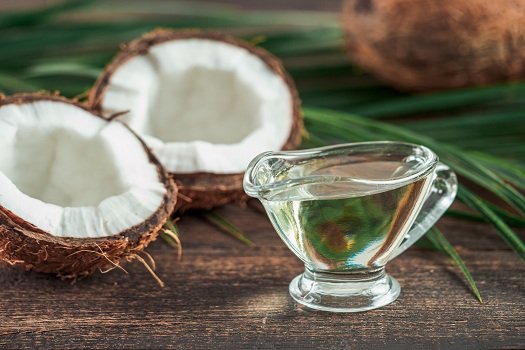
Topical application involves diluting essential oils with a carrier oil, such as coconut or jojoba oil, and applying the mixture to the skin. This method allows the oils to be absorbed into the bloodstream.
Massage and bodywork techniques incorporating essential oils can provide additional benefits for individuals with Parkinson’s. Gentle massage can help reduce muscle stiffness, improve circulation, and provide relaxation. When combined with aromatherapy, massage can enhance the therapeutic effects of essential oils.
Safety and Precautions
When using essential oils, it is important to consider safety precautions. Essential oils are highly concentrated and should be used in moderation, diluted, or under the guidance of a trained aromatherapist. Some essential oils can cause skin irritation or allergic reactions, so it is recommended to perform a patch test before using them topically.
Certain essential oils may also interact with medications or exacerbate certain conditions, so it is vital to consult with a healthcare professional before incorporating essential oils into your Parkinson’s treatment plan. Pregnant or nursing individuals, children, and individuals with certain health conditions should exercise caution and seek guidance from a qualified healthcare practitioner before using essential oils.