
Have you experienced the discomfort and frustrating inconvenience of swollen feet or ankles? Well, fear not! In this article, we’ll reveal an amazing natural remedy that can provide you with quick relief. Say goodbye to uncomfortable swelling and hello to comfortable and happy feet!
Understanding Swollen Feet and Ankles
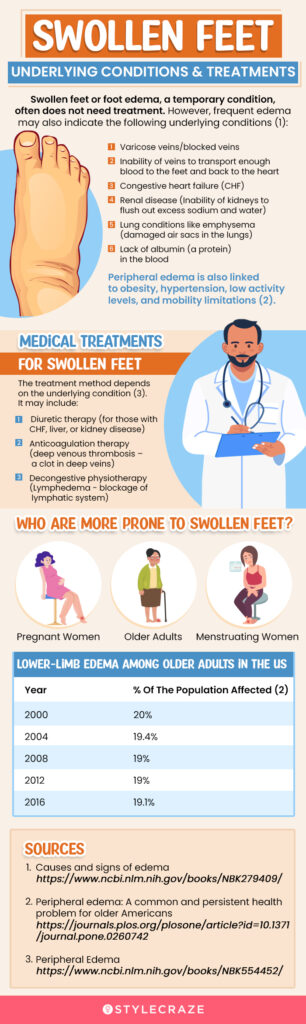
Swollen feet and ankles can be a common occurrence for many people. It is important to understand the causes, symptoms, and when to seek medical attention for this condition. Swelling, also known as edema, occurs when excess fluid builds up in the tissues of the feet and ankles. This buildup can often result in discomfort, pain, and limited mobility. By understanding the underlying causes and implementing various remedies, you can effectively manage and reduce swelling in your feet and ankles.
Causes of Swollen Feet and Ankles
There are several factors that can contribute to swollen feet and ankles. One common cause is poor circulation, which can occur due to long periods of sitting or standing. Other contributing factors may include hormonal changes during pregnancy, injury or trauma to the area, certain medications, excessive salt intake, and certain medical conditions such as kidney disease, heart failure, or venous insufficiency. It is important to identify the underlying cause of your swelling to effectively address the issue.
Common Symptoms
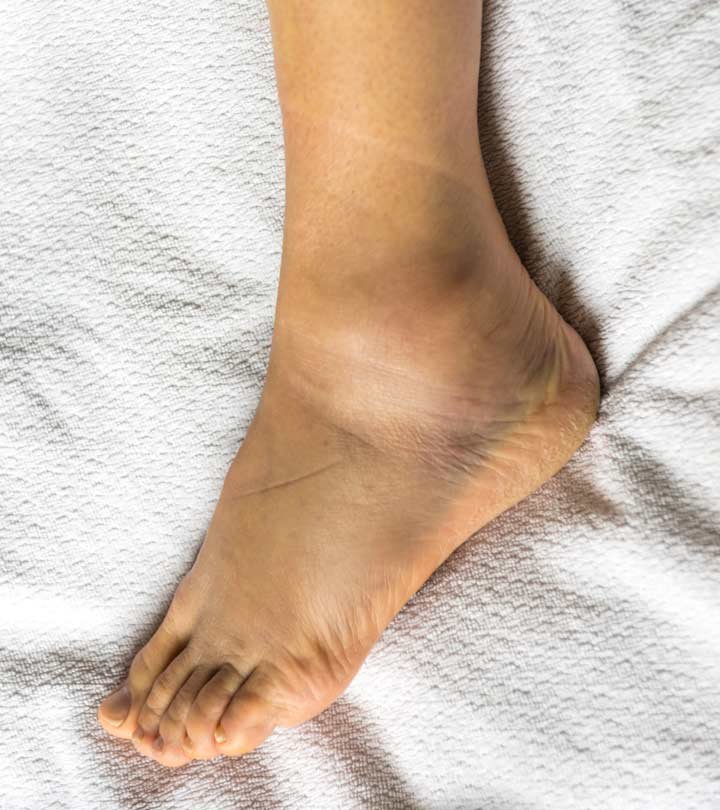
Swollen feet and ankles can present with various symptoms. In addition to the visible puffiness and enlargement of the affected area, you may experience pain or discomfort, tightness in the skin, restricted movement, and a feeling of heaviness. It is important to take note of these symptoms and monitor any changes to determine the severity of the condition.
When to Seek Medical Attention
While swollen feet and ankles can often be managed at home, there are instances when you should seek medical attention. If you notice sudden and severe swelling, accompanied by redness, warmth, or pain, it may be a sign of a blood clot or infection. Additionally, if you have a history of heart or kidney problems, or if the swelling persists and does not improve with home remedies, it is important to consult with a healthcare professional for further evaluation and treatment.
Home Remedies for Swollen Feet and Ankles
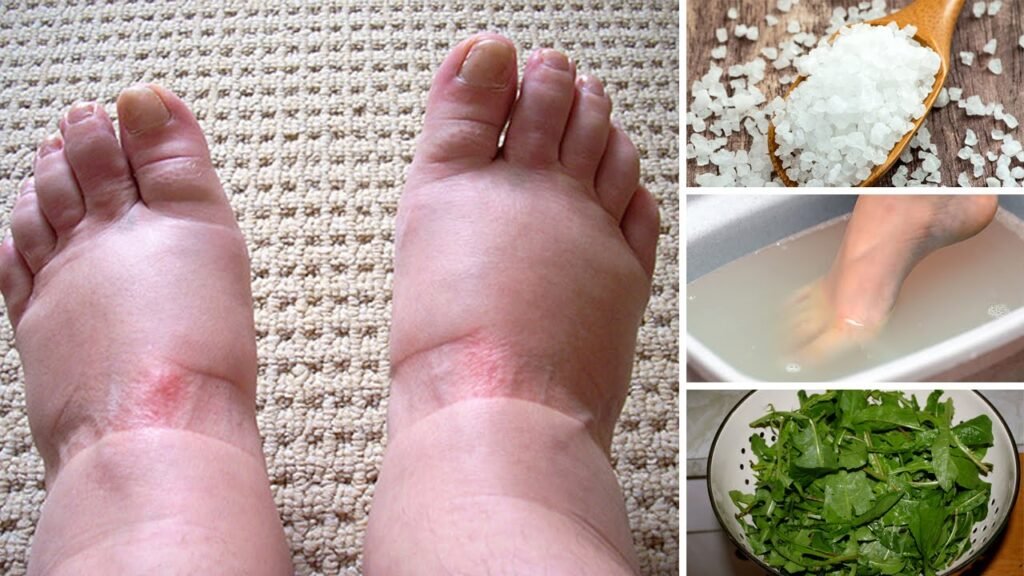
There are several effective home remedies that can help alleviate swelling in the feet and ankles.
Elevate Your Feet
One simple and effective way to reduce swelling is to elevate your feet. By elevating your legs above the level of your heart, you can help promote better circulation and drainage of excess fluid. You can achieve this by propping your feet up on pillows while lying down or by using a footrest when sitting.
Use Cold Compress
Applying a cold compress to the affected area can provide instant relief and help reduce swelling. You can use ice packs, frozen vegetables wrapped in a towel, or a cold towel soaked in cold water. Apply the compress to the swollen area for 15-20 minutes at a time, several times a day.
Massage Your Feet
Gentle massage can help stimulate circulation and reduce swelling in the feet and ankles. Use a moisturizing lotion or oil and gently massage the affected area in circular motions, moving from the toes to the ankles. This can help promote lymphatic drainage and alleviate discomfort.
Soak in Epsom Salt Bath
Taking a warm foot bath with Epsom salt can help reduce swelling and provide relaxation. Add a cup of Epsom salt to a basin of warm water and soak your feet for 15-20 minutes. The magnesium sulfate in Epsom salt can help draw out excess fluid and reduce inflammation.
Stay Hydrated
Drinking an adequate amount of water throughout the day is essential for maintaining proper hydration and promoting healthy circulation. Dehydration can worsen swelling, so it is important to consume enough fluids, especially during hot weather or physical activity.
Exercise Regularly
Regular exercise can help improve circulation and prevent fluid buildup in the feet and ankles. Low-impact exercises such as walking, swimming, or cycling can be beneficial. It is important to start slowly and consult with a healthcare professional before starting any new exercise regimen.
Dietary Changes to Reduce Swelling
In addition to home remedies, making certain dietary changes can help reduce swelling in the feet and ankles.
Reduce Sodium Intake
Excessive salt intake can contribute to water retention and worsen swelling. It is important to minimize your consumption of processed foods, fast food, and salty snacks. Instead, opt for fresh fruits and vegetables, lean proteins, and whole grains.
Increase Potassium-rich Foods
Potassium helps regulate fluid balance in the body and can help reduce swelling. Incorporate potassium-rich foods into your diet, such as bananas, oranges, avocados, spinach, and sweet potatoes.
Consume Anti-inflammatory Foods
Certain foods have natural anti-inflammatory properties and can help reduce swelling. Include foods like fatty fish (such as salmon and tuna), turmeric, ginger, berries, leafy greens, and olive oil in your diet.
Herbal Remedies to Alleviate Swelling
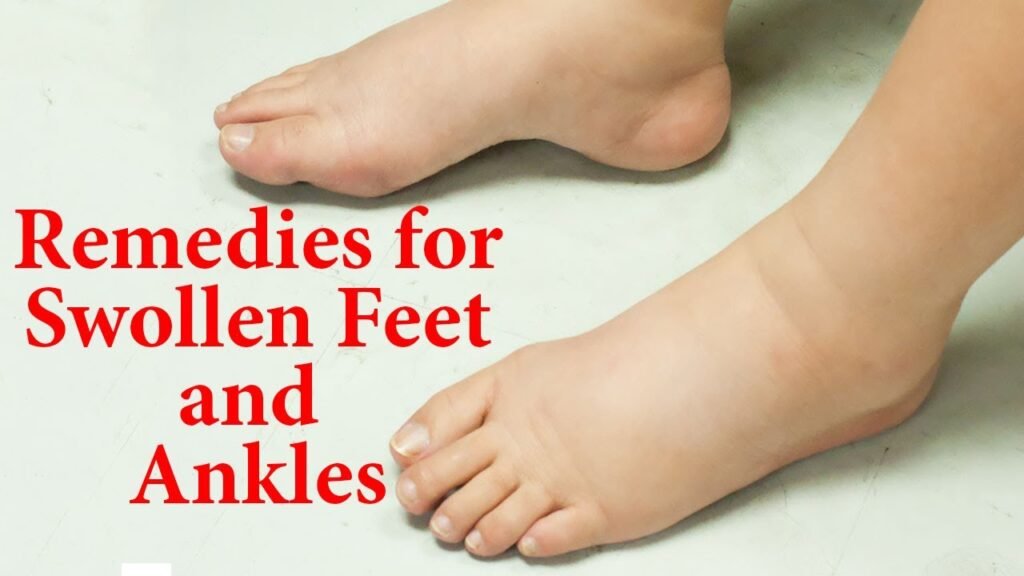
Various herbs and botanicals can aid in reducing swelling and inflammation in the feet and ankles.
Turmeric
Turmeric contains a compound called curcumin, which has potent anti-inflammatory properties. Adding turmeric to your meals or taking a turmeric supplement may help alleviate swelling and provide relief.
Ginger
Ginger has long been used for its anti-inflammatory properties. You can consume ginger in various forms, such as ginger tea, grated ginger in meals, or ginger supplements, to help reduce swelling.
Parsley
Parsley is a diuretic herb that can help increase urine production and reduce fluid retention. You can incorporate parsley into your meals or prepare parsley tea for its beneficial effects.
Dandelion
Dandelion root tea is known for its diuretic properties, helping the body eliminate excess fluid and reduce swelling. Enjoy a cup of dandelion root tea daily to promote fluid balance.
Coriander
Coriander, also known as cilantro, contains essential oils that have anti-inflammatory properties. Adding fresh coriander to your meals or blending it into a smoothie can provide relief from swelling.
Essential Oils for Swollen Feet and Ankles
Essential oils can be used topically to provide relief from swelling and discomfort in the feet and ankles. Here are a few essential oils that can be beneficial:
Lavender Oil
Lavender oil has calming and anti-inflammatory properties. Dilute a few drops of lavender oil in a carrier oil, such as coconut oil, and massage it into the swollen area.
Tea Tree Oil
Tea tree oil has antibacterial and anti-inflammatory properties, which can help reduce swelling and prevent infections. Mix a few drops of tea tree oil with a carrier oil and gently massage it into the affected area.
Peppermint Oil
Peppermint oil has a cooling effect and can help alleviate swelling and discomfort. Mix a few drops of peppermint oil with a carrier oil and apply it to the swollen area, gently massaging it in.

Hydrotherapy Techniques
Hydrotherapy, the use of water in various forms to treat ailments, can be beneficial for reducing swelling in the feet and ankles.
Alternate Hot and Cold Foot Bath
Alternating between hot and cold water can help stimulate circulation and reduce swelling. Fill two basins, one with hot water and the other with cold water. Soak your feet in the hot water for 3-5 minutes, then switch to the cold water for 1-2 minutes. Repeat this process 3-4 times, ending with cold water.
Contrast Hydrotherapy
Contrast hydrotherapy involves alternating between hot and cold compresses. Apply a hot compress to the swollen area for 2-3 minutes, then switch to a cold compress for 1 minute. Repeat this cycle 3-4 times, ending with a cold compress.
Compression Therapy for Swelling
Compression therapy involves using specially designed garments to apply pressure to the swollen area, helping reduce swelling and improving circulation.
Compression Socks or Stockings
Compression socks or stockings are available in different levels of compression. They can improve circulation, prevent fluid buildup, and reduce swelling in the feet and ankles. Ensure you choose the correct size and compression level for the best results.
Compression Wraps
Compression wraps, such as elastic bandages, can be used to immobilize and compress the swollen area. They provide support and help reduce swelling by limiting the accumulation of excess fluid.
Foot Exercises to Reduce Swelling
Performing regular foot exercises can help alleviate swelling and improve circulation.
Ankle Pumps
While sitting or lying down, flex and extend your ankles by pointing your toes downwards and then pulling them towards your body. Repeat this exercise for 10-15 repetitions, several times a day.
Toe Lifts
While sitting or standing, lift your toes off the ground while keeping your heels planted. Hold the position for a few seconds, then lower your toes back down. Repeat this exercise for 10-15 repetitions, several times a day.
Calf Raises
Stand with your feet hip-width apart and rise up onto your toes, lifting your heels off the ground. Hold the position for a few seconds, then lower your heels back down. Repeat this exercise for 10-15 repetitions, several times a day.
Preventive Measures for Swollen Feet and Ankles
Implementing certain preventive measures can help minimize the occurrence of swollen feet and ankles.
Maintain a Healthy Weight
Excess weight can put additional strain on your feet and ankles, contributing to swelling. Maintaining a healthy weight can reduce the pressure on your lower extremities and minimize the risk of swelling.
Avoid Prolonged Standing or Sitting
Sitting or standing for extended periods can impede circulation and increase the likelihood of swelling. Take regular breaks, stretch, and move around to keep blood flowing effectively.
Wear Comfortable Shoes
Ill-fitting shoes can restrict circulation and cause fluid accumulation in the feet and ankles. Opt for comfortable, properly fitting shoes with adequate support to prevent swelling.
Stay Active
Regular physical activity can keep your muscles and blood vessels healthy, improving circulation and reducing the risk of swelling. Engage in low-impact exercises or activities that you enjoy to keep your feet and ankles in optimal condition.
By following these natural remedies and incorporating healthy habits into your daily routine, you can effectively manage and reduce swelling in your feet and ankles. Remember to consult with a healthcare professional if your symptoms persist or worsen to ensure proper evaluation and treatment. Take care of your feet and ankles, and enjoy a life free from discomfort and swelling!
Related Terms About Natural Remedy For Swollen Feet Or Ankles.
Home Remedy For Swollen Feet Ankles And Legs, How Can I Reduce The Swelling In My Ankles And Feet, How To Help With Swollen Ankles And Feet, Natural Remedies For Swelling Ankle Sprain, Natural Remedies For Swollen Feet, Natural Remedy For Swollen Feet And Ankles, Natural Treatment For Swollen Feet And Ankles, Top 10 Natural Remedies For Swollen Ankles Legs And Feet, What Can Help Swollen Ankles And Feet