
Are you tired of dealing with the pain and discomfort of plantar fasciitis? Look no further – we’ve got the natural remedy you’ve been searching for. Plantar fasciitis is a common condition that causes heel pain and can be quite debilitating. But with our all-natural solution, you can finally find relief without resorting to invasive treatments or expensive medications. Say goodbye to the constant ache and take a step towards a pain-free life with our natural remedy for plantar fasciitis.

Causes of Plantar Fasciitis
Overuse or repetitive stress
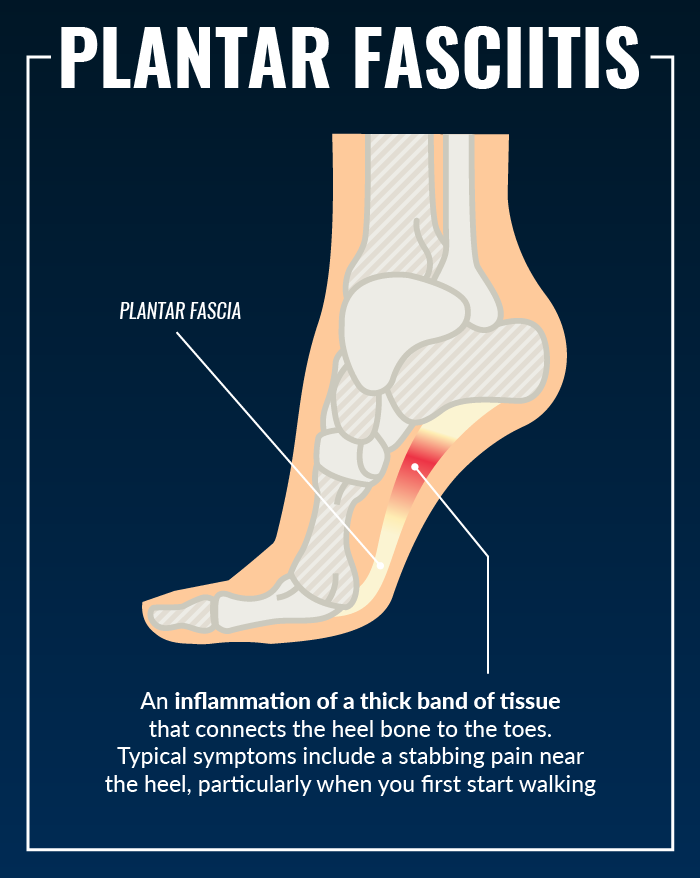
Plantar fasciitis is often caused by overuse or repetitive stress on the plantar fascia, the band of tissue that supports the arch of the foot. This can occur from activities such as running, walking long distances, or standing for prolonged periods of time. When the plantar fascia is subjected to excessive stress, small tears can develop in the tissue, leading to inflammation and pain.
High-impact activities
Engaging in high-impact activities like running and jumping can put increased stress on the plantar fascia, making it more susceptible to injury and inflammation. The repetitive pounding on hard surfaces can lead to microtrauma in the tissue, causing plantar fasciitis.
Improper footwear
Wearing improper footwear, such as shoes with inadequate support or cushioning, can contribute to the development of plantar fasciitis. Shoes that lack arch support or have worn-out soles can strain the plantar fascia and lead to pain and inflammation. It is important to choose shoes that fit well and provide proper support for your feet.
Tight calf muscles
Having tight calf muscles can contribute to plantar fasciitis. The calf muscles and the plantar fascia are connected, and when the calf muscles are tight, they can put increased stress on the plantar fascia. This can lead to pain and inflammation in the foot.
Excessive body weight
Carrying excess body weight can put extra strain on the feet, including the plantar fascia. The additional weight can worsen the stress on the plantar fascia, leading to the development of plantar fasciitis. It is important to maintain a healthy body weight to help prevent this condition.
Symptoms of Plantar Fasciitis
Heel pain
One of the most common symptoms of plantar fasciitis is heel pain. The pain is typically felt on the bottom of the heel and may be sharp or a dull ache. The pain is often worse in the morning or after periods of rest, and it may improve with activity before worsening again later in the day.
Pain in the arch of the foot
In addition to heel pain, individuals with plantar fasciitis may also experience pain in the arch of the foot. This pain may be described as a throbbing or aching sensation. The pain may worsen with weight-bearing activities and can become more intense as the condition progresses.
Stiffness and limited movement
People with plantar fasciitis may experience stiffness and limited movement in their feet. This can make it difficult to walk or participate in activities that require foot flexibility. The stiffness may be particularly noticeable in the morning or after periods of rest.
Pain worsens with prolonged walking or standing
Another common symptom of plantar fasciitis is that the pain tends to worsen with prolonged walking or standing. Activities that put strain on the plantar fascia, such as walking for long distances or standing for extended periods of time, can exacerbate the pain. Individuals may find that they need to take breaks or rest to alleviate the discomfort.
Diagnosing Plantar Fasciitis
Physical examination
To diagnose plantar fasciitis, a healthcare professional will typically perform a physical examination. They will evaluate the affected foot, looking for signs of inflammation, tenderness, and pain. They may also assess the range of motion and strength of the foot and ankle.
Medical history review
In addition to a physical examination, the healthcare professional will review the individual’s medical history. They will ask about any previous foot or ankle injuries, as well as inquire about the nature and duration of the foot pain. This information helps in making an accurate diagnosis of plantar fasciitis.
Imaging tests (X-rays, MRI, ultrasound)
In some cases, imaging tests may be ordered to confirm the diagnosis of plantar fasciitis and rule out other possible causes of foot pain. X-rays can help identify any bony abnormalities, such as bone spurs, that may be contributing to the symptoms. MRI or ultrasound scans can provide a detailed view of the soft tissues, allowing the healthcare professional to assess the condition of the plantar fascia.
Natural Remedies at Home
Rest and reduce activities
One of the first steps in treating plantar fasciitis is to rest the foot and reduce activities that exacerbate the pain. Avoiding high-impact activities, such as running or jumping, can help alleviate the strain on the plantar fascia. Resting the foot allows the tissue to heal and inflammation to subside.
Stretching exercises
Stretching exercises can help improve flexibility and alleviate the tightness in the calf muscles and plantar fascia. Simple exercises like calf stretches, toe stretches, and plantar fascia stretches can be performed regularly to help reduce pain and improve mobility.
Calf muscle massage
Massaging the calf muscles can help relieve tension and tightness, which can contribute to plantar fasciitis. Use your hands or a foam roller to gently massage the calf muscles, focusing on any areas of tightness or discomfort. This can help improve blood flow and reduce muscle tightness.
Ice therapy
Applying ice to the affected area can help reduce pain and inflammation associated with plantar fasciitis. Use an ice pack or wrap ice in a towel and apply it to the heel and arch of the foot for about 15-20 minutes several times a day. Be sure to use a barrier like a towel or cloth to protect the skin from direct contact with the ice.
Using orthotic inserts
Orthotic inserts, such as arch supports or cushioned insoles, can provide additional support to the foot and help relieve pressure on the plantar fascia. These inserts can be easily placed in the shoes and help distribute weight evenly, reducing strain on the fascia.
Wearing appropriate footwear
Choosing appropriate footwear is crucial in managing plantar fasciitis. Look for shoes that offer good arch support, cushioning, and stability. Avoid flat shoes or those with worn-out soles, as they can exacerbate the condition. Wearing supportive footwear can help alleviate strain on the plantar fascia and promote healing.
Night splints
Night splints are devices that are worn while sleeping to keep the plantar fascia and calf muscles in a stretched position. By maintaining a gentle stretch throughout the night, night splints can help relieve morning pain and stiffness associated with plantar fasciitis. They can be particularly beneficial for individuals with tight calf muscles.
Arch supports
Arch supports, also known as orthotic inserts, can provide targeted support to the arch of the foot, which can help alleviate strain on the plantar fascia. These supports can be used in both athletic and casual footwear and can provide added stability and cushioning.
Epsom salt soak
Epsom salt, when added to warm water, can create a soothing soak for the feet. The magnesium sulfate in the Epsom salt is believed to help reduce inflammation and provide pain relief. Soaking the feet in an Epsom salt solution for about 15-20 minutes can be a relaxing and beneficial home remedy for plantar fasciitis.
Topical pain relief
Topical creams or ointments that contain ingredients like menthol, camphor, or capsaicin can provide temporary pain relief for plantar fasciitis. These topical treatments work by numbing the nerve endings and reducing pain signals. Apply the cream or ointment to the affected area and gently massage it into the skin.

Exercise and Stretching Routines
Plantar fascia stretch
To perform a plantar fascia stretch, stand facing a wall with your hands on the wall at chest height. Place the affected foot behind the other foot, keeping the heel flat on the ground. Gently lean forward, keeping the back leg straight. You should feel a stretch along the back of the calf and the arch of the foot. Hold the stretch for 30 seconds and repeat several times a day.
Calf stretch
To stretch the calf muscles, stand facing a wall with your hands on the wall at chest height. Step one foot back, keeping the heel flat on the ground. Bend the front knee and lean forward, ensuring that the back leg remains straight. You should feel a stretch in the calf muscle of the back leg. Hold the stretch for 30 seconds and repeat several times on each leg.
Toe stretch
To stretch the toes, sit on a chair and cross one leg over the other. Take your hand and gently pull back on the toes, creating a stretch along the bottom of the foot. Hold the stretch for 30 seconds and repeat several times on each foot.
Towel curls
To perform towel curls, place a small towel on the floor in front of you. Sit on a chair with your feet flat on the ground, resting on the towel. Use your toes to scrunch up the towel, pulling it towards you. Repeat this motion for several repetitions, focusing on using your toes to curl the towel.
Massage Techniques
Self-massage with a tennis ball
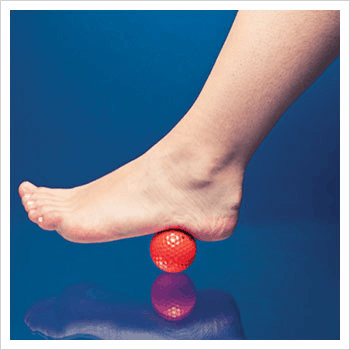
A tennis ball can be a valuable tool for self-massage to relieve foot pain caused by plantar fasciitis. Simply place the tennis ball on the ground and roll the arch of your foot over it. Apply gentle pressure and focus on any areas that feel tight or tender. This can help loosen up the plantar fascia and provide pain relief.
Frozen water bottle massage
Freezing a water bottle and using it to massage the bottom of the foot can help reduce pain and inflammation associated with plantar fasciitis. Roll the frozen bottle back and forth along the arch of the foot, applying moderate pressure. The cold temperature helps numb the pain, while the massage promotes blood flow and relaxation.
Deep tissue massage
For a deeper massage, consider consulting a professional massage therapist who specializes in treating plantar fasciitis. They can use various techniques to target the plantar fascia and surrounding muscles. Deep tissue massage can help release tension and promote healing in the affected area.
Orthotic Inserts and Footwear
Choosing appropriate shoes
When selecting shoes for plantar fasciitis, look for options that provide excellent arch support, cushioning, and stability. The shoes should have a wide toe box to allow for natural toe movement and should fit properly to avoid additional stress on the feet. Opt for shoes made with supportive materials and avoid high heels or flat shoes that lack proper support.
Arch supports and cushioned insoles
Inserting arch supports or cushioned insoles into your shoes can provide additional support and comfort for the feet. These inserts can help distribute your weight evenly and reduce strain on the plantar fascia. They can be particularly beneficial for individuals with high arches or flat feet.
Using heel cups or pads
Heel cups or pads are shoe inserts designed specifically to support the heel and cushion it against impact. These inserts can help absorb shock and relieve pressure on the plantar fascia. Heel cups or pads can be easily inserted into your shoes and are available in various sizes and materials.
Custom orthotics
For severe or persistent cases of plantar fasciitis, custom orthotics may be recommended. These are specially made shoe inserts that are specifically tailored to your feet. Custom orthotics provide optimal support and can help correct biomechanical abnormalities that contribute to plantar fasciitis. They are typically more expensive than over-the-counter orthotics but can offer significant relief and long-term benefits.
Physical Therapy
Stretching and strengthening exercises
Physical therapy is often recommended for individuals with plantar fasciitis, as it can help improve flexibility, strengthen the muscles of the foot and lower leg, and promote healing. A physical therapist can guide you through a personalized exercise program that includes stretching and strengthening exercises targeting the plantar fascia and surrounding muscles.
Iontophoresis
Iontophoresis is a treatment technique that involves the use of a small electrical current to deliver medication, such as anti-inflammatory drugs, directly to the affected area. This can help reduce inflammation and relieve pain. Iontophoresis is typically administered by a healthcare professional, such as a physical therapist.
Ultrasound therapy
Ultrasound therapy utilizes high-frequency sound waves to generate heat within the tissues. This can help increase blood flow to the affected area, promote healing, and reduce pain and inflammation. Ultrasound therapy is a non-invasive treatment that is often used in conjunction with other physical therapy modalities.
Extracorporeal shock wave therapy (ESWT)
Extracorporeal shock wave therapy (ESWT) is a non-invasive procedure that involves the delivery of shock waves to the affected area. These shock waves help stimulate blood flow, promote tissue healing, and reduce pain associated with plantar fasciitis. ESWT is typically administered by a healthcare professional and may require multiple treatment sessions.
Alternative Therapies
Acupuncture
Acupuncture is an alternative therapy that involves the insertion of thin needles into specific points on the body. This ancient Chinese practice has been found to be beneficial in relieving pain and promoting healing in various conditions, including plantar fasciitis. Acupuncture can help stimulate blood flow and release endorphins, which are natural pain relievers.
Chiropractic care
Chiropractic care focuses on aligning the body’s musculoskeletal structure to promote natural healing. A chiropractor can perform adjustments and manipulations to the foot and ankle, helping to improve joint mobility and reduce pain associated with plantar fasciitis. They may also provide guidance on exercises and stretches to complement the treatment.
Prolotherapy
Prolotherapy is a regenerative injection therapy that involves the injection of a solution into the affected area to stimulate tissue regeneration and promote healing. The solution typically contains substances that trigger an inflammatory response, which in turn stimulates the body’s natural healing mechanisms. Prolotherapy has shown promising results in the treatment of chronic pain conditions, including plantar fasciitis.
Pulsed electromagnetic field therapy (PEMF)
Pulsed electromagnetic field therapy (PEMF) utilizes electromagnetic fields to stimulate healing in the body. It has been used for various musculoskeletal conditions, including plantar fasciitis. PEMF devices deliver pulsed electromagnetic waves to the affected area, promoting cellular activity, reducing inflammation, and alleviating pain.
Preventing Plantar Fasciitis
Maintaining healthy body weight
Maintaining a healthy body weight is important for preventing plantar fasciitis. Excess weight puts additional stress on the feet, including the plantar fascia. By maintaining a healthy weight, you can reduce the strain on the fascia and lower your risk of developing the condition.
Wearing supportive footwear
Choosing and wearing supportive footwear is crucial in preventing plantar fasciitis. Opt for shoes that provide adequate arch support, cushioning, and stability. Avoid shoes with flat soles or worn-out insoles. Investing in high-quality, supportive shoes can help protect your feet and prevent the onset of plantar fasciitis.
Gradually increasing activity level
When engaging in physical activities, it is important to gradually increase your activity level. Sudden changes in intensity or duration can place excessive stress on the plantar fascia and increase the risk of injury. Start with a moderate exercise routine and gradually progress to more intense activities over time.
Stretching before and after exercise
Stretching before and after exercise is crucial for warming up the muscles and preventing injury, including plantar fasciitis. Incorporate stretching exercises that target the calf muscles and plantar fascia into your pre and post-exercise routine. This can help improve flexibility, reduce muscle tightness, and minimize the risk of developing plantar fasciitis.
Avoiding excessive running or jumping
Excessive running or jumping can put significant stress on the plantar fascia, increasing the risk of injury and developing plantar fasciitis. It is important to engage in these activities in moderation and ensure proper rest and recovery periods. Additionally, incorporating cross-training activities can help reduce the strain on the foot and minimize the risk of overuse injuries.
Related Terms About Natural Remedy For Plantar Fasciitis.
All Natural Remedies For Plantar Fasciitis, Home Remedies for Plantar Fasciitis, Ayurvedic Home Remedies for Plantar Fasciitis, Easy Home Remedies For Plantar Fasciitis, Home Remedies For Plantar Fasciitis Cure, Home Remedies For Plantar Fasciitis Inflammation, Home Remedies For Severe Plantar Fasciitis, Home Remedy For Plantar Fasciitis Treatment, Home Remedy Remedies For Plantar Fasciitis, How To Cure Plantar Fasciitis Naturally