
If you’ve been unfortunate enough to experience snapping hip syndrome, you’ll know just how frustrating and uncomfortable it can be. But worry not, because in this article we will share a natural remedy that could help alleviate your symptoms. Snapping hip syndrome occurs when a muscle or tendon moves over a bony prominence in the hip joint, causing a snapping or popping sensation. It can cause pain and limit your range of motion, making everyday activities a challenge. But with this natural remedy, you may find relief and get back to your pain-free self in no time.

What is Snapping Hip Syndrome
Snapping Hip Syndrome, also known as coxa saltans, is a condition characterized by a snapping sensation or sound in the hip joint during movement. It is often accompanied by pain and discomfort. This condition can be caused by various factors, including anatomical abnormalities, muscle imbalances, and overuse injuries.
Definition
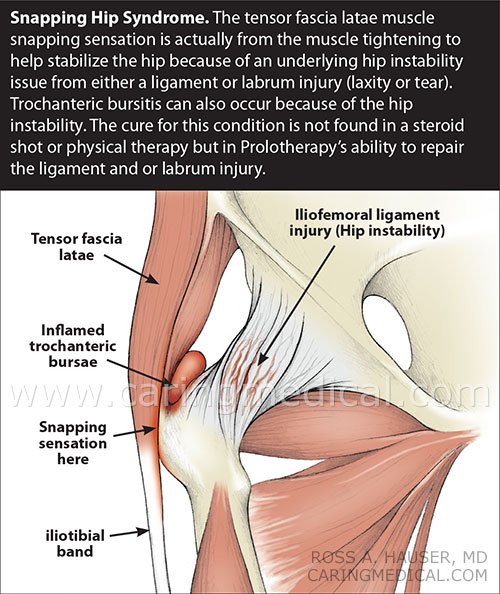
Snapping Hip Syndrome refers to the sensation of snapping or popping in the hip joint. It occurs when the muscles or tendons in the hip move over bony structures, causing friction and producing the characteristic snapping sound. This condition can be classified into two types: internal snapping hip and external snapping hip. An internal snapping hip occurs when the iliopsoas tendon snaps over the iliopectineal eminence, while an external snapping hip is caused by the snapping of the iliotibial band over the greater trochanter.
Causes
There are several factors that can contribute to the development of Snapping Hip Syndrome. One common cause is anatomical abnormalities, such as a shortened iliopsoas tendon or an enlarged iliopectineal eminence. Muscle imbalances, such as tight hip flexors or weak hip abductors, can also lead to this condition. Overuse injuries, repetitive movements, and poor biomechanics during activities such as running or dancing can contribute to the development of Snapping Hip Syndrome.
Symptoms
The symptoms of Snapping Hip Syndrome can vary from person to person. The most common symptom is a snapping sensation or sound in the hip joint during certain movements, such as walking, running, or bending. This snapping sensation is often accompanied by pain or discomfort. Other symptoms may include swelling, stiffness, and limited range of motion in the hip joint. It is important to note that the severity of symptoms can range from mild to disabling, depending on the underlying cause of the condition.
Diagnosis of Snapping Hip Syndrome
If you suspect that you may have Snapping Hip Syndrome, it is important to consult with a healthcare professional for an accurate diagnosis. The diagnosis of this condition usually involves a combination of physical examination, medical history assessment, and diagnostic tests and imaging.
Physical Examination
During a physical examination, your healthcare provider will assess the range of motion in your hip joint and may perform certain maneuvers to reproduce the snapping sensation. They will also check for any signs of swelling, tenderness, or muscle imbalances around the hip joint. This examination will help your healthcare provider identify the type and potential cause of Snapping Hip Syndrome.
Medical History
Your healthcare provider will ask about your symptoms, their onset and frequency, and any factors that may aggravate or alleviate them. They will also inquire about your medical history, including any previous injuries or conditions that may be related to the hip joint. Providing detailed and accurate information will assist your healthcare provider in making an accurate diagnosis and developing an appropriate treatment plan.
Diagnostic Tests and Imaging
In some cases, your healthcare provider may recommend additional diagnostic tests or imaging to confirm the diagnosis of Snapping Hip Syndrome and rule out other possible causes of hip pain and dysfunction. These tests may include X-rays, MRI scans, or ultrasound imaging, which can provide detailed images of the hip joint and surrounding structures. These tests can help identify any anatomical abnormalities or soft tissue injuries that may be contributing to the snapping sensation in the hip.

Conventional Treatments for Snapping Hip Syndrome
There are several conventional treatments available for Snapping Hip Syndrome, ranging from conservative approaches to more invasive interventions. The appropriate treatment option will depend on the severity of symptoms, the underlying cause of the condition, and individual preferences.
Rest and Activity Modification
For mild cases of Snapping Hip Syndrome, conservative treatments such as rest and activity modification may be sufficient to alleviate symptoms. This may involve reducing or avoiding activities that exacerbate the snapping or popping sensation in the hip joint. Taking breaks from repetitive movements and giving the hip joint time to rest and heal can help reduce pain and discomfort.
Physical Therapy
Physical therapy is often recommended as an integral part of the treatment plan for Snapping Hip Syndrome. A physical therapist will design a personalized exercise program to address muscle imbalances, improve flexibility, and strengthen the hip joint. Specific stretching and strengthening exercises can help improve the stability and function of the hip joint, reducing the snapping sensation and promoting pain-free movement.
Nonsteroidal Anti-Inflammatory Drugs (NSAIDs)
Nonsteroidal anti-inflammatory drugs, such as ibuprofen or naproxen, may be recommended to help manage pain and reduce inflammation associated with Snapping Hip Syndrome. These medications can provide temporary relief, but they do not address the underlying cause of the condition. It is important to use NSAIDs as directed and consult with a healthcare professional before starting any new medications.
Corticosteroid Injections
In more severe cases of Snapping Hip Syndrome, corticosteroid injections may be considered to reduce inflammation and provide short-term pain relief. These injections are administered directly into the affected area and are typically performed under the guidance of imaging techniques, such as ultrasound or fluoroscopy. It is important to note that corticosteroid injections are not a long-term solution and should be used sparingly due to potential side effects.
Surgical Interventions
Surgical interventions are considered as a last resort for severe and persistent Snapping Hip Syndrome that does not respond to conservative treatments. The specific surgical procedure will depend on the underlying cause of the condition. Surgical options may include releasing or lengthening tight tendons or muscles, removing bony prominences, or repairing damaged tissues. It is important to discuss the risks, benefits, and expected outcomes of surgery with a healthcare professional before making a decision.
Natural Remedies for Snapping Hip Syndrome
In addition to conventional treatments, certain natural remedies can be incorporated into the management of Snapping Hip Syndrome. These remedies focus on supporting overall hip joint health, reducing inflammation, and promoting healing.
Home Remedies
Home remedies can be effective in managing the symptoms of Snapping Hip Syndrome. Applying ice packs or cold compresses to the affected area can help reduce pain and inflammation. Alternatively, heat therapy in the form of warm compresses or hot baths can help relax the muscles and alleviate discomfort. Using pillows or cushions to elevate and support the hip joint while sleeping or sitting can also provide relief.
Dietary Modifications
Making dietary modifications can help reduce inflammation and support the healing process in the hip joint. Incorporating anti-inflammatory foods, such as fatty fish, leafy greens, berries, and nuts, into your diet can help reduce inflammation and promote joint health. Additionally, supplementing with omega-3 fatty acids, either through dietary sources or supplements, can provide anti-inflammatory benefits. It is also important to maintain proper hydration and electrolyte balance by drinking an adequate amount of water and consuming electrolyte-rich foods.
Herbal Supplements
Herbal supplements have been used for centuries to support joint health and reduce inflammation. Some herbs that may be beneficial for Snapping Hip Syndrome include turmeric, ginger, boswellia, devil’s claw, white willow bark, arnica, and cayenne pepper. These herbs contain natural compounds that possess anti-inflammatory and analgesic properties. It is important to consult with a healthcare professional before starting any herbal supplements, as they may interact with certain medications or have contraindications for certain medical conditions.

Home Remedies for Snapping Hip Syndrome
In addition to the general home remedies mentioned earlier, there are specific home remedies that can be effective in managing Snapping Hip Syndrome.
Ice and Heat Therapy
Applying ice packs or cold compresses to the hip joint for 15-20 minutes at a time can help reduce pain and inflammation. Alternatively, heat therapy in the form of warm compresses or hot baths can help relax the muscles and alleviate discomfort. It is recommended to alternate between ice and heat therapy, starting with cold therapy and finishing with heat therapy, to maximize the benefits.
Stretching and Strengthening Exercises
Stretching and strengthening exercises can help improve the flexibility, stability, and function of the hip joint. Gentle stretching exercises, such as hip flexor stretches and IT band stretches, can help alleviate muscle imbalances and reduce the snapping sensation. Strengthening exercises, particularly targeting the hip abductor and gluteal muscles, can help support the hip joint and prevent further snapping and popping.
Massage and Foam Rolling
Massaging the muscles around the hip joint and using a foam roller can help relieve tension, reduce muscle imbalances, and improve the range of motion. Gentle massage techniques, such as effleurage and petrissage, can be performed using the fingertips or a massage ball. Foam rolling involves using a foam cylinder or ball to apply pressure to the muscles and fascia, promoting muscle relaxation and flexibility.
Using Supportive Devices
Using supportive devices, such as hip braces or compression sleeves, can help stabilize the hip joint and reduce the snapping sensation. These devices provide additional support and compression to the muscles and tendons around the hip, promoting proper alignment and reducing friction during movement. It is important to consult with a healthcare professional to determine the most suitable supportive device for your specific needs.
Dietary Modifications for Snapping Hip Syndrome
In addition to the general dietary modifications mentioned earlier, there are specific dietary modifications that can be beneficial for managing Snapping Hip Syndrome.
Anti-Inflammatory Foods
Incorporating anti-inflammatory foods into your diet can help reduce inflammation and support joint health. Foods rich in omega-3 fatty acids, such as fatty fish (salmon, mackerel, sardines), flaxseeds, chia seeds, and walnuts, have been shown to have anti-inflammatory properties. Leafy greens, such as spinach, kale, and broccoli, are also rich in antioxidants and can help reduce inflammation.
Supplementing with Omega-3 Fatty Acids
Supplementing with omega-3 fatty acids can provide additional anti-inflammatory benefits for Snapping Hip Syndrome. Fish oil supplements are a common source of omega-3 fatty acids and are available in capsule or liquid form. It is important to choose a high-quality supplement that has been tested for purity and potency. Consult with a healthcare professional to determine the appropriate dosage for your specific needs.
Hydration and Electrolyte Balance
Maintaining proper hydration and electrolyte balance is essential for overall joint health and function. Drinking an adequate amount of water throughout the day can help keep the joints lubricated and reduce the risk of inflammation. Consuming electrolyte-rich foods, such as bananas, oranges, avocados, and coconut water, can help replenish electrolytes lost through sweat during physical activity. Maintaining hydration and electrolyte balance can promote optimal performance and recovery of the hip joint.
Herbal Supplements for Snapping Hip Syndrome
In addition to the general herbal supplements mentioned earlier, there are specific herbal supplements that have been used to alleviate symptoms of Snapping Hip Syndrome.
Turmeric
Turmeric is a widely used spice that contains a compound called curcumin, which has potent anti-inflammatory and analgesic properties. In supplement form, curcumin can help reduce inflammation and alleviate pain associated with Snapping Hip Syndrome. It is important to choose a high-quality turmeric supplement that contains standardized levels of curcumin. Curcumin supplements are often combined with black pepper extract (piperine) to enhance absorption.
Ginger
Ginger is another herb known for its anti-inflammatory and pain-relieving properties. It contains compounds called gingerols, which possess similar effects to nonsteroidal anti-inflammatory drugs (NSAIDs). Ginger can be consumed in various forms, including fresh ginger root, ginger tea, or ginger supplements. It is important to follow the recommended dosage guidelines and consult with a healthcare professional before starting any ginger supplements.
Boswellia
Boswellia, also known as Indian frankincense, has been used in traditional medicine for centuries to alleviate joint pain and inflammation. It contains Boswellia acids, which have been shown to inhibit inflammatory pathways in the body. Boswellia supplements can be a beneficial addition to the management of Snapping Hip Syndrome. It is important to choose a reputable brand that provides standardized levels of boswellic acids.
Devil’s Claw
Devil’s Claw is an herb native to southern Africa that has been traditionally used to relieve joint pain and inflammation. It contains compounds called harpagosides, which have anti-inflammatory and analgesic properties. Devil’s Claw supplements can help reduce pain associated with Snapping Hip Syndrome. It is important to consult with a healthcare professional before starting any Devil’s Claw supplements, as they may interact with certain medications or have contraindications for certain medical conditions.
White Willow Bark
White willow bark has been used for centuries as a natural pain reliever. It contains a compound called salicin, which is a precursor to aspirin. White willow bark supplements can help alleviate pain and reduce inflammation in Snapping Hip Syndrome. It is important to follow the recommended dosage guidelines and consult with a healthcare professional before starting any white willow bark supplements, especially if you have any allergies to salicylates or are taking blood-thinning medications.
Arnica
Arnica is a flowering plant that has been used topically for centuries to reduce pain and inflammation. It contains compounds that stimulate blood circulation and reduce swelling. Arnica gel or cream can be applied topically to the affected area to provide temporary relief from pain and promote healing. It is important to follow the manufacturer’s instructions and avoid using arnica on broken skin or open wounds.
Cayenne pepper
Cayenne pepper contains a compound called capsaicin, which has natural analgesic properties. Capsaicin works by temporarily desensitizing nerve receptors, and reducing pain sensations. Applying cayenne pepper cream or ointment topically to the affected area can provide temporary pain relief. It is important to wash your hands thoroughly after applying cayenne pepper products and avoid contact with your eyes or mucous membranes.
Prevention and Lifestyle Changes
Prevention and lifestyle changes play a crucial role in managing Snapping Hip Syndrome and preventing its recurrence. By adopting healthy habits and making positive changes, you can support the overall health and function of your hip joint.
Maintaining a Healthy Weight
Excess weight can put a strain on the hip joint and increase the risk of developing or exacerbating Snapping Hip Syndrome. Maintaining a healthy weight through regular exercise and a balanced diet can help reduce the load on the hip joint, improve mobility, and decrease the risk of injury.
Proper Exercise Techniques
Using proper exercise techniques is essential to minimize the risk of developing Snapping Hip Syndrome. It is important to warm up before physical activity to increase blood flow to the muscles and prepare them for movement. Avoiding overuse or repetitive movements that strain the hip joint can help prevent muscle imbalances and reduce the risk of injury. Engaging in activities that strengthen the hip abductors and gluteal muscles can promote stability and prevent snapping sensations.
Avoiding Overuse or Repetitive Movements
Overusing or performing repetitive movements can strain the hip joint and contribute to the development of Snapping Hip Syndrome. It is important to vary your activities and give your body time to recover after intense or prolonged physical activity. Incorporating cross-training or alternative exercises can help prevent overuse injuries and reduce the risk of snapping sensations in the hip.
Warming Up and Cooling Down
Warming up before physical activity and cooling down afterward can help minimize the risk of injury and reduce the severity of snapping sensations in the hip. A proper warm-up routine should include dynamic stretching, light cardiovascular exercise, and activation exercises for the hip muscles. Cooling down should involve static stretching and gentle movements to promote muscle relaxation and recovery.
Wearing Proper Footwear
Wearing proper footwear that provides adequate support and cushioning can help reduce the impact on the hip joint during physical activity. Choose shoes that are specifically designed for the type of activity you are engaging in and replace them regularly to ensure optimal support. Orthotic inserts or arch supports may also be beneficial for individuals with foot or gait abnormalities that contribute to Snapping Hip Syndrome.

When to Seek Medical Advice
While many cases of Snapping Hip Syndrome can be managed with conservative treatments and natural remedies, there are situations where medical advice should be sought.
Persistent or Worsening Symptoms
If your symptoms persist or worsen despite trying conservative treatments and natural remedies, it is important to consult with a healthcare professional. They can reassess your condition, perform additional diagnostic tests if necessary, and recommend alternative treatment options.
Severe Pain or Limited Mobility
If you experience severe pain or have limited mobility in the hip joint, it is important to seek medical advice. These symptoms may indicate a more serious underlying condition or injury that requires prompt evaluation and treatment.
Signs of Infection
If you develop signs of infection, such as redness, warmth, swelling, or fever, it is important to seek immediate medical attention. In rare cases, Snapping Hip Syndrome can be complicated by infection, which may require antibiotic treatment.
Conclusion
Snapping Hip Syndrome can be a bothersome condition that affects the hip joint and causes a snapping sensation or sound during movement. While conventional treatments such as rest, physical therapy, medications, and surgical interventions can be effective, incorporating natural remedies can provide additional support and promote overall hip joint health. Home remedies, dietary modifications, and herbal supplements can be valuable additions to the management of Snapping Hip Syndrome. It is important to consult with a healthcare professional to develop an individualized treatment plan that best suits your needs and to ensure proper diagnosis and monitoring. By combining a variety of approaches and making lifestyle changes, you can effectively manage Snapping Hip Syndrome and improve your quality of life. Remember to always prioritize your health and consult with a healthcare professional for personalized advice and guidance.
Related Terms About Natural Remedy For Snapping Hip Syndrome.
Can Snapping Hip Syndrome Be Cured, Does Snapping Hip Syndrome Go Away, How To Help Snapping Hip Syndrome, Treatment For Snapping Hip Syndrome Stretches, What Makes Snapping Hip Syndrome Worse