
Having a headache can be a bothersome experience, but did you know that certain risk factors can increase your chances of developing one? In this article, we will explore the various risk factors that can contribute to headaches and discuss preventive measures you can take to minimize their occurrence. Whether you are prone to tension headaches, migraines, or cluster headaches, understanding these risk factors and implementing the necessary precautions can help you find relief and improve your overall well-being. So, let’s dive into the world of headaches and discover how to better manage them.
Risk Factors for Headaches
Genetics
Genetics can play a significant role in determining your susceptibility to headaches. If there is a family history of migraines or other types of headaches, you may have a higher risk of experiencing them yourself. Inherited conditions, such as cluster headaches or tension headaches, can also increase your likelihood of developing headaches.
Hormonal Changes
Hormonal changes can trigger headaches, particularly in women. Fluctuations in estrogen levels during the menstrual cycle, pregnancy, and menopause can all contribute to the onset of headaches. The exact mechanisms behind the relationship between hormones and headaches are not fully understood, but it is believed that hormonal imbalances can disrupt the normal functioning of the brain and nervous system.
Lifestyle Factors
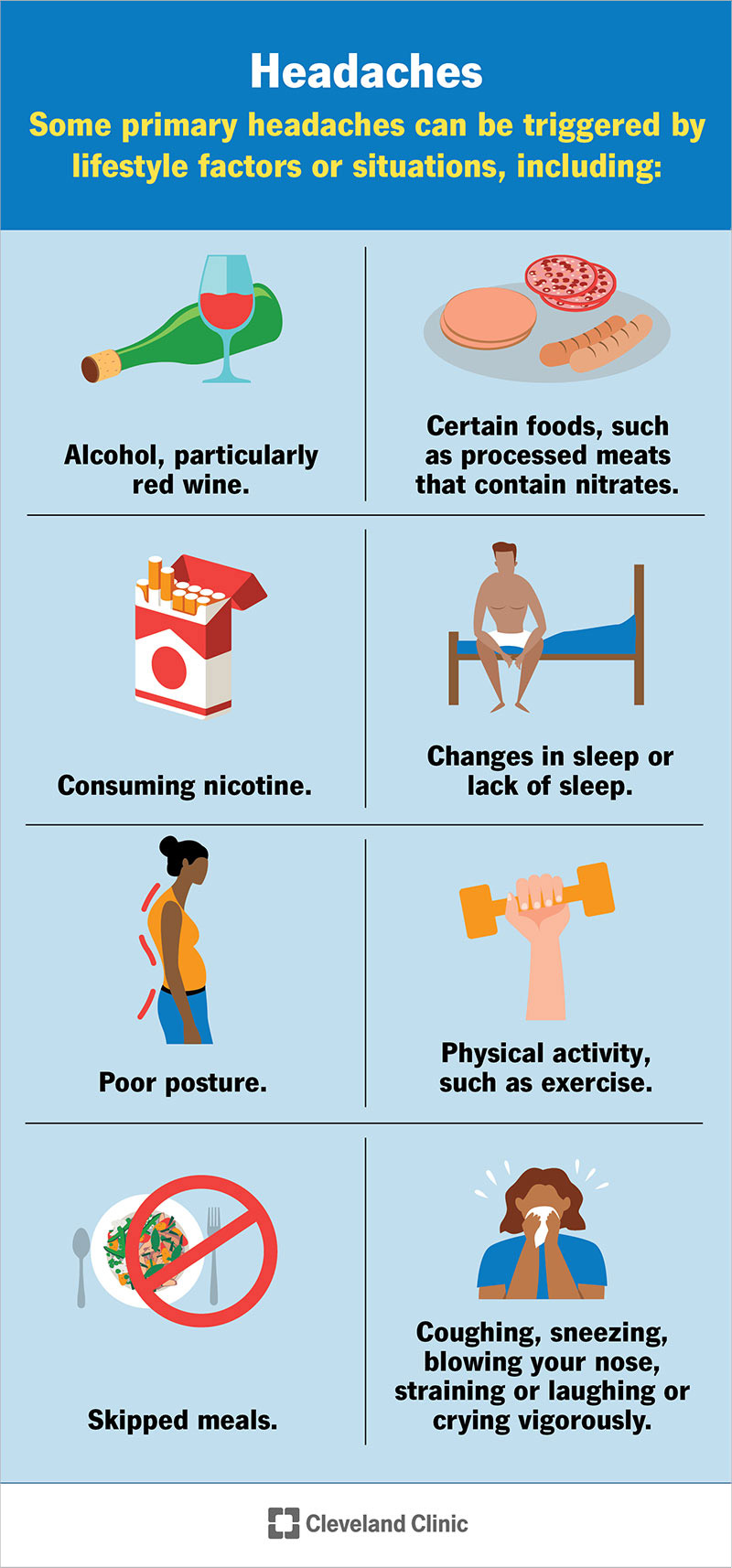
Certain lifestyle factors can increase your risk of developing headaches. Irregular meal times and skipping meals can lead to low blood sugar levels, which can trigger headaches. Additionally, excessive consumption of caffeine and alcohol can also contribute to the development of headaches. Lack of physical activity and poor sleep habits can further exacerbate your risk of experiencing headaches. Finally, spending excessive amounts of time in front of screens, such as computers or smartphones, can strain your eyes and contribute to headaches.
Environmental Factors
Various environmental factors can act as triggers for headaches. Bright lights, such as sunlight or fluorescent lighting, can be particularly problematic for individuals prone to headaches. Similarly, loud noises and strong odors can also contribute to headaches. Additionally, extreme weather conditions, such as high temperatures or changes in atmospheric pressure, can trigger headaches in some individuals.
Medical Conditions
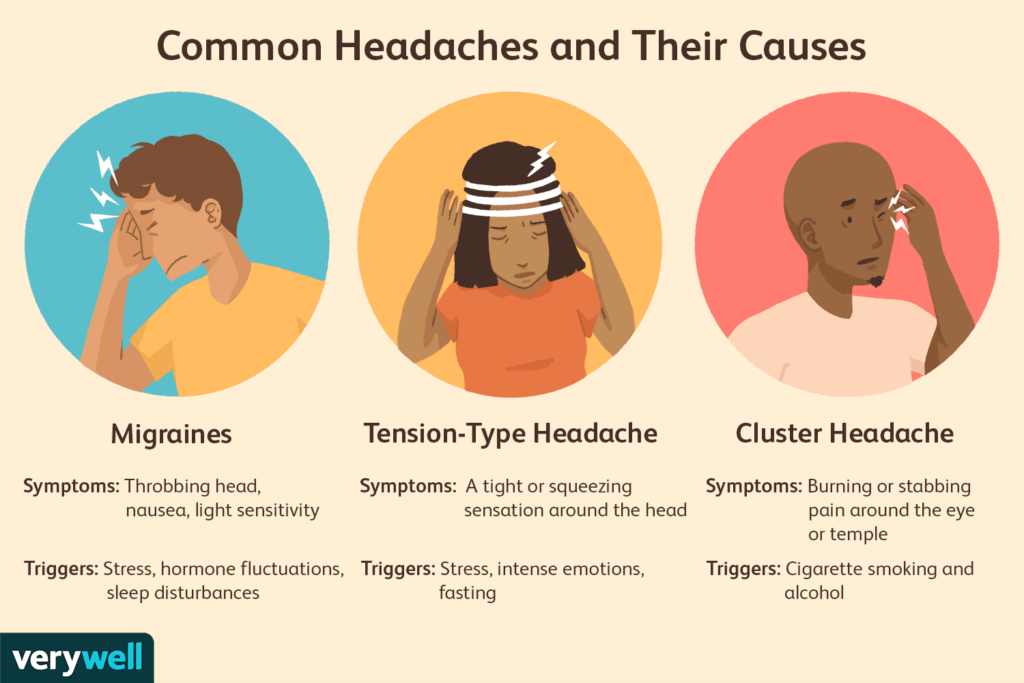
Several underlying medical conditions can increase your susceptibility to headaches. Migraines are a common type of headache disorder characterized by severe throbbing pain, often accompanied by other symptoms such as nausea and sensitivity to light and sound. Tension headaches, on the other hand, are typically characterized by a dull, aching pain that can be felt on both sides of the head. Other medical conditions that can cause headaches include sinusitis, brain tumors, traumatic brain injuries, temporomandibular joint disorders (TMJ), and infections.
Medications
Certain medications can cause headaches as a side effect. Additionally, overusing pain medications can lead to medication rebound headaches, where the headache pain returns or worsens after the medication wears off. It is important to use medications as prescribed and to avoid excessive use of over-the-counter pain medications to prevent these types of headaches.
Sleep Disorders
Sleep disorders can significantly increase your risk of experiencing headaches. Insomnia, characterized by difficulty falling asleep or staying asleep, can lead to chronic sleep deprivation, which can trigger headaches. Sleep apnea, a condition where breathing repeatedly stops and starts during sleep, can also contribute to the development of headaches. Restless legs syndrome (RLS), which causes uncomfortable sensations and an urge to move the legs, can disrupt sleep and lead to headaches.
Stress and Emotional Factors
Stress and emotional factors are widely recognized as common triggers for headaches. High levels of stress can lead to muscle tension and increased activation of the nervous system, both of which can contribute to headaches. Emotional factors, such as anxiety, depression, or even excitement, can also lead to the development of headaches.
Diet and Hydration
Your diet and hydration status can have a significant impact on your susceptibility to headaches. Skipping meals or having irregular meal times can cause low blood sugar levels, which can trigger headaches. Similarly, excessive consumption of caffeine and alcohol can act as triggers for headaches. It is important to maintain a balanced diet and stay properly hydrated to minimize the risk of headaches.
Smoking and Alcohol Consumption
Smoking and excessive alcohol consumption are known risk factors for headaches. Nicotine in cigarettes can trigger migraines and other types of headaches. Alcohol, especially certain types like red wine, can also act as a trigger for headaches in susceptible individuals. To reduce the risk of headaches, it is advised to quit smoking and limit alcohol consumption.
Precautions to Prevent Headaches
Maintain a Regular Sleep Schedule
One of the key preventive measures for headaches is to maintain a regular sleep schedule. Going to bed and waking up at consistent times can help regulate your circadian rhythm and minimize the risk of sleep-related headaches. Aim for seven to eight hours of quality sleep each night.
Manage Stress Levels
Stress management is crucial in preventing headaches. Find effective techniques to reduce stress, such as deep breathing exercises, meditation, yoga, or engaging in hobbies and activities that bring you joy. By keeping stress levels in check, you can lower the chances of experiencing stress-induced headaches.
Practice Regular Exercise
Regular physical exercise can help prevent headaches by promoting good blood circulation, reducing muscle tension, and promoting the release of endorphins, which are natural pain-relieving chemicals in the brain. Aim for at least 30 minutes of moderate-intensity exercise on most days of the week.
Stay Hydrated
Dehydration is a common trigger for headaches, so it is essential to stay hydrated throughout the day. Drink an adequate amount of water and limit consumption of dehydrating substances such as caffeinated beverages and alcohol. Remember to listen to your body’s thirst cues and drink enough fluids to keep hydrated.
Eat a Balanced Diet
A balanced diet plays a vital role in headache prevention. Avoid skipping meals and maintain regular meal times to prevent low blood sugar levels. Incorporate plenty of fruits, vegetables, whole grains, lean proteins, and healthy fats into your diet. Limit your intake of trigger foods, such as processed foods, artificial sweeteners, and foods containing high levels of monosodium glutamate (MSG).
Avoid Triggers
Identify and avoid triggers that are known to cause headaches in you. This may include certain foods, strong smells or odors, bright lights, loud noises, or stressful situations. By recognizing your personal triggers and taking steps to avoid them, you can significantly reduce the frequency and intensity of headaches.
Manage Hormonal Changes
If hormonal changes trigger your headaches, consider hormone therapy or other treatments under the guidance of your healthcare provider. Some contraceptive methods or medications specifically designed to manage hormone fluctuations can help regulate your hormones and minimize the occurrence of hormonal headaches.
Create a Relaxing Environment
Ensure that your environment is conducive to relaxation and stress reduction. Keep your home and workspace free of clutter and create calming spaces with diffusers, soft lighting, and comfortable seating. Make time for relaxation activities, such as taking warm baths, practicing mindfulness, or listening to calming music.
Practice Good Posture
Maintaining good posture throughout the day can help prevent tension headaches and minimize strain on the neck and upper back muscles. Sit and stand with your spine aligned, shoulders relaxed, and avoid hunching or slouching. If you work at a desk for long periods, make sure your workstation is ergonomically set up to support good posture.
Avoid Overusing Medications
Overuse of pain medications, including over-the-counter drugs like ibuprofen or acetaminophen, can lead to medication rebound headaches. Follow the prescribed dosage instructions for your medications and consult with your healthcare provider if you find yourself relying on pain medications too frequently. They can help you find alternative treatments and strategies to manage your headaches.
By understanding and mitigating the various risk factors for headaches and implementing these precautions, you can significantly reduce the frequency and impact of headaches in your daily life. Remember to consult with a healthcare provider for personalized advice and guidance on managing and preventing headaches. With the right strategies in place, you can regain control and enjoy a headache-free life.
