
Living with epilepsy can be a challenging experience, but understanding the risk factors and taking necessary precautions can help you effectively manage this condition. In this article, we will explore the various factors that contribute to the development of epilepsy and delve into the precautions you can take to minimize the risks associated with seizures. By arming yourself with knowledge and adopting appropriate strategies, you can lead a fulfilling and safe life, even with epilepsy.
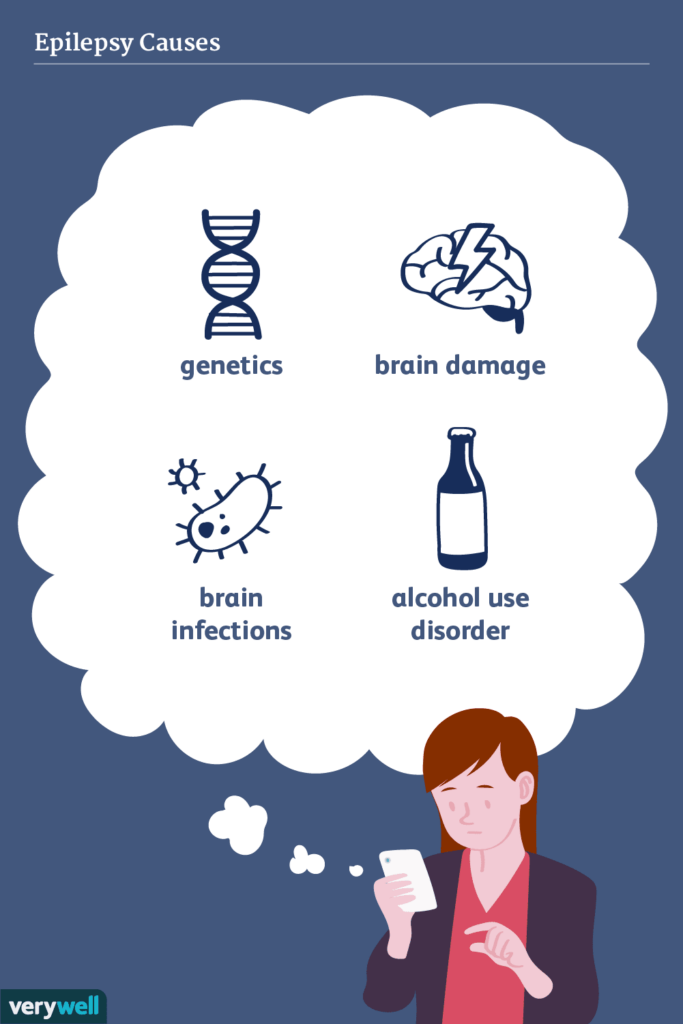
Risk Factors for Epilepsy
Epilepsy is a neurological disorder that affects millions of people worldwide. While the exact cause of epilepsy is often unknown, there are several risk factors that have been identified. Understanding these risk factors can help individuals take precautions to reduce their risk of developing epilepsy.
Family History
A significant risk factor for epilepsy is having a family history of the disorder. Research has shown that individuals with a close relative, such as a parent or sibling, with epilepsy are at a higher risk of developing the condition themselves. The genetic predisposition to epilepsy is not fully understood, but scientists believe that certain gene mutations may play a role in its development.
Age
Age is another important risk factor for epilepsy. While the disorder can occur at any age, there are specific age groups that are more susceptible. Infants and young children are particularly vulnerable to developing epilepsy due to their still-developing brains. On the other hand, epilepsy becomes more common in the elderly population due to age-related factors such as brain degeneration and an increased risk of strokes.
Head Injuries
Head injuries, particularly traumatic brain injuries, can increase the risk of epilepsy. Accidents, falls, sports-related injuries, or any impact that causes damage to the brain can disrupt the normal electrical activity, leading to seizures. Concussions and penetrating injuries are also potential risk factors for epilepsy development.
Brain Conditions
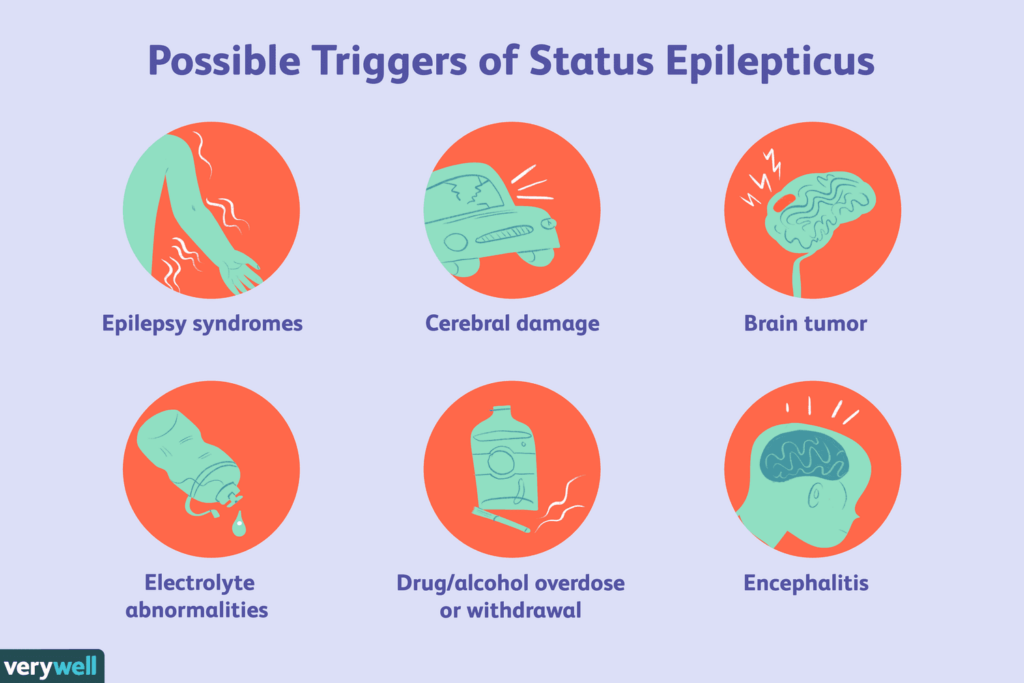
Certain brain conditions are associated with a higher risk of developing epilepsy. Brain tumors, both benign and malignant, can cause seizures and increase the likelihood of epilepsy. Strokes, which can disrupt blood flow to the brain, can also lead to the development of epilepsy. Alzheimer’s disease, meningitis, and encephalitis are other brain conditions that may increase the risk.
Seizure Types
Different types of seizures can be a risk factor for epilepsy. Idiopathic generalized epilepsy refers to seizures that occur without an apparent cause, usually with a strong genetic component. Temporal lobe epilepsy, which affects the temporal lobes of the brain, is the most common type of epilepsy in adults. Frontal lobe epilepsy and absence seizures are other seizure types that can increase the risk of developing epilepsy.
Excessive Alcohol and Drug Use
Excessive alcohol and drug use can significantly increase the risk of epilepsy. Heavy drinking and alcohol abuse can damage the brain’s structure and lead to seizures. Illicit drug use, particularly drugs that directly affect the brain’s chemistry, can also trigger seizures and contribute to the development of epilepsy.
Stroke and Cardiovascular Diseases
Individuals with a history of stroke or cardiovascular diseases may have an increased risk of developing epilepsy. Atrial fibrillation, a heart rhythm disorder, has been associated with an elevated risk of seizures and epilepsy. High blood pressure and heart disease can also disrupt the normal functioning of the brain and increase the likelihood of seizures.
Cognitive Disorders
Certain cognitive disorders, such as intellectual disability and autism spectrum disorders, are associated with a higher risk of epilepsy. The exact relationship between these conditions and epilepsy is not fully understood, but researchers believe that the underlying neurological abnormalities may contribute to the development of seizures.
Infections
Infections that affect the brain or its surrounding tissues can be a risk factor for epilepsy. Meningitis, an inflammation of the membranes surrounding the brain and spinal cord, can lead to seizures and increase the likelihood of epilepsy. Encephalitis, an inflammation of the brain itself, is another infection that can cause seizures and increase the risk of epilepsy.
Genetic Factors
In addition to family history, certain genetic factors can contribute to the risk of developing epilepsy. Researchers have identified specific gene mutations that may increase the susceptibility to seizures and epilepsy. Understanding these genetic factors can help in early detection and prevention strategies.
Precautions to Reduce Epilepsy Risk
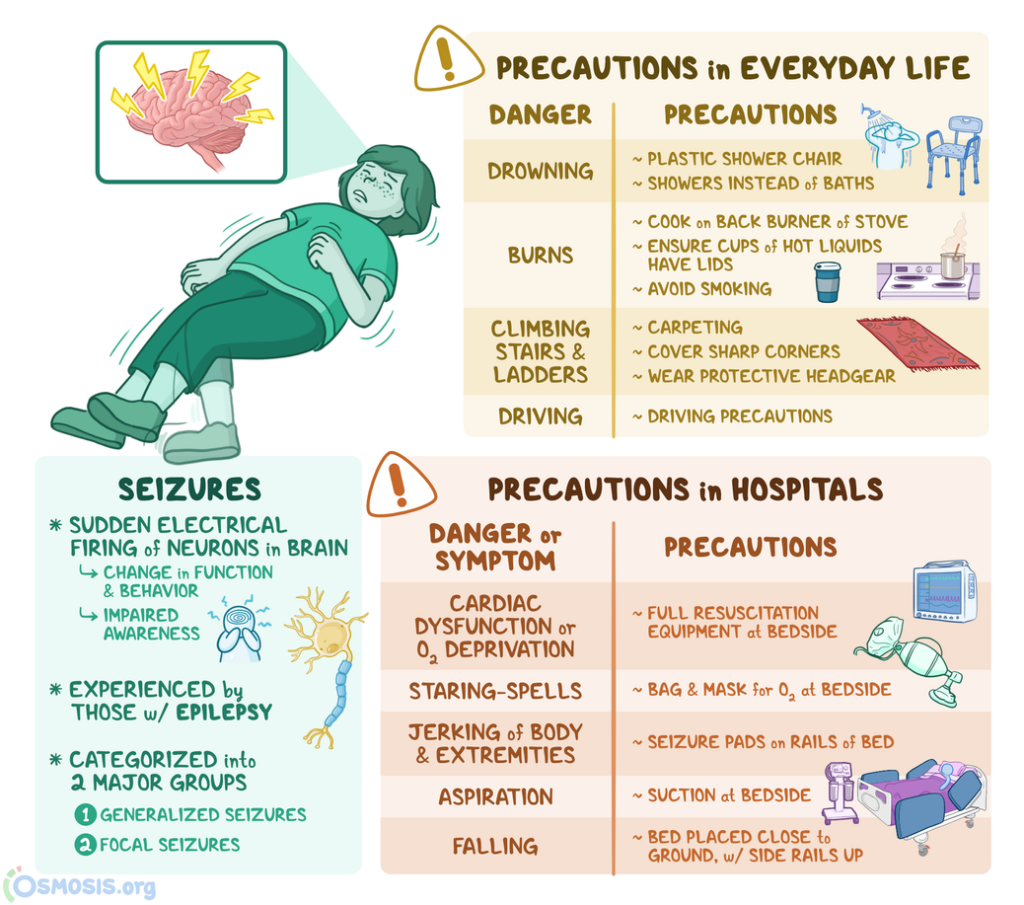
While it is not always possible to prevent epilepsy, there are several precautions individuals can take to reduce their risk and minimize the impact of potential seizures.
Managing Known Risk Factors
If you have any known risk factors for epilepsy, such as a family history or a previous head injury, it is important to manage these factors appropriately. Regular check-ups with healthcare professionals and following their recommendations can help monitor and mitigate the risk.
Healthy Lifestyle Choices
Adopting a healthy lifestyle can go a long way in reducing the risk of epilepsy. Making choices such as avoiding smoking, limiting alcohol consumption, and maintaining a balanced diet can help protect the brain and minimize the chances of seizures.
Avoiding Seizure Triggers
For individuals already at risk of seizures, it is important to identify and avoid potential triggers. These triggers can vary from person to person but often include factors such as flashing lights, certain sounds, stress, lack of sleep, or specific medications. Being aware of these triggers and taking necessary precautions can help prevent seizures.
Balanced Diet and Hydration
Proper nutrition and hydration are essential for brain health. A balanced diet that includes a variety of fruits, vegetables, whole grains, lean proteins, and healthy fats can provide the necessary nutrients for optimal brain function. Staying hydrated by drinking an adequate amount of water throughout the day is also crucial for maintaining overall health and reducing the risk of seizures.
Regular Exercise
Engaging in regular physical activity can have numerous benefits for overall health, including reducing the risk of epilepsy. Exercise helps improve cardiovascular fitness, reduces stress, and promotes a healthy brain. It is important to choose activities that are safe and suitable for individual abilities and to consult with a healthcare professional before starting any new exercise regimen.
Adequate Sleep
Getting enough sleep is crucial for maintaining optimal brain function and reducing the risk of seizures. Lack of sleep can increase stress levels and disrupt brain activity, making seizures more likely. Establishing a regular sleep schedule and practicing good sleep hygiene can help ensure adequate rest and minimize the risk of epilepsy.
Controlling Stress Levels
Stress can be a trigger for seizures, so it is important to find effective ways to manage and reduce stress. Engaging in relaxation techniques such as deep breathing, meditation, yoga, or participating in hobbies and activities that bring joy and relaxation can help control stress levels and potentially decrease the risk of seizures.
Avoiding Substance Abuse
Avoiding substance abuse, including alcohol and illicit drugs, is crucial for reducing the risk of epilepsy. Substance abuse can have damaging effects on the brain and increase the likelihood of seizures. Seeking help and support for substance abuse issues is essential for overall health and minimizing the risk of epilepsy.
Medical Supervision
For individuals at risk of epilepsy or those who have already been diagnosed, regular medical supervision is essential. This includes routine check-ups with a healthcare professional, taking prescribed medications as directed, and following any recommended treatments or therapies. Medical supervision can help monitor and manage the condition effectively.
Vaccinations
Routine vaccinations are important for preventing various infections that can potentially lead to epilepsy. Vaccines for diseases such as influenza, measles, mumps, rubella, and meningitis can protect against infections that may increase the risk of developing epilepsy. It is important to stay up to date with recommended vaccinations and consult with healthcare professionals regarding any concerns or questions.
Family History
Genetic Predisposition
Having a family history of epilepsy can indicate a genetic predisposition to the disorder. While not everyone with a family history will develop epilepsy, it is important to be aware of the increased risk and take necessary precautions.
Inherited Genetic Mutations
Certain gene mutations can be inherited and increase the chances of developing epilepsy. Understanding the specific genetic mutations present in the family history can help in early detection and prevention strategies.
Age
Infants and Young Children
Infants and young children are particularly susceptible to epilepsy due to their developing brains. It is important to create a safe environment for children, minimize potential risks, and seek medical attention if any concerns arise.
Elderly Population
The risk of epilepsy tends to increase with age, especially in the elderly population. Age-related factors such as brain degeneration and an increased risk of strokes contribute to the elevated risk. Regular medical check-ups and lifestyle modifications can help mitigate the risk.

Head Injuries
Traumatic Brain Injuries
Head injuries, particularly traumatic brain injuries, can significantly increase the risk of epilepsy. Taking necessary precautions to prevent head injuries, such as wearing protective gear during activities, following safety guidelines, and practicing caution, can help reduce the risk.
Concussions
Concussions, often caused by sports-related injuries or accidents, are a type of head injury that can increase the risk of epilepsy. Proper management and treatment of concussions, including sufficient rest and medical guidance, are essential for minimizing the risk.
Penetrating Injuries
Penetrating injuries that result in damage to the brain can also increase the risk of epilepsy. These injuries often require immediate medical attention, and thorough evaluation and treatment are crucial to reducing the risk of seizures and epilepsy.
Brain Conditions
Brain Tumors
Both benign and malignant brain tumors can increase the risk of epilepsy. Early detection, proper medical management, and appropriate treatment, including surgery or radiation, can help minimize the risk associated with brain tumors.
Strokes
Strokes, which disrupt blood flow to the brain, are a significant risk factor for epilepsy. Taking steps to prevent strokes, such as maintaining a healthy lifestyle, managing cardiovascular risk factors, and following medical advice, can help reduce the risk of epilepsy.
Alzheimer’s Disease
Alzheimer’s disease is a progressive brain disorder that can lead to an increased risk of seizures and epilepsy. While Alzheimer’s disease cannot be prevented, managing the condition with appropriate medical care and creating a safe environment can help reduce the risk of seizures.
Meningitis
Meningitis is an infection that can cause inflammation of the membranes surrounding the brain and spinal cord. It can lead to seizures and increase the risk of epilepsy. Vaccination against bacterial meningitis and prompt medical treatment for any suspected cases are important for reducing the risk.
Encephalitis
Encephalitis is an inflammation of the brain that can result from viral or bacterial infections. It can cause seizures and increase the likelihood of developing epilepsy. Early recognition, appropriate medical treatment, and supportive care are crucial for minimizing the risk.
Seizure Types
Idiopathic Generalized Epilepsy
Idiopathic generalized epilepsy refers to seizures that occur without an apparent cause. It often has a strong genetic component and tends to manifest in childhood or adolescence. Understanding the risk factors associated with idiopathic generalized epilepsy can help families take appropriate precautions and seek medical guidance.
Temporal Lobe Epilepsy
Temporal lobe epilepsy is the most common type of epilepsy in adults. It occurs when the seizures originate in the temporal lobes of the brain. Understanding the risk factors and triggers specific to temporal lobe epilepsy can help individuals minimize the risk and manage the condition effectively.
Frontal Lobe Epilepsy
Frontal lobe epilepsy is characterized by seizures that originate in the frontal lobes of the brain. The risk factors and triggers for frontal lobe epilepsy can vary, and understanding these factors can help individuals make informed choices and reduce the risk of seizures.
Absence Seizures
Absence seizures, also known as petit mal seizures, are characterized by brief episodes of unconsciousness or staring spells. They are most common in children and can be associated with genetic factors. Recognizing the risk factors and seeking appropriate medical advice can help manage and reduce the risk of absence seizures and potential epilepsy.
Excessive Alcohol and Drug Use
Alcohol Abuse
Excessive alcohol consumption and alcohol abuse can have detrimental effects on the brain, including an increased risk of seizures and epilepsy. It is important to understand the risks associated with alcohol abuse and seek help and support if needed.
Illicit Drug Use
Illicit drug use, particularly drugs that directly affect the brain’s chemistry, can significantly increase the risk of seizures and epilepsy. Avoiding drug use and seeking treatment for substance abuse issues are essential for reducing the risk.

Stroke and Cardiovascular Diseases
Atrial Fibrillation
Atrial fibrillation is a heart rhythm disorder that can increase the risk of seizures and epilepsy. Proper management of atrial fibrillation, including medication and lifestyle modifications, is crucial for reducing the risk.
High Blood Pressure
High blood pressure, also known as hypertension, can lead to an increased risk of strokes and seizures. Managing high blood pressure through medication, lifestyle changes, and regular monitoring can help reduce the risk of epilepsy.
Heart Disease
Heart disease, which encompasses various conditions that affect the heart’s structure and function, can contribute to an increased risk of epilepsy. Taking proactive measures to manage heart disease, such as lifestyle modifications and appropriate medical treatment, can help minimize the risk.
Vaccinations
Routine Vaccinations
Routine vaccinations can protect against infections that may increase the risk of developing epilepsy. Vaccines for diseases such as influenza, measles, mumps, rubella, and meningitis are important for preventing infections that can lead to seizures and potential epilepsy.
Evidence of Vaccination and Epilepsy Risk
Research has shown that routine vaccinations do not increase the risk of epilepsy. On the contrary, they can help prevent infections that may trigger seizures. Ensuring that individuals receive recommended vaccinations and discussing any concerns with healthcare professionals is crucial for overall health and reducing the risk of epilepsy.
In conclusion, understanding the risk factors associated with epilepsy is essential for taking precautions to reduce the likelihood of developing the disorder. Family history, age, head injuries, brain conditions, seizure types, excessive alcohol and drug use, stroke and cardiovascular diseases, cognitive disorders, infections, and genetic factors all play a role in determining the risk of epilepsy. By managing known risk factors, making healthy lifestyle choices, avoiding seizure triggers, maintaining a balanced diet and hydration, engaging in regular exercise, getting adequate sleep, controlling stress levels, avoiding substance abuse, seeking medical supervision, and staying up to date with vaccinations, individuals can reduce their risk and lead a healthier, seizure-free life.