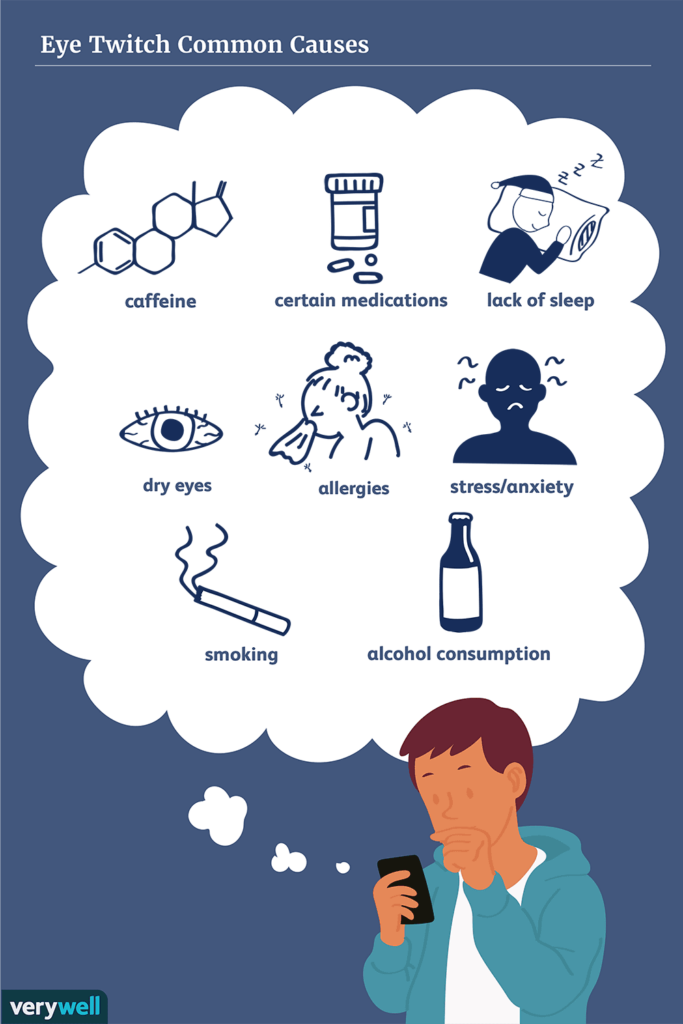
Are you experiencing that annoying involuntary twitching of your eyelids? Well, you’re not alone. Eye twitching, also known as eyelid spasms or myokymia, is a common condition that affects many individuals. From excessive caffeine intake to stress and fatigue, there are various risk factors that can trigger these bothersome eye spasms. However, fret not! This article will discuss the risk factors associated with eye twitching and provide you with practical precautions to alleviate the discomfort and prevent future episodes. So, keep reading to discover effective ways to bid farewell to those pesky eye twitches!
Risk Factors for Eye Twitching
Eye twitching, also known as eyelid twitching or myokymia, is a common condition that many individuals experience at some point in their lives. While usually harmless and temporary, eye twitching can be bothersome and may interfere with daily activities. Understanding the risk factors associated with eye twitching can help identify potential triggers and take necessary precautions to manage or prevent episodes.
Stress and Fatigue
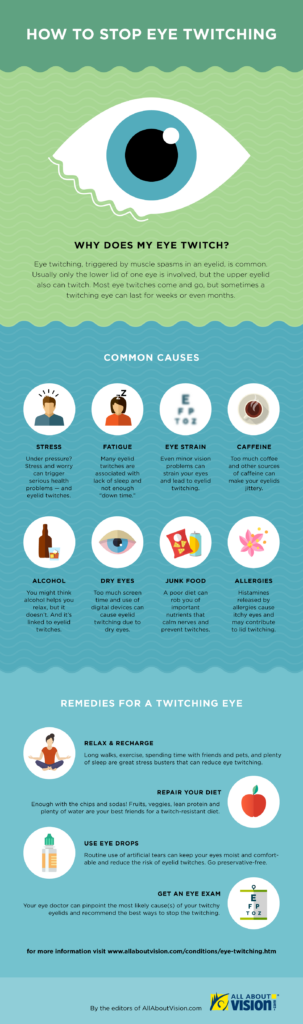
Stress and fatigue are two major risk factors for eye twitching. When you are under significant stress or experiencing exhaustion, your body’s stress response system may become activated, leading to muscle contractions, including the muscles around the eye. This can result in an involuntary eyelid twitch. To reduce the risk of eye twitching caused by stress and fatigue, it is important to manage stress levels effectively and prioritize getting enough rest.
Eye Strain
Eye strain, often caused by excessive use of digital devices or prolonged focus on a specific task, can contribute to eye twitching. Staring at screens or reading for extended periods without taking breaks can strain the eye muscles, leading to an increased risk of eye twitching. To minimize eye strain, it is recommended to take regular breaks, practice the 20-20-20 rule (looking at something 20 feet away for 20 seconds every 20 minutes), and ensure proper lighting and screen settings.
Caffeine and Alcohol
Consuming excessive amounts of caffeine and alcohol can also be risk factors for eye twitching. Both caffeine and alcohol can disrupt the normal functioning of the nervous system, potentially triggering muscle spasms, including eyelid twitching. Limiting your intake of caffeinated beverages, such as coffee and energy drinks, as well as alcohol, can help reduce the risk of eye twitching. It may also be beneficial to explore healthier alternatives for boosting energy or promoting relaxation.
Lack of Sleep
Inadequate sleep or poor sleep quality can contribute to eye twitching. When you don’t get enough restful sleep, your body may become more susceptible to muscle twitching and spasms, including those in the eye area. Establishing a consistent bedtime routine, creating a sleep-friendly environment, and addressing any underlying sleep disorders can help improve the quality and duration of your sleep, reducing the risk of eye twitching.
Nutritional Imbalances
Nutritional imbalances can affect eye health and potentially lead to eye twitching. Deficiencies in certain vitamins and minerals, such as magnesium, calcium, and vitamin B12, have been associated with muscle twitches and spasms. Maintaining a balanced diet that includes a variety of fruits, vegetables, whole grains, and lean proteins can help ensure you are providing your body with the necessary nutrients to support overall eye health and reduce the risk of eye twitching. In some cases, supplements may be recommended, but it is important to consult with a healthcare professional before starting any new supplements.
Medication Side Effects
Certain medications can have side effects that include muscle twitches, including eye twitching. If you are experiencing eye twitching after starting a new medication, it is important to discuss this with your healthcare provider. They may be able to adjust your dosage or switch you to a different medication to alleviate the twitching. It is crucial to never stop or adjust your medication without consulting a healthcare professional first.
Environmental Factors
Environmental factors, such as exposure to irritants and allergens, can also contribute to eye twitching. Dry air, dust, pollen, and other pollutants can irritate the eyes, leading to muscle contractions and twitching. Taking steps to reduce exposure to these irritants, maintaining good air quality in your living and working spaces, and wearing protective eyewear when necessary can help minimize the risk of eye twitching.
Underlying Medical Conditions
In some cases, eye twitching may be a symptom of an underlying medical condition. Conditions such as blepharitis, dry eye syndrome, or neurological disorders may cause eye twitches. If you are experiencing frequent or prolonged episodes of eye twitching, it is important to consult with a healthcare professional for a thorough evaluation. By identifying and treating any underlying medical conditions, you can help manage or even eliminate the occurrence of eye twitching.
Family History
Your family history can also play a role in the risk of eye twitching. If you have immediate family members who experience eye twitching or other similar muscle spasms, you may have a higher likelihood of developing eye twitching as well. While you cannot control your genetic makeup, being aware of this risk factor can help you take appropriate precautions and seek early intervention if necessary.
Age
Age is another risk factor for eye twitching. It is more common for eye twitching to occur in individuals between the ages of 20 and 40. As we age, our muscles, including those around the eye, may become more prone to spasms and twitches. While age-related eye twitching is generally harmless, it is essential to continue taking care of your overall eye health and practicing proper eye care habits to minimize any discomfort or inconvenience caused by eye twitching.
Precautions for Eye Twitching
While it may not always be possible to completely prevent eye twitching, there are several precautions you can take to minimize its occurrence and manage its impact on your daily life. By incorporating these precautions into your routine, you can help reduce the frequency and duration of eye twitching episodes.
Manage Stress and Fatigue
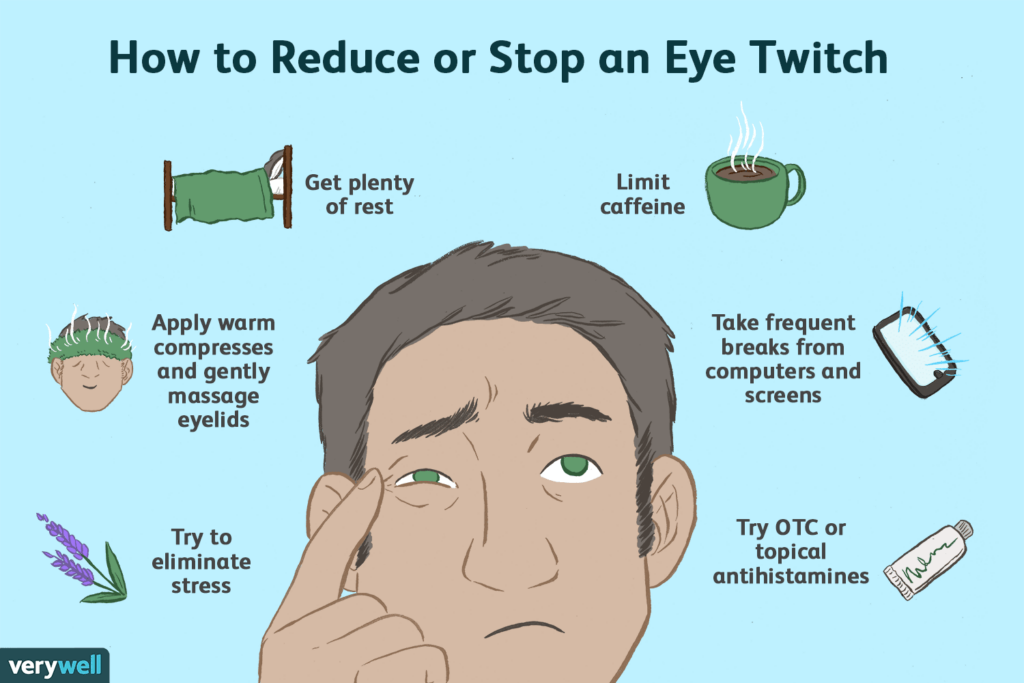
To minimize the risk of eye twitching related to stress and fatigue, it is important to implement effective stress management techniques and prioritize adequate rest. Engaging in activities that help you relax and reduce stress levels, such as deep breathing exercises, meditation, or practicing hobbies, can be beneficial. Additionally, ensuring you get enough sleep each night and allowing yourself regular breaks throughout the day can help prevent eye twitching caused by fatigue.
Take Breaks from Screens
To prevent eye strain and reduce the risk of eye twitching associated with excessive screen time, it is crucial to take regular breaks from digital devices. Every 20 minutes, try shifting your focus to an object at least 20 feet away for a duration of 20 seconds. This exercise, known as the 20-20-20 rule, helps relax the eye muscles and alleviate eye strain. Taking breaks also gives your eyes a chance to rest and recover from prolonged screen exposure.
Limit Caffeine and Alcohol Consumption
Cutting back on caffeine and alcohol consumption can be an effective precautionary measure for reducing the risk of eye twitching. If you are prone to eye twitching or notice a correlation between your twitching episodes and caffeine or alcohol intake, consider reducing or eliminating these substances from your diet. Opting for healthier alternatives, such as herbal teas or decaffeinated beverages, can still provide energy or relaxation benefits without triggering eye twitching.
Improve Sleep Habits
Establishing a consistent bedtime routine and optimizing your sleep environment can significantly improve the quality and duration of your sleep, reducing the risk of eye twitching associated with sleep deprivation. Make sure your bedroom is conducive to sleep by minimizing noise and disturbances, keeping the room cool and dark, and using comfortable bedding. Avoid stimulating activities, particularly screen time, before bed, and try incorporating relaxation techniques, such as reading a book or taking a warm bath, into your nightly routine.
Maintain a Balanced Diet
A well-balanced diet plays a vital role in supporting overall eye health and reducing the risk of eye twitching caused by nutritional imbalances. Incorporate a variety of fruits, vegetables, whole grains, lean proteins, and healthy fats into your meals to ensure you are receiving essential nutrients. Some nutrients that are particularly beneficial for eye health include vitamin A, vitamin C, vitamin E, omega-3 fatty acids, and antioxidants like lutein and zeaxanthin. If you have specific dietary concerns or restrictions, consult with a healthcare professional or a registered dietitian for personalized advice.
Review Medications with a Doctor
If you suspect that certain medications you are taking may be contributing to eye twitching, it is important to consult with your healthcare provider. They can review your medications and, if necessary, adjust your dosage or switch you to an alternative medication that doesn’t cause this side effect. It is essential to never make changes to your medication regimen without medical guidance to ensure your safety and well-being.
Create a Good Work Environment
Your work environment can have a significant impact on eye health and the risk of eye twitching. Ensure your workspace is properly lit to reduce eye strain. Adjust screen settings, such as brightness and contrast, to optimal levels. Position your monitor at eye level to minimize neck and eye strain. Take regular breaks and incorporate stretching exercises to relieve tension in your neck, shoulders, and eyes. Creating an ergonomic and eye-friendly work environment can significantly reduce the risk of eye twitching related to work-related factors.
Treat Underlying Health Conditions
If you have been diagnosed with an underlying medical condition that can cause eye twitching, it is crucial to follow your healthcare provider’s recommended treatment plan. Treating the underlying condition can help manage or even eliminate the occurrence of eye twitching. Make sure to attend scheduled appointments, follow medication regimens, and communicate any changes or concerns with your healthcare provider. By addressing the root cause, you can effectively minimize the risk of eye twitching associated with these health conditions.
Consider Genetic Factors
If you have a family history of eye twitching or similar muscle spasms, it is important to be aware of the potential genetic risk. While you cannot control your genetic makeup, having this knowledge can help you take appropriate precautions and seek early intervention if necessary. If you notice a pattern of eye twitching in your family, discuss it with your healthcare provider, who can provide guidance and support based on your individual circumstances.
Follow Eye Care Practices
Adopting good eye care practices can help maintain overall eye health and potentially reduce the risk of eye twitching. These practices include:
- Regular Eye Examinations: Schedule comprehensive eye exams with an optometrist or ophthalmologist to monitor your eye health and identify any issues early on. Regular check-ups can help detect and address potential risk factors for eye twitching.
- Proper Contact Lens Use: If you wear contact lenses, ensure you follow the recommended wear and care instructions provided by your eye care professional. Proper hygiene and maintenance of contact lenses can lower the risk of eye irritation and twitching.
- Eye Hygiene and Safety: Practice good eye hygiene by avoiding touching or rubbing your eyes frequently, keeping hands clean, and using appropriate protective eyewear in situations where eye injury or exposure to irritants is a concern.
By incorporating these precautions and practices into your daily life, you can minimize the risk of eye twitching and maintain optimal eye health. Remember, if you experience persistent or severe eye twitching that is interfering with your quality of life, it is important to seek medical advice from a healthcare professional for appropriate evaluation and treatment.