
Internal bleeding can be a serious condition that requires immediate medical attention. In this article, we will discuss the various risk factors that can contribute to internal bleeding and explore the precautions you can take to prevent it. By understanding these factors and implementing necessary measures, you can reduce the likelihood of experiencing this potentially life-threatening condition. So, let’s dive into the world of risk factors and precautions for internal bleeding.

Risk Factors for Internal Bleeding
Internal bleeding occurs when there is bleeding inside the body, which cannot be seen externally. This can be a serious medical condition that requires immediate attention and treatment. Understanding the risk factors for internal bleeding can help you take necessary precautions and minimize the chances of experiencing this potentially life-threatening condition.
Underlying Medical Conditions
Having certain medical conditions can increase the risk of internal bleeding. Conditions such as hemophilia, liver disease, kidney disease, and certain types of cancers can weaken blood vessels or affect the body’s ability to form clots, making internal bleeding more likely.
Age
Age plays a significant role in the risk of internal bleeding. As individuals get older, their blood vessels become more fragile and prone to damage. Elderly individuals are more susceptible to injuries that can lead to internal bleeding, such as falls or accidents, and may also be on medications that increase the risk.
Medications
Certain medications can increase the risk of internal bleeding by interfering with the body’s clotting ability. Use of anticoagulants, such as aspirin or warfarin, and nonsteroidal anti-inflammatory drugs (NSAIDs), like ibuprofen or naproxen, can thin the blood and make it harder for clots to form, leading to internal bleeding.
Prior Surgeries or Trauma
Having undergone previous surgeries or experiencing trauma, such as a car accident or sports injury, can increase the risk of internal bleeding. Injuries or surgical procedures can damage blood vessels, causing bleeding inside the body that may not be immediately apparent.
Inherited Bleeding Disorders
Some individuals are born with inherited bleeding disorders, such as von Willebrand disease or hemophilia. These conditions affect the body’s ability to form blood clots, making individuals more prone to internal bleeding, even from minor injuries.
Liver or Kidney Disease
Liver or kidney disease can lead to reduced levels of clotting factors in the blood, increasing the risk of internal bleeding. These conditions can also cause liver or kidney failure, leading to a buildup of toxins that can affect the blood clotting process.
Alcohol and Drug Abuse
Excessive alcohol consumption and drug abuse can weaken blood vessels and impair the body’s ability to clot blood properly, increasing the risk of internal bleeding. Chronic alcohol abuse can also lead to liver disease, further raising the likelihood of internal bleeding.
Pregnancy
Pregnancy puts additional strain on the body’s blood vessels and circulatory system. Changes in hormone levels and increased blood volume can make pregnant women more susceptible to internal bleeding, particularly in areas such as the uterus or placenta.
Obesity
Obesity can increase the risk of internal bleeding due to the strain it places on the body’s blood vessels. Excess weight can contribute to conditions such as high blood pressure and diabetes, which further raise the likelihood of internal bleeding.
High Blood Pressure
High blood pressure can damage blood vessels and weaken their integrity, making them more prone to rupture and internal bleeding. Individuals with uncontrolled high blood pressure are at a higher risk of experiencing internal bleeding.

Precautions to Prevent Internal Bleeding
While it may not always be possible to completely prevent internal bleeding, taking certain precautions can help minimize the risk. By following these preventive measures, you can protect yourself and reduce the chances of developing this serious medical condition.
Avoid Trauma
Taking steps to prevent trauma and injuries can significantly reduce the risk of internal bleeding. Ensure that your living environment is safe, free from hazards, and make use of appropriate safety measures such as wearing seatbelts in vehicles and using protective gear during sports or recreational activities.
Manage Medications
If you are on medications that increase the risk of internal bleeding, it is important to manage them carefully. Follow your healthcare provider’s instructions regarding dosage and potential side effects. Inform your healthcare provider about any new medications you are taking, as they may interact and increase the risk of bleeding.
Control Underlying Medical Conditions
Managing underlying medical conditions effectively can help reduce the risk of internal bleeding. Follow your healthcare provider’s recommendations for treating conditions such as high blood pressure, liver disease, kidney disease, or any other condition that may increase the likelihood of internal bleeding.
Regular Check-ups and Screenings
Routine check-ups and screenings can help identify potential risk factors for internal bleeding early on. Regular visits to your healthcare provider can allow for early detection and treatment of any underlying conditions that may predispose you to internal bleeding.
Healthy Lifestyle Choices
Adopting a healthy lifestyle can have a positive impact on your overall health and reduce the risk of internal bleeding. Maintain a balanced diet, engage in regular exercise, and avoid smoking or excessive alcohol consumption to keep your blood vessels healthy and functioning properly.
Avoid Alcohol and Drug Abuse
Limiting or abstaining from alcohol and recreational drug use can help protect against internal bleeding. By avoiding substances that can weaken blood vessels or inhibit the clotting process, you can significantly reduce the risk of experiencing this medical condition.
Safe Sexual Practices
Engaging in safe sexual practices, including using barrier methods such as condoms, can help prevent sexually transmitted infections (STIs) that can lead to internal bleeding. Regular STI screenings and practicing monogamy can further reduce the risk of infection-related internal bleeding.
Proper Nutrition and Hydration
Maintaining proper nutrition and staying well-hydrated is important for overall health and can reduce the risk of internal bleeding. A balanced diet rich in fruits, vegetables, and lean proteins, along with adequate fluid intake, supports the body’s ability to form blood clots and maintain healthy blood vessels.
Manage Stress Levels
High levels of stress can impact the body’s immune system and increase the risk of certain health conditions, including internal bleeding. Practice stress management techniques such as exercise, meditation, or engaging in hobbies to promote relaxation and reduce stress levels.
Wear Protective Gear
When participating in activities that have a higher risk of injury, such as contact sports or certain occupations, wearing appropriate protective gear can provide an added layer of protection against internal bleeding. Helmets, padding, and other safety equipment can help prevent injuries that could lead to internal bleeding.

Recognizing Symptoms of Internal Bleeding
Recognizing the symptoms of internal bleeding is crucial for seeking medical attention promptly. Being aware of the signs can help you identify potential internal bleeding and seek appropriate medical care when needed.
Unexplained Weakness or Fatigue
Experiencing unexplained weakness or fatigue that is not attributable to other factors, such as lack of sleep or physical exertion, can be a symptom of internal bleeding. Internal bleeding can lead to anemia, which can cause fatigue and weakness.
Dizziness or Fainting
Feeling dizzy or fainting without apparent cause can be a sign of internal bleeding. Reduced blood flow due to internal bleeding can lead to a drop in blood pressure and inadequate oxygen supply to the brain, resulting in dizziness or loss of consciousness.
Shortness of Breath
Internal bleeding that affects the lungs or chest cavity can cause shortness of breath. This symptom may be accompanied by chest pain or difficulty breathing, indicating the need for immediate medical attention.
Abdominal or Chest Pain
Pain in the abdomen or chest can be a sign of internal bleeding. Internal bleeding in these areas can cause pain, which may be sharp or dull and can worsen with movement or certain activities.
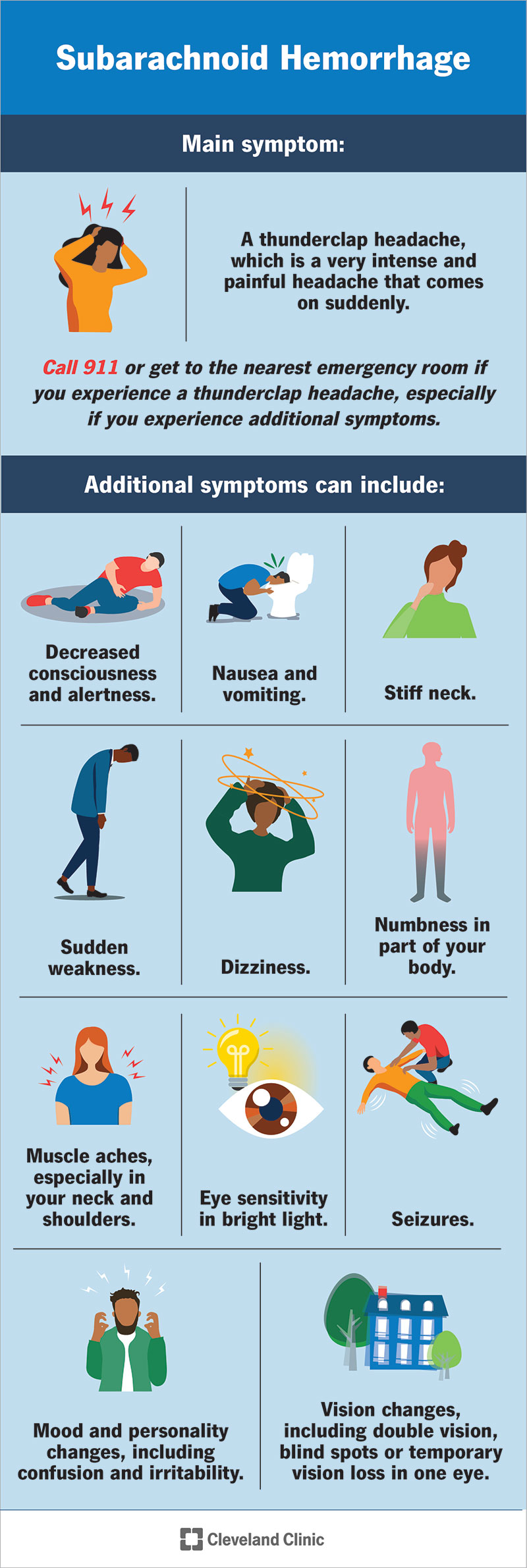
Severe Headaches
Severe headaches, particularly when they are sudden or accompanied by other symptoms such as neck stiffness or vision changes, can indicate potential internal bleeding in the brain. Immediate medical attention is necessary in such cases.
Nosebleeds
While nosebleeds are generally harmless, frequent or severe nosebleeds could be a sign of an underlying bleeding disorder or other medical conditions that increase the risk of internal bleeding. Persistent or unexplained nosebleeds require evaluation by a healthcare professional.
Easy Bruising or Excessive Bleeding
If you notice that you bruise easily or experience excessive bleeding from minor injuries, it may indicate a problem with your body’s ability to form blood clots. These symptoms can suggest an increased risk of internal bleeding and should be addressed by your healthcare provider.
Blood in Stool or Urine
Finding blood in your stool or urine can be an alarming sign of internal bleeding. It may indicate bleeding in the gastrointestinal or urinary tract and should be evaluated by a healthcare professional.
Vomiting Blood
Vomiting blood, known as hematemesis, can be a sign of internal bleeding in the stomach or esophagus. This is a serious medical emergency requiring immediate medical attention.
Swelling or Joint Pain
Internal bleeding can lead to swelling or joint pain, particularly if it occurs in joints affected by arthritis or other inflammatory conditions. If you experience sudden or severe joint pain or notice unexplained swelling, consult with your healthcare provider.
Diagnosing Internal Bleeding
Diagnosing internal bleeding requires a thorough evaluation by a healthcare professional. The following diagnostic tests and procedures may be used to identify the presence and location of internal bleeding:
Physical Examination
A physical examination performed by a healthcare provider can help identify signs and symptoms that may indicate internal bleeding. This may include assessing vital signs, checking for signs of bruising or swelling, and feeling the abdomen for tenderness or abnormal masses.
Blood Tests
Blood tests, such as a complete blood count (CBC) and coagulation panel, can provide valuable information about the body’s clotting ability and identify any potential underlying causes of internal bleeding.
Imaging Tests
Imaging tests, such as X-rays, computed tomography (CT) scans, or magnetic resonance imaging (MRI), can help visualize the affected area and identify signs of internal bleeding.
Endoscopy or Colonoscopy
Endoscopy or colonoscopy may be performed to directly visualize the gastrointestinal tract and identify any sources of internal bleeding. These procedures involve the use of a flexible tube with a camera that is inserted into the body through the mouth or rectum.
Laparoscopy or Thoracoscopy
In some cases, a laparoscopy or thoracoscopy may be performed to directly visualize the abdominal or chest cavity and identify the source of internal bleeding. These minimally invasive procedures involve the insertion of a small camera through a small incision.
Biopsy
A biopsy may be performed to obtain a sample of tissue for further evaluation. This may be done to diagnose or rule out specific conditions that may cause internal bleeding.
Angiography
Angiography involves injecting a contrast dye into the blood vessels to identify areas of internal bleeding. This procedure allows for a detailed examination of the blood vessels and can help guide future treatment.
Electrocardiogram
An electrocardiogram (ECG) may be performed to assess the heart’s electrical activity and ruling out any potential cardiac causes of internal bleeding.
Bone Marrow Examination
In cases where a bleeding disorder or bone marrow disease is suspected, a bone marrow examination may be performed to evaluate the production and function of blood cells.
Genetic Testing
Genetic testing may be recommended in cases where an inherited bleeding disorder is suspected. Identifying specific genetic mutations can help in managing the condition and assessing the risk of internal bleeding.

Treatment Options for Internal Bleeding
The treatment for internal bleeding depends on the cause, severity, and location of the bleeding. Prompt medical attention is crucial to prevent further complications. Treatment options for internal bleeding may include:
Observation and Monitoring
Minor cases of internal bleeding may require only observation and monitoring to ensure the bleeding stops spontaneously and the body naturally reabsorbs the blood. This approach is generally suitable for small, self-limiting bleeds that do not pose an immediate risk.
Medications
Certain medications may be used to manage internal bleeding. This may include medications that promote blood clotting or help control bleeding, depending on the underlying cause.
Blood Transfusion
In severe cases of internal bleeding and significant blood loss, a blood transfusion may be necessary to replace the lost blood and restore blood volume.
Surgery
Surgical intervention may be required to control or repair the source of internal bleeding. This may involve procedures such as ligation (tying off) of blood vessels, embolization (blocking) of blood vessels, or removal of abnormal tissues or masses causing the bleeding.
Minimally Invasive Procedures
In some cases, minimally invasive procedures, such as endoscopic or laparoscopic techniques, may be utilized to either control or repair the source of internal bleeding. These procedures involve smaller incisions and generally have a faster recovery time compared to traditional open surgery.
Radiation Therapy
Radiation therapy may be used to treat internal bleeding caused by tumors or abnormal blood vessels. By targeting the source of the bleeding with radiation, it is possible to reduce or halt the bleeding.
Chemotherapy
In cases where internal bleeding is caused by cancer, chemotherapy may be used to shrink or eliminate tumors that are contributing to the bleeding.
Physical Therapy or Rehabilitation
Following treatment for internal bleeding, physical therapy or rehabilitation may be recommended to restore strength, mobility, and function, particularly in cases where there has been muscle or joint damage.
Other Supportive Measures
Additional supportive measures may be employed to manage internal bleeding, depending on the specific situation. This may include medications to manage pain or discomfort, intravenous fluids to maintain hydration, or other supportive measures as deemed necessary by the healthcare provider.
Palliative Care
In cases where internal bleeding is a symptom of an advanced or terminal condition, palliative care may be provided to improve quality of life. Palliative care focuses on symptom management, pain relief, and emotional support for both the patient and their loved ones.
In conclusion, understanding the risk factors for internal bleeding can help you take appropriate precautions to minimize the likelihood of experiencing this potentially serious medical condition. By recognizing the symptoms and seeking timely medical attention, you can ensure prompt diagnosis and appropriate treatment. Remember to consult with your healthcare provider for personalized advice and recommendations tailored to your specific circumstances. By taking proper preventive measures and being vigilant about your health, you can reduce the risk of internal bleeding and promote overall well-being.