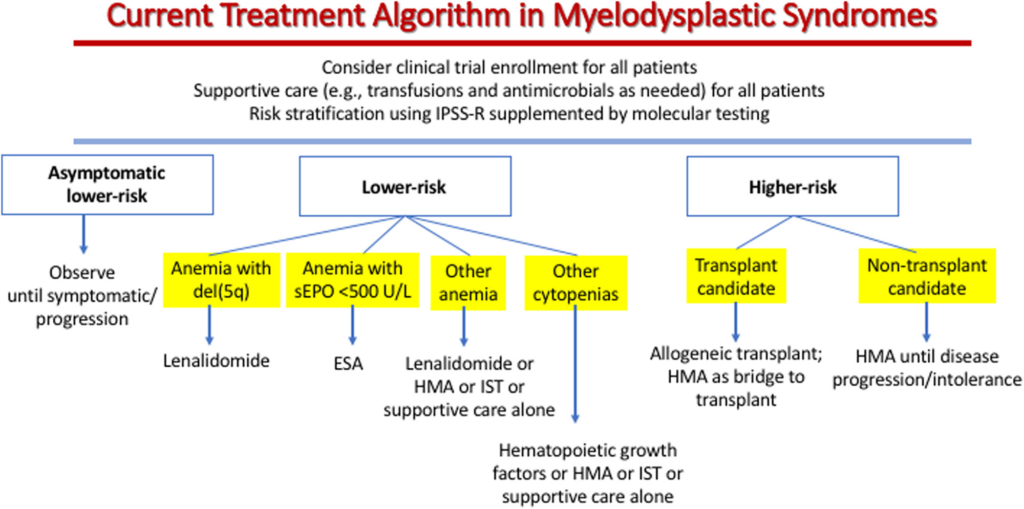
In this article, we will be discussing the risk factors and precautions for Myelodysplastic Syndrome (MDS). MDS is a group of blood disorders that affect the production of healthy blood cells in the bone marrow. While the exact cause of MDS is unknown, certain factors such as age, exposure to certain chemicals or radiation, and certain genetic conditions may increase the risk. It is important to be aware of these risk factors and take necessary precautions to minimize the chances of developing MDS. By understanding the potential risks and taking proactive steps, you can protect your health and well-being. Myelodysplastic Syndrome (MDS) is a type of blood cancer that affects the bone marrow and leads to insufficient production of healthy blood cells. While the exact cause of MDS is unknown, several risk factors have been identified that may increase your chances of developing the condition. It is important to be aware of these risk factors and take necessary precautions to reduce your risk of developing MDS.

Risk Factors for Myelodysplastic Syndrome-MDS
Age
One of the primary risk factors for MDS is age. The condition is more commonly diagnosed in individuals over the age of 60, although it can occur in younger people as well. As you age, the risk of developing MDS increases. It is important to be mindful of this risk factor and take appropriate precautions as you get older.
Gender
While MDS can affect both men and women, studies have shown that men have a slightly higher risk of developing the condition compared to women. The reasons behind this gender difference are not fully understood, but it highlights the importance of early detection and precautionary measures for both men and women.
Genetics
Genetic factors play a significant role in the development of MDS. In some cases, MDS can be inherited from parents or other family members. Certain genetic disorders, such as Down syndrome, have also been associated with an increased risk of developing MDS. If you have a family history of MDS or genetic disorders, it is important to discuss this with your healthcare provider and consider genetic counseling.
Chemotherapy and Radiation Therapy
Individuals who have undergone chemotherapy or radiation therapy for other types of cancer have an increased risk of developing MDS. While these treatments are essential for combating cancer, they can also damage healthy cells in the bone marrow, leading to the development of MDS. If you have previously received these treatments, it is crucial to discuss your risk of developing MDS with your healthcare provider.
Smoking
Smoking has long been associated with an increased risk of various types of cancer, including MDS. The harmful chemicals present in tobacco smoke can damage the bone marrow and increase the likelihood of developing MDS. Quitting smoking is one of the most effective ways to reduce your risk of MDS as well as improve your overall health.
Exposure to Certain Chemicals and Substances
Exposure to certain chemicals and substances in the workplace or environment can increase the risk of developing MDS. Benzene, a chemical found in gasoline, is known to be a risk factor for MDS. Other chemicals, such as formaldehyde and certain pesticides, may also contribute to the development of the condition. If you work in an industry where you are exposed to these chemicals, it is important to take precautionary measures and follow safety guidelines to minimize your risk.
Previous Blood Disorders or Treatments
Having a history of certain blood disorders, such as aplastic anemia or certain types of leukemia, can increase your risk of developing MDS. Additionally, individuals who have previously undergone treatments such as bone marrow transplantation or blood transfusions may have an increased risk. If you have a history of these conditions or treatments, it is crucial to communicate this with your healthcare provider and undergo regular screenings for MDS.
Overexposure to Radiation
Overexposure to radiation, whether due to occupational exposure or medical treatments, can increase the risk of developing MDS. This is especially true if the radiation affects the bone marrow directly. Individuals who work in radiology or nuclear power plants, as well as those who have undergone radiation therapy for cancer, should be aware of this risk factor and take necessary precautions.
Environmental Factors
Certain environmental factors, such as high levels of air pollution or exposure to heavy metals, may increase the risk of developing MDS. While more research is needed to establish a definitive link, it is important to be mindful of your surroundings and take steps to reduce your exposure to these potential risk factors.
Family History
A family history of MDS or other blood disorders can increase your risk of developing the condition. If you have close relatives who have been diagnosed with MDS or related conditions, it is important to inform your healthcare provider. They may recommend regular screenings or genetic counseling to assess your risk and guide preventive measures.
Now that you are aware of the risk factors for MDS, it is important to take precautions to reduce your risk and maintain your overall health. Here are some key precautions you can take:

Precautions for Myelodysplastic Syndrome-MDS
Regular Blood Checks
Regular blood checks are crucial for early detection of MDS. These tests can identify any abnormalities in your blood cell counts and alert your healthcare provider to any potential issues. By monitoring your blood counts regularly, you can catch any changes early and take necessary steps to address them.
Avoidance of Environmental Toxins
To reduce your risk of developing MDS, it is important to avoid exposure to environmental toxins. This includes avoiding tobacco smoke, limiting exposure to chemicals in the workplace, and being aware of your surroundings to reduce exposure to air pollution and other potential toxins. Taking these precautions can help protect your bone marrow and reduce your risk of MDS.
Smoking Cessation
If you currently smoke, quitting smoking is one of the most effective ways to reduce your risk of MDS. Smoking not only increases your risk of developing MDS but also many other serious health conditions. Seek support from healthcare professionals or support groups to help you quit smoking successfully.
Healthy Lifestyle
Maintaining a healthy lifestyle can significantly reduce your risk of developing MDS. This includes eating a balanced diet rich in fruits, vegetables, and whole grains, engaging in regular physical activity, maintaining a healthy weight, and managing stress levels. These habits can strengthen your immune system and overall health, reducing the likelihood of developing MDS.
Prompt Treatment of Infections
Infections can put stress on your immune system and potentially damage the bone marrow. Prompt treatment of infections, such as timely use of antibiotics when necessary, can help minimize the impact on your bone marrow and reduce the risk of developing MDS.
Proper Use of Medications
Using medications as prescribed by your healthcare provider is crucial for maintaining your overall health and reducing the risk of MDS. It is important to understand the potential side effects of any medications you are taking and communicate any concerns with your healthcare provider. They can help you make informed decisions and minimize the risk of adverse effects on your bone marrow.
Reduced Exposure to Radiation
If you work in an occupation that involves radiation exposure or have previously undergone radiation therapy, it is important to explore ways to reduce your exposure. This may include using proper protective equipment or discussing alternative treatment options with your healthcare provider. By reducing your exposure to radiation, you can lower your risk of developing MDS.
Stress Management
Chronic stress can have negative effects on your overall health, including your immune system and bone marrow function. Practicing stress management techniques, such as meditation, exercise, or therapy, can help reduce stress levels and support a healthy immune system, potentially reducing your risk of MDS.
Dietary Choices
Eating a nutritious diet can provide essential vitamins and minerals that support a healthy immune system and bone marrow function. Include foods rich in iron, vitamin B12, and folate in your diet, as these nutrients are important for red blood cell production. Additionally, limit your intake of processed foods, sugary drinks, and unhealthy fats, as these can contribute to chronic inflammation and weakened immune function.
Genetic Counseling
If you have a family history of MDS or related blood disorders, consider genetic counseling. A genetic counselor can assess your risk based on your family history and provide guidance on preventive measures, including regular screenings and potential treatment options. Genetic counseling can help you make informed decisions about your health and reduce your risk of developing MDS.
In conclusion, while the exact cause of Myelodysplastic Syndrome (MDS) is unknown, there are several risk factors that can increase your chances of developing the condition. By being aware of these risk factors and taking necessary precautions, you can reduce your risk and maintain your overall health. Regular blood checks, avoidance of environmental toxins, smoking cessation, a healthy lifestyle, proper treatment of infections, appropriate medication use, reduced radiation exposure, stress management, mindful dietary choices, and genetic counseling are all important measures that can help protect against the development of MDS. Remember to consult with your healthcare provider to determine the best approach for your individual circumstances. By taking these precautions, you can take control of your health and minimize your risk of developing MDS.