
Protein in urine, also known as proteinuria, is a condition that can be caused by various risk factors. These can include high blood pressure, diabetes, kidney infections, and certain medications. It is important to be aware of these risk factors as they can indicate potential underlying health issues. Taking precautions such as maintaining a healthy lifestyle, regularly monitoring blood pressure and blood sugar levels, and staying hydrated can help reduce the risk of proteinuria. In this article, we will explore the common risk factors associated with protein in urine and provide helpful precautions to safeguard your health.
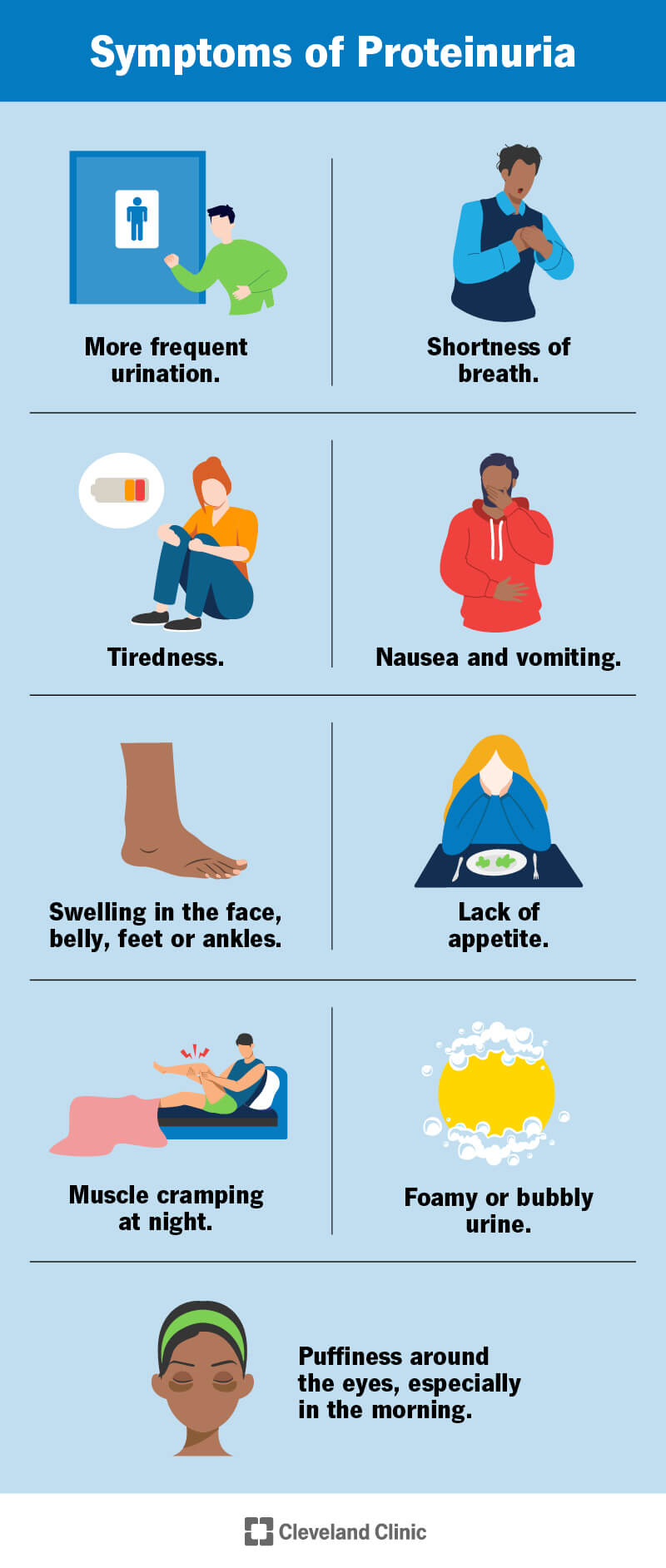
Risk Factors for Protein in Urine
Gender
Gender can play a role in the risk of developing protein in urine. Although anyone can be affected, studies have shown that males have a slightly higher prevalence of proteinuria compared to females. This difference may be attributed to hormonal and physiological factors, as well as differences in the prevalence of certain medical conditions that can lead to protein in urine.
Age
As we age, the risk of protein in urine tends to increase. The kidneys naturally undergo changes over time, which can affect their ability to filter and retain proteins. Older individuals may also be more susceptible to the development of certain medical conditions such as kidney disease, hypertension, or diabetes, all of which are associated with proteinuria.
Ethnicity
Research has shown that certain ethnic groups have a higher risk of protein in urine. For example, individuals of African, Hispanic, or Asian descent may be more prone to developing proteinuria compared to those of Caucasian descent. The reasons behind these ethnic disparities are not fully understood and further studies are needed to fully elucidate the underlying factors.
Medical Conditions
Several medical conditions can increase the risk of protein in urine. Kidney diseases such as glomerulonephritis, diabetic nephropathy, and polycystic kidney disease are commonly associated with proteinuria. Other conditions like hypertension, diabetes, lupus, and heart disease can also lead to the leakage of proteins into the urine. It is important to manage and treat these conditions effectively to reduce the risk of proteinuria.
Family History
A family history of kidney disease or proteinuria can increase an individual’s risk of developing protein in urine. Certain genetic factors may predispose individuals to kidney disorders that result in proteinuria. If you have a family history of kidney problems, it is important to be aware and proactive in monitoring your kidney health through regular medical check-ups.
Medication Use
Certain medications can contribute to the development of proteinuria. Nonsteroidal anti-inflammatory drugs (NSAIDs), some antibiotics, and certain blood pressure medications have been associated with an increased risk. It is crucial to discuss your medication use with your healthcare provider and carefully follow their recommendations to minimize the risk of protein in urine.
Physical Activity
Engaging in regular physical activity is generally beneficial for overall health. However, excessive or intense exercise can potentially lead to protein in urine, especially in individuals who are not well-hydrated. It is important to strike a balance and adopt a moderate approach to physical activity, ensuring proper hydration before, during, and after exercise.
Smoking
Smoking has been linked to an increased risk of a wide range of health problems, including proteinuria. The harmful chemicals in cigarette smoke can damage the blood vessels and impair kidney function, leading to the leakage of proteins into the urine. Quitting smoking is crucial not only for reducing the risk of protein in urine but also for improving overall health and well-being.
Dietary Factors
Certain dietary factors can contribute to proteinuria. A high protein diet, especially if combined with low fluid intake, can strain the kidneys and result in the excretion of proteins in the urine. It is important to maintain a balanced and varied diet that includes adequate protein intake but does not overload the kidneys. Consulting a healthcare professional or registered dietitian can help you develop a suitable dietary plan that promotes kidney health.
Dehydration
Dehydration can have a significant impact on kidney function and increase the risk of protein in urine. When the body lacks proper hydration, the kidneys work harder to concentrate the urine, which can potentially lead to protein leakage. It is important to stay adequately hydrated by drinking enough fluids throughout the day, especially during hot weather or when engaging in strenuous activities.

Precautions for Protein in Urine
Regular Medical Check-ups
Regular medical check-ups are paramount for monitoring kidney health, especially if you have risk factors for proteinuria or a family history of kidney disease. These check-ups often include blood and urine tests that can detect the presence of protein in urine and help identify any underlying conditions that may be contributing to its presence.
Maintaining a Healthy Lifestyle
Adopting and maintaining a healthy lifestyle is crucial for reducing the risk of protein in urine. This includes making healthy food choices, engaging in regular physical activity, managing stress levels, and getting enough sleep. By prioritizing your overall well-being, you can help support your kidney function and minimize the likelihood of proteinuria.
Managing Underlying Medical Conditions
If you have underlying medical conditions such as diabetes, hypertension, or kidney disease, it is essential to follow your healthcare provider’s recommendations for managing these conditions effectively. This may involve taking medications as prescribed, monitoring your blood pressure and blood sugar levels regularly, and making necessary lifestyle modifications to prevent or minimize the progression of these conditions.
Avoiding Substance Abuse
Substance abuse, including alcohol, illicit drugs, and certain medications, can have detrimental effects on kidney health and increase the risk of protein in urine. It is important to avoid or limit the use of substances that can potentially harm your kidneys and seek professional help if you are struggling with substance abuse.
Monitoring Medication Use
Regularly monitoring your medication use is essential in reducing the risk of proteinuria. It is important to inform your healthcare provider about all the medications you are taking, including over-the-counter drugs and supplements. They can assess the potential risks and benefits of certain medications and make any necessary adjustments or recommendations to protect your kidney health.
Hydrating Properly
Proper hydration is crucial in maintaining kidney function and preventing proteinuria. Aim to drink an adequate amount of water throughout the day, especially during hot weather or when participating in physical activities. Adequate hydration helps ensure optimal kidney function and reduces the risk of protein leakage into the urine.
Eating a Balanced Diet
Following a balanced diet that includes a variety of nutritious foods can help support kidney health and reduce the risk of proteinuria. Include a mix of fruits, vegetables, whole grains, lean proteins, and healthy fats in your meals. Limiting the intake of processed foods, excessive salt, and added sugars can also contribute to maintaining optimal kidney function.
Avoiding Overexertion
While regular physical activity is important, overexertion can potentially lead to proteinuria. Pushing yourself to extremes in exercise or engaging in demanding activities without adequate rest and recovery can strain the kidneys and result in protein leakage into the urine. It is important to listen to your body, pace yourself, and avoid overexertion to protect your kidney health.
In conclusion, understanding the risk factors for protein in urine and taking appropriate precautions can help in maintaining optimal kidney health. By being aware of your personal risk factors such as gender, age, ethnicity, and family history, you can take proactive steps to minimize the risk of proteinuria. Adopting a healthy lifestyle, managing underlying medical conditions, staying properly hydrated, and following medical advice can all contribute to preventing or managing protein in urine effectively. Remember, your kidneys play a vital role in your overall health, so taking care of them should be a priority.
